In This Article
Hey there, other people who love plants! If you’re anything like me, you probably love those little plants with shiny leaves that make any room look better without asking for much in return. That’s why Peperomia Obtusifolia, which is often called the Baby Rubber Plant Indoors, has been one of my favorite houseplants for the past 15 years. This little gem is great for beginners or anyone with a busy life. Its thick, succulent-like leaves make it look tough, and it does well in the cozy corners of your home where other plants might not. Peperomia Obtusifolia is a great choice if you have a small apartment or just want to add a little tropical green to your home. In this guide, I’ll tell you everything I’ve learned about growing these plants indoors, from how to get started to how to fix the problems that come up from time to time.
To kick things off, here’s a quick reference table with the key details on Peperomia Obtusifolia. I’ve put this together based on my hands-on experience watching these plants grow and adapt in various indoor setups.
Field | Details |
Botanical Name | Peperomia obtusifolia |
Common Name | Baby Rubber Plant |
Plant Type | Evergreen perennial, succulent-like foliage plant |
Mature Size | 6-12 inches tall and wide |
Leaf Texture | Thick, glossy, and waxy |
Light Requirement | Bright indirect light; tolerates medium light |
Soil Type | Light, well-draining potting mix with perlite or orchid bark |
Water Needs | Moderate; allow top soil to dry between waterings |
Humidity Requirement | Moderate (40-60%); benefits from occasional misting |
Maintenance Level | Low; beginner-friendly with minimal pruning needs |
What is Peperomia Obtusifolia?

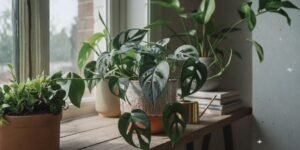
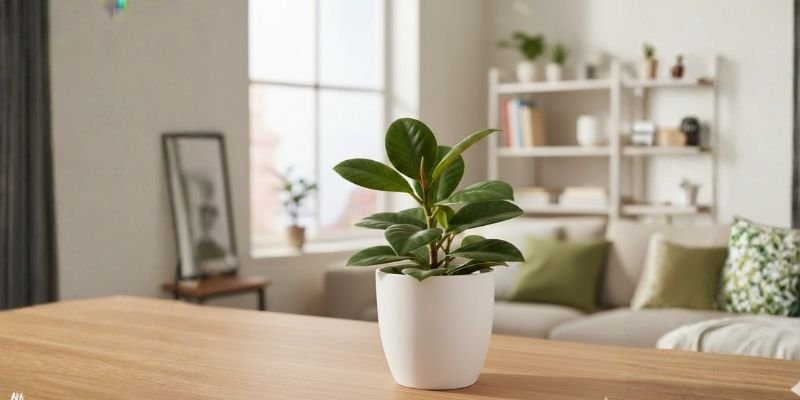
Peperomia Obtusifolia is a lovely tropical plant that grows as an epiphyte on trees or in the understory in South America’s rainforests. In my opinion, the leaves of this plant are what make it so special. They are thick and fleshy, which helps it survive when it gets dry inside. Peperomia Obtusifolia, on the other hand, grows more like a bush with rounded, deep green leaves that sometimes have subtle variegation. This is different from real succulents. I’ve grown mine in a variety of places, from humid bathrooms to drier living rooms, and they’ve always done well. This is because they are naturally resistant to changing tropical conditions. The Baby Rubber Plant is not a real rubber plant, but it gets its name from its shiny, rubbery leaves that make any shelf or table look more polished.
Why Grow Baby Rubber Plant Indoors?
I’ve told a lot of friends who are just starting out with indoor plants to get Peperomia Obtusifolia because it’s very forgiving and can fit in small spaces. For one thing, it’s easy to care for; you won’t have to worry about it every day like you would with some fussy ferns. The Baby Rubber Plant Indoors is great for apartments, desks, or even office cubicles where space is limited because it is small. Those shiny leaves aren’t just pretty; they also help clean the air by getting rid of common indoor pollutants. I’ve noticed that the air feels fresher around my collection at home. Peperomia Obtusifolia is a great plant if you want something that will make you feel better without taking up too much of your time. Most of the time, it’s also safe for pets, which is great for homes like mine where cats like to explore.
Seasonal Indoor Care Calendar
To keep your Peperomia Obtusifolia thriving year-round, I’ve found it helpful to adjust care based on the seasons. Here’s a simple table outlining the key tasks I’ve followed over the years—it’s all about mimicking those tropical cycles indoors.
Season | Key Care Tasks |
Spring | Repot if needed; start fertilizing every 4-6 weeks; increase watering slightly as growth resumes; check for pests after winter dormancy. |
Summer | Provide extra humidity with misting; water when top inch of soil is dry; prune for bushier growth; rotate plant for even light exposure. |
Fall | Reduce fertilizing; ease up on watering as days shorten; clean leaves to remove dust; monitor for dry air from heating systems. |
Winter | Water sparingly to avoid root rot; keep away from cold drafts; boost humidity with pebble trays; minimal pruning unless necessary. |
How To Plant And Care For Peperomia Obtusifolia Indoors
It doesn’t have to be hard to take care of Peperomia Obtusifolia indoors. I’ve been doing it for years with a simple routine. Let’s go over it step by step, paying attention to what works best in most homes.
Step 1: Choose the Right Indoor Location
The first thing I do when I bring home a new Peperomia Obtusifolia is look for the best place for it. This Baby Rubber Plant Indoors likes a stable environment that isn’t too cold or too hot, so don’t put it near doors, windows, or air vents that get cold in the winter. I’ve had a lot of success with east-facing windowsills or a few feet back from south-facing ones. The plants get soft morning light but not harsh afternoon light. It can adjust to less light, like in a room that faces north, but it might grow more slowly. Just remember that consistency is important. Once you find a place where your Peperomia Obtusifolia looks better, try not to move it around too much to avoid stress.
Step 2: Provide Bright Indirect Light
To keep the shiny leaves on your Peperomia Obtusifolia looking good, they need a lot of light. In my experience, bright indirect light is the best way to mimic its natural habitat. For example, filtered sunlight through sheer curtains or a spot near a window but not in direct sunlight, which can burn the leaves. I’ve grown mine under grow lights during the shorter days of winter, trying to give them 10 to 12 hours of soft light each day. They have stayed healthy. If your plant’s leaves are pale or its stems are long, it needs more light. If the edges are brown, it means it is getting too much direct light. When you get this balance right for the Baby Rubber Plant indoors, it will grow steadily and compactly without any problems.
Step 3: Use a Light, Well-Draining Potting Mix
The type of soil you use can affect the health of your Peperomia Obtusifolia indoors. I swear by a light, airy mix that drains quickly to keep the soil from getting too wet. To make your own, mix equal parts potting soil, perlite, and orchid bark. Standard mixes for succulents or cacti work, but I added some peat moss to help hold in a little moisture without making the plants too wet. Don’t use heavy garden soil because it makes roots compact and die. Make sure the pot you use to plant your Baby Rubber Plant indoors has drainage holes. I’ve lost a couple of them early on because of bad drainage, and I tell every beginner this.
Step 4: Planting or Repotting Properly
Be careful when you plant or repot your Peperomia Obtusifolia. These plants have shallow roots that don’t like to be disturbed. Every spring, I repot my plants. I choose a pot that is only one size bigger than the last one so that the roots don’t get too much space. Put your well-draining mix in the bottom, put the plant back at the same depth it was before, and firm the soil around it without packing it down. After that, water it lightly to help it settle. I started my Baby Rubber Plant Indoors from a cutting and planted it directly in moist soil, covering the node. It has rooted beautifully in a warm spot.
Step 5: Watering Without Overwatering
Most people have trouble with Peperomia Obtusifolia when it comes to watering, but once you get the hang of it, it’s easy. I let the top inch or two of soil dry out completely before soaking it well. I do this every 7 to 10 days in the summer and less often in the winter. To avoid shocking the roots, use water that is at room temperature. Also, always empty the saucer to keep water from standing. I’ve learned that it’s better to underwater than to overdo it. The Baby Rubber Plant Indoors can bounce back from dry spells because its leaves are fleshy, but soggy soil makes it rot quickly. Put your finger in the dirt. If it’s dry, water it; if not, wait.
Step 6: Maintaining Moderate Humidity
Peperomia Obtusifolia likes moderate humidity, which is around 40–60%. Most homes can handle this. I’ve raised the humidity by putting plants in groups or putting a pebble tray filled with water under the pot. The water that evaporates makes a mini-humid zone without getting the leaves wet. A quick mist every few days can help in drier winters, but don’t do it too often or you could get mold. The Baby Rubber Plant Indoors does well in bathrooms or kitchens because of the steam, which keeps the leaves plump and shiny without any extra work.
Step 7: Feeding During the Growing Season
Giving your Peperomia Obtusifolia fertilizer helps it grow strong, but you don’t need to give it a lot. From spring to summer, I use a balanced, water-soluble houseplant fertilizer that is only half as strong every four to six weeks. Don’t do it in the fall and winter when growth slows down. Organic options like worm castings mixed into the soil have worked wonders for me, giving me nutrients that last a long time. If you see salt buildup, flush the soil with plain water if the leaves start to burn. This method has helped my Baby Rubber Plant Indoors grow more leaves without forcing weak growth.
Step 8: Pruning and Cleaning Leaves
It’s easy to trim Peperomia Obtusifolia, and it helps the plant grow bushier. I cut off yellowed leaves or long stems with clean shears, just above a node, to encourage new growth. For the best results, do this in the spring. I clean the shiny leaves once a month by wiping them down with a damp cloth to get rid of dust. This helps the plant absorb more light and keeps bugs away. In my experience, doing things like this on a regular basis keeps the Baby Rubber Plant Indoors looking neat and healthy and stops it from getting spindly over time.

Step 9: Long-Term Peperomia Obtusifolia Care and Maintenance
Peperomia Obtusifolia will reward you for being consistent over time. Keep an eye out for signs of stress, like drooping, and change the light or water as needed. I turn mine every three months to make sure they grow evenly, and when I repot them, I check the roots to make sure they are white and healthy. If it gets too big for its space, gently split the clumps. My oldest Baby Rubber Plant Indoors has been in my family for more than 15 years. It gives off endless green vibes with very little care. Be patient; these tough plants will win if you go slowly and steadily.
Common Problems and Solutions
Even if you mean well, problems can happen with Peperomia Obtusifolia. If your plant’s leaves turn yellow, it may be getting too much water. To check for root rot, gently pull the plant out of the pot and check the roots. If they are mushy, trim them and repot the plant in fresh soil. If your stems are soft, it usually means there is too much water or not enough light. To fix this, move the plant to a brighter spot and make sure the soil drains well. Root rot is deadly. I’ve saved a few plants by acting quickly and letting the soil dry out completely before watering them again. Pests like spider mites and mealybugs come out in dry air. To get rid of them, wipe the leaves with a neem oil solution every week. Most problems with the Baby Rubber Plant Indoors can be avoided by making sure there is good airflow and humidity.
Beginner Mistakes to Avoid
As a mentor to new plant parents, I see the same mistakes with Peperomia Obtusifolia. Too much water is at the top of the list. It’s tempting to give them a lot of drinks, but that makes them rot. Follow the dry-out rule. Heavy, dense soil is also a bad idea; always choose mixes that are airy. Don’t put your Baby Rubber Plant in dark corners inside because low light causes etiolation. Finally, not cleaning dust off of leaves stops photosynthesis. Wiping them down regularly helps. If you stay away from these, your plant will grow quickly.
Styling and Placement Ideas for Baby Rubber Plant Indoors
Peperomia Obtusifolia is a great plant for styling because it is small. I put mine on desks to help me get more done. The shiny leaves catch the light without making the space too busy. It adds vertical interest to small apartments when grouped with trailing plants on floating shelves. Try it in terracotta pots on filing cabinets for office decor. It’s low-maintenance, so you won’t have to worry about it on the weekends. The Baby Rubber Plant Indoors loves the humidity in bathrooms, which makes them feel like a spa. To add contrast, mix different types together, or use it as a centerpiece on coffee tables for a simple tropical touch.
Expert Tips for Fuller and Healthier Growth
After years of trying and failing, here’s what makes Peperomia Obtusifolia grow better: Put the pot in a shallow tray for 30 minutes every now and then to water it from the bottom. This helps the roots grow deep without getting the leaves wet. To keep minerals from building up on leaves, use filtered water. Pinch the tips of bushier plants early in the spring. I’ve put a thin layer of mulch, like bark chips, on top to keep the moisture in. For balance, turn them every week. If the humidity drops, a small humidifier nearby works wonders. These changes have made my Baby Rubber Plant Indoors go from okay to amazing.
Propagation Methods (Stem Cuttings in Water and Soil)
It’s easy and rewarding to propagate Peperomia Obtusifolia. I’ve done it many times to grow my collection. For stem cuttings in water: Cut a healthy stem 4 to 6 inches below a node, take off the lower leaves, and put it in a jar of water at room temperature. Change the water every week and keep it in bright, indirect light. Roots will start to grow in 2 to 4 weeks. Put the plant in a pot of soil after it has rooted. For the soil method, dip the cut end in rooting hormone (optional), plant it in moist potting mix, and cover it with a plastic bag to keep it humid. Keep it warm and look for roots in three to six weeks. Both work well for Baby Rubber Plant Indoors, giving you new plants to share or fill your space.
To sum up, Peperomia Obtusifolia is one of those houseplants that is easy to care for and brings happiness without any trouble. It’s perfect for anyone who wants to try indoor gardening because it looks great and is easy to care for. Trust me, once you start, you’ll be hooked.
FAQs –
1. How often do I need to water my Peperomia Obtusifolia?
How often you should water Peperomia Obtusifolia depends on the conditions in your home, but in my experience, once every 7 to 14 days is best. Check the top inch of soil every time. If it’s dry, soak it well until water comes out, and then let it dry again. You might need to water more often in the summer when it’s humid, but in the winter when it’s dry, you should stretch it out to keep the roots from getting too dry. Overwatering is the biggest killer, so be careful. This Baby Rubber Plant Indoors stores water in its leaves, so it can handle a little neglect better than being wet all the time.
2. Can Peperomia Obtusifolia live in the dark?
Yes, Peperomia Obtusifolia can handle low light better than many other houseplants, but it won’t do well in the long run if it doesn’t get more light. My plants have been in offices with medium light, where they grow slowly but stay healthy. Aim for bright, indirect light for the best growth and shine. If the light is too dim, the stems will stretch or the leaves will fade. If you need to, add LED grow lights. This Baby Rubber Plant Indoors can adapt, but giving it that extra glow keeps it small and bright.
3. Why are the leaves on my indoor Baby Rubber Plant turning yellow?
If the leaves on your Baby Rubber Plant Indoors turn yellow, it could be because you are watering it too much or the soil doesn’t drain well. I’ve fixed this problem many times by letting the soil dry out completely and repotting it if the roots are affected. Other things that can stress the plant are not getting enough nutrients (try a diluted fertilizer during the growing season) or cold drafts. Also, look for bugs because they can make leaves weaker. Cut off the yellow parts and change how you care for it; Peperomia Obtusifolia usually bounces back quickly with these changes.
4. Are pets safe around Peperomia Obtusifolia?
Based on what I’ve seen and learned from my growing circles, Peperomia Obtusifolia is usually safe for cats and dogs, so it’s a good choice for homes with pets like mine. That being said, eating it could make your stomach feel a little upset, so keep it away from pets that like to chew. The ASPCA says it’s safe, but you should always keep an eye on it. This Baby Rubber Plant Indoors adds green without any worries, unlike some other plants that are toxic.
5. How can I make my Peperomia Obtusifolia bushier?
To make Peperomia Obtusifolia grow bushier, prune it often by pinching back the tips of the stems in the spring or summer. This makes side shoots grow. I did this to mine, and they look great. Make sure there is enough light and moderate feeding; too little light can make plants leggy. You can also replant propagation cuttings around the base to make it look fuller. Your Baby Rubber Plant Indoors will grow into a dense, attractive shape if you are patient.
6. What kind of soil is best for Baby Rubber Plants indoors?
A light, well-draining mix is the best soil for Baby Rubber Plant Indoors. I get great results by mixing potting soil with perlite and bark. Stay away from soils that are thick and hold water; they cause rot. A pH of 6.0 to 7.0 is fine. If you don’t want to change the pot size, you should change the mix every year to keep the roots healthy and aerated.
7. Does Peperomia Obtusifolia need a lot of moisture?
Peperomia Obtusifolia likes moderate humidity, but it doesn’t have to be perfect. 40–60% is fine for indoors. I have used pebble trays or grouped plants to subtly boost the humidity in my dry apartment and keep the edges from getting crispy. Misting is helpful, but don’t soak the leaves to keep fungus from growing. This Baby Rubber Plant Indoors does well in the average humidity of a home, unlike real tropical plants that need more.
8. How tall does Peperomia Obtusifolia get inside?
Peperomia Obtusifolia usually grows 6 to 12 inches tall and wide indoors and stays small unless you trim it for size. Mine have grown to about 10 inches over the years, which is great for small spaces. Plants grow more slowly in low light, but if you take care of them, they will keep their nice shape. The Baby Rubber Plant Indoors doesn’t outgrow its welcome very often, so it’s great for keeping for a long time.