
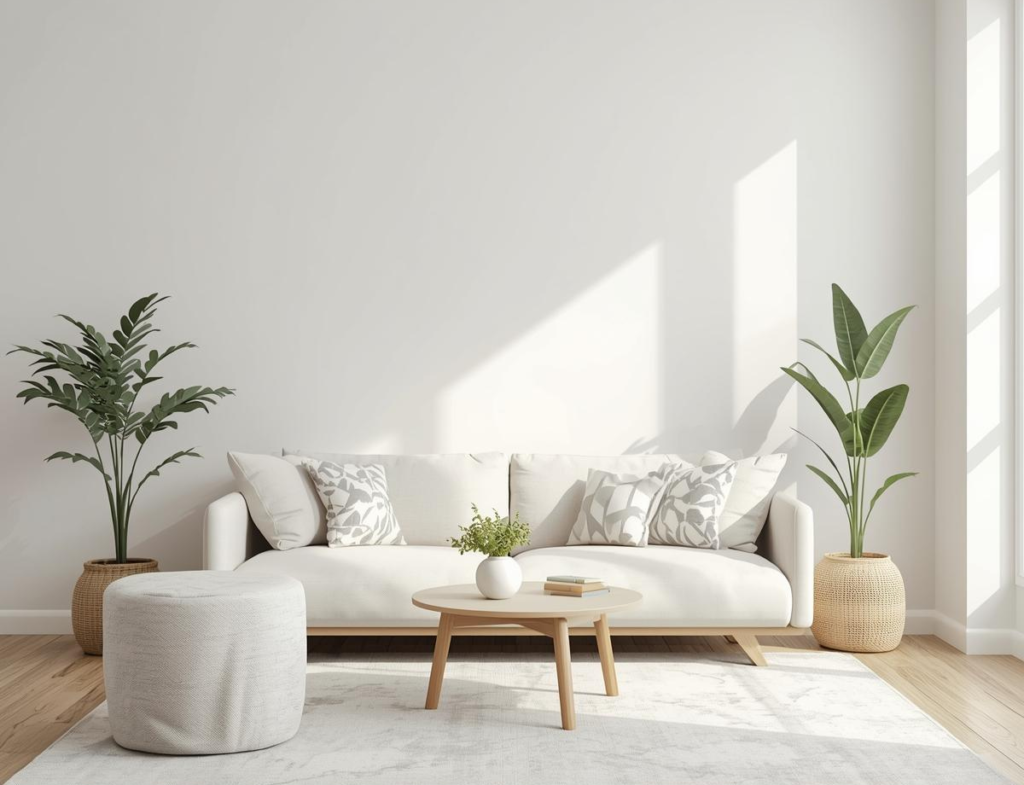
Let’s be honest. Life in the USA today feels fast, loud, and packed with stuff. We buy, we collect, we hold on, and our homes can quickly become a reflection of that clutter—both physical and mental. Enter minimalist home decor, a design philosophy that’s about so much more than just having a sparse-looking space. It’s about intention, peace, and creating a home that serves you, rather than the other way around.
At its heart, minimalist home decor is the practice of intentionally keeping only the items that serve a purpose or bring you genuine joy. It champions clean lines, open space, and a sense of calm. Think less “cold and empty” and more “serene and freeing.” This approach to minimalist home decor isn’t about deprivation; it’s about making room for what truly matters in your daily life.
The Core Principles of Minimalist Home Decor
Understanding the “why” behind this style is key to making it work for you. True minimalist home decor is built on a few foundational ideas.
Intentionality Over Impulse
Every piece in a minimalist space is there for a reason. Before something comes into your home, you ask: Do I need it? Do I love it? Does it serve a function? This intentionality stops clutter before it starts and is the cornerstone of successful minimalist home decor.
Quality Over Quantity
Instead of having five okay coffee mugs, you might have two that you absolutely adore. Minimalist home decor encourages investing in fewer, but better-made, items that will last. This shift not only reduces waste but also cultivates an appreciation for craftsmanship.
Functionality is Beautiful
In this style, form often follows function. A beautiful wooden bowl is also where you keep your keys. A sleek sofa is first and foremost comfortable for movie nights. The aesthetic of minimalist home decor finds beauty in simplicity and usefulness.
Embracing Negative Space
Here’s a big one: empty space is not something to be filled. It’s a design element in itself. This “breathing room” around furniture and objects is what creates that iconic sense of calm and clarity in minimalist home decor.
Why Choose a Minimalist Home? The Benefits Are Real
You might be drawn to the look, but the lifestyle benefits are what keep people committed to minimalist home decor.
Less Stress, More Calm: Visual clutter competes for your brain’s attention. A simplified space reduces sensory overload, directly lowering anxiety and making it easier to relax the moment you walk in the door. This is the psychological power of minimalist home decor.
Easier to Clean and Maintain: Less stuff means less to dust, organize, and manage. Your Saturday cleaning routine shrinks from a chore marathon to a quick refresh, giving you back precious time.
Saves You Money: When you stop buying trinkets, duplicates, and impulse decor, your bank account feels the relief. You buy with purpose, breaking the cycle of constant consumption that’s so common.
Focus on What You Truly Love: By removing the excess, the items you keep—the art, the photographs, the heirloom quilt—stand out and tell your story more powerfully. Minimalist home decor acts as a spotlight for your most cherished possessions.
Your Room-by-Room Guide to Minimalist Home Decor
Ready to start? Let’s walk through your home. Remember, adopting minimalist home decor is a process, not an overnight event. Start small.
The Living Room: The Heart of the Home
The living room often sees the most traffic, so achieving calm here is a game-changer.
- Furniture: Choose a few key, high-quality pieces. A comfortable sofa, a functional coffee table, perhaps one statement chair. Float furniture away from walls to emphasize space.
- Surfaces: Adopt a “clear surface” policy. The coffee table isn’t a landing pad for magazines, remote controls, and coasters. Keep it bare or with one intentional item, like a small plant.
- Decor: One large piece of art is more impactful than a gallery wall of small items. A single, well-placed floor plant (like a fiddle-leaf fig or snake plant) adds life. This is minimalist home decor in practice: careful, edited choices.
The Bedroom: Your Sanctuary
This room should be dedicated to rest and recharge. Minimalist home decor here is non-negotiable for good sleep.
- The Bed: Make it the focal point with simple, high-quality linens in neutral colors. Avoid piles of decorative pillows—two is plenty.
- Clutter Control: Remove anything that isn’t related to sleep or relaxation. That means TVs, workout gear, and towering laundry baskets find a new home. Use discreet, closed storage for clothing.
- Nightstands: Keep them minimal. A lamp, a book, maybe an alarm clock. The goal is serenity, not a crowded side table.

The Kitchen: Clean Lines & Clear Counters
A minimalist kitchen feels like a chef’s dream: efficient and peaceful.
- Countertops: This is your mission. Store appliances you don’t use daily (blenders, toasters). Keep only the essentials out: a beautiful knife block, a soap dispenser.
- Cabinets & Drawers: Edit your tools and dishware. Do you need 20 mismatched mugs? Probably not. Donate duplicates and keep only the sets you use. Organized, sparse storage is a key part of minimalist home decor.
- Decor: If you add decor, make it functional. A rustic wooden bowl holding fresh fruit. A simple herb garden on the windowsill.
The Bathroom: A Spa-Like Retreat
Transform your bathroom from a cluttered cabinet into a personal spa.
- Vanity: Put away all products. Use trays or drawers to corral daily essentials like toothpaste and moisturizer. The goal is a clean, wipeable surface.
- Towels: Stick to one cohesive color scheme (whites, grays, earthy tones) and fold them neatly on open shelves or store them out of sight.
- Extras: Go through products and medicines regularly. Toss anything expired. You’ll be amazed how much space you reclaim.
How to Start Your Minimalist Home Decor Journey: A Step-by-Step Plan
Feeling overwhelmed? Don’t. Here’s a practical, human way to begin incorporating minimalist home decor.
- The Vision Board: Before you toss a single thing, get inspired. Use Pinterest or Instagram. Search for “minimalist home decor” and save images of rooms that feel peaceful to you. Notice the common threads: light, space, simple colors.
- The Decluttering Foundation: You can’t have minimalist home decor without first decluttering. Use the classic method: take everything out of one area (a drawer, a shelf). Sort into three piles: Keep, Donate/Sell, Trash. Be ruthless. If you haven’t used it in a year, you likely don’t need it.
- The One-In, One-Out Rule: Once you’ve edited, maintain it. For every new item that comes into your home, try to let one go. This simple rule prevents backsliding and keeps your minimalist home decor intentional.
- Shop Your Home First: Need a decor item? Look around first. Maybe a vase from the living room would look perfect in the bedroom after a shuffle. Minimalist home decor is often about rearranging and re-loving what you already own.
- Embrace Slow Decorating: Your home doesn’t need to be “finished” in a week. Wait to find the perfect rug or art piece. Living with empty space for a while helps you understand what you truly need.
Common Mistakes to Avoid with Minimalist Home Decor
As you dive in, watch out for these easy pitfalls.
- Confusing Minimal with Sterile: Your home shouldn’t feel like a doctor’s office. Add texture (a chunky knit throw, a woven basket), warmth (wood tones, a vintage rug), and personal touches (a few family photos in simple frames). Minimalist home decor should feel inviting, not cold.
- Focusing Only on Aesthetics: If you’re just hiding clutter in bins without actually reducing it, you’ve missed the point. The goal is less stuff, not better-hidden stuff.
- Comparing Your Start to Someone’s Finish: The pristine homes you see online are often staged or represent years of curation. Your journey with minimalist home decor is personal. Celebrate your clear countertop, not the influencer’s entire flawless house.

Simple Tips to Elevate Your Minimalist Home Decor
- Play with Texture: Since color is often neutral, texture adds depth and interest. Think linen curtains, a wool rug, a leather chair, a smooth concrete planter.
- Let the Light In: Natural light is your best friend. Use sheer curtains or leave windows bare to flood rooms with light, making spaces feel larger and airier—a hallmark of minimalist home decor.
- Add Life with Plants: A bit of green brings in organic shape and life. A tall cactus, a trailing pothos, or a simple succulent are perfect low-maintenance choices.
- Choose a Cohesive Color Palette: Stick to two or three main colors. A base of white, gray, or beige, with one accent color (like soft sage green or warm terracotta) and natural wood tones works beautifully for minimalist home decor.
The Lasting Impact of a Minimalist Mindset
Ultimately, embracing minimalist home decor is about more than your living space. It’s a shift in mindset that ripples out into other areas of life. You become more mindful of your purchases, your time, and your commitments. You start to value experiences over possessions. The calm you cultivate at home helps you manage the chaos of the outside world.
Creating a home with minimalist home decor is a personal journey of creating a sanctuary. It’s about building a backdrop for your life that feels peaceful, intentional, and truly yours. Start with one drawer, one shelf, one room. Breathe in the space you create, and enjoy the newfound sense of calm that comes with living with less, but better.