In This Article
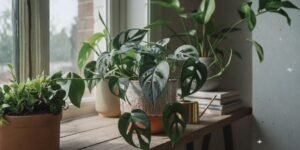
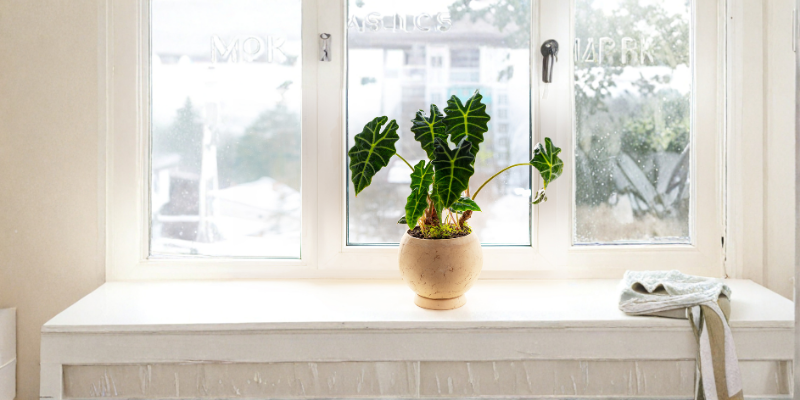
Alocasia Polly isn’t just another houseplant; it’s a conversation starter wrapped in foliage. Hailing from the humid understories of Southeast Asia (though it’s a clever hybrid created in greenhouses), this plant has adapted beautifully to our cozy indoor setups. Its compact stature—usually staying under two feet tall—means it fits snugly on shelves, desks, or tabletops without overwhelming the space. Those signature leaves, deep green with bold white veins, add a touch of sophistication that’s hard to beat. I’ve seen folks pair it with ferns for a lush corner or let it solo on a coffee table, and it always steals the show.
Why is Alocasia Polly so popular? For starters, it’s low-maintenance once you learn its quirks, and it purifies the air like a champ, filtering out toxins while you sip your morning coffee. Plus, it’s got that “wow” factor without demanding a greenhouse. If you’re new to tropicals, this is your gentle entry point—no massive pots or constant babysitting required. Just give it some humidity and indirect light, and it’ll thank you with vigorous new growth.
To help you get a quick snapshot, here’s a handy table breaking down the essentials of Alocasia Polly. I put this together based on years of trial and error in my own home—nothing beats hands-on learning!
Aspect | Details |
Common Name | Alocasia Polly, African Mask, Kris Plant |
Botanical Name | Alocasia × amazonica ‘Polly’ |
Family | Araceae (the aroid family, home to many tropical favorites) |
Plant Type | Rhizomatous perennial |
Mature Size | 1-2 feet tall and wide indoors |
Sun Exposure | Bright, indirect light; avoid direct sun to prevent leaf scorch |
Soil Type | Well-draining, peat-based or aroid mix with perlite |
Soil pH | Slightly acidic to neutral (5.5-7.0) |
Bloom Time | Rarely indoors; if it happens, late spring to summer |
Flower Color | Insignificant white or greenish spathes (not the main attraction) |
Hardiness Zones | 10-12 (best as a houseplant in cooler climates) |
Native Area | Hybrid from Southeast Asian species |
Toxicity | Toxic to humans and pets if ingested—keep away from curious nibblers |
This table is your cheat sheet for setup. Notice how it’s geared toward indoor life? That’s because Alocasia Polly shines brightest under a roof, away from harsh weather. If you’re eyeing one for your collection, start here and build from there.
Alocasia Polly Care (Season-Wise Care)

Caring for Alocasia Polly isn’t about rigid rules—it’s more like tuning into your plant’s rhythm as the seasons shift. These tropical natives crave consistency, but they do appreciate a little seasonal TLC to stay at their best. I’ve learned this the hard way: ignore the calendar, and you might end up with droopy leaves or surprise dormancy. Below, I’ll walk you through Alocasia Polly care month by month, with tips that feel doable even if you’re juggling a busy life. Remember, observation is key—feel the soil, watch the leaves, and adjust as needed.
Winter Care for Alocasia Polly
Winter can be a sleepy time for your Alocasia Polly, mimicking its natural slowdown in the wild. Shorter days mean less growth, so dial back the fussing. Keep it in a spot with steady warmth—aim for 65-75°F (18-24°C)—and shield it from chilly drafts near windows or doors. I once lost a leaf or two to a sneaky heater vent, so use a pebble tray for humidity if your home runs dry.
Water sparingly: let the top inch of soil dry out completely between drinks. Overwatering in winter is the number one killer—root rot sneaks in fast. Skip fertilizer altogether; your plant’s not hungry right now. If leaves yellow, it might be begging for more light, so a grow lamp for a few hours a day can perk things up. By February, you might notice tiny new shoots— that’s your cue spring’s around the corner.
Summer Care for Alocasia Polly
Ah, summer—the season when Alocasia Polly wakes up and says, “Let’s grow!” With longer days and warmer temps (70-85°F or 21-29°C), expect faster growth and thirstier roots. This is prime time for Alocasia Polly care that involves a bit more action. Place it near an east-facing window for that sweet morning glow, but mist leaves daily to combat dry air from AC units. I swear by a simple spray bottle routine; it keeps those veins popping.
Water when the top two inches feel dry—about once a week, but check first. Use room-temp water to avoid shocking the roots. Feed every two weeks with a balanced, diluted houseplant fertilizer to fuel those new leaves. Watch for leggy growth; if it stretches, scoot it closer to light. Pests love the heat, so inspect undersides weekly. My summer ritual? A gentle leaf wipe with diluted neem oil for that extra shield.
Monsoon / Rainy Season Care
If you’re in a humid climate like mine during monsoon months, Alocasia Polly thrives—it’s like a mini vacation to the tropics. But too much rain can drown those roots, so balance is everything. Outdoors? Ensure pots have drainage holes and elevate them to avoid standing water. Indoors, cut back on watering since ambient moisture spikes; maybe every 10 days if the soil stays damp.
Humidity soars, which is great for leaf health, but good airflow prevents fungal woes. I like propping a small fan nearby on low to mimic breezes. Fertilize lightly once growth resumes post-rain, but hold off if it’s unusually soggy. One tip from my rainy-season mishaps: harvest rainwater for flushing salts—your plant will love the purity. Keep an eye on spider mites; they crash the party when it’s wet and warm.
Indoor Alocasia Polly Care
Most of us grow Alocasia Polly indoors, where you control the vibe. Bright, filtered light is non-negotiable—think a few feet from a sheer-curtained window. Temps between 65-80°F (18-27°C) keep it happy; no bathroom steams unless you want mushy leaves. For Alocasia Polly care indoors, humidity is your secret weapon—60% or higher. Group it with pothos or use a humidifier; my pebble tray setup with daily refills works wonders.
Soil should drain like a dream: mix equal parts potting soil, perlite, and orchid bark. Water deeply but infrequently, letting it dry halfway down. Rotate the pot quarterly for even growth. Dust leaves monthly with a soft cloth—clean foliage photosynthesizes better. If it goes dormant (yellowing and dropping leaves), don’t panic; it’s normal. Just reduce water and wait for rebound.
Outdoor Alocasia Polly Care
Got a shaded patio in a mild zone? Alocasia Polly can handle outdoors in summer, adding jungle vibes to your deck. Stick to dappled shade—under a tree or pergola—to dodge sunburn. Temps above 60°F (15°C) are ideal; bring it in before nights dip cooler. For outdoor Alocasia Polly care, mulch around the base to retain moisture, and water more often since pots dry fast in wind.
Protect from heavy rain with a cover, and scout for slugs—they adore those tender shoots. Fertilize monthly with a tropical blend. I tried this last year on my balcony, and the growth exploded—bigger leaves than indoors! Just acclimate slowly: start in partial shade for a week to toughen up.
Types of Alocasia Polly / Related Varieties
Alocasia Polly is part of a big, bold family, and it’s easy to mix it up with its relatives at the nursery. Over the years, I’ve collected a few, and spotting the differences has become a fun game. These close cousins share that dramatic foliage but vary in size, color, and vibe. Here’s a rundown of varieties often compared to Alocasia Polly—great for expanding your collection without repeating yourself.
Alocasia Amazonica: The “parent” of Polly, this one’s a bit taller (up to 3 feet) with even bolder veins. Leaves are similar arrow shapes but feel more robust. If Polly’s the compact city apartment dweller, Amazonica’s the suburban backyard star. Care’s nearly identical, just scale up the pot.
Alocasia Dwarf Amazonica: A pint-sized twist on the original, staying under 18 inches. Perfect if space is tight—think bathroom shelf. Leaves are smaller but pack the same punchy contrast. It’s forgiving for beginners, with slightly less humidity fuss.
Alocasia Black Velvet: Oh, this velvety dark beauty! Leaves are shorter and fuzzier, almost purple-black with silver veins. It’s shyer on size (1 foot max) but demands higher humidity. If Polly’s your everyday green, Black Velvet’s the moody goth of the group.
- Key Comparison Tip: All crave similar light and soil, but watch mature height—Polly wins for small spaces. Mix them for a textured display!
These swaps keep things fresh; I’ve got a Polly flanked by a Stingray, and it’s my favorite corner.
Pruning Alocasia Polly
Pruning your Alocasia Polly isn’t a frequent chore—maybe a few times a year—but it’s essential for keeping it tidy and healthy. Think of it as a gentle haircut: done right, it encourages bushier growth and prevents energy waste on old parts. I usually grab my shears in spring when new leaves emerge, but anytime you spot damage works.
When to prune? After winter dormancy, or if leaves yellow, brown, or crowd the base. Never prune more than a third at once—your plant needs those solar panels! Use clean, sharp scissors to snip at the base of the stem, close to the rhizome. Sterilize tools with alcohol to dodge disease spread. For Alocasia Polly care, focus on dead or leggy fronds; live ones just get a trim if edges crisp.
Common newbie slip-ups? Chopping too much at once, leading to shock (wilty leaves—up the humidity to recover). Or ignoring sap—it’s irritating, so wear gloves. One time, I overdid it on a dormant plant; it sulked for weeks. Lesson learned: less is more. Post-prune, water lightly and watch for rebound shoots. Your Polly will look sharper and grow stronger.
Propagating Alocasia Polly
Propagation is where the magic happens—turning one Alocasia Polly into a whole squad! It’s straightforward via division, since these plants grow from underground corms (those knobby bulbs). Spring or early summer is best, when roots are active. I’ve propagated dozens this way; it’s satisfying watching babies thrive.
Step-by-step for rhizome division:
- Prep Your Workspace: Gather a sharp knife, fresh soil mix (peat, perlite, bark), and pots with drainage. Water your plant a day before to loosen soil.
- Unpot Gently: Tip the pot sideways and ease out the root ball. Shake off excess dirt to reveal the corms—look for natural splits with at least one leaf and roots.
- Divide Carefully: Slice through the rhizome with a sterile knife, ensuring each section has growth points. Aim for 2-3 divisions per mature plant.
- Pot Up: Plant each piece shallowly in moist soil, same depth as before. Water sparingly at first to settle roots.
- Aftercare: Place in bright, indirect light with high humidity (plastic bag tent for a week). Keep at 70°F+; new growth in 4-6 weeks.
Stem cuttings? Skip ’em—Alocasia Polly roots best from bulbs. If a pup forms at the base, twist it off with roots intact. Patience pays off; my first division tripled my collection!

Overwintering Alocasia Polly
Overwintering Alocasia Polly is all about survival mode—keeping it cozy while it chills. In cold climates, this means indoor sanctuary from November to March. If yours goes dormant (leaves drop, stems die back), don’t fret; it’s conserving energy. Cut back dead foliage, reduce water to once a month (only if soil’s bone-dry), and store the pot in a cool, dark spot like a basement (50-60°F).
For active overwinterers, maintain 65°F+ and 50% humidity. A south window or LED grow light battles short days. I wrap mine in bubble wrap near drafty panes—crude but effective. Avoid fertilizing; resume in spring. One winter, mine fully dormant-ed; by April, it roared back greener. Pro tip: Label pots to track cycles. With this Alocasia Polly care tweak, you’ll sail through the frost.
Common Pests & Plant Diseases
No plant’s immune to uninvited guests, and Alocasia Polly attracts a few regulars. Early spotting saves heartache—flip leaves weekly during inspections. Prevention? Quarantine newbies and promote airflow.
Pests:
- Spider Mites: Tiny web-weavers causing stippled, yellow leaves. Symptoms: Fine silk on undersides, dusty look. Fix: Blast with water, follow with insecticidal soap. Prevent: High humidity starves them.
- Mealybugs: Cottony blobs at stem joints, sticky honeydew. Leaves curl, growth stalls. Dab with alcohol swabs; neem oil for follow-up. Keep foliage dry post-watering.
- Aphids: Green clusters sucking sap, leading to distorted tips. Hose off, then pyrethrin spray. Ants farm them, so scout for scouts.
Diseases:
- Root Rot: From soggy soil—mushy roots, wilting despite water. Trim rot, repot in sterile mix, hold water. Prevention: Always check drainage.
- Leaf Spot: Brown, water-soaked circles from fungi. Improve air circulation, avoid overhead watering. Copper fungicide if needed.
- Crown Rot: Soft base from excess moisture. Cut away rot, dry out, repot. Less water in low light.
In my experience, healthy Alocasia Polly resists most woes. Stress invites trouble, so steady care is your best defense.
How to Keep Alocasia Polly Healthy & Thriving
Want that envy-worthy Alocasia Polly with mirror-shine leaves and perfect form? It’s in the details—small habits that add up. From my trial-and-error garden, here’s what works.
For glossy leaves: Wipe bi-weekly with rainwater-diluted milk (1:10)—it buffs without residue. Avoid tap water streaks.
Compact growth: Pinch tips lightly in summer to bush out. Proper light prevents etiolation; supplement with full-spectrum bulbs in dim homes.
Humidity balance: 60-70% is gold. Humidifier nearby, or group with calatheas. Brown tips? Misting helps, but don’t soak.
Watering control: Bottom-water for even moisture—fill saucer, let absorb 30 mins, dump excess. Use a moisture meter if guessing stresses you.
Bonus: Monthly Epsom salt soak (1 tsp/gallon) boosts magnesium for vibrant veins. Rotate for symmetry, and repot every 1-2 years in spring. My thriving Polly? It’s from consistent, loving nudges—not perfection.
FAQs – Alocasia Polly Care
1. How often should I water my Alocasia Polly? It depends on conditions, but aim for every 7-10 days indoors. Stick your finger in—water if the top 1-2 inches are dry. Overdo it, and roots suffer; underwater, and leaves crisp. Adjust for seasons: more in summer heat.
2. Why are my Alocasia Polly leaves turning yellow? Classic sign of overwatering or poor drainage—roots can’t breathe. Check soil; if soggy, repot ASAP. Could also be low light or cold drafts. Trim yellow bits and up humidity to rally it back.
3. Can Alocasia Polly handle direct sunlight? Nope, it’ll scorch those pretty leaves crispy. Bright indirect is its jam—like near a north window. If outdoors briefly, acclimate slowly to filtered shade.
4. What’s the best soil for Alocasia Polly care? A loose, chunky mix: 50% peat or coco coir, 30% perlite, 20% bark. It mimics rainforest floors—drains fast but holds just enough moisture. pH around 6? Spot on.
5. How do I increase humidity for my Alocasia Polly? Pebble trays with water (pebbles above level), daily misting, or a cheap ultrasonic humidifier. Grouping plants creates a microclimate. Aim for 60%—your leaves will thank you with shine.
6. Is Alocasia Polly toxic to cats? Yes, all parts cause oral irritation, swelling, drooling if chewed. Keep high shelves or use deterrents like citrus spray. Not fatal, but vet if ingested.