In This Article
If you’ve ever paused at the edge of a forest, where the sunlight filters through the leaves, you’ve experienced the subtle allure of a shade garden. It’s in these tranquil spots that bugbane really shines. After more than fifteen years of nurturing these peaceful havens, I’ve discovered few perennials that provide both structural elegance and vibrant late-season color quite like the bugbane. Don’t let its unassuming name fool you; this is a plant of remarkable refinement.
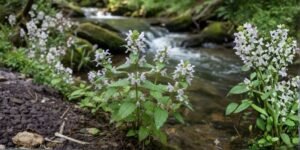
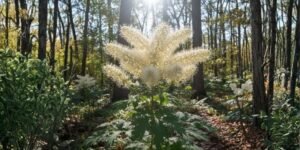
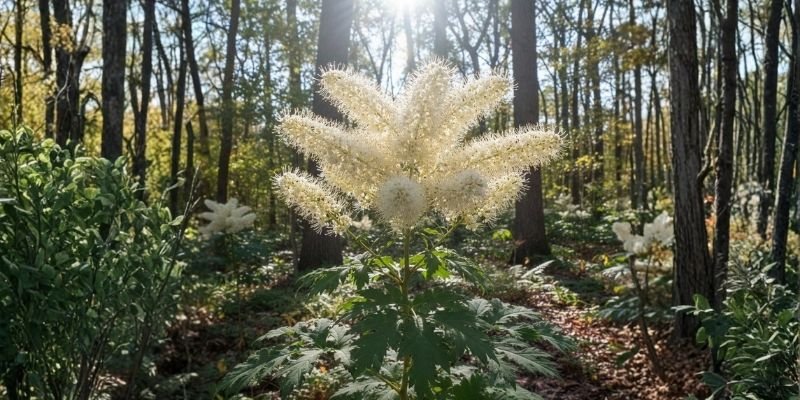
Picture, if you will, delicate, elongated flower spikes, akin to graceful candelabra, reaching skyward from a base of deeply cut leaves as autumn’s light began to fade. This plant is a haven for pollinators, a deer-repellent champion, and an ideal vertical element to brighten shaded areas. Let’s get our hands dirty and explore the wonders of this remarkable perennial.
Botanical Name | Actaea (formerly Cimicifuga) |
Common Name | Bugbane, Black Snakeroot, Fairy Candles |
Plant Type | Herbaceous perennial |
Mature Height & Spread | 3-8 ft tall (depending on cultivar), 2-4 ft spread |
Bloom Color | White, pink, creamy-white; often with purple-flushed foliage |
Sun Requirement | Part shade to full shade |
Soil Type | Rich, humusy, moist, well-draining |
Water Needs | Moderate to high; does not tolerate drought |
Maintenance Level | Low |
What Is Bugbane and How to Grow Bugbane?

A bugbane, at its core, is a perennial that thrives in the shade, celebrated for its late summer and autumn flowers and its graceful, frequently dark-hued leaves. To cultivate a healthy bugbane, you must appreciate its woodland roots; it longs for the cool, damp, nutrient-rich earth reminiscent of a forest. While not difficult to grow, it does necessitate a departure from the sun-loving garden. These steps, gleaned from years of experience, will help you transform your bugbane into a cherished addition to your garden.
Step 1: Choose the Right Planting Location
Success with any plant hinges on its placement. Bugbane, for instance, thrives in a “woodland edge” setting. Consider north-facing borders, the gentle shade beneath deciduous trees, or the cooler side of a house or fence. Steer clear of spots that get blasted by the hot afternoon sun; this will burn its leaves and put the plant under stress. Also, keep its impressive height in mind. Position your bugbane toward the center or rear of a border, or use it as a striking focal point against a dark evergreen backdrop, allowing its flower spires to take center stage.
Step 2: Provide Ideal Light Conditions
The ideal lighting for a bugbane plant? Think light to partial shade. Up north, where it’s cooler, a touch more morning sun is fine. But down south, or in gardens further inland, it’s all about that deep, filtered shade. I’ve seen the best flowers appear after about four hours of dappled sunlight. Too much shade, especially the deep kind, can lead to spindly stems that just flop over. The right light is key to robust, upright growth and those amazing, fragrant blooms.
Step 3: Prepare Rich, Moist, Well-Draining Soil
This is the crucial part. Bugbane simply can’t stand dry conditions or bad soil. You need to replicate the rich, loamy environment of a forest floor. I dig a wide hole, at least double the size of the root ball, and then blend the existing soil with a substantial amount of compost or well-decomposed leaf mold. If your soil is heavy clay, you’ll want to add compost, and perhaps some coarse sand or perlite, to help with drainage. The aim is soil that retains moisture, like a sponge, but never becomes waterlogged – the ideal setting for this perennial.
Step 4: Planting Bugbane the Correct Way
Plant your bugbane in the spring or early fall. Carefully take it out of its container, and if you see any roots winding around the root ball, loosen them. Put the plant in the hole you’ve made, making sure the top of the root ball is even with the ground. Fill in around it with your special soil mix, pressing down lightly to get rid of any air. Water it thoroughly right after you plant it. Give each plant plenty of room, at least 2-3 feet, so they have space to grow and the air can move around them.
Step 5: Watering for Healthy Growth
Consistent moisture is essential for a bugbane plant’s well-being. During its initial growing season, provide regular, deep watering, particularly when the weather is dry, to help it develop a solid root system. While a fully grown plant can withstand periods of drought, it will thrive—boasting vibrant foliage and strong flower spikes—if the soil remains consistently moist. A two- to three-inch layer of mulch, such as shredded bark or leaf mulch, is vital. This helps retain moisture, keeps the roots cool, and gradually enriches the soil as it decomposes.
Step 6: Feeding and Soil Enrichment
Bugbane isn’t a demanding plant, though it does like a little something extra each year. When the new growth starts to show in the spring, I carefully incorporate a handful of balanced, organic fertilizer or a fresh application of compost into the soil surrounding the plant, taking care not to damage the shallow roots. This one feeding, along with the natural decomposition of your mulch, usually provides all the nutrients this perennial requires.
Step 7: Pruning, Deadheading, and Maintenance
Maintenance is a breeze. Come late fall or early spring, just trim the old leaves down to the ground. Feel free to leave the faded flower stalks; their sculptural seed heads look lovely when frosted. Deadheading, while not likely to coax a second bloom, can tidy things up and stop self-seeding, if that’s your goal. If you have taller varieties, a little staking or the support of a nearby plant can help them stand tall during a downpour.
Step 8: Managing Pests, Diseases, and Common Issues
One of the best things about bugbane is how well it stands up to deer and rabbits. Its name comes from an ancient idea that it kept insects away, though that’s not entirely accurate. The real trouble comes from how it’s grown: waterlogged soil can cause root rot, and dry, hot weather can bring on powdery mildew or spider mites. The key is always prevention: the right amount of shade, good soil, and regular watering. I find I hardly ever need to do anything more than use the hose.

Step 9: Long-Term Bugbane Plant Care
A thriving bugbane plant is a perennial treasure. It develops a slowly spreading clump, becoming more impressive as the years pass. Division is seldom necessary; these plants generally dislike being moved. If propagation through division is essential, wait until early spring, just as new growth begins. Be aware that the divided section might take a full year to fully recover. Beyond that, the main job is to refresh the mulch each year and enjoy the growing spectacle of blooms every autumn.
Conclusion
Bugbane transcends its role as a mere filler for shaded gardens; it’s a testament to both grace and endurance. Offer it the trifecta of cool shade, ample moisture, and the humus-rich soil of the forest floor, and you’ll be rewarded with a stunning display of flowers just as the garden starts to lose its vibrancy. This plant demonstrates the power of working with nature’s inherent conditions, and in the process, it conjures a moment of pure, seasonal beauty.
Frequently Asked Questions About Bugbane
1. Is bugbane really poisonous?
Indeed, every part of the bugbane plant poses a toxicity risk if consumed by people or animals. This toxicity is a significant factor in its ability to withstand browsing by deer, rabbits, and other plant-eating creatures. When working with or separating the plant, it’s a good idea to wear gloves, since the sap can cause irritation to sensitive skin.
2. Why is my bugbane not flowering?
Insufficient light or young plants are the usual culprits. Though it thrives in shade, excessive deep shade can hinder its blooms. A few hours of filtered sunlight are ideal. Keep in mind, too, that bugbane is a slow grower. It frequently dedicates its initial year or two to building a strong root system before it focuses on producing a lot of flowers. Patience is key.
3. Can I grow bugbane in a container?
It’s doable, though not without its difficulties, primarily because of the plant’s water requirements and its eventual size. A sizable, deep pot with good drainage is essential. A top-notch potting mix, blended with compost, is also a must. You’ll need to keep a close eye on watering; containers tend to dry out fast. Dwarf varieties, such as ‘Hillside Black Beauty,’ are a more practical choice for this undertaking.
4. What are the best companion plants for bugbane?
It makes a lovely companion to other plants that thrive in the woods. Consider hostas, ferns, astilbes, hellebores, and hakonechloa grass nestled beneath it. For a bit of visual contrast, heucheras or blue-leaved hostas would work well. And then, later in the season, toad lilies (Tricyrtis) and Japanese anemones come into their own, creating a truly beautiful display.
5. My bugbane’s leaves are turning brown at the edges. What’s wrong?
This is typically a sign of moisture stress, which could be due to either insufficient watering or, more frequently, exposure to hot, dry winds or excessive sunlight. Examine your mulch and increase the frequency of deep watering. If the plant is in a sunny area, think about moving it to a shadier spot during early spring or fall.
6. How do I tell the difference between Actaea racemosa and Actaea simplex?
Actaea racemosa, previously known as Cimicifuga racemosa, is a native plant that blooms in the middle to late summer, usually on plants with green leaves. In contrast, Actaea simplex, along with its many cultivars, blooms later, from late summer into fall, and often has striking purple or bronze leaves. These varieties are more commonly found in garden centers.
7. Should I stake my bugbane?
Many contemporary cultivars boast robust stems, rendering staking unnecessary when cultivated under optimal circumstances—adequate light and a judicious approach to fertilization. Yet, in exceptionally fertile soil or more sheltered, shaded environments, taller varieties occasionally exhibit a tendency to lean. I employ a couple of unobtrusive bamboo stakes and green twine, or I strategically position them alongside resilient neighboring perennials, which provide natural support.
8. Does bugbane have a scent?
Indeed, it’s a subject that sparks discussion. The aroma is frequently likened to sweetness, honey, or a hint of something medicinal. On a calm, warm autumn night, the fragrance can waft through the garden. Some find it delightful; others, not so much. If you’re sensitive to garden smells, it’s wise to experience the scent of a flowering plant at a nursery.