In This Article
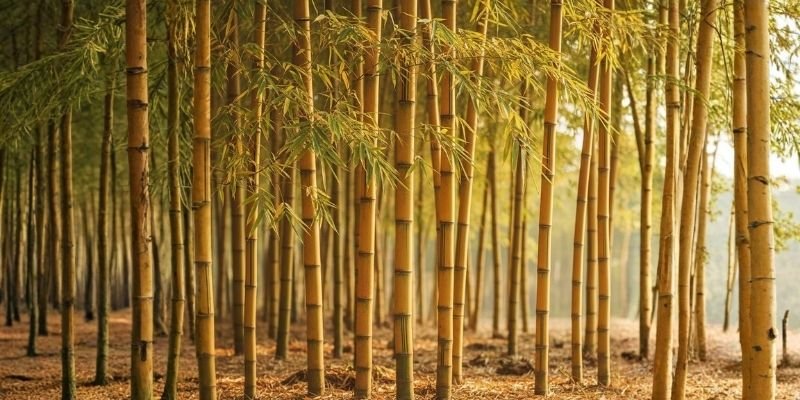
Golden bamboo has been a favorite in my garden for over a decade now. It’s not just about the looks—those bright culms that turn a golden hue as they mature make it stand out from other bamboos. Native to parts of Asia, it’s been introduced worldwide for its versatility in landscaping. Home gardeners love it for quick hedges, while landscapers use it to define spaces or block unsightly views. One thing I always tell beginners: it’s a running bamboo, so it spreads via underground rhizomes, which can be a blessing for filling in areas fast but a challenge if not managed.
What draws people to golden bamboo is its rapid establishment. In the right conditions, it shoots up new culms each spring, reaching impressive heights in no time. But don’t worry if you’re new to this—I’ll cover how to handle its energetic growth without it taking over your yard. Below, I’ve put together a simple table summarizing the key facts about golden bamboo. This is based on my hands-on experience and what I’ve seen work best in various setups.
Detail | Description |
Common Name | Golden Bamboo |
Botanical Name | Phyllostachys aurea |
Family | Poaceae (Grass family) |
Plant Type | Perennial evergreen bamboo |
Mature Size | Typically 15-30 feet tall, with culms 1-2 inches in diameter |
Sun Exposure | Full sun to partial shade; thrives with at least 6 hours of direct sunlight |
Soil Type | Well-drained, loamy or sandy soil; avoids heavy clay |
Soil pH | Slightly acidic to neutral (5.5-7.5) |
Growth Habit | Running (spreads via rhizomes) |
Growth Speed | Fast; can add several feet per year under ideal conditions |
Hardiness Zones | USDA 6-10; tolerates mild winters but needs protection in colder areas |
Native Area | Southeastern China |
Toxicity | Non-toxic to humans and pets; safe for family gardens |
This table gives you a quick snapshot, but remember, every garden is different. In my experience, golden bamboo adapts well, but paying attention to soil and sun makes all the difference in its growth rate.
Golden Bamboo Growth Rate Explained

When folks ask me about golden bamboo growth rate, I always start by saying it’s one of the speedier bamboos out there, but it depends on a few key factors. In optimal conditions, golden bamboo can shoot up 2-5 feet per year once established, with new culms emerging in spring and reaching full height in just a couple of months. That’s the magic of it—those fresh shoots can elongate up to a foot a day during peak growth! But don’t expect that right away; young plants might take a year or two to really take off.
Factors Affecting Golden Bamboo Growth Rate
Several things influence how fast your golden bamboo grows. Climate is huge—if you’re in a warm, humid area like zones 7-9, you’ll see the best golden bamboo growth rate. Cooler spots slow it down, and extreme cold can halt it altogether. Soil quality matters too; fertile, well-draining ground boosts rhizome spread and culm height. I’ve noticed that poor soil leads to stunted growth, so amending with compost helps a lot.
Water is another biggie. Golden bamboo loves consistent moisture but hates soggy roots—aim for about an inch of water weekly during dry spells. Sunlight plays a role as well; full sun accelerates growth, while shade might reduce the golden bamboo growth rate by half. Fertilizer can give it a nudge, but overdoing it invites problems like weak culms.
Differences Between Young and Mature Bamboo Plants
Young bamboo, say in its first couple of years, focuses on establishing roots, so the visible bamboo growth rate might seem slow at first—maybe just a foot or two annually. But once mature, around year three or four, it ramps up, sending out multiple new culms each season. Mature plants are hardier too, bouncing back from stresses better. In my yard, a young clump took time to fill in, but now it’s a robust screen that’s grown steadily without much fuss.
Understanding golden bamboo growth rate helps you plan—whether you’re a homeowner wanting a quick privacy barrier or a landscaper timing a project.
Bamboo Care (Season-Wise Care)
Caring for bamboo isn’t rocket science, but tuning it to the seasons keeps it healthy and maximizes that bamboo growth rate. I’ve learned this through trial and error in my own temperate climate garden, and I’ll share tips that work for most folks.
Spring Care for Bamboo
Spring is when bamboo wakes up with a bang. As temperatures climb above 50°F, new shoots emerge—keep an eye out and protect them from late frosts with mulch. Water deeply to encourage root growth, and apply a balanced fertilizer like 10-10-10 to fuel the bamboo growth rate. Mulch around the base to retain moisture and suppress weeds. If you’re in a windy area, stake young culms to prevent bending.
Summer Care for Bamboo
Summer heat cranks up the bamboo growth rate, so consistent watering is key—don’t let the soil dry out completely. I water mine every few days in hot spells, aiming for moist but not waterlogged conditions. Provide afternoon shade if it’s scorching to avoid leaf scorch. Check for pests like aphids, and prune any damaged culms to keep energy focused on healthy growth.
Monsoon / Rainy Season Care
In rainy seasons, bamboo thrives naturally with all that moisture, but watch for over-saturation. Ensure good drainage to prevent root rot, which can slow the bamboo growth rate. If flooding is an issue, mound the soil slightly. Trim excess foliage to improve air circulation and reduce fungal risks. In my experience, this is prime time for division if you want to propagate.
Winter Care for Bamboo
Winter slows everything down, and bamboo might drop some leaves in colder zones. Mulch heavily around the roots for insulation, and wrap young plants in burlap if temps dip below 20°F. Reduce watering since growth halts, but don’t let it completely dry out. Prune dead culms in late winter to prepare for spring’s burst.
Container-Grown Golden Bamboo Care
For those growing golden bamboo in pots—like on patios or balconies—choose large containers with drainage holes. Use a mix of potting soil and compost for nutrients. Water more frequently than in-ground plants, as pots dry out faster, but let the top inch dry between waterings. Repot every 2-3 years to accommodate the golden bamboo growth rate, and fertilize lightly in growing seasons. In winter, move indoors if freezes threaten. Containers limit spreading, which is great for beginners worried about invasiveness.
These seasonal tips have kept my golden bamboo healthy year-round, and they’ll do the same for you.
Types of Golden Bamboo & Related Bamboo Varieties
Standard Golden Bamboo (Phyllostachys aurea)
This is the classic, with its signature yellow culms. It has a solid golden bamboo growth rate, reaching 20-30 feet, and spreads moderately if contained.
Fishpole Bamboo (Phyllostachys aurea ‘Flavescens Inversa’)
A subtype with green stripes on yellow stems—similar golden bamboo growth rate but slightly taller, up to 35 feet. Less invasive in cooler climates.
Related Varieties: Black Bamboo (Phyllostachys nigra)
Not golden, but a close cousin with dark culms. Slower growth rate than golden bamboo, maxing at 20 feet, and less aggressive spreader—great for contrast in landscapes.
Related Varieties: Giant Timber Bamboo (Phyllostachys vivax)
Faster and taller than golden bamboo, hitting 40+ feet, but more invasive. Ideal for large spaces where quick height is needed.
These options let you mix and match based on your needs—golden bamboo strikes a nice balance for most gardeners.

Pruning & Controlling Golden Bamboo Growth
Pruning golden bamboo keeps it looking sharp and controls that enthusiastic golden bamboo growth rate. I do most pruning in late winter or early spring before new shoots appear.
Start by removing dead or damaged culms at ground level with sharp loppers— this encourages healthier growth. To manage height, cut culms just above a node; they won’t regrow taller from there. For density, thin out older culms every few years.
Controlling spread is crucial since it’s a runner. Install root barriers 2-3 feet deep around the planting area—I’ve used plastic sheeting with success. Mow or dig up escaping rhizomes promptly. Common mistakes? Pruning too late in the season, which stresses the plant, or ignoring barriers, leading to unwanted spread. Done right, you’ll have a tidy, vibrant stand.
Propagating Golden Bamboo
Propagating golden bamboo is straightforward, and division is my go-to method for quick results.
Step-by-Step Rhizome Division
- In spring or fall, dig around a mature clump to expose rhizomes.
- Select a section with 3-5 healthy culms and attached roots.
- Cut the rhizome with a sharp spade, ensuring each piece has buds.
- Replant in prepared soil, watering well.
- Mulch and keep moist for a few weeks until established.
This boosts your golden bamboo growth rate in new spots. Seeds are trickier and less reliable, so stick to division for beginners.
Golden Bamboo in Winter & Cold Protection
Golden bamboo handles mild winters well, but in zones 6-7, it needs extra care. Leaves may yellow and drop in cold snaps, but culms usually survive down to 0°F. The golden bamboo growth rate pauses, conserving energy.
For protection, pile mulch 6-8 inches deep over roots. In extreme cold, wrap the entire plant in frost cloth. Water sparingly to avoid ice damage. If potted, bring indoors to a cool spot. I’ve lost a few young plants to harsh winters, but with these steps, mature ones bounce back strong in spring.
Common Problems, Pests & Diseases
Even hardy golden bamboo can face issues, but catching them early keeps the golden bamboo growth rate on track.
Slow growth often stems from poor soil or insufficient water—test pH and amend as needed. Yellow leaves? Could be overwatering or nutrient deficiency; improve drainage and fertilize.
Pests like aphids suck sap, causing curling leaves—blast with water or use insecticidal soap. Spider mites thrive in dry conditions; increase humidity.
Fungal diseases, such as root rot from wet soil, show as wilting—remove affected parts and improve aeration. Bamboo mosaic virus is rare but serious; isolate and destroy infected plants.
Prevent with good spacing for air flow and avoid overhead watering. In my garden, regular checks nip most problems in the bud.
FAQs –
1. How fast is the bamboo growth rate? It varies, but expect 2-5 feet per year once established. In warm, moist conditions, new shoots can grow a foot daily in spring!
2. Is bamboo invasive? Yes, as a running type, it can spread if not controlled. Use barriers or plant in containers to manage it.
3. What’s the best soil for bamboo? Well-drained loamy soil with organic matter. Avoid clay-heavy spots to prevent root issues.
4. How much sun does bamboo need? Full sun for optimal bamboo growth rate, but it tolerates partial shade— just expect slower growth.
5. Can bamboo grow in pots? Absolutely! Use large pots and repot every few years. It’s great for patios and limits spreading.
6. Is bamboo good for privacy screens? Excellent! Its fast growth and dense foliage make quick, natural barriers.
There you have it—a complete guide to bamboo from someone who’s been there, done that. With these tips, your golden bamboo will flourish, providing beauty and function for years. Happy planting!