In This Article
For more than a decade, I’ve been tending to yucca plants in my desert garden, and the Banana Yucca has consistently been a favorite. Known scientifically as Yucca baccata, this resilient species originates from the arid hills and plains of the southwestern United States and northern Mexico. It’s a champion of endurance, producing compact rosettes of rigid, blue-green leaves, perfectly adapted to endure extreme heat and minimal rainfall.
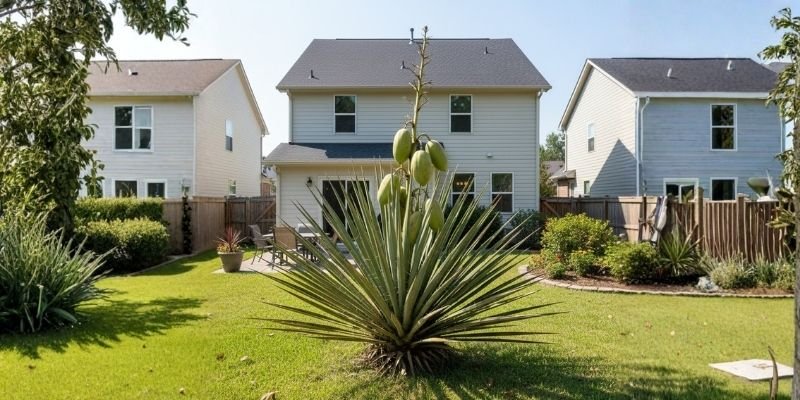
The Banana Yucca’s appeal as a drought-resistant plant lies in its captivating, sculptural appearance. It’s an ideal choice for any xeriscape garden and can serve as a striking focal point in a rock garden.
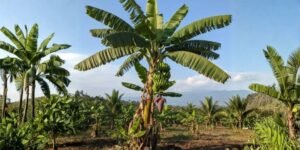
Then there are the edible fruits, which look like bananas and appear after the plant’s pale flowers. From what I’ve seen, it’s more than just a pretty sight. This plant is a tough one, needing very little care, which makes it perfect for gardeners who want a lot of visual appeal without a lot of fuss. If you’re gardening in a place like my old Arizona gardens, or somewhere with a similar climate, the Banana Yucca adds a touch of resilience and a bit of untamed beauty to your garden.
To give you a quick overview, here’s a handy table summarizing the key details about this plant based on what I’ve observed over the years:
Field | Details |
Botanical Name | Yucca baccata |
Common Name | Banana Yucca |
Plant Type | Perennial succulent shrub |
Mature Height & Spread | 3-5 feet tall, 4-6 feet wide |
Climate Tolerance | USDA zones 5-10; excels in arid and semi-arid regions, tolerates cold down to -20°F |
Sun Requirement | Full sun (at least 6-8 hours daily) |
Soil Type | Sandy, rocky, or gravelly; must be well-draining to prevent rot |
Water Needs | Low; drought-tolerant once established |
Maintenance Level | Low; minimal pruning and feeding required |
Bloom Time | Late spring to early summer |
Flower Color | Creamy white, bell-shaped |
Fruit | Edible, banana-like pods |
How to Care for Banana Yucca

Caring for a Banana Yucca isn’t rocket science, especially if you try to recreate its natural environment. I’ve had my share of these plants, cultivated in everything from pots to full gardens, and the secret is to keep it simple and let the plant take the lead. I’ll guide you through the entire process, step by step, based on my own experiences – the successes and the blunders – in dry conditions.
Step 1: Choose the Right Location
Locating the proper location for Banana Yucca is always my first consideration. Banana Yucca grows best in well-exposed areas with good air circulation, much like its native environment on desert slopes. In my own garden, I have found that south-facing slopes or planting in raised beds are the best options. This ensures that water does not collect, which would be a fatal blow during a rainstorm.
When living in a semi-arid region, it is best to avoid planting Banana Yucca in areas where water tends to collect or in the shade of trees, which could lead to stunted growth or fungal disease. For city dwellers, I have found that planting Banana Yucca near patios or driveways, where the heat reflected off the pavement simulates its preferred environment, is an effective strategy. It is essential to remember that Yucca baccata is a long-term commitment. This plant can live for many years, so it is necessary to provide it with sufficient room to grow without crowding out other plants.
Step 2: Provide Full Sun or Proper Light
Banana Yucca’s love affair with sunlight is undeniable; it’s the secret behind those striking leaves and their robust structure. From what I’ve seen, you really need to give it at least six to eight hours of direct sunlight each day if you want it to thrive. Without that, the plants tend to get spindly and produce fewer blooms, which kind of defeats the point of having one. If you’re in a warmer climate, like the ones I’ve dealt with, full sun helps it build up its drought tolerance. Just be careful not to let the young plants get burned during the hottest part of summer. For indoor or container care, put it near a south-facing window and give it a little turn now and then to keep it growing evenly. Light is absolutely key when you’re taking care of Banana Yucca; it’s what helps it develop that iconic rosette shape without stretching.
Step 3: Prepare Well-Draining Soil
Soil preparation often trips people up when it comes to Banana Yucca, but nailing it makes everything else easier. This plant absolutely hates wet feet. I always incorporate a good amount of sand, gravel, or perlite to ensure quick drainage. In my dry gardens, I’ve mixed native clay with these coarse materials, trying to replicate the rocky soils where the plant thrives. A 50/50 blend of sand or pumice usually does the trick.
Avoid those lush, organic-heavy soil mixes; they retain too much moisture and can lead to rot. While pH testing isn’t always essential, I’ve noticed Banana Yucca does well in soils that are slightly alkaline to neutral, roughly between 6.5 and 7.5. When getting ready to plant Yucca baccata, make the hole twice as wide as the root ball and add some grit at the bottom to improve drainage. It’s a straightforward method, and it’s helped many of my plants survive the winter.
Step 4: Planting Banana Yucca Correctly
Once your site is prepped, planting is straightforward, but doing it correctly is key to a healthy start. I lean towards spring or fall, steering clear of the extremes of summer and winter. The hole should be just deep enough to accommodate the roots without burying the crown; this is vital to ward off rot. If you’re planting in a group, space them four to six feet apart; I’ve found they spread through offsets over time. For container-grown Banana Yucca, select a pot with drainage holes and use a cactus mix. After positioning the plant, backfill carefully and compact the soil to remove any air pockets. Water lightly once, then allow it to settle. From what I’ve seen, transplanting mature Banana Yucca calls for gloves because of those sharp leaves, but the payoff is a plant that quickly acclimates and begins to thrive.
Step 5: Watering the Plant the Right Way
Watering Banana Yucca requires a light touch, a necessity for its drought-resistant character; too much water, and you’ll be sorry. When first planted, give them a good soaking once a week for the first month to help them get their roots down. After that initial period, I water mine every two to four weeks during dry spells, adjusting based on how much rain we’ve had. I rely on the “finger test”: poke your finger a couple of inches into the soil; if it’s dry, give it a deep drink, but not too often, to encourage those roots to go deep. In winter, stop watering altogether if the plant is dormant. I’ve witnessed rot caused by well-intentioned overwatering, so it’s best to err on the side of dryness when caring for Banana Yucca. For those in pots, make sure any excess water drains away completely—it’s all about finding the right balance in caring for Yucca baccata.
Step 6: Feeding and Fertilizing Sparingly
Banana Yucca is a plant that doesn’t demand much, which is why it’s a favorite of mine for gardens that need less upkeep. From my experience, a light touch with a balanced, slow-release fertilizer in the spring—a diluted version of something like 10-10-10—gives it a subtle lift without going overboard. Once a year is usually enough, and I apply it around the base, avoiding the crown. If your soil isn’t great, organic options like composted manure are fine, but skip it if your soil is already good to prevent overly vigorous, weak growth. I’ve seen the problems caused by salt buildup from over-fertilizing, especially in salty desert soils, so I always follow up with a good watering. When it comes to feeding Yucca baccata, a little goes a long way.
Step 7: Pruning and Removing Old Leaves
Pruning keeps Banana Yucca looking its best, but it’s not something you do all the time. I usually take off any dead or damaged lower leaves in late winter or early spring. I use sharp shears and wear gloves to protect myself from the spines. The goal is to cut close to the base without damaging the trunk. If the flower stalks start to die, I cut them off. This helps the plant redirect its energy, although leaving them can bring in birds. In my garden, this simple task stops pests from hiding in the debris and keeps the plant looking neat. Pruning also helps control the size of Banana Yucca in smaller spaces, but be careful not to cut too much, as it can stress the plant.
Step 8: Managing Pests, Diseases, and Stress
Pests haven’t really bothered me with Banana Yucca, though I keep an eye out for scale insects or mealybugs. A good blast from the hose or a neem oil spray usually does the trick. Root rot, however, is a different story; I’ve lost a few plants to it early on, so proper soil preparation is key. Extreme cold can cause the tips to brown, but a layer of gravel mulch provides some insulation. In drier areas, deer or rabbits might take a bite, and fencing has proven very effective. Ultimately, the best approach to keeping Banana Yucca healthy is regular monitoring and prompt action when problems arise, which helps it withstand the usual challenges.

Step 9: Long-Term Care and Seasonal Maintenance
Banana Yucca is a plant that pays off in the long run, requiring little fuss. During the summer months, a layer of rocks for mulch helps hold in moisture and keep weeds at bay. Come winter, young plants might need a burlap wrap to shield them from heavy snowfall. I’ve started new plants by separating offsets in the spring—just be gentle and replant them. Regular checks for pups or dividing the plant every few years help keep it healthy. As it grows, it may flower less if it’s too crowded, so thinning is sometimes necessary. In my semi-arid conditions, this consistent care for Yucca baccata keeps it a tough, reliable choice, thriving for years.
In summary, Banana Yucca is a remarkably easygoing and resilient plant, thriving with a good beginning and some periodic care. Stick to these guidelines, and you’ll cultivate a drought-tolerant gem, enriching your garden for years to come, much like the ones that have weathered droughts and freezes in my own yard.
FAQs –
1. Can Banana Yucca survive in containers long-term?
Indeed, I’ve successfully grown several in sizable pots for more than ten years. A broad, deep container, ideally 18 inches wide or more, is essential to support the root structure. To avoid soil compaction, replace the soil every three to four years. When caring for Banana Yucca in pots, good drainage is key. If your area experiences severe winter weather, bring them indoors if your hardiness zone is below 5. This approach is particularly effective for patios, where they provide vertical appeal without occupying valuable ground space.
2. Is the fruit of Banana Yucca really edible, and how do I harvest it?
Indeed, those banana-shaped pods are good to eat, and surprisingly delicious when cooked properly. I’ve roasted them over an open flame, and they develop a sweet, nutty taste, similar to yams. Pick them when they’re fully ripe, which is late summer, when their color shifts from green to a yellowish-brown. Gently twist them off the plant. A word of caution: the seeds inside are hard, so be sure to remove them before you eat the pods. And, of course, always harvest sustainably to avoid damaging the plant.
3. How do I propagate Banana Yucca from offsets?
Propagation is easy and often quite satisfying; I’ve done it myself numerous times to grow my collection. Come spring, gently dig around the base to find the pups. Carefully cut them away with a sharp knife, making sure each has some roots. Replant them in soil that drains well, and water them lightly until they’re settled in. This approach to caring for Banana Yucca produces clones that are just as resilient as the original, and they frequently bloom earlier than those grown from seed.
4. What should I do if my Banana Yucca’s leaves are turning yellow?
Yellowing leaves frequently indicate overwatering or inadequate drainage – something I’ve seen with denser soils. Inspect the roots for any signs of rot; if you find any, repot the plant in a drier soil mix. If the problem stems from a lack of nutrients, a gentle application of fertilizer could be beneficial, but only after allowing the soil to dry out thoroughly. Based on my experience caring for Banana Yucca, simply adjusting watering practices usually solves the issue without requiring any additional steps.
5. Does Banana Yucca attract wildlife to the garden?
Absolutely. The flowers are a magnet for pollinators, including bees and moths, and the seeds are a favorite of birds. I’ve seen hummingbirds flitting around my plants when they’re in bloom, which is a lovely sight. While this is a definite plus for Yucca baccata, a light netting can safeguard the fruits if deer are an issue.
6. How cold-tolerant is Banana Yucca really?
It’s remarkably resilient, enduring temperatures as low as -20°F in my experience. However, in regions with harsher winters, it’s wise to mulch the base for added protection. Wet winters present a greater challenge than extreme cold, so choose planting locations that are elevated. When it comes to Banana Yucca, plants that have been in the ground for a while recover from frost with surprisingly little leaf loss, even in semi-arid conditions.
7. Can I grow Banana Yucca indoors as a houseplant?
It’s doable, but a bit more challenging inside, primarily because of light requirements. I’ve had luck with bright sunrooms, though. To keep your Banana Yucca happy indoors, give it gritty soil, water sparingly, and ensure good airflow, mirroring its natural environment. Also, keep an eye out for spider mites, which can be a problem in dry air. If sunlight is scarce, consider using grow lights.
8. What’s the best companion plants for Banana Yucca in a xeriscape?
Pair it with other drought-tolerant plants, such as agave or sedum, to create a visually interesting texture; I’ve arranged beds this way to provide contrast. Steer clear of water-hungry perennials. Instead, choose native plants like penstemon. This combination, when paired with Yucca baccata, fosters a low-water ecosystem that flourishes.