In This Article
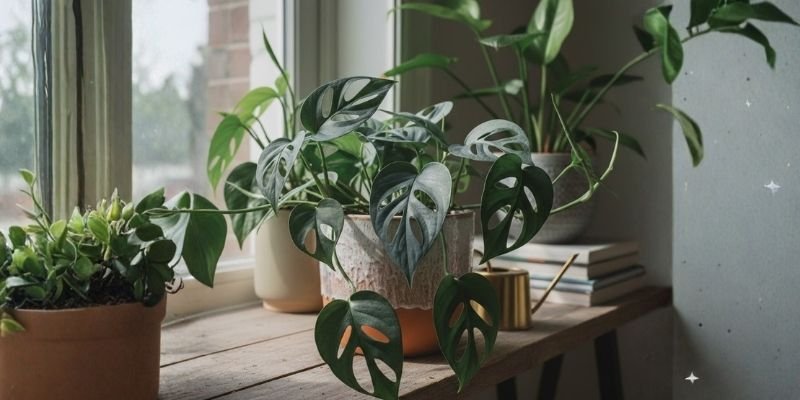
Hey, plant enthusiasts! Chances are, if you’re anything like me, you’ve been captivated by the enchanting realm of pothos plants. I’ve been nurturing these tropical wonders in my home for over fifteen years, and I have to say, the Baltic Blue Pothos has swiftly risen to the top of my list. This stunning variety is distinguished by its rich, almost metallic blue-green leaves, which develop those intriguing, natural splits, or fenestrations, as the plant ages—a bit like a miniature Monstera, but far simpler to care for.
This is a cultivated variety of Epipremnum pinnatum, a plant that originated in Southeast Asia but has been specifically developed for indoor living. The Baltic Blue Pothos is a favorite among both novice and experienced plant enthusiasts, and it’s easy to see why: it cleans the air, brings a sense of greenery to any space, and doesn’t require constant care. Whether you choose to display it in a macramé hanger or let it cascade down a shelf, this plant adds a touch of exotic charm without demanding a lot of effort. From what I’ve seen, it’s ideal for apartments or offices where light conditions might be less than perfect, and it’s a fantastic choice for anyone just starting out with indoor gardening.
To give you a quick snapshot before we dive into the nitty-gritty of Baltic Blue Pothos Care, here’s a handy table summarizing the basics about this plant based on what I’ve observed in my own collection.
Field | Details |
Botanical Name | Epipremnum pinnatum ‘Baltic Blue’ |
Common Name | Baltic Blue Pothos |
Plant Type | Perennial tropical vine |
Mature Size | Up to 10-20 feet long indoors |
Growth Habit | Trailing or climbing |
Light Requirement | Bright, indirect light; tolerates medium to low |
Soil Type | Well-draining potting mix |
Water Needs | Moderate; allow top 1-2 inches to dry |
Maintenance Level | Low |
How to Care for Baltic Blue Pothos

Caring for a Baltic Blue Pothos, I’ve discovered, is all about recreating its tropical home environment as best as you can, while still keeping things manageable for an indoor setting. I’ve propagated plenty of these beauties from cuttings right in my living room, and they’ve consistently rewarded me with robust growth and those eye-catching leaves. Let’s go through the entire process, step by step, as if I were explaining it to a friend just starting out with houseplants. I’ll share some lessons learned from my own experiences to help you sidestep the usual mistakes.
Step 1: Choose the Right Indoor Location
Choosing the perfect spot for your Baltic Blue Pothos is the first step in caring for this beautiful vine. From what I’ve seen, these plants thrive in warm, slightly humid conditions. A temperature range of 65-85 degrees Fahrenheit is ideal, which happens to be pretty typical for most homes. Be careful not to put it near drafty windows or air vents during the winter months. Cold drafts can lead to leaf drop; I’ve unfortunately lost a few young vines to this early on.
If your home tends to be dry, as mine does when the heat is on, you can easily increase humidity. Try placing your plant with others, or a pebble tray filled with water will do the trick. Consider where you’re putting it, too. Because it trails or climbs, a high shelf or hanging basket keeps it safe from curious pets and children. All in all, Baltic Blue Pothos is well-suited for living rooms and bedrooms. It benefits from the ambient moisture created by everyday life, making it a flexible option for any indoor space.
Step 2: Provide Ideal Light Conditions
Light is key when it comes to keeping Baltic Blue Pothos happy, and I’ve seen a real difference in their appearance since I figured it out. They thrive in bright, indirect light, similar to the filtered sunlight found beneath the trees in their natural habitat. I keep mine a few feet away from east-facing windows, so they get the gentle morning sun without the intense afternoon glare. Too much direct sunlight can damage those stunning blue leaves, causing them to yellow.
If your room isn’t flooded with light, don’t fret. Baltic Blue Pothos is pretty flexible, thriving in medium to low light, even if that means a slower growth rate and delayed fenestrations. I’ve tried using grow lights during the dark winter months, keeping them on for twelve hours a day, and it really helps the leaves stay vibrant. A quick rotation every couple of weeks will keep the plant from growing lopsided, and you’ll find it thriving as a regular part of your Baltic Blue Pothos care.
Step 3: Use a Well-Draining Potting Mix
The Baltic Blue Pothos relies heavily on its soil. Believe me, if those roots are submerged, the plant’s days are numbered. You need a potting mix that drains well, something that’s not too dense. A blend made for houseplants or aroids is a safe choice, preferably with components like perlite, orchid bark, or coco coir to keep the moisture from lingering. When I repot, I generally mix regular potting soil with extra perlite to get the texture just right; it should feel light and airy, not packed down, when you touch it.
Heavy garden soil is a no-go; it retains too much moisture, which isn’t ideal for your plant. When it comes to your Baltic Blue Pothos, shoot for a slightly acidic pH, somewhere around 6.0 to 6.5. This level of acidity is key for the plant’s nutrient absorption. When you repot, handle the roots gently and opt for a fresh potting mix. I’ve noticed that this simple adjustment can significantly benefit the plant, frequently triggering new growth each spring – a vital factor in maintaining the health of your Baltic Blue Pothos.
Step 4: Potting and Container Selection
Potting your plant correctly is essential for keeping your Baltic Blue Pothos healthy over time. From experience, I’ve found that the right pot simplifies care considerably. Opt for a container with drainage holes; terra cotta or plastic will do, though I lean toward glazed ceramic because it retains moisture without making the roots sit in water. Begin with a pot that’s 4 to 6 inches in diameter for young plants, and then move up a size every year or two as the roots expand. I have one that’s been in a 10-inch hanging pot for years now, and it’s trailing wonderfully.
For potting, start with a base of gravel or shards of old pottery to aid drainage. Next, add your potting mix and carefully position the plant, making sure to gently firm the soil around the roots, but don’t compact it excessively. Afterward, give it a light watering to help everything settle, and then return it to its original location. This particular step in caring for Baltic Blue Pothos helps keep the plant stable and prevents problems such as the plant tipping over as the vines lengthen.
Step 5: Watering the Plant Correctly
Watering seems simple enough, yet it’s a common stumbling block in caring for Baltic Blue Pothos. I, too, have overwatered a few in my early attempts, resulting in sad, mushy stems. The key is to allow the top inch or two of soil to dry out before thoroughly watering again. A quick finger test will do, or a moisture meter if you’re uncertain. Personally, I water every week to ten days during the summer months, and every two weeks in winter, when the plant’s growth naturally slows.
Use water at room temperature to prevent root shock. Always water until it drains from the bottom, then empty the saucer to avoid standing water. If you notice yellowing leaves, you might be overwatering, so cut back a bit. Baltic Blue Pothos is pretty forgiving if you underwater it; the leaves will droop as a warning. However, consistent, careful watering is key to keeping it healthy and preventing root rot, which is essential for successful Baltic Blue Pothos care.
Step 6: Feeding During the Growing Season
Fertilization is crucial for keeping Baltic Blue Pothos healthy, especially during its active growth phase, which usually runs from spring to fall. I’ve had good results using a balanced, water-soluble fertilizer, but I dilute it to half the suggested strength. I apply it every four to six weeks; a 20-20-20 formula works well. I’ve noticed that too much fertilizer can cause salt to build up and the leaf tips to turn brown. To avoid this, I flush the soil with plain water every few months.
Don’t worry about feeding your Baltic Blue Pothos in winter; it’s essentially dormant, just coasting along. For optimal care, blend organic matter like worm castings into the soil. This method offers a slow, steady release of nutrients. If you do it correctly, you’ll notice faster growth and a more vibrant blue hue. Consider it a little extra support, a kind of nutritional encouragement.
Step 7: Pruning, Training, and Shaping
Maintaining a healthy vine, as any Baltic Blue Pothos enthusiast knows, means regular pruning. I’ve managed to transform mine into real eye-catchers by carefully shaping them. The key is to use clean, sharp scissors. Snip those leggy stems just above a node; that’s where fresh growth will emerge. I typically prune in the spring, aiming for a fuller, bushier appearance. If the plant has become unruly, I might remove up to a third of it.
To train your plant, direct its growth along moss poles or trellises. My own plant ascends a wooden stake in the corner, effectively creating a living wall. You can propagate cuttings in water; I’ve successfully rooted countless ones this way, observing root development within a week or two before transferring them to pots. This aspect of Baltic Blue Pothos care not only manages the plant’s size but also revitalizes it, stopping it from becoming leggy—a key part of your ongoing Baltic Blue Pothos care routine.
Step 8: Managing Pests and Common Problems
Even with diligent care, pests can still appear on your Baltic Blue Pothos. I’ve seen enough to catch them before they become a real problem. Spider mites and mealybugs are the usual suspects, leaving behind webbing or those telltale cottony spots. A simple solution is to wipe the leaves with neem oil mixed with water—something I’ve safely done for years. If you’re dealing with leaf spot from too much humidity, a fan can really help improve air circulation. Yellowing leaves often point to overwatering, while brown edges suggest low humidity; misting can be beneficial, but don’t go overboard. My own routine for Baltic Blue Pothos includes a weekly inspection and quarantining any new additions. If rot takes hold, trim away the affected areas and repot in fresh soil—it’s saved several of my plants. Keeping a close eye on things makes Baltic Blue Pothos care simple and keeps your plant thriving.

Step 9: Long-Term Baltic Blue Pothos Care
For a thriving Baltic Blue Pothos, plan to repot every couple of years, or when you notice the roots starting to circle the pot. I’ve found early spring to be the best time, as it seems to cause the least disruption. As the plant matures, those distinctive fenestrations become more pronounced, a reward for those of us who stick with it. Propagation is a great way to grow your collection or share the love; I’ve done both, spreading this plant’s charm far and wide. Keep an eye on seasonal shifts—less water during dormancy, and more light if you can manage it. With time, caring for a Baltic Blue Pothos becomes second nature; mine have weathered moves, vacations, and even a power outage. With a little consistent care, your plant will be a lasting presence, brightening your space for years to come.
In conclusion, the Baltic Blue Pothos is a real find for anyone who wants a plant that doesn’t demand constant attention, provided you stick to the essential care guidelines. Its laid-back nature and striking foliage have made it a rewarding addition to my collection, requiring very little from me. It’s a perfect choice for those of us with a lot on our plates.
FAQs –
1. How should I repot my Baltic Blue Pothos?
Repotting a Baltic Blue Pothos doesn’t have to be a hurried affair. I’ve discovered that every couple of years, or when the roots start to show through the drainage holes or growth seems to slow, is ideal. Select a pot that’s only slightly larger; this prevents the roots from becoming overwhelmed. A fresh soil mix also gives the plant a much-needed nutrient infusion. Personally, I find spring the perfect time. I carefully loosen the root ball and add fresh potting mix. It’s almost like a spa treatment, and the result is often a surge of new vines.
2. Is Baltic Blue Pothos safe around pets?
Baltic Blue Pothos is undeniably a beautiful plant, but it’s wise to remember its mild toxicity to pets. If your cat or dog decides to munch on it, they might experience some mouth irritation or an upset stomach. To avoid any worries, I’ve placed mine out of reach, either high up or in areas where pets aren’t allowed. If you have inquisitive pets, consider hanging baskets or shelves; it’s always better to be cautious when it comes to your plants.
3. Why the leaves on my Baltic Blue Pothos turning yellow?
Yellowing foliage frequently afflicts Baltic Blue Pothos, a condition I have personally observed subsequent to excessive irrigation. It is prudent to evaluate the soil’s moisture level and allow for a more protracted drying interval between watering sessions. Additional factors that may contribute to this problem include overexposure to direct sunlight or nutrient inadequacies; adjusting light exposure and applying a diluted fertilizer can prove advantageous. From my experience, promptly removing the affected areas and addressing the underlying issue generally promotes a relatively rapid restoration of the plant’s health.
4. Can Baltic Blue Pothos grow in low light?
Baltic Blue Pothos are quite forgiving when it comes to light. My own plants have thrived in less-than-ideal conditions, such as hallways, though the growth rate is noticeably slower, and the leaves may remain smaller and lacking those signature fenestrations. Ideally, you’ll want to provide them with bright, indirect light. However, if your space is on the darker side, a grow light can make all the difference. I’ve successfully revived plants from dimly lit offices, and with a little time, they adjust remarkably well.
5. How do I encourage fenestrations in Baltic Blue Pothos?
Fenestrations, those lovely splits, appear as your Baltic Blue Pothos matures. I’ve noticed that giving them something to climb, like a moss pole, really accelerates the process, since it mimics how they naturally grow. Bright, indirect light and regular feeding also play a role. My own plants began to split after about a year of proper care. Don’t rush it; those splits are a good sign, a mark of a healthy, aging plant.
6. What’s the best way to propagate Baltic Blue Pothos?
Propagation is a real pleasure with Baltic Blue Pothos. I take cuttings, four to six inches long, making sure each has a node. These go straight into water, and within a week or two, roots start to form. I refresh the water every few days to keep things clean, and once the roots reach about an inch, it’s time to pot them up. My windowsills are overflowing thanks to this method; it’s free and incredibly rewarding, particularly when I can share the plants with friends.
7. Does Baltic Blue Pothos need high humidity?
Not always, though. Baltic Blue Pothos seems fine with the typical home humidity of 40-50%, but I’ve noticed they thrive with a little extra moisture. A humidifier or a spot in the bathroom works wonders. If the leaf edges start to brown, a quick misting or a pebble tray filled with water can help. This simple adjustment has kept my leaves looking their best, even in a dry climate, and it doesn’t require a lot of extra effort.
8. How do I deal with leggy growth in Baltic Blue Pothos?
Leggy stems are a sign of inadequate light when it comes to caring for Baltic Blue Pothos. I’ve dealt with this by pruning back to the nodes and relocating my plant nearer to a window, which has resulted in much bushier growth. Using supports to train the vines has also worked wonders, transforming my once-straggly plants into compact, attractive specimens. A little regular pinching encourages fullness, too—simple adjustments I’ve learned over the years.