
In This Article
I’ve always been drawn to plants that make a strong impression without being high-maintenance, and bear’s breeches is a prime example. If you’ve strolled through a mature garden in the southern or coastal United States, you’ve likely seen this eye-catching perennial making its presence known. Bear’s breeches, with its large, glossy leaves that can reach two feet wide, adds an almost structural quality to any garden bed or border. The leaves are deeply lobed and shiny, evoking the designs of ancient Greece; in fact, they’re the very inspiration behind the acanthus leaf patterns found on classical columns.
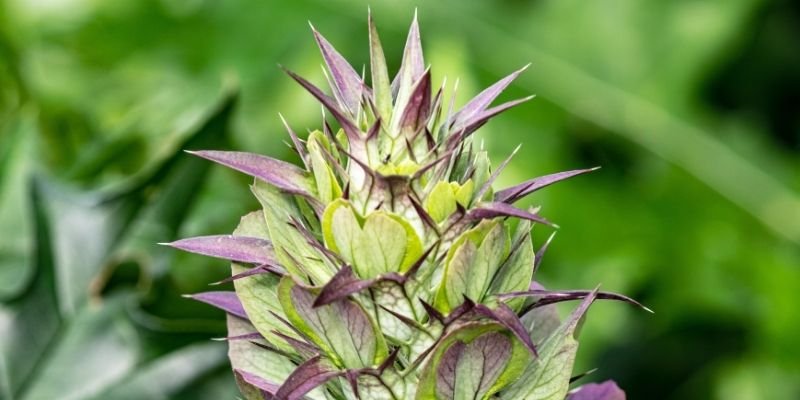
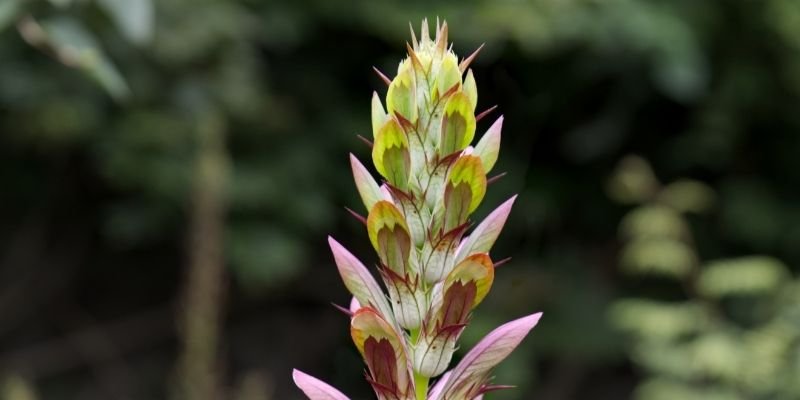
Then, tall flower spikes emerge, reaching for the sky in late spring and summer. These elegant towers of white and purple blooms are held aloft by green bracts. It’s easy to see why bear’s breeches are a favorite in American gardens, from California to the Carolinas. It brings a dramatic, sculptural quality to shady areas and mixed borders, flourishing where other plants might falter in the heat or during dry spells, once it’s settled in. Over the past fifteen years, I’ve worked in gardens spanning zones from the humid Southeast to the drier Southwest, and I’ve watched this plant work its magic, turning a dull spot into something truly striking, all while requiring relatively little effort from busy homeowners.
To give you a quick overview before we dive into the how-to, here’s a handy table summarizing the key details on bear’s breeches:
Botanical Name | Acanthus mollis |
Common Names | Bear’s breeches, bear’s britches, oyster plant |
Plant Type | Herbaceous perennial |
Mature Height & Spread | 3-5 feet tall (up to 6 feet in bloom), 2-3 feet wide |
USDA Zones | 7-10 |
Sun Requirement | Full sun to partial shade |
Soil Type | Rich, well-draining, fertile |
Water Needs | Moderate; drought-tolerant once established |
Bloom Season | Late spring to summer |
Maintenance Level | Low to moderate |
How To Plant And Care For Bears Breeches In USA
Growing bear’s breeches in your garden here in the States isn’t complicated, provided you understand the fundamentals and take it from there. I’ve put in a fair number of these plants over the years, in all sorts of climates, from the relatively mild winters of Zone 8 in Texas to the hotter summers of Zone 9 California. They’ve consistently given me that desirable, tropical feel. Let’s go through the process, step by step, covering both planting and long-term care.
Step 1: Choose the Right Garden Location
Choosing the right location for your bear’s breeches is key, as this perennial prefers to establish itself and spread. From what I’ve seen, bear’s breeches does best in partial shade, particularly in the hotter areas of the USA, such as the Southwest or Southeast, where the intense afternoon sun can damage those large leaves. Look for a spot that receives morning sun and some light filtering through later in the day—perhaps beneath a light tree canopy or on the east side of your home. If you’re in cooler regions of the USA, like Zone 7 in the Midwest or the Pacific Northwest, full sun is acceptable, provided it’s not excessively hot.
Avoid deep shade, as you’ll lose out on the stunning flower spikes. And don’t forget about wind protection; those tall stems can easily be damaged in breezy spots. I’ve found that planting bear’s breeches near fences or walls, which provide some shelter, works wonders. It also helps prevent winter damage in areas where they’re borderline hardy.
Step 2: Prepare Rich, Well-Draining Soil
Soil preparation can be a stumbling block for many, but it’s the key to ensuring your bear’s breeches thrive for years. This plant favors a rich, loamy soil, brimming with organic material. You want something that retains moisture without becoming waterlogged; root rot is a genuine threat in areas with poor drainage. In my experience, across various gardens in the United States, I’ve always enriched clay-heavy soils with compost or well-rotted manure to improve drainage, particularly in the Southeast, where rainfall is abundant. Conversely, if your soil is sandy, as in parts of Florida or Texas, incorporating peat moss or leaf mold will help retain nutrients.
If you can, check the pH; bear’s breeches prefer a slightly acidic to neutral range, roughly 6.0 to 7.0. Prepare the planting area by digging down 12 to 18 inches, incorporating a few inches of organic matter. I usually add a slow-release granular fertilizer at this point, which gives the roots a subtle advantage without overdoing it. And don’t forget, in the drier areas of the U.S., improving the soil’s ability to retain moisture is crucial to reduce the need for frequent watering down the line.
Step 3: Selecting Healthy Bear’s Breeches Plant Divisions
When you’re looking to get bear’s breeches, I suggest beginning with divisions or transplants instead of seeds. They get going quicker and provide that immediate effect. Check out your local nurseries for sturdy plants. Look for ones with shiny, dark green leaves that aren’t spotted or yellowing, and a root system that’s not all tangled up in the pot. From my own gardening experience, I’ve divided clumps from friends’ gardens in early spring. It’s the best time because the plant spreads through rhizomes. Pick divisions that have a few strong shoots and healthy roots. Steer clear of anything that looks wilted or has pests.
For gardeners in the U.S. who fall within Zones 7-10, the ideal time to plant is either in spring or fall. This timing helps plants establish roots before the heat of summer sets in. When purchasing bear’s breeches, whether online or at a big box store, check for firm crowns; this is where the roots and stems converge. You’ll sometimes see them labeled as “bears britches,” but it’s the same resilient perennial. Starting with healthy plants makes caring for bear’s breeches significantly simpler later on.
Step 4: Planting at the Correct Depth and Spacing
Getting bear’s breeches established starts with a good planting technique. The hole should be double the width of the root ball, but the same depth. This way, the crown of the plant will be level with the soil. Planting too deep can lead to rot, a particular risk in the humid conditions of the southeastern United States. Believe me, I’ve experienced this firsthand during Georgia’s spring rains! When you transplant, carefully separate any roots that are circling. Then, position the plant and backfill with your prepared soil, pressing it down to remove any air pockets. Space them out two to three feet apart to accommodate their eventual size; they’re known to spread.
In my landscape designs, I frequently use bear’s breeches, arranging them in threes to create a striking architectural statement. After planting, a gentle watering is all that’s needed to help the soil settle. When dividing, the rhizomes should be spread out horizontally, just beneath the surface. This particular step is crucial for the successful establishment of bear’s breeches, regardless of the soil type, whether it’s the sandy coastal soils or the heavier inland clays found throughout the USA.
Step 5: Watering After Planting for Root Establishment
Immediately after planting, keeping the soil consistently moist is key to establishing those roots, though you don’t want to overdo it. I typically give them a deep watering once or twice a week for the first month, trying to keep the soil damp, like a sponge that’s been squeezed out—roughly an inch of water per session. In the drier regions of the United States, such as the Southwest, a 2-3 inch layer of mulch, whether it’s bark or leaves, around the base will help retain moisture and keep weeds at bay. Once they’re settled in, usually within 4-6 weeks, bear’s breeches become fairly drought-resistant, which is a real advantage in areas with limited water resources.
Watering should be prompted by wilting, though excessive moisture can result in lanky, weak growth. Based on my experience caring for bear’s breeches in the rainy Pacific Northwest, I’ve found that I can often forgo additional watering entirely after planting. The key is to promote robust root development, avoiding the encouragement of shallow roots.
Step 6: Feeding and Soil Enrichment
Caring for bear’s breeches isn’t overly demanding, but a bit of attention to their diet pays off in those impressive foliage and flower spikes. I use a balanced, slow-release fertilizer when the new growth begins in early spring—something like a 10-10-10 granular mix, worked into the topsoil. For a more natural approach, I prefer organic options like compost tea or fish emulsion, particularly in beds near vegetables. In the nutrient-deficient soils found in the USA, such as those in the Rockies or along sandy coasts, a mid-summer feeding helps support the blooming process. It’s best to avoid high-nitrogen fertilizers, which encourage leaf growth at the expense of flowers. Over the years, I’ve enriched the soil annually with homemade compost, keeping bear’s breeches healthy without resorting to chemicals. This practice in bear’s breeches care prevents yellowing and ensures their striking presence year after year.
Step 7: Pruning, Deadheading, and Seasonal Cleanup
Pruning bear’s breeches keeps things looking sharp and helps the plant maintain its shape. Once the flowers have faded, I trim the spent spikes right down to the base. This prevents them from self-seeding and allows the plant to focus its energy on the leaves. Of course, leaving a few spikes for the wildlife is perfectly acceptable if spreading isn’t a concern. In the fall, I remove any leaves that are damaged or turning yellow. I don’t usually cut the whole plant back unless it’s looking particularly untidy. For those of us in colder zones, like zone 7 in the U.S., a light tidy-up in late winter is all that’s needed. Deadheading during the summer bloom period can also help to prolong the flowering, and I simply snip just above a leaf node. Seasonal cleanup means raking away any fallen debris to help keep pests at bay. From my own experience, this minimal pruning approach makes bear’s breeches a low-maintenance winner in any garden.
Step 8: Managing Pests, Diseases, and Spreading Growth
Bear’s breeches, while resilient, aren’t without their quirks. Slugs and snails find the young foliage irresistible, so I set out beer traps or sprinkle diatomaceous earth in the moist Southeast. Powdery mildew can surface in humid conditions where air circulation is poor—spacing the plants appropriately and watering at the base helps prevent it. Those rhizomes have a tendency to spread, so I either install root barriers or divide them every three to four years. Dividing also keeps things in check and provides me with free plants. Diseases are uncommon if the drainage is good; just keep an eye out for root rot during those wet winters. All in all, bear’s breeches care here is about prevention, ensuring healthy, non-invasive growth.
Step 9: Long-Term Bear’s Breeches Care and Maintenance
Bear’s breeches, over time, repays steady care with little fuss. A yearly layer of mulch helps retain moisture and shields the roots from the shifting temperatures across the United States. This is particularly important during Zone 7 winters, where a generous covering prevents frost damage. To keep things fresh, divide the clumps that have become too crowded every few years in the spring. If the leaves begin to burn in the heat of summer, a bit of shade cloth can make a difference. I’ve watched bear’s breeches flourish for ten years with just these simple steps, bringing a striking texture to any garden. Keep an eye on nutrient requirements and tweak them according to your local conditions; salt tolerance is a definite advantage if you’re near the coast. Consistent attention ensures your bear’s breeches plant remains a dependable perennial.
To sum it up, bear’s breeches is an excellent option for gardeners across the USA who want a striking, easy-care perennial that adds architectural flair to areas with some shade or partial sun. Its dramatic foliage and impressive flowers instantly enhance any garden, and once it’s settled in, it demands very little.
FAQs –
1. How can I prevent bear’s breeches from spreading too aggressively in my garden?
Bear’s breeches, as it turns out, can be a bit of a spreader, thanks to its underground rhizomes. This is fantastic for quickly covering up empty patches, but it can become a headache in smaller garden beds. I’ve found that the best approach is to keep it contained. A raised bed with some sort of edging buried in the ground works well, or even large pots on a patio. Every three or four years, dig up the clumps in early spring and divide them. Replant only what you want to keep, and give away the rest. In the milder winters of the USA, particularly in Zone 9, the spreading can be more aggressive, so keep an eye on it. And don’t overdo the fertilizer; that just encourages the runners. A moderate feeding is all that’s needed.
2. What winter care does bear’s breeches need in colder USA zones?
In Zones 7-8, where the chill of winter can bite, bear’s breeches might shed its leaves, though the roots are tough. I always mound 4-6 inches of mulch – straw or leaves work well – around the crown after the first frost to keep the roots from being pushed up. If you’re in a place that gets heavy snow, like some parts of the Midwest, trim back the dead leaves in late fall to stop rot from setting in. When spring arrives, take the mulch away a bit at a time as the weather warms. I’ve managed to keep them alive this way without any extra fuss, but during particularly cold snaps, wrapping the base in burlap gives me some extra reassurance.
3. Why isn’t my bear’s breeches flowering, and how can I fix it?
If your bear’s breeches isn’t putting out blooms, consider the possibility of insufficient sunlight or its relative youth. When newly planted, these plants often prioritize root development. From what I’ve seen in my own gardens, they seem to thrive on at least four to six hours of sun each day to produce good flower spikes. If you can, try relocating them to a sunnier spot. Nutrient imbalances can also be a factor. Too much nitrogen, for instance, can lead to more foliage and fewer flowers. A phosphorus-rich fertilizer applied in the spring can help. Furthermore, dry spells during the bud formation stage can prevent blooming, so consistent moisture is important. Above all, be patient. In the right conditions, mature plants in the USA typically begin to flower reliably after two or three years.
4. Are there good companion plants for bear’s breeches in USA landscapes?
Bear’s breeches really shine when paired with shade-tolerant plants that play off its striking presence. I find it works wonderfully with hostas, offering a nice contrast in texture, or with ferns, which create a lovely woodland effect in Southeast gardens. If your garden gets more sun, consider mixing it with salvias or echinacea to attract pollinators. To keep everything looking balanced, try adding astilbes or heucheras toward the front. In the drier areas of the Western USA, yarrow or sedums can be good companions, helping with drought resistance. Just be mindful of your plant choices; they should all prefer similar moisture levels to prevent any one plant from overshadowing the others.
5. Is bear’s breeches toxic to pets or children?
Bear’s breeches, though not especially poisonous, can lead to a bit of a stomach ache if eaten, thanks to its sap, which could also cause skin irritation. In my own gardens, designed with children in mind, I’ve kept it away from play zones. However, it’s usually fine around pets, such as dogs, who might be tempted to sample a leaf or two. A good rule of thumb is to wear gloves when you’re handling it, just to be safe and avoid any rashes. For families in the U.S. with kids or pets, it’s wise to choose non-toxic plants if you’re worried, but really, it’s not a plant to lose sleep over, especially when you consider the dangers of something like oleander.
6. How do I propagate bear’s breeches successfully at home?
Root cuttings and division are straightforward methods of propagation. Come early spring, simply uproot a robust clump. Then, slice off 4-6 inch root sections, making sure they have buds. Plant these horizontally in pots filled with damp soil. Keep them warm and out of direct sunlight until you see shoots. This method has yielded an 80% success rate for me. If you’re dividing, use a sharp knife to separate the rhizomes, making certain each piece has both roots and some foliage. Fall is a good time for this in the milder regions of the United States. While seeds are option, they take more time. If you’re going that route, start them indoors during the winter months for a summer planting.
7. What common mistakes should I avoid with bear’s breeches care?
Overwatering is a major issue; bear’s breeches simply can’t stand soggy soil, which can lead to rot, especially in poorly drained American soils. Planting too deeply, on the other hand, buries the crown and stunts the plant’s development. If you don’t divide them, they’ll become overcrowded and weak. In hotter regions, forgoing mulch can cause stress. And finally, expecting young plants to bloom immediately is a recipe for disappointment; patience is key. Based on my own experiences in the garden, I’ve found that proper site preparation is the best way to avoid most of these problems.
8. Does bear’s breeches attract pollinators or wildlife?
Indeed, those towering spikes are a summer magnet for bees, butterflies, and hummingbirds, turning gardens across the USA into pollinator havens. The blossoms offer nectar, and the seeds sustain birds when the season shifts. In my wildlife-friendly designs, it boosts biodiversity effortlessly. A word of caution, though: deer sometimes nibble on the young leaves, so a fence can be a smart move in more rural settings.