In This Article
Hello, fellow garden enthusiasts! If you’ve ever strolled through a lively perennial border and noticed those tall spikes of tubular flowers alive with bees and hummingbirds, you’ve likely met Beardtongue. Also known as Penstemon, this plant has been a go-to in my garden for more than ten years, offering vibrant color from late spring to summer, and it doesn’t require a lot of attention. What I appreciate most about Beardtongue is its blend of effortless beauty and genuine hardiness—ideal for those of us who want striking blooms without dedicating endless hours to demanding plants. In this comprehensive guide, I’ll share everything I’ve discovered from years of growing Penstemon in various locations around my yard, from sun-drenched slopes to mixed beds, to help you achieve larger, more vivid flowers with minimal effort.
To kick things off, here’s a quick overview of Beardtongue’s key traits in a handy table. I’ve pulled this together based on my experiences with different varieties across USDA zones.
Botanical Name | Penstemon spp. |
Common Name | Beardtongue |
Plant Type | Perennial herb |
Mature Height & Spread | 1-4 feet tall, 1-2 feet wide |
Bloom Colors | Pink, purple, red, white, blue |
Sun Requirement | Full sun (6+ hours daily) |
Soil Type | Well-draining, loamy or sandy |
Water Needs | Moderate to low (drought-tolerant once established) |
USDA Zones | 3-9 (variety dependent) |
Maintenance Level | Low to moderate |
What is Beardtongue (Penstemon)?
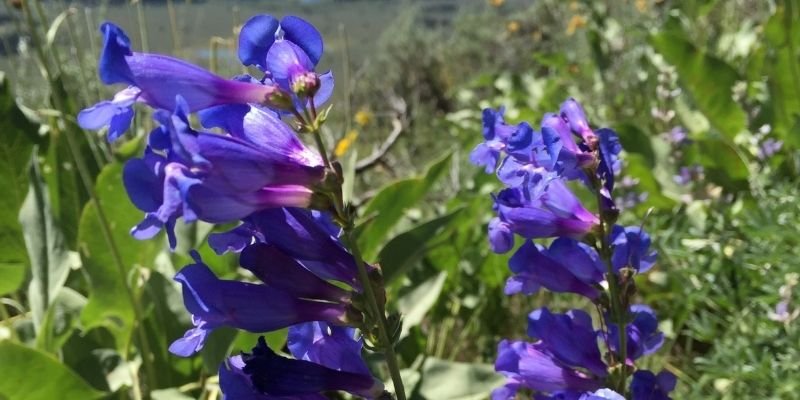
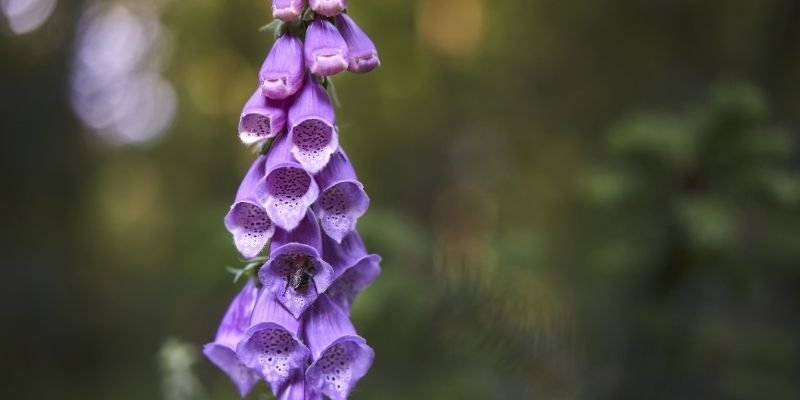
Beardtongue, known scientifically as Penstemon, is a perennial plant native to North America, belonging to the plantain family. In my own garden, I’ve watched these plants flourish, forming upright clumps adorned with lance-shaped leaves. These leaves remain semi-evergreen, even in gentler winters. The real spectacle, however, is the flower spikes. These tall, slender stems are packed with blooms that resemble snapdragons. Inside the throat of each flower, a fuzzy “beard” is present, which is the origin of their common name.
Penstemon species show a lot of variety, though most tend to form bushy clumps, sometimes reaching four feet tall. They spread modestly, never becoming a nuisance. From my own experience, Beardtongue begins to flower in late spring, and if the weather cooperates, it can continue into early autumn, drawing in pollinators with ease. It’s remarkable how these plants have evolved to thrive in rocky, arid environments, which is why they’re so resilient in gardens.
Why Grow Beardtongue (Penstemon)
Adding Beardtongue to your garden feels a bit like inviting a reliable friend who always shows up with a gift. Penstemon, for one, is a pollinator’s paradise; I’ve watched hummingbirds and butterflies turn my plants into a bustling focal point. Once it’s settled in, it’s surprisingly drought-tolerant, which has saved me from a lot of watering when the heat is on. Plus, the long blooming period means months of color without the hassle of replanting every year, and its easy care makes it ideal for beginners or anyone with a packed schedule.
Cultivating Penstemon has, in my experience, a positive impact on soil quality, even when the circumstances aren’t perfect. Their deep, sprawling roots act as a natural barrier against erosion. Plus, a significant advantage: deer tend to leave them alone, sparing your plants from their grazing. If you’re after a garden that flourishes with minimal effort, Beardtongue is a strong contender.
Seasonal Care Calendar
To keep your Penstemon thriving year-round, I’ve found it helpful to follow a seasonal routine. Here’s a simple table outlining the key tasks based on what I’ve done in my own garden over the years.
Season | Key Tasks |
Spring | Clean up winter debris, divide overcrowded clumps, apply mulch, fertilize lightly, watch for new growth and water if dry. |
Summer | Deadhead spent blooms, provide occasional deep watering during droughts, monitor for pests, enjoy the flowers. |
Fall | Cut back stems after frost, add compost around base, plant new divisions, reduce watering as dormancy sets in. |
Winter | Leave foliage for protection in cold zones, mulch heavily if freezes are expected, plan for spring divisions. |
How to Grow and Care for Beardtongue (Penstemon)
Successfully cultivating beardtongue hinges on replicating its preferred conditions. After some trial and error in my own garden, I’ve developed a straightforward method that consistently produces those impressive blooms. Here’s how I do it.
Step 1: Choose the Right Location
Selecting the right location for your Penstemon is essential, a lesson I learned the hard way after moving a few that didn’t thrive. Beardtongue needs full sun—at least six hours daily—to generate those impressive flower spikes. In my experience, plants in partial shade became leggy and produced fewer blooms. I now always choose south-facing beds or open spaces, far from tree cover. Also, think about wind protection; although they’re tough, strong winds can easily knock over the taller varieties. In hotter regions, some afternoon shade can prevent scorching, but overall, sunlight is the secret to robust, colorful Penstemon.
Step 2: Prepare Well-Draining Soil
Soil preparation has often been the difference between a thriving Beardtongue patch and a failed one. These plants are not fans of soggy roots, so the key is to establish excellent drainage to prevent root rot. I begin by testing the soil; a pH between 6.0 and 7.5 is ideal, leaning slightly acidic to neutral. If your soil is heavy clay, incorporate ample organic material such as compost or grit. In sandy areas, adding humus helps retain moisture. From what I’ve seen, raised beds are incredibly effective for Penstemon in yards with poor drainage, allowing water to disperse rapidly after rainfall.
Step 3: Planting Beardtongue Correctly
Timing and technique are key when planting, especially if you want things to take hold. I usually go for spring or fall transplants; this gives the roots a fighting chance before the weather gets rough. I dig holes that are twice the width of the root ball, and I space the plants about a foot to a foot and a half apart to allow for good air flow. The crown should be right at soil level—planting too deep can lead to problems. Once the hole’s filled in, I gently tamp down the soil and give it a good soaking to get rid of any air pockets. From what I’ve seen, starting with healthy nursery plants instead of seeds gets things blooming faster, transforming new Beardtongue beds into vibrant displays by the first summer.
Step 4: Watering for Strong Roots
Watering Penstemon correctly sets the stage for robust roots, which in turn thrive during periods of drought. After planting, maintain consistently moist soil for the initial weeks. However, once the plant is settled in, Beardtongue appreciates less frequent, more substantial watering rather than daily light applications. I’ve observed that too much water weakens the stems, so I allow the top inch of soil to dry out before the next watering. In my area, a deep watering once a week during the hottest summer months is sufficient, encouraging both resilience and larger flowers without creating a reliance on constant moisture.
Step 5: Feeding and Fertilizing
Fertilizing Beardtongue isn’t a heavy-handed affair; these native plants thrive on a lighter touch. I use a balanced, slow-release fertilizer in early spring to get things going, steering clear of those high-nitrogen formulas that prioritize leaves over blooms. An annual top-dressing of compost gives them a natural nutrient boost, without the worry of burning the roots. From what I’ve seen, Penstemon that gets too much food tends to flop, so I don’t bother with any mid-summer feedings unless the plants appear pale. This way, all their energy goes into producing those beautiful flowers.
Step 6: Pruning and Deadheading
Pruning is a game-changer, keeping them neat and extending their bloom period – a practice that’s proven incredibly beneficial in my own garden. To deadhead, simply trim the spent flower spikes just above a set of leaves; this prompts the plant to produce side shoots and rebloom. Come autumn, I cut back the plants to their basal foliage after the first frost. However, I leave a few stems standing for winter interest and to offer some protection. A light shearing in early spring, before the new growth begins, removes any dead material and gives the clump a fresh start. This consistent care has effectively doubled the blooming period for my Beardtongue, transforming them from a one-season display into a prolonged show.
Step 7: Managing Pests and Diseases
Healthy plants are seldom troubled by pests or diseases, though a watchful eye is always beneficial. I’ve encountered aphids, those tiny invaders, congregating on fresh shoots. A forceful spray from the hose or a treatment with insecticidal soap does the trick, without resorting to harsher chemicals. Fungal problems, such as powdery mildew, can appear in damp, overcrowded conditions. To prevent this, make sure your plants have ample space and good air circulation. The most significant danger is root rot, which thrives in waterlogged soil. The best defense is to ensure proper drainage. From what I’ve seen, resilient Beardtongue recovers swiftly with prompt attention, helping to maintain a naturally pest-free garden.
Step 8: Seasonal Maintenance
Seasonal maintenance keeps your thriving all year. In spring, clear away the mulch and look for any divisions that need attention. Summer is all about watering and deadheading. Come fall, it’s time to mulch around the bases to protect them, and winter calls for little more than a quick check now and then. I’ve followed this seasonal routine, and I’ve seen my Beardtongue clumps grow larger and produce more blooms each year as a result.
Step 9: Long-Term Care for Bigger Blooms
Long-term success with those sprawling blooms requires more than just the fundamentals; it’s about making adjustments. I apply mulch each year to keep weeds at bay and conserve water, and I switch up the plant varieties to keep things interesting. Every few years, I add soil amendments to replenish the nutrients, and I divide the plants every three to four years to avoid overcrowding. Through these hands-on techniques, I’ve noticed that Penstemon plants produce twice as many flowers when I plant them alongside drought-resistant companions, which creates little microclimates that improve their overall health and the size of their blooms.
Best Beardtongue (Penstemon) Varieties
Over the years, my garden has seen a wide array of Penstemon, but some cultivars have truly distinguished themselves, both for their dependability and the impact they make. ‘Husker Red’ is a perfect illustration, boasting burgundy leaves and delicate white-pink blooms. This variety typically grows to a height of two to three feet and flourishes in zones 3-8. If you’re after a burst of color, ‘Dark Towers’ is a fantastic choice. Its deep purple stems and lavender flowers create a striking visual effect, ideal for adding drama to any border.
‘Electric Blue’ certainly delivers, with its vivid blue spikes adorning compact plants, perfect for gardens with limited space. ‘Firebird’ presents vibrant red flowers, a favorite of hummingbirds, and ‘Prairie Dusk’ offers delicate purple tones on drought-tolerant clumps. Every variety has its unique charm, yet they all share a well-earned reputation for being easy to care for.
Beginner Mistakes to Avoid
Beardtongue can be a stumbling block for new gardeners, but the solutions are simple. A frequent mistake is placing them in the shade, which results in fewer flowers. The fix? Move them to a sunnier location. Overwatering is another problem, as it can suffocate the roots. Instead, water deeply but less often to help them develop a better root system. If you don’t deadhead, the blooms won’t last as long, so make it a regular practice to extend the flowering period. Poor soil drainage can also be an issue, leading to rot. Amending the soil with grit or raising the garden beds can help. Finally, if you don’t divide the plants, the clumps can become weak. Splitting them every few years is a good way to keep them healthy. I’ve made these mistakes myself, but correcting them transformed my Penstemon into the stars of my garden.
Landscaping Ideas
Beardtongue, a favorite of mine, excels in a variety of settings. In borders, try pairing Penstemon with salvias and echinacea; the result is a vibrant pollinator paradise. Their drought tolerance makes them ideal for rock gardens, where you can nestle them among stones for a naturally appealing look. On slopes, Beardtongue’s roots help hold the soil, providing erosion control alongside those eye-catching flower spikes. Mass plantings in pollinator beds create buzzing hotspots. I’ve also employed taller varieties as backdrops in cottage gardens, layering them with shorter perennials to add visual interest. Penstemon truly adapts to any style.
Expert Tips for Bigger Blooms
To get those Beardtongue flowers to really pop, I’ve learned a few things the hard way. Planting them in clusters seems to help with pollination and creates a more impressive show. Try mulching with gravel; it mimics their natural environment, which improves drainage and helps them hold onto heat. Pair them with bee balms to attract more pollinators, which in turn boosts seed production. Watering from the base is key to avoiding leaf spots; overhead watering is a no-go. If you’re in a cooler climate, a light winter mulch will protect the crowns. And finally, choose varieties that are suited to your specific location. My most impressive blooms came from selecting Penstemon that thrived in my local conditions, like those that can handle lots of sun and heat.
Propagation Methods (Division + Seeds)
Keeping your Beardtongue collection expanding doesn’t have to break the bank. To propagate, divide established clumps in either spring or fall. Carefully dig them up and separate the sections, ensuring each has a good root system and new growth. Replant them right away in soil you’ve readied, giving them a good drink to help them settle in. This approach yields fast results, and the new plants will look just like the original. If you’re using seeds, gather them from the dried pods in the fall. Start them indoors under grow lights in late winter, just barely covering the seeds with soil.
Keep the seeds damp at 60-70°F; they should sprout in two to four weeks. After that, acclimate them before planting them out. I’ve had good luck with this method, and it’s allowed me to grow my Penstemon beds without needing to purchase new plants.
In short, Beardtongue is a reliable perennial, offering vibrant color and attracting wildlife, which makes it a favorite for any gardener looking for easy beauty. Try Penstemon, and you’ll understand why it’s a permanent fixture in my garden.
FAQs –
1. How long does Beardtongue live?
Beardtongue perennials usually thrive for three to five years when everything’s just right. However, I’ve managed to keep some going for over seven years by dividing the clumps and giving the soil a boost. They also self-seed a little, which helps keep the area going on its own, requiring minimal effort from me.
2. Can thrive in pots?
Definitely. Penstemon does just fine in containers, provided you use a potting mix that drains well and give them plenty of sunlight. I have smaller types growing in big pots on my patio. I make sure they dry out a bit between waterings to avoid rot, and they flower just as much as the ones planted in the ground.
3. Is Beardtongue harmful to pets?
Based on my experience, Beardtongue isn’t considered highly toxic. However, if a cat or dog eats it, they could get a bit of an upset stomach. I always watch my pets when they’re in the garden, and they’ve never seemed interested in it. Still, it’s always best to check with a vet if you have any worries.
4. How do I keep alive through the winter in colder areas?
If you live in zone 5 or lower, you’ll want to give them a good layer of mulch. Straw or leaves work well; just pile them around the base once the ground has frozen. This helps protect the roots. I’ve also found that trimming the stems a bit can improve airflow, and that seems to have helped my Beardtongue plants make it through even the roughest winters without any problems.
5. What goes well with Beardtongue?
Penstemon looks great alongside drought-resistant plants such as lavender, yarrow, and coreopsis, making for a water-saving garden. I’ve found these combinations boost pollinator visits and produce pleasing color palettes that endure throughout the growing season.
6. Why are the leaves on my Penstemon going yellow?
Usually, yellowing leaves indicate either too much water or bad drainage. Take a look at the soil moisture and make adjustments if it’s overly wet. Nutrient shortages can also be a factor. A little compost worked wonders on mine, bringing them back to life in no time.
7. Can you propagate Beardtongue from cuttings?
Absolutely. Softwood cuttings taken in early summer will root readily in damp sand. I’ve had success dipping the cut ends in rooting hormone and then keeping them shaded until they’ve rooted. The result is new plants that are clones of the original.