
In This Article
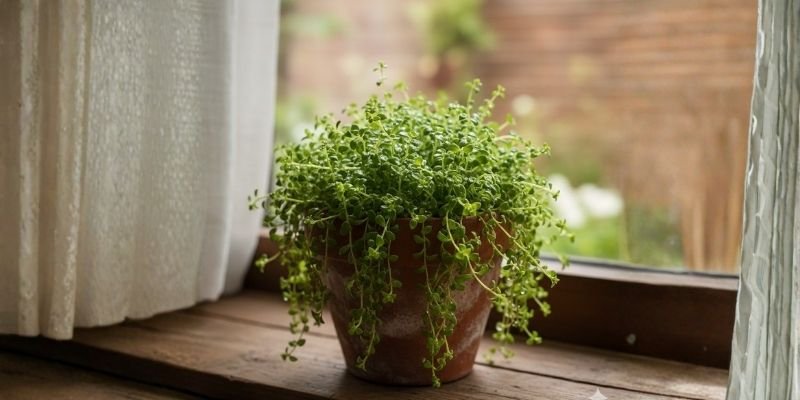
The baby tears plant is a charming, low-growing perennial that’s all about those delicate, round leaves that cluster together in a dense, trailing fashion. Each leaf is super small—think pea-sized or tinier—and they form this soft, cushiony mat that feels almost like moss when you run your fingers over it. What makes baby tears so popular? Well, indoors, it’s a star in terrariums because it thrives in humid, enclosed spaces and adds that lush greenery without overwhelming the setup. As a houseplant, it cascades beautifully from hanging baskets or spills over the edges of pots, bringing a bit of nature’s whimsy to your shelves or windowsills. Outdoors, baby tears shines as a ground cover, filling in gaps between stepping stones or under trees where grass might struggle. It’s forgiving for beginners, loves moisture, and spreads gently to create a verdant blanket that softens hard landscapes.
To give you a quick snapshot of what this plant is all about, here’s a handy table with the key details. I’ve put it together based on my own experiences growing baby tears in various spots around my home and garden.
Detail
Information
Common Name
Baby Tears Plant, Baby’s Tears
Botanical Name
Soleirolia soleirolii
Family
Urticaceae (Nettle family)
Plant Type
Perennial herb, ground cover
Mature Size
3-6 inches tall, spreads up to 3 feet or more
Growth Habit
Trailing, creeping, mat-forming
Light Requirements
Bright indirect light indoors; partial to full shade outdoors
Soil Type
Rich, moist, well-drained loam
Soil pH
Slightly acidic to neutral (6.0-7.0)
Growth Rate
Fast-spreading
Hardiness Zones
9-11 (grows as annual in cooler zones)
Native Area
Mediterranean islands like Corsica and Sardinia
Toxicity
Non-toxic to humans and pets
This table should help you get a feel for the baby tears plant at a glance. Now, let’s talk about how to keep it happy through the changing seasons.
Baby Tears Plant Care (Season-Wise Care)

Caring for the baby tears plant isn’t rocket science, but it does love consistency, especially when it comes to moisture. I’ve learned over the years that adjusting your routine with the seasons makes all the difference, whether you’re dealing with indoor pots or outdoor beds. Here’s how I handle it, broken down by season to make it easy for you to follow.
Spring Care for Baby Tears Plant
Spring is when the baby tears plant really wakes up and starts putting out new growth. After a quieter winter, you’ll notice those tiny leaves unfurling with fresh energy. I always check the soil moisture first thing—keep it evenly damp but not soggy to encourage rooting. If you’re growing baby tears indoors, move it to a spot with more indirect light as days get longer, maybe near an east-facing window. Outdoors, this is a great time to divide clumps if they’ve gotten crowded over winter. Fertilize lightly with a diluted, balanced liquid feed every few weeks to give it a boost. Watch for any lingering cold snaps; if nights dip below 50°F, bring potted baby tears inside temporarily. Humidity is key in spring, so misting the leaves a couple of times a week helps mimic the dewy mornings it loves.
Summer Care for Baby Tears
Summer heat can be tricky for baby tears, but with the right attention, it thrives. The plant craves constant moisture, so I water more frequently to prevent the soil from drying out—aim for every 2-3 days, depending on how hot it gets. Indoors, high humidity is a must; I use a pebble tray filled with water under the pot to keep things steamy without wet feet. For outdoor baby tears, mulch around the base with organic matter like shredded leaves to retain soil moisture and cool the roots. Shade is your friend here—direct sun can scorch those delicate leaves, so position it under trees or in north-facing beds. If you see any wilting, it’s usually a sign of thirst, so perk it up with a gentle soak. A light feeding every month keeps the growth lush without overdoing it.
Monsoon / Rainy Season Care
In regions with a monsoon or super humid season, the baby tears plant feels right at home—it’s like giving it a spa day every day. The extra rainfall means less watering on your part, but ensure good drainage to avoid root rot from standing water. I always elevate pots slightly or add gravel to garden beds for better airflow. Humidity-loving as it is, baby tears can sometimes get fungal issues in prolonged wet spells, so space plants out to allow circulation. Indoors during humid months, reduce misting since the air is already moist, and focus on pruning any overgrown stems to keep it tidy. This season is perfect for propagation; the natural dampness helps cuttings root quickly. Just keep an eye on pests that thrive in humidity, like aphids, and rinse them off with a soft spray if needed.
Autumn Care for Baby Tears Plant
As autumn rolls in and days shorten, the baby tears plant slows down a bit, but it’s still all about maintaining that moisture balance. I cut back on watering to every 4-5 days, letting the top inch of soil dry slightly to match the cooler temps. Indoors, move baby tears away from drafty windows to avoid chill, and continue with occasional misting if your home heats up dry. Outdoors, this is when I prepare for winter by adding a light mulch layer to insulate roots in milder zones. Prune back any leggy growth to encourage denser mats come spring. Fertilizing? Skip it mostly—let the plant rest. Autumn’s milder humidity suits baby tears perfectly, making it a low-maintenance period.
Winter Care for Baby Tears Indoors & Outdoors
Winter can test the baby tears plant, especially outdoors where frost is a no-go. In zones below 9, treat it as an annual or bring pots indoors. Inside, keep baby tears in a bright, humid spot like a bathroom or kitchen, away from heaters that dry the air. Water sparingly—maybe once a week—since growth halts, but never let it fully dry out. I use a humidity dome or group it with other plants for mutual moisture. Outdoors in warmer areas, mulch heavily and water only when soil feels dry to the touch. Protect from winds with barriers if needed. The key is steady, low light and consistent dampness without excess water that could freeze roots.
Growing Baby Tears Indoors vs Outdoors
Deciding whether to grow baby tears indoors or outdoors boils down to your space and climate, but both ways have their perks. Indoors, the baby tears plant loves bright, indirect light—think filtered through sheer curtains—to prevent leaf burn, while outdoors it prefers dappled shade under trees or shrubs. Temperature-wise, keep it between 60-75°F inside; outside, it’s hardy in zones 9-11 but sensitive to dips below 50°F.
For uses, indoors it’s fantastic in containers like terrariums or hanging baskets where its trailing habit shines without needing much room. Outdoors, baby tears excels as a ground cover, spreading to fill gaps and suppress weeds in moist, shady spots. Climate suitability is huge: humid, mild areas are ideal for outdoor growth, but in dry or cold regions, indoors is safer to control moisture and protect from extremes. I’ve grown it both ways, and indoors it’s easier for beginners since you can tweak humidity and light on the fly.
How to Plant Baby Tears (Step-by-Step)
Planting baby tears is straightforward and rewarding—it’s one of those plants that takes off quickly with minimal effort. The best time? Spring or early summer when temperatures are warming up, giving roots time to establish before heat or cold sets in.
Start by choosing your spot: for pots, pick a wide, shallow container with drainage holes; for garden beds, select a shady, moist area. Prepare the soil by mixing in compost or peat moss to make it rich and moisture-retentive—aim for a loose, well-draining blend.
To plant, gently remove the baby tears from its nursery pot, teasing apart the roots if they’re bound. Dig holes or trenches about 2-3 inches deep, spacing starts 6-12 inches apart to allow for spreading. Place the plant in, backfill with soil, and press lightly. Water thoroughly to settle everything in. For containers, add a saucer to catch excess but empty it to avoid sogginess. In a week or so, you’ll see new growth as it adapts.
Watering & Fertilizing Baby Tears Plant
Watering is the heart of baby tears plant care—this moisture-lover hates drying out. I check the soil daily; if the top feels dry, it’s time for a drink. Aim for consistent dampness, like a wrung-out sponge, but ensure good drainage to prevent rot. In pots, water from the bottom sometimes to encourage deep roots.
Fertilizing? Go light—baby tears isn’t a heavy feeder. Use a diluted, balanced liquid fertilizer (like 10-10-10) every 4-6 weeks during growing seasons. Skip it in winter. Organic options like worm tea work wonders too. Over-fertilizing leads to weak growth, so less is more.
Pruning & Controlling Baby Tears
Pruning keeps your baby tears plant compact and healthy, preventing it from getting leggy or invasive. I prune in spring or after flowering, using clean scissors to trim back overgrown stems by a third. This encourages bushier growth and controls spread, especially outdoors where it can wander.
Why prune? To remove dead bits, shape the mat, and promote density. Common mistakes? Cutting too much at once, which stresses the plant, or using dirty tools that spread disease. Always prune in the morning when it’s cool, and water afterward to help recovery.

Propagating Baby Tears
Propagating tears is a breeze, perfect for sharing with friends. My go-to methods are division and stem cuttings.
For division: In spring, dig up a clump, gently pull apart sections with roots, and replant immediately in moist soil. Water well and keep shaded for a week.
Stem cuttings: Snip 2-3 inch stems, remove lower leaves, and place in water or damp soil. Roots form in 1-2 weeks. Use a humidity cover for faster results. It’s that simple—soon you’ll have more baby tears than you know what to do with!
Overwintering
The baby tears plant isn’t fond of frost, so overwintering right is key. In cold areas, move outdoor plants inside before first frost, placing in a humid, bright spot. Reduce watering to prevent rot as growth slows.
For in-ground tears in mild zones, mulch thickly and cut back on water. Indoor ones need protection from dry heat—use trays or humidifiers. Adjust by monitoring moisture; the plant may look sparse but bounces back in spring.
Common Pests & Plant Diseases
Like any plant, tears can hit snags, but most are fixable. Drying out causes browning—solution: increase watering and humidity. Yellowing leaves often mean overwatering or poor drainage; let soil dry a bit and improve airflow.
Pests? Aphids or spider mites love the soft leaves—rinse with water or use neem oil. Root rot from soggy soil is common; repot in fresh mix if roots are mushy. Fungal issues like powdery mildew thrive in low air circulation—prune for better flow and avoid overhead watering. Stay vigilant, and your baby tears will stay healthy.
Uses of Tears in Home & Garden
Baby tears is versatile! Indoors, pot it in hanging baskets for cascading greens or use in terrariums for a mini forest floor. Dish gardens with succulents add contrast.
Outdoors, it’s a top ground cover for shady paths, edging beds, or under shrubs. Companion plant it with ferns or hostas for a lush look. In containers, mix with colorful annuals for pops of texture.
FAQs –
1. What is the best light for a plant indoors? Bright, indirect light works wonders—too much sun scorches leaves, while too little makes it leggy. I’ve had success near north windows.
2. How often should I water baby tears? Keep soil moist but not wet—check daily and water when top inch dries. In humid spots, every few days suffices.
3. Why is my turning yellow? Likely overwatering or poor drainage. Ease up and ensure pots have holes.
4. Can grow in full shade outdoors? Absolutely, it prefers shade and spreads nicely under trees.
5. How do I stop tears from spreading too much? Prune regularly and use barriers like edging in gardens.
6. How big does a plant get? Low height but wide spread—great for covering areas.
There you have it—a complete guide to the baby tears plant. With these tips from my gardening adventures, you’ll have thriving baby tears in no time. Happy planting!