In This Article
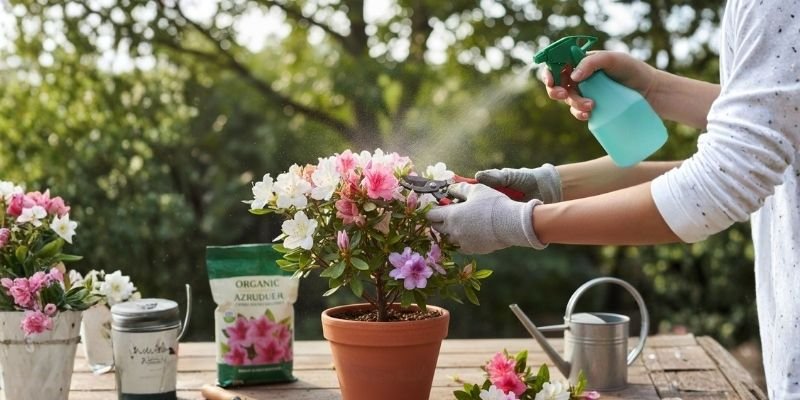
If you’ve ever walked through a spring garden and been stopped in your tracks by a burst of pink, white, or fiery red blooms, chances are you’ve met an azalea. These beautiful flowering shrubs have a way of stealing the show when they explode into color, usually around spring, turning ordinary yards into something magical. I’ve grown azaleas for over twenty years in my own garden, and let me tell you—they’re one of the most rewarding plants for home gardeners who love vibrant flowers. Whether you’re planting them in the ground, tucking them into borders, or keeping them in pots on a patio, good azalea care makes all the difference.
What draws so many people to azalea plant care is how they reward a little effort with spectacular results. Some varieties stay green all year (evergreen types), while others drop their leaves in winter (deciduous ones) but often bring bolder flower colors and scents. They’re perfect for shady spots where many other flowering shrubs struggle, and they thrive in containers too. No wonder they’re staples in landscapes, woodland gardens, and even as foundation plants around homes.
Here’s a quick overview of what you need to know about the azalea plant:
Aspect | Details |
Common Name | Azalea |
Botanical Name | Rhododendron spp. (many hybrids classified as azaleas) |
Family | Ericaceae (heath family, related to blueberries) |
Plant Type | Flowering shrub (evergreen or deciduous) |
Mature Size | Usually 3–12 feet tall and wide, depending on variety |
Growth Habit | Rounded to spreading, often dense and bushy |
Sun Exposure | Partial shade to dappled sunlight; morning sun with afternoon protection |
Soil Type | Well-drained, rich in organic matter |
Soil pH | Acidic (ideally 4.5–6.0) – they truly are acid-loving plants |
Bloom Time | Mainly spring; some rebloom in summer/fall |
Flower Colors | White, pink, red, purple, orange, yellow, and bicolors |
Hardiness Zones | 6–9 (some varieties hardy to zone 5 or 10) |
Native Area | Parts of Asia, Europe, and North America |
Toxicity | Toxic to humans and pets if ingested |
With that foundation, let’s dive into what really matters: practical azalea care that keeps your plants thriving year after year.
Azalea Care (Season-Wise Care)

Azalea plant care changes with the seasons, especially since these shrubs are sensitive to moisture, temperature swings, and soil acidity. The key is consistent moisture without sogginess, and always thinking about that acidic soil they crave.
Spring Care for Azalea Plant
Spring is showtime for most azaleas—that’s when the big bloom happens. Right after flowering finishes (usually late spring), this is the perfect window for light pruning and fertilizing. Feed with a fertilizer made for acid-loving plants to support new growth and set buds for next year. Water deeply if rains are spotty, and add a fresh layer of mulch (pine bark or needles work great) to keep roots cool and moist as temperatures climb. Watch for new buds forming—good azalea care now means better blooms later.
Summer Care for Azalea Plant
Summer heat can stress azaleas, especially in warmer zones. The focus here is moisture and shade. Keep the soil evenly moist—check weekly by sticking your finger in the ground; if it’s dry an inch down, water thoroughly. Mulch helps a ton in retaining moisture and preventing weeds. Avoid heavy fertilizers after mid-summer, as it can push tender growth that won’t harden before winter. If leaves start looking dull, it might be lace bugs (more on that later), but consistent azalea plant care keeps things looking fresh.
Monsoon / Rainy Season Care
In places with heavy monsoon rains (like parts of India or humid regions), drainage becomes critical. Azaleas hate wet feet, so ensure water doesn’t pool around roots. If your soil stays soggy, consider raising beds slightly. Good airflow helps prevent fungal issues—space plants properly and thin crowded branches if needed. This is also a good time to check for petal blight if blooms linger.
Autumn Care for Azalea Plant
Fall is about preparing for dormancy. Reduce watering as rains pick up, but don’t let roots dry out completely—azaleas still need moisture to harden off. A light feeding in early fall (if your zone allows) supports root health. Mulch heavily (3–4 inches) around the base to insulate roots and maintain acidity. This season rewards steady azalea care with healthier plants come spring.
Winter Care for Azalea Plant
Winter can be tough, especially for evergreens in cold zones. Mulch deeply to protect shallow roots from freezing. In very cold areas, use burlap screens for wind protection. For potted azaleas, move them to a sheltered spot or insulate pots. Water only if soil is dry (rare in winter), and avoid fertilizing. Good winter prep is essential azalea plant care to avoid dieback.
Types of Azalea Plants
Azaleas come in a few main categories that affect how you grow them.
Evergreen Azaleas
These hold their leaves year-round, offering structure even in winter. They’re popular for foundation plantings and hedges. Groups like Kurume (compact, dense, small flowers), Satsuki (larger blooms, late season), and Encore (reblooming spring and fall) are favorites. They prefer consistent moisture and partial shade.
Deciduous Azaleas
These drop leaves in fall, often showing stunning autumn color before bare branches. Flowers are usually larger, fragrant, and come in bold oranges, yellows, and reds. They’re more cold-hardy and tolerate a bit more sun.
Garden vs Container Azaleas
Garden types grow larger and need space in borders. Container varieties (often dwarf or compact) suit patios—use acidic potting mix and water more frequently since pots dry faster.
How to Plant Azalea (Step-by-Step)
Planting is where many beginners go wrong, but follow these steps for success.
The best time is spring or early fall when temperatures are mild. Choose a spot with partial shade—morning sun and afternoon protection work best.
Dig a hole twice as wide as the root ball but no deeper. Azaleas have shallow roots and hate being buried too deep.
Prepare acidic soil: Mix native soil with plenty of peat moss, pine bark, or composted leaves. Aim for pH 4.5–5.5; test and add sulfur if needed.
Space plants 3–6 feet apart depending on mature size.
Remove the plant from its pot, gently loosen roots, and place so the top of the root ball sits slightly above ground level.
Backfill with amended soil, firm gently, and water deeply. Mulch around (not touching stems) to retain moisture.
Watering & Fertilizing Azalea Plant
Watering is the heart of azalea plant care. Keep soil consistently moist like a wrung-out sponge—about 1 inch per week, more in heat. Use rainwater or filtered water if your tap is alkaline. Well-draining soil prevents root rot; mulch conserves moisture.
Fertilize in early spring and perhaps lightly in fall with acid-loving plant food (like for rhododendrons). Avoid overdoing it—too much nitrogen means lots of leaves, fewer flowers.
Pruning & Deadheading Azalea
Prune right after blooming to shape and remove dead wood. Cut back to a healthy bud, avoiding heavy cuts on old wood. Deadhead spent flowers to tidy up and direct energy to new growth.
Common mistakes: Pruning too late (removes next year’s buds) or shearing like a boxwood (ruins natural shape). Light, natural pruning keeps azaleas healthy.

Propagating Azalea Plant
Azaleas propagate easily for beginners.
Stem Cuttings (best for evergreens): Take 4–6 inch softwood cuttings in summer. Remove lower leaves, dip in rooting hormone, plant in acidic mix (peat/perlite). Keep humid and shaded; roots in 6–12 weeks.
Layering: Bend a low branch to ground, wound the underside, bury in soil (peg down), and wait 1–2 years for roots. Then sever and transplant.
Overwintering Azalea Plants
Mulch heavily in fall. Protect from harsh winds and sun scorch with burlap. Containers need extra insulation or indoor move in extreme cold.
Common Pests & Plant Diseases
Lace bugs cause stippled, bleached leaves—treat with insecticidal soap.
Petal blight turns flowers brown and slimy—remove infected blooms, improve air flow.
Other issues: Root rot from poor drainage, leaf spot. Prevention: Good azalea care with mulch and proper watering.
How to Get More Blooms from Azalea
To boost flowers: Maintain acidic pH, provide right light balance (not too much sun), fertilize correctly, prune after bloom, and ensure consistent moisture.
Healthy roots from good soil lead to abundant blooms.
FAQs – Azalea Care
1. Why are my azalea leaves turning yellow?
Often iron deficiency from high pH—test soil and add acidifier.
2. How often should I water azaleas?
Keep moist but not soggy—weekly deep soak, more in heat.
3. When is the best time to prune azaleas?
Immediately after flowering.
4. Can azaleas grow in full sun?
Some tolerate it, but partial shade is safer to avoid leaf scorch.
5. Why won’t my azalea bloom?
Wrong pruning time, poor soil acidity, or insufficient chill hours.
Can azaleas tolerate drought?
No—consistent moisture is key to good azalea care.
With these tips, your azaleas should thrive and bring joy for years. Happy gardening!