In This Article
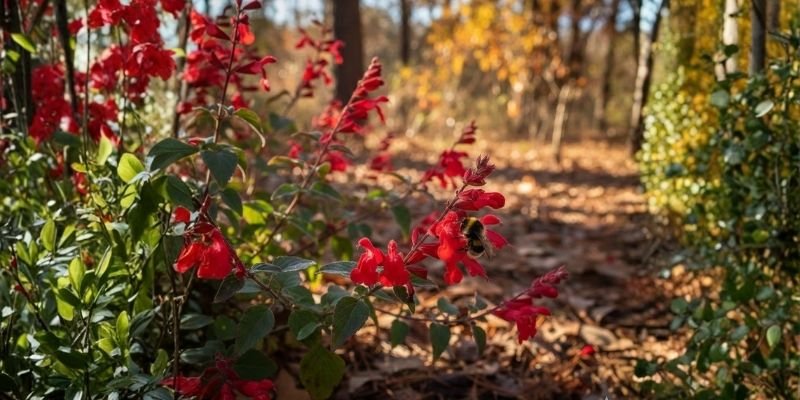
Hello, fellow gardeners! If you’ve ever walked through a sunny garden in late summer and been drawn to the bright red, pink, or purple flowers that seem to dance in the wind, you’ve probably seen autumn sage. I’ve been taking care of these beautiful plants in my own backyard for more than 15 years, so I can tell you why autumn sage has a permanent place in my heart and in many gardens in warmer climates. This hardy perennial isn’t just about the beautiful flowers that bloom from spring to fall. It’s also great at handling heat, so it doesn’t mind hot afternoons at all. Also, it’s a magnet for pollinators. Every morning on the patio, bees buzzing around and hummingbirds darting in for a sip make it feel like a nature show. Autumn sage is a great choice for any landscape because it adds color, is hardy, and is good for wildlife. It doesn’t matter if you’re a beginner or an expert gardener looking for reliable plants.
To give you a quick snapshot of what makes autumn sage tick, here’s a handy plant information table based on my years of growing it in various conditions:
Field | Details |
Botanical Name | Salvia greggii |
Common Name | Autumn Sage |
Plant Type | Perennial shrub |
Mature Height & Spread | 2-3 feet tall and wide |
Bloom Colors | Red, pink, purple, white, coral, bicolors |
Sun Requirement | Full sun (6+ hours daily) |
Soil Type | Well-draining, sandy or loamy |
Water Needs | Low to moderate; drought-tolerant once established |
USDA Zones | 7-10 |
Maintenance Level | Low |
What is Autumn Sage?

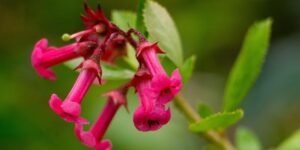
Autumn sage, or Salvia greggii as it’s known in the plant world, is a small shrub that grows in the southwestern United States and northern Mexico. From what I’ve seen, it grows into a neat, bushy shape that fills in gaps in the garden without taking over the space. The leaves are small, smell good, and stay green in milder winters. When you brush against them, they smell like sage, which is always a nice surprise when you’re weeding. The flowering pattern of autumn sage is what makes it stand out. It starts to bloom in late spring or early summer and keeps going strong into autumn, which is why it is called that. The tubular flowers at the ends of the stems look like fireworks, and they are also useful for wildlife. I’ve seen it do well in hot, dry places where other plants die, which shows that it’s a real survivor. It grows straight up but also spreads out a little if you don’t keep an eye on it.
Why should you plant autumn sage in your garden?
Let me count the ways autumn sage has won me over, starting with how well it can handle dry weather. When those roots get deep, the plant only drinks a little water, which makes it great for dry areas or for people like me who forget to water their plants. It’s also low-maintenance, so you don’t have to worry about it all the time. This gives you more time to enjoy the garden instead of working on it. The long blooming season is a game-changer. From the first warm days of spring to the cool fall air, these flowers keep coming, adding color when many other perennials fade. And the pollinators! Bees, butterflies, and especially hummingbirds love to eat autumn sage. I’ve seen my garden come to life with activity, which has increased biodiversity and made me feel good about helping the ecosystem. Plus, it’s deer-resistant in most cases, and its small size makes it easy to fit into borders, containers, or even more naturalistic plantings. Taking care of autumn sage is easy and rewarding if you want a garden that is colorful and strong.
Seasonal Care Calendar
To keep your autumn sage thriving year-round, I’ve put together this seasonal care calendar based on my own routine. It’s a simple guide to timing tasks, ensuring your plants stay healthy without overwhelming your schedule.
Season | Key Tasks |
Spring | Prune back winter damage, fertilize lightly, check for new growth, water as needed to establish. |
Summer | Deadhead spent blooms, provide occasional deep watering during extreme heat, monitor for pests. |
Fall | Continue deadheading, reduce watering, mulch for root protection, enjoy late-season flowers. |
Winter | Minimal care; prune if needed in mild zones, protect from freezes in cooler areas with mulch. |
How To Plant And Care For Autumn Sage
I’ll take you through the steps of caring for autumn sage, using my own experiences of trial and error over the years. These tips will help you do it right the first time, whether you’re starting with nursery pots or splitting up plants that are already growing.
Step 1: Pick the Best Place to Plant
I learned the hard way that location is everything when it comes to planting autumn sage. I’ve had to move a few that were having trouble. Find a place in your garden that is warm, sunny, and sheltered from strong winds, just like where they live in the wild. I plant them along the south-facing edges of my yard so they get a lot of heat without being baked by the glare from walls. Stay away from low-lying areas where water collects, because autumn sage doesn’t like wet feet. If you live in a cooler area that is close to the edge of its hardiness, put it near a building to keep it warm. This careful placement sets the stage for strong growth and makes caring for your autumn sage easy.
Step 2: Give them full sun to get the best blooms.
Autumn sage loves the sun. If you give it at least six hours of direct sunlight every day, it will reward you with a lot of flowers. Plants that are in partial shade tend to grow long and leggy and make fewer flowers, so I always look for full sun spots first. In hot climates, morning sun with a little afternoon shade works well, but too much shade can be disappointing. If your garden gets different amounts of light, watch how it changes over the course of a day before you start digging. Getting the right amount of sunlight not only helps flowers grow, but it also makes the plant stronger overall, which means you won’t have to care for it as much in the fall.
Step 3: Get the soil ready to drain well
It’s important to prepare the soil for autumn sage because bad drainage is a common cause of death. I test my soil first. It should be a mix of sand and clay that drains quickly after it rains. If your soil is heavy clay like some of the soil in my old plot, add compost or grit to it to make it more airy. Dig a hole that is twice as wide as the root ball and add some organic matter, but don’t go overboard because autumn sage grows best in lean soil. It likes a pH level that is neutral to slightly alkaline. This step makes sure that the roots grow without rotting, so that you can enjoy taking care of your autumn sage instead of having to save it.
Step 4: Putting Autumn Sage in the Right Depth
The depth at which you plant your autumn sage can make or break its growth. To keep the stems from rotting, I always make sure the crown, where the stems meet the roots, is level with the soil surface. Gently pull apart any roots that are circling the pot, put it in the hole you made, and fill it back up with soil, pressing it down to get rid of air pockets. For good air flow and room to grow, space plants 2 to 3 feet apart. I lightly mulch with gravel or bark after planting to keep the soil moist without smothering it. This careful approach gets things off to a good start and makes it easier to care for autumn sage in the long run.
Step 5: Watering to help roots grow
Watering autumn sage right after planting is important for getting the roots to grow, but I always say to do it in moderation. I soak new plants well to settle the soil, and then I water them deeply but not very often, about once a week until they perk up. After a month or two, when the plants are well-established, I only water them when there is a long dry spell. I check the moisture level in the soil a few inches down before I grab the hose because too much water makes plants grow floppy. This method makes plants more resistant to drought, which fits with the low-water philosophy of caring for autumn sage.
Step 6: Feeding and Light Fertilizing
Autumn sage isn’t a heavy feeder, which is why I love it for low-effort gardens. In the spring, I put a little bit of balanced fertilizer or compost around the base to help the flowers bloom without making too much foliage. Stay away from formulas with a lot of nitrogen. They make plants grow big but don’t bloom. If growth seems slow during the seasons, a diluted organic feed in the middle of summer will help. Based on what I’ve learned, too much fertilizer attracts pests, so be careful when caring for your autumn sage.
Step 7: Cut and shape to get more flowers
Pruning autumn sage keeps it small and makes it bloom like crazy. I shear back spent flower stems by about a third after each flush to encourage reblooming—usually in late spring and again in summer. To bring the plant back to life, I cut back woody growth to about 6 to 12 inches in early spring. To keep it from getting sick, use clean shears, and shape it into a mound for looks. This routine not only increases the number of flowers but also stops legginess, making caring for autumn sage feel proactive and rewarding.
Step 8: Dealing with pests and other common issues
Autumn sage is pretty tough, but aphids and spider mites can show up when it’s hot. I’ve dealt with them by spraying them with a hose or using insecticidal soap only when I need to. If you plant them right, you won’t have many fungal problems because of bad air flow. But if the leaves turn yellow, fix the drainage right away. Deer do nibble on the leaves from time to time, but the smell keeps most of them away. Part of taking care of autumn sage is keeping an eye on it. If you catch problems early, your plants will bounce back quickly.

Step 9: Taking care of and maintaining autumn sage for a long time
Once autumn sage is settled in, it doesn’t need much care for the long term. Mulch annually to suppress weeds and retain soil moisture, and divide overcrowded clumps every 3-4 years in spring for vigor. In colder areas, use winter mulch to protect your plants. I have learned that deadheading regularly makes the season last longer, and changing the plants that grow next to each other keeps the soil healthy. If you follow these tips, your autumn sage will thrive for years and become a mainstay in your garden.
The Best Types of Autumn Sage
I’ve tried a lot of different types of autumn sage over the years, and each one has its own style. People love “Hot Lips” because its red-and-white flowers change color with the temperature. It’s only 2 feet tall, so it’s great for borders. “Furman’s Red” has deep crimson flowers on a taller frame, up to 3 feet, making it great for backdrops. Coral-pink “Wild Thing” is a softer color that attracts a lot of hummingbirds and stays bushy. “Raspberry Delight” adds deep purple tones, and “Alba” adds pure white to make the colors stand out. Pick the right size for your space and color scheme for the best autumn sage care. Sizes range from dwarf types like “Maraschino,” which is 18 inches tall, to standard 2-3 footers.
Mistakes Beginners Should Avoid
I made a lot of mistakes with autumn sage when I was a beginner. Overwatering is at the top of the list because it makes root rot happen faster than you can say “soggy soil.” Water from the dry side. Another problem is bad drainage, so always fix heavy soils. If there is too much shade, the flowers won’t bloom as much. Look for sunny spots. And a lot of fertilizer? It leads to all leaves, no flowers—light and organic is best. Avoiding these makes caring for autumn sage easy and successful.
Ideas for landscaping and tips for designing a garden
Autumn sage looks great in a lot of different styles. I put it in borders with grasses and perennials to add color. In xeriscaping, it goes well with succulents and rocks because it can handle dry conditions. Its habit of mounding up and filling in cracks with flowers makes it great for rock gardens. Mix with lantana and bee balm to make a buzzing haven for pollinators. It does well even in pots on patios. Use a mix that drains well to pot it up and move it around.
These ideas show that autumn sage can fit into any garden design
Tips from the pros for bigger and longer blooms
Based on my experiments in the garden, there are a few things you can do to make autumn sage work better. Religiously deadhead to move energy to new buds; this has added weeks to my seasons. For a bigger effect and better pollination, plant in groups. Put down a layer of gravel to reflect heat and keep weeds from growing. Shade in the afternoon keeps hot spots from getting too hot. Yarrow helps plants resist pests when they are planted next to each other. These tips from experience will help you take better care of your autumn sage and get great results.
Ways to Propagate (Cuttings and Seeds)
It’s easy and fun to propagate autumn sage. I’ve done it many times to add to my collection.
For cuttings, cut off 4 to 6 inches of non-flowering stems just below a node in late spring or early summer. Cut off the lower leaves, dip them in rooting hormone, and plant them in potting mix that is moist and drains well. Keep in bright, indirect light and mist it often until roots grow in 2 to 4 weeks. Move them once they are strong.
For seeds, you can either collect them from dried flower heads in the fall or buy them fresh. In early spring, plant seeds indoors on a seed-starting mix and barely cover them. Germination takes 2–3 weeks, so give them heat (70°F) and light. Before planting outside, thin out the seedlings and let them harden. This method doesn’t always work, but it’s a fun way to try out different ways to care for autumn sage.
In conclusion, autumn sage is the tough, reliable plant that every gardener needs. It’s easy to care for, can handle drought, and blooms all the time. For years, it’s made my gardens happy, and I’m sure it will do the same for yours.
FAQs –
1. What sets autumn sage apart from other salvias?
Autumn sage is unique because it grows into a small shrub and blooms for a long time, making the seasons flow together. Unlike taller salvias that might flop, it maintains a neat shape, and its flowers are smaller but more abundant, drawing in specific pollinators like hummingbirds with their tubular form. In my gardens, it’s more resistant to heat than culinary sage. It looks good and smells good, thanks to its fragrant leaves.
2. How do I know if my autumn sage needs more water?
Check the soil a couple inches down—if it’s dry, give it a deep soak, but only then. In the heat of the day, leaves that are wilting often perk up by evening without any help. This is because the plant has adapted to keep moisture. From what I’ve seen, watering the same area too often weakens the roots. Instead, try to water the plants less often but more thoroughly to mimic how it rains in its native range.
3. Is it possible for autumn sage to grow well in pots?
Yes, I’ve had great luck with autumn sage grown in containers on sunny decks. Use a large pot with drainage holes and a gritty potting mix to prevent waterlogging. Put it in full sun, water it when the top soil dries out, and don’t use too much fertilizer. If you live in a colder area, keep them inside all winter for color all year.
4. What goes well with autumn sage?
I like to plant autumn sage with other plants that can handle dry weather, like lavender for a nice scent, or echinacea for a different texture. Blue fescue and other grasses add movement, while sedums cover the ground. These combinations make pollinators work harder and make beds that are balanced and easy to care for.
5. Does autumn sage spread too much?
Not at all; it behaves itself and spreads slowly through its roots, making it easy to control. In my plots, it stays put without overtaking neighbors, unlike some aggressive perennials. To keep the size under control, just divide every few years.
6. How to bring a leggy autumn sage plant back to life?
Cutting back to 6–8 inches in early spring encourages bushier growth. To encourage a compact shape, make sure it gets full sun and less water. If the soil is too hard, aerate it and add nutrients. I’ve brought back plants that were neglected in a season this way.
7. Does autumn sage draw in any certain animals?
Hummingbirds are the stars, zipping in for nectar, but bees and butterflies join the party too. In the fall, I’ve seen finches picking at seeds. It’s a wildlife booster without drawing unwanted critters like rodents.
8. Can I grow autumn sage from salvia I buy at the store?
Most of the time, grocery store sage is Salvia officinalis, which is a different kind. For the best results, stick to nursery autumn sage. Cross-propagation doesn’t work very well, and the flavors are different. For a successful garden, stick to ornamental varieties.