
In This Article
Hello, other people who love gardens! You might have seen autumn ferns if you’ve ever walked through a shady forest and been drawn to the delicate, feathery fronds that seem to glow with a hint of magic. These lovely plants have been in my garden for years, and they do well in the dappled light of my old oaks. Why do people like autumn ferns so much? It’s that beautiful display of copper-red new growth in the spring that slowly turns into a rich green. It can also handle those tricky shady spots that other plants can’t. They’re like chameleons from nature, adding color where you least expect it. They’re also very forgiving for busy gardeners like me who want low-maintenance beauty. I’ve been taking care of shade gardens for 15 years, and I’ve found that autumn ferns are reliable plants that add texture and life to even the darkest areas. Let’s get into all the details you need to know about planting and taking care of these gems.
To get us started on solid ground, here’s a quick overview of autumn ferns in a handy table format. This pulls from my hands-on experience growing them in various conditions.
Field | Details |
Botanical Name | Dryopteris erythrosora |
Common Name | Autumn Fern |
Plant Type | Perennial Fern |
Mature Height & Spread | 18-24 inches tall, 18-24 inches wide |
Foliage Color | Copper-red new fronds maturing to deep green |
Light Requirement | Part shade to full shade |
Soil Type | Moist, well-drained, rich in organic matter |
Water Needs | Moderate; keep consistently moist but not waterlogged |
USDA Zones | 5-9 |
Maintenance Level | Low; minimal pruning and feeding required |
What Are Autumn Ferns?

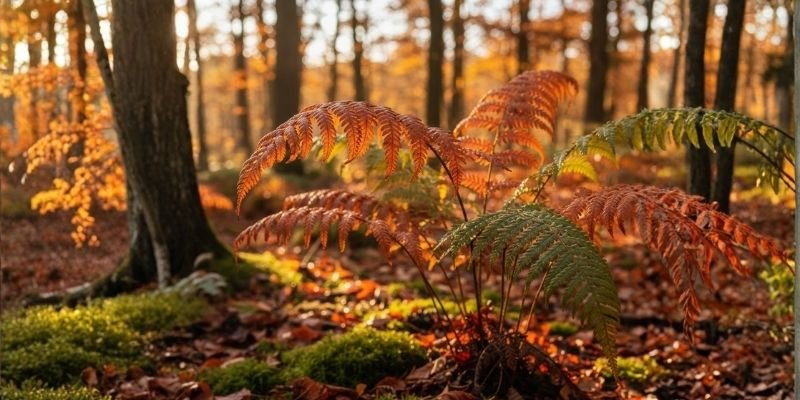
Dryopteris erythrosora, or autumn ferns, are a type of evergreen fern that grows naturally in parts of East Asia. They have adapted very well to gardens all over the world. They’ve made thick groups of arching fronds in my backyard that look soft and layered. These plants have a central crown from which new fiddleheads grow each spring. The fiddleheads turn into leathery leaves that are shaped like triangles. The seasonal color change is what really makes autumn ferns stand out. The new fronds come out in a bright coppery-red color, almost like they’re blushing in the cool air, and then they stay that way for the rest of the year. They might get a little bronzy again in the fall, which is what their name means. They don’t spread aggressively, but over time they form nice colonies through underground rhizomes, which makes them great for naturalizing in shady spots. I have found that autumn ferns keep their shape through mild winters, which makes them interesting all year long without the die-back that some other ferns have.
Why Grow Autumn Ferns in Your Garden?
Autumn ferns are a game-changer if you want to fill in those dark spots where grass has trouble growing and flowers fade. They can handle a lot of shade. I’ve planted them under thick tree canopies where only a little bit of sunlight gets through, and they still do well. Also, they don’t need much care, which is great for people who are busy. Taking care of autumn ferns is mostly hands-off once they are established, which saves you time and work. The evergreen leaves keep your garden green all year, giving it structure when everything else is bare. I have used them as ground cover to naturally keep weeds from growing, and their thick growth helps keep the soil moist, which is good for plants nearby. In my area, they don’t attract deer, and pollinators like them because they make a nice home. In general, growing autumn ferns makes your yard feel like a forest, increases biodiversity, and is tough and hardy.
Seasonal Care Calendar
To keep your autumn ferns thriving year-round, I’ve put together this seasonal care calendar based on what works in my garden. It’s a simple guide to timing your efforts.
Season | Key Tasks |
Spring | Check for emerging fronds; mulch around plants; divide overcrowded clumps if needed; light feeding with organic fertilizer. |
Summer | Water regularly to maintain moist soil; monitor for pests like slugs; trim any damaged fronds. |
Fall | Clean up old debris; apply a fresh layer of mulch for winter protection; enjoy the bronzy color changes. |
Winter | Minimal intervention; protect from heavy snow if in colder zones; ensure soil doesn’t dry out completely during thaws. |
How To Plant And Care For Autumn Ferns
If you follow a few simple steps, planting and taking care of autumn ferns is easy. I’ve done this a lot in my shade gardens, and the key is to make them look like their natural home in the woods.
Step 1: Choose the Right Shady Location
For autumn ferns to thrive, it’s important to find the right place. These plants need dappled or full shade, like under trees, along north-facing walls, or in wooded borders where the sun only shines directly on them for an hour or two in the morning. In my garden, planting autumn ferns where they are shielded from the harsh afternoon sun has worked best for me. The sun can burn their delicate fronds. Stay away from areas that get full sun, as this will cause the color to fade and the plants to wilt. Watch the light patterns on the site throughout the day to see if it’s too bright. If it is, the ferns will tell you by turning yellow at the tips. A sheltered area also protects against the wind, which keeps the leaves from getting damaged.
Step 2: Prepare Moist, Organic-Rich Soil
The forest floor has soil that is rich, moist, and well-drained, which is what autumn ferns like. Add a lot of organic matter, like composted leaves or old bark, to the area where you want to plant. I always dug in a good 2–3 inches of this stuff to make the soil more fertile and help with drainage. You can use a simple kit from the garden store to check the pH. It should be slightly acidic, between 5.5 and 6.5. Mix in some sand or perlite if your soil is heavy clay to keep it from getting too wet, which can kill the roots. If your soil is sandy, add more compost to keep the moisture in. This prep work is important for long-term care of autumn ferns because it helps the plants grow strong roots without putting them under stress.
Step 3: Choosing healthy autumn fern plants or divisions
Choose healthy autumn ferns from a trusted nursery when you buy them. Look for fronds that are bright and straight, with no brown spots or bugs. The crown should be hard, not soft. If you want to divide an existing plant, like I do every few years, pick a mature clump in the early spring. Use a garden fork to carefully lift it up, shake off any extra dirt, and cut the rhizomes apart with a sharp knife. Make sure that each piece has roots and a few fronds. This way, your autumn ferns will keep growing on their own. Don’t get tiny seedlings or plants that are stressed out. Starting with strong ones will make caring for autumn ferns much easier later on.
Step 4: Planting at the Right Depth and Distance
Dig a hole that is twice as wide as the root ball but not deeper. Autumn ferns don’t like to be buried too deeply because it causes crown rot. Put the plant in the ground so that the crown is level with the soil, then gently fill in the hole, pressing down to get rid of air pockets. For a more natural look, put them 18 to 24 inches apart. For faster ground cover, put them closer together. I put autumn ferns in groups of three or five to make a bigger impact, and this spacing lets air flow through to keep fungi from growing. Water right after planting to help the soil settle. If you plant your ferns correctly, taking care of them in the fall will be easy.
Step 5: Watering to help the roots grow
Water is very important, especially in the first few months. The soil should stay wet but not too wet, like a sponge that has been wrung out. Depending on how much it rains, I water my autumn ferns deeply with a soaker hose once or twice a week. Look at them every day when it’s hot. They get stressed out when the soil is dry. As they get older, they can handle drought better, but you should always take care of them in the fall so they don’t get too dry. We’ll talk about mulch next, but it does help here.
Step 6: Use mulch to keep the ground moist.
Ferns that grow in the fall need a layer of organic mulch that is 2 to 3 inches thick. This can be shredded leaves or pine needles. It keeps the ground moist, stops weeds from growing, and adds nutrients as it breaks down. Use it after you plant it in the spring, but don’t let it touch the crown to keep it from rotting. I change the mulch in my garden in the fall. This keeps my ferns warm all winter. This simple step is an important part of taking care of autumn ferns because it makes their home more like their natural one and cuts down on the amount of water they need.
Step 7: Add nutrients to the soil and feed the plants.
You don’t need to feed autumn ferns a lot, but a little bit goes a long way. I use a balanced, slow-release organic fertilizer in the spring, like fish emulsion that has been cut in half. Stay away from types that have a lot of nitrogen because they make plants weak. Every few years, add compost to the top of the soil to naturally add nutrients. This keeps the leaves green without going overboard, which is good because too much fertilizer can hurt the roots. When you take care of ferns in the fall, it’s often better to do less for plants that are healthy and full of life.
Step 8: Trimming old fronds and cleaning up for the season
There isn’t much pruning to do, but it needs to be done at the right time. Before new growth starts in late winter or early spring, use clean shears to cut back any fronds that are torn or dead at the base. This cleans things up and makes room for new fiddleheads. Take off any leaves that are damaged during the season. I have found that this keeps pests from hiding out. Don’t cut back too much on autumn ferns care. They are evergreen, so let them keep most of their leaves for winter interest.

Step 9: How to Take Care of Autumn Ferns for a Long Time
Check for problems like slugs (pick them up by hand or use barriers) or fungal spots (make the air flow better) over the years. Every three to five years, split them up to make them new again. A light winter mulch protects in colder areas. Autumn ferns are tough, but they need regular moisture and shade to live a long time. If you take good care of your autumn ferns, they will look beautiful for decades.
The best places to use autumn ferns in your yard
Autumn ferns look great in many places. They have a feathery texture that softens edges in shade borders. Woodland gardens are great. I’ve mixed them with hostas and astilbes to make a layered look. Plant in big pots on shady patios for containers. They add height and color. They cover bare roots and stop erosion under trees. Autumn ferns make a thick carpet by filling in gaps in the ground cover. Because they can change to fit different situations, they are a good choice for tough landscapes.
Things Beginners Shouldn't Do
When new gardeners put autumn ferns in too much sun, the fronds turn white. Another problem is dry soil; they wilt quickly without water. If the soil is too heavy, it won’t drain well, which can lead to root rot. Too many people in one place slows growth; give them room. When you skip mulch, the roots are exposed to extremes. These things help keep ferns healthy in the fall.
Expert Advice for More Growth and Better Health
Here’s what makes autumn ferns grow from my years in the dirt: Heuchera and other plants that like shade will look good next to it. Water with rainwater because it doesn’t hurt roots as much. In dry places, mist fronds from time to time to add moisture. To make sure that all of your container plants grow evenly, turn them. Keep an eye on the seasons; early action fixes problems quickly. Pinch back the tips lightly in the spring to make the clumps fuller. These tips, which have been improved over time, help you take better care of your autumn ferns.
Propagation Methods (Division + Spores)
It feels good to grow autumn ferns. To divide a plant, dig it up in the spring, cut the rhizomes into pieces with roots, and then plant them right away in soil that has been prepared. Water well and keep in the shade until they grow. For spores, pick ripe sori from the undersides of fronds in the summer, plant them in a tray of moist peat, cover them with plastic to keep the humidity up, and keep them out of direct sunlight. It takes weeks for seeds to sprout. Move seedlings when their fronds start to grow. Both ways make it easy to add to your collection of autumn ferns.
In conclusion, autumn ferns are simple, dependable shade plants that add color and texture without much trouble. They’ve been a lot of fun in my garden, and they show that simple care can lead to great results.
FAQs –
1. How can I tell if my ferns in the fall are getting enough shade?
There will be signs like new growth that is bright copper-red and no yellowing. If the edges of the fronds are crisp, move them to a deeper shade. In my setups, morning light is fine, but afternoon sun is not good for taking care of autumn ferns.
2. Can ferns that grow in pots all year long?
Yes, as long as the pots are big and have good drainage. Use a mix that has peat in it, water it regularly, and bring it inside during the winter in zone 5 to keep it from freezing. This is how I’ve kept them alive all winter.
3. What kinds of bugs often bother autumn ferns?
Slugs and snails are the main offenders because they eat young fronds. Use barriers or baits that are organic. Aphids sometimes show up, but a strong hose spray works. Part of smart care for autumn ferns is checking them often.
4. How often should I cut autumn ferns in half?
When centers die out or growth slows down, every three to five years. Spring is the best time because it brings new life and more plants. I split mine up so that I could fill new beds without having to buy more.
5. Are ferns that grow in the fall bad for pets?
No, they are safe for both cats and dogs. My dogs can run around them without any problems. Still, keep an eye out for any strange nibbling, like you would with any other plant.
6. Can I grow ferns in the fall inside?
Yes, but only in bright, indirect light and high humidity. Use a tray of pebbles to hold moisture. They are great for terrariums and bathrooms, and they can also help houseplants in the fall.
7. What goes well with autumn ferns?
Hostas have big leaves, bleeding hearts have flowers, and wood sorrel adds interest to the ground. These combinations make moving shadows in my garden.
8. Once established, how do autumn ferns deal with drought?
They can handle some dryness, but they like it when the moisture is steady. To keep plants from getting stressed, put down a lot of mulch and water them when it’s dry. Established ferns bounce back, but the most important thing to do in the fall is to keep them healthy.