In This Article
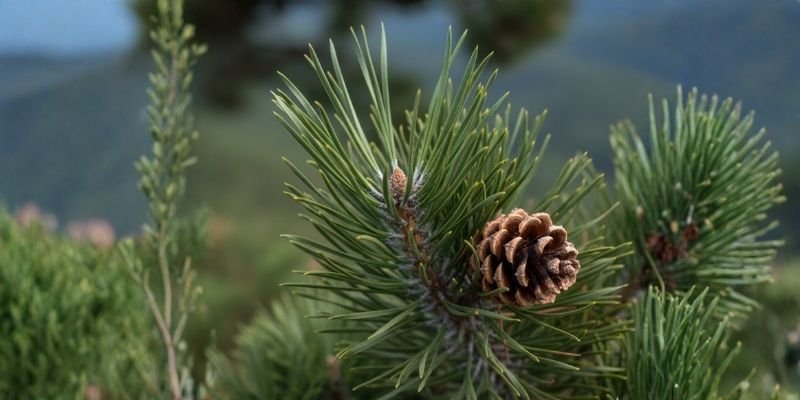
If you’ve ever stood under a sturdy Austrian pine on a windy day and felt its solid presence, you know why so many folks turn to this tree for tough landscapes. The Austrian pine, or Pinus nigra, is one of those reliable evergreens that just gets on with the job. It holds its dark green needles year-round, stands tall with an upright form when young, and eventually spreads into a broad, flat-topped crown that gives real character to a yard or property line. I’ve planted dozens of these over the years, mostly for windbreaks on exposed sites or as anchors in larger gardens, and they rarely disappoint when given a fair start.
What draws people to Pinus nigra is its no-nonsense toughness. This tree handles poor soils, city pollution, salt spray near roads, and dry spells better than many other pines. It’s a go-to for windbreaks because its dense branching cuts wind effectively, and in urban spots, it shrugs off the grime that would stress other trees. For beginners dipping into evergreens or landscapers looking for low-drama plants, the Austrian pine offers a lot of bang for the effort.
Here’s a quick rundown of the essentials for this versatile conifer:
- Common Name: Austrian pine
- Botanical Name: Pinus nigra
- Family: Pinaceae
- Plant Type: Evergreen conifer tree
- Mature Size: 40–60 feet tall, 20–40 feet wide (can reach 75–100 feet in ideal conditions)
- Growth Habit: Pyramidal when young, becoming broad, flat-topped, and irregular with age
- Growth Rate: Medium (about 1–2 feet per year when established)
- Sun Exposure: Full sun (at least 6–8 hours daily)
- Soil Type: Adaptable; prefers well-drained loamy or sandy soils but tolerates clay and poor conditions
- Soil pH: Slightly acidic to alkaline (pH 6.0–8.0)
- Hardiness Zones: USDA 4–8 (some sources say 3b–7, with survival in 8)
- Native Area: Central and southern Europe, parts of western Asia and northwest Africa
- Toxicity: Generally non-toxic to humans and pets; needles may cause mild stomach upset if large amounts are eaten, but no serious poisoning reported
Austrian Pine Care (Season-Wise Care)

Caring for an pine changes with the seasons, but the core idea is simple: give it space, good drainage, and avoid babying it too much once established. This tree is naturally drought-tolerant, so overwatering causes more problems than underdoing it.
Spring Care for Austrian Pine
Spring is when Pinus nigra wakes up and pushes new candles (those soft, extending shoots). Watch for any winter damage—broken tips from snow or wind—and prune them out early. This is also prime time for planting new Austrian pines if your soil has thawed. Mulch around the base with 2–3 inches of organic material to keep roots cool and moist as temperatures climb. Avoid heavy fertilizing; if the tree looks pale, a light application of slow-release evergreen fertilizer works, but most healthy Austrian pines don’t need it. Check for early signs of tip blight on new growth, especially after wet springs.
Summer Care
Summer heat tests Pinus nigra, but once rooted, it handles dry periods well. Water deeply every 10–14 days during prolonged dry spells, especially for trees under 5 years old. Mature ones rarely need extra water unless the ground cracks. Keep the area around the trunk weed-free and mulched to retain moisture. Full sun is ideal, so no shade worries here. Pests like pine tip moths might show up; inspect tips for wilting and remove affected parts promptly.
Monsoon / Rainy Season Care
In areas with heavy summer rains, the biggest risk is fungal issues from poor air flow and wet needles. Space your pines properly (more on that later) and thin crowded branches if needed. Avoid overhead watering. Good drainage prevents root rot. If monsoons bring constant dampness, watch lower branches for needle browning from diseases like Dothistroma—better air circulation helps a lot.
Autumn Care for Pinus Nigra
Fall is cleanup time. Rake up dropped needles to reduce fungal spores overwintering. This is a good window for light pruning of dead wood. Fertilize sparingly if at all—Pinus nigra stores nutrients well. As days shorten, the tree hardens off for winter. Protect young pines from drying winds with a burlap screen if you’re in a harsh spot.
Outdoor Alocasia Care
Brave souls in zones 10–11 can take growing and caring for Alocasia Zebrina outdoors, but it’s a shade-loving guest. Plant in a sheltered bed with morning sun and afternoon cover—think under a patio or tree canopy. Amend soil with compost for moisture retention without waterlogging.
Water deeply but infrequently, matching rainfall. Mulch to lock in coolness. Pests love the fresh air, so inspect undersides regularly. In my brief outdoor experiment (before a freak frost), it loved the space but needed wind protection. If outdoors isn’t forever, treat it as seasonal—bring inside when temps drop below 50°F.
Whew, that’s your seasonal blueprint for growing and caring for Alocasia Zebrina. Tailor it to your corner of the world, and you’ll have a thriving beauty in no time.
How to Plant Austrian Pine (Step-by-Step)
Planting an pine right sets it up for decades of health. The best time is early spring or fall when the ground is workable but not frozen.
Choose a spot in full sun with good drainage—Pinus nigra hates wet feet. Avoid low-lying frost pockets. For windbreaks or screens, space trees 15–25 feet apart depending on desired density; for specimens, give 30–40 feet.
Dig a hole twice as wide as the root ball but no deeper. Loosen the soil in the bottom and sides. If your soil is heavy clay, mix in some coarse sand or compost. Place the tree so the root flare sits at ground level—too deep invites rot. Backfill, tamp gently, and water thoroughly to settle soil. Mulch around the base, keeping it away from the trunk.
Watering & Fertilizing
Young pines (first 2–3 years) need regular water—about 1 inch per week, more in heat. Soak deeply to encourage roots downward. Mature Pinus nigra are drought-tolerant; water only during extreme dry spells.
Fertilizing isn’t usually needed for pine in decent soil. If growth is slow or needles pale, apply a balanced slow-release fertilizer in spring. Over-fertilizing causes soft growth prone to pests.
Pruning Pine Trees
Prune pine in late winter or very early spring before new candles emerge. Remove dead, damaged, or crossing branches to maintain structure. For shape, pinch back candles by half when they extend in spring—this keeps the tree compact.
Avoid topping or heavy shearing; it ruins natural form and invites disease. Common mistakes: pruning in wet seasons (spreads fungi), cutting into old wood (doesn’t regrow), and ignoring lower branches (leads to leggy look).
Propagating
Pinus nigra is easiest from seed. Collect cones in fall when they open, extract seeds, stratify in moist sand in the fridge for 60–90 days, then sow in spring. Germination takes weeks to months. Seedlings grow slowly at first.
Cuttings or grafting are tricky and low-success for beginners—stick to seeds for home propagation.

Austrian Pine in Winter & Cold Tolerance
Pinus nigra handles cold down to -25°F or lower, depending on origin. It tolerates snow and ice well, with flexible branches shedding weight. Young trees may suffer winter burn in exposed sites—mulch heavily and use windbreaks.
Common Pests & Diseases of Pinus Nigra
Austrian pine faces challenges, especially in humid areas. Diplodia (Sphaeropsis) tip blight causes tip dieback, brown needles with black fruiting bodies—prevent with good spacing and avoid pruning in wet weather.
Dothistroma needle blight shows reddish bands on needles, leading to browning and drop. Pine wilt nematode can kill trees quickly.
Pests include Zimmerman pine moth (boring into trunks) and various beetles.
Prevention: Plant in sunny, airy spots; water at base; remove infected parts. Fungicides help for severe cases, but healthy trees resist better.
Landscape Uses of Pine
Austrian pine excels as windbreaks—its density blocks wind effectively. For privacy screens, plant in rows. In urban landscapes, it tolerates pollution and salt. Large gardens and parks benefit from its specimen form or groupings for year-round interest.
How to Keep Pine Healthy & Long-Lived
Focus on strong roots with proper planting depth and deep watering early on. Prevent needle browning by avoiding overwatering and ensuring air circulation. Mulch, thin branches, and monitor for stress. With care, Pinus nigra lives 100+ years.
FAQs –
How fast does an pine grow?
Medium rate—1–2 feet yearly once established.
Does pine need a lot of water?
Young ones yes; mature Pinus nigra are drought-tolerant.
When should I prune my pine?
Late winter/early spring.
Is pine good for privacy?
Yes, excellent for screens and windbreaks.
Why are my Pinus nigra needles turning brown?
Could be drought, disease (like tip blight), or winter burn.
How long do pines live?
100–200 years or more with good care.
There you have it—practical advice from someone who’s spent years with these tough trees. Plant an Austrian pine thoughtfully, and it’ll reward you with solid, evergreen presence for a lifetime.