In This Article
Astilbe has a magical quality that keeps gardeners coming back year after year. These perennials come to life with feathery plumes of flowers that sway in the wind. They add a soft, romantic touch to shady areas where other plants might have trouble. I’ve been growing astilbe in my own woodland gardens for more than 15 years. Based on what I’ve seen, they are a great choice for those hard-to-reach areas under trees or along north-facing borders because they can handle shade. Astilbe gives you bright flowers without too much work, making even the dullest corners into colorful havens. This is true whether you’re a beginner or an experienced gardener.
To get you started, here’s a quick overview of astilbe’s key characteristics in a handy table:
Botanical Name | Astilbe spp. (various species and hybrids) |
Common Name | Astilbe, False Spirea |
Plant Type | Herbaceous Perennial |
Mature Height & Spread | 1-4 feet tall, 1-3 feet wide (variety dependent) |
Bloom Colors | White, pink, red, lavender, purple |
Light Requirement | Partial to full shade |
Soil Type | Moist, well-drained, rich in organic matter |
Water Needs | Moderate to high; prefers consistently moist soil |
USDA Zones | 3-9 |
Maintenance Level | Low to moderate |
What is Astilbe?
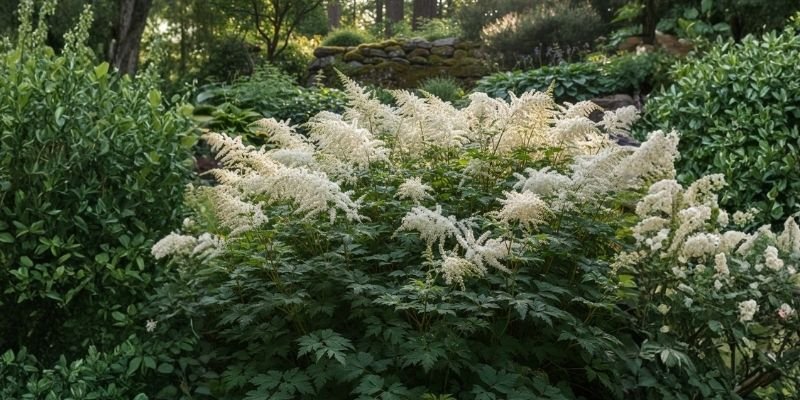
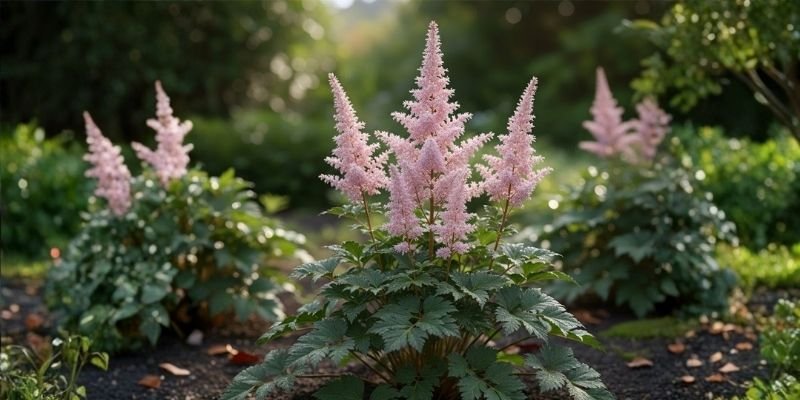
Astilbe is a beautiful perennial that grows well in cool, damp places like the edges of forests and wet meadows in Asia and North America. I have seen how its fern-like leaves come out early in the spring in my gardens, making a lush green carpet before the real show starts. The leaves are shiny and have deep cuts in them. New growth often has a bronze tint that gives the plant texture even when it’s not blooming. In the summer, astilbe sends up tall, airy panicles of tiny flowers that make those famous feathery plumes. These can last for weeks. Depending on the type, flowers can bloom from early summer to early fall, and they keep their color well even when they dry out. What I love most about astilbe is how well it grows in the shade. This makes it a must-have in my shade gardens where there isn’t much sunlight.
Why Grow Astilbe in Your Garden?
Astilbe is a great choice if you want to add color to dark areas without much work. Because it can grow in the shade, it does well where sun-loving flowers don’t, making forgotten corners into focal points. From fluffy whites to deep reds, astilbe’s long-lasting blooms keep things interesting for weeks without needing constant care. This makes it great for busy gardeners. Once it’s done, it doesn’t need much care. It can resist most pests and diseases and attract pollinators like butterflies. I’ve used astilbe to soften edges in borders, give a natural look to woodland areas, and even in wet places near streams where other plants might die. Also, it doesn’t attract deer to my yard, which is a big plus. Overall, growing astilbe increases biodiversity and gives gardens that long-lasting dependability that makes them fun to work in.
Seasonal Care Calendar
To keep your astilbe thriving year-round, I’ve put together this seasonal care calendar based on what works in my own gardens. It’s a simple guide to timing your efforts for the best results.
Season | Key Tasks |
Spring | Divide overcrowded clumps; mulch around plants; fertilize lightly; watch for emerging foliage and water if dry. |
Summer | Water consistently to maintain moisture; deadhead spent blooms; monitor for pests like slugs. |
Fall | Cut back foliage after frost; apply compost; divide if needed; mulch for winter protection. |
Winter | Leave mulch in place; minimal care needed; plan for spring divisions. |
How To Plant And Care For Astilbe
The most important thing to remember when caring for astilbe is to make its environment cool, moist, and shady, like it would be in the woods. I’ve planted a lot of astilbe over the years, and I’ve learned that success starts with careful planning and continues with regular but simple care. Let’s go over the steps I’ve worked out through trial and error.
Step 1: Choose the Right Planting Location
Finding the right place for astilbe is very important because these plants need dappled light or full shade to stay cool. I always look for spots in my garden that get morning sun but stay cool in the afternoon. These are usually north-facing beds or areas next to hostas and ferns. Avoid full sun, especially in hotter areas, because it can make the leaves wilt and the flowers fade. Stay away from areas of your yard that are dry; astilbe needs consistent moisture, so being close to a water source or rain garden is helpful. I’ve had great luck planting astilbe near downspouts, where runoff keeps the soil moist and makes the plants grow without any extra work.
Step 2: Prepare Moist, Organic-Rich Soil
Astilbe does best in soil that is rich and holds moisture, so preparing the bed is a must for me when I care for my astilbe. I dig down about 12 inches and mix in a lot of compost or leaf mold to add organic matter. The goal is to get a loamy texture that drains well but doesn’t dry out too quickly. If your soil is heavy clay, like mine in some places, add some sand or perlite to help the roots breathe and keep them from rotting. It’s smart to test the pH because astilbe likes slightly acidic to neutral (6.0–7.0). If the pH is too high, I add pine needles to lower it. This foundation gives the plant strong roots, which makes it easier to care for astilbe in the future.
Step 3: Selecting Healthy Astilbe Plants or Divisions
Half the battle in taking care of astilbes is choosing strong starts. When I buy plants from nurseries, I look for ones with healthy, green leaves that don’t have any spots or wilting. I also stay away from plants that are leggy or root-bound. In the spring or fall, I often divide my own mature astilbe clumps, choosing sections with at least three buds to help them grow quickly. If you’re starting with bare roots, make sure they’re plump and not dried out. Based on what I’ve seen, making healthier choices now will save you trouble later, so don’t skimp here; it’s the key to planting astilbe successfully.
Step 4: Planting at the Correct Depth and Spacing
Many problems with astilbe care can be avoided by planting them at the right depth. I dig holes that are twice as wide as the root ball and put the crown right at the soil level. If you bury it too deep, it will rot, and if you bury it too shallow, the roots will dry out. For airflow and room to grow, space plants 18 to 24 inches apart. In my borders, this lets them fill in naturally without getting too close. Fill in the hole with amended soil, gently pressing down around the roots, and then cover it with mulch right away. When you plant is important. Plant in the spring after the last frost or in the early fall so the roots can grow before winter.
Step 5: Watering for Strong Root Establishment
Watering is an important part of taking care of astilbe, especially when they are first planted. After planting, I soak the area deeply to settle the soil and help the roots grow. Then I keep the soil moist without making it soggy—about an inch per week, more in hot weather. I water early in the morning when it’s dry to cut down on evaporation. Mulch helps, but check the soil every week. If the astilbe wilts quickly, it’s time to water it. This step is a game-changer in my gardens because regular watering makes the plumes lush.
Step 6: Feeding and Soil Enrichment
If you do it right, feeding astilbe isn’t too much—it’s part of taking care of astilbe in a balanced way. I use a balanced, slow-release fertilizer in the spring when growth starts, and I mix it into the topsoil. Compost tea and fish emulsion are two organic options that work great in the middle of the season to boost blooms. Don’t give your plants high-nitrogen feeds that make leaves grow faster than flowers. Based on my experience, adding compost to the soil every year keeps the nutrients steady, which means you don’t need to add anything else and your astilbe will grow strong and healthy year after year.
Step 7: Mulching to Retain Moisture
Mulching is an easy but effective way to care for astilbes. In the spring, I put 2 to 3 inches of organic mulch, like shredded bark or leaves, around plants. I make sure it doesn’t touch the stems so they don’t rot. This keeps moisture in, keeps weeds down, and keeps the soil temperature from getting too hot or too cold, which is important for plants that like shade, like astilbe. In the fall, refresh for winter insulation. After years of gardening, I’ve seen how mulch can turn uneven beds into healthy ones, which means less work watering them.
Step 8: Pruning, Deadheading, and Seasonal Cleanup
It looks better and stays healthy when you take care of astilbe. I cut off the spent plumes just above the leaves in the middle of summer. This made them bloom again and kept them from making seeds. I cut the leaves back to the ground in the fall, after the frost, to keep things neat and stop diseases. You should pick up old trash before new growth starts in the spring. This part of my yearly care for astilbe keeps the plants healthy and free of bugs with little effort.
Step 9: Long-Term Astilbe Care and Maintenance
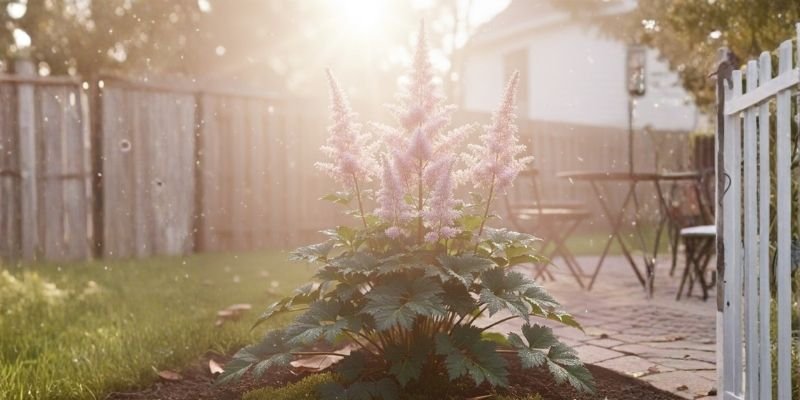
To keep astilbes healthy for a long time, you should check on them and split them up every three to four years to keep them from getting too crowded. I’ve found that this makes the clumps look great again. Look out for slugs or powdery mildew, and treat them naturally if you need to. Extra mulch protects roots in colder areas. Adding shade cloth to warm areas of your garden is one way to make sure it lasts a long time. For more than ten years, my astilbe beds have thrived thanks to these habits. This shows that regular care pays off.
Best Astilbe Varieties
I’ve tried a lot of different types of astilbe over the years, and some of them are so good that they should be in every garden. For small areas, “Rheinland” is a good choice because it has bright pink plumes on 2-foot stems that make great borders. The “Fanal” plant has deep red flowers that stand out in the shade and can grow to be 2 to 3 feet tall. “Bridal Veil” gives you taller drama with white, airy flowers that can grow up to 3 feet tall, making it great for backdrops. If you love lavender, you should get “Amethyst,” which grows to 2 to 4 feet. If you want a smaller pink plant for containers, “Sprite” is a good choice at less than 18 inches. Each one has its own height and color, so you can mix them to make the blooms last longer.
Beginner Mistakes to Avoid
When new gardeners plant astilbe in too much sun, the leaves get burned. Always put shade first. When the soil doesn’t drain well, too much water can cause root rot. Make sure the soil stays moist while it drains. If you don’t use mulch, the roots will dry out quickly. Too much fertilizer makes plants grow too floppy. Use balanced feeds only when you need to. If you don’t split clumps every few years, they will bloom weakly. If you stay away from these, you’ll have strong astilbe without any problems.
Landscaping Ideas and Garden Design Tips
Astilbe looks great in landscape designs, especially in shade beds where I use it with hostas to add texture. For soft edges, plant mid-height varieties in borders. For a more dramatic look, plant tall varieties among ferns in woodland gardens. If you want to create a natural look, put astilbe near ponds or streams where they can get some moisture. Containers work as well; I’ve planted dwarfs in pots on shady patios and watered them regularly. Add depth by mixing colors, like pinks and whites, and by changing the heights of the layers. These ideas can make regular yards into peaceful getaways.
Expert Tips for Bigger, Longer Blooms
I know a few ways to make astilbe flowers look better because I’ve been gardening for a long time. To get more flowers and better pollination, plant in groups of three or more. Adding bone meal to the soil when you plant will give the plants more phosphorus, which will help them bloom. During hot summers, mist the leaves at night to make them feel like they’re in a humid place. Flowers last longer when you plant them next to plants that hold moisture, like ligularia. Finally, don’t stress plants out when it’s hot; regular care will make plumes last for weeks longer.
Propagation Methods (Division + Seeds)
Growing astilbe from seed is a cheap way to add to your collection. To divide, in early spring or fall, dig up mature clumps and carefully cut them into sections with roots and buds using a sharp knife. Replant right away in soil that has been prepared and water it well. This is how I have doubled my beds with great success. It’s harder to start from seeds, but it’s worth it. Plant them indoors in late winter on a moist seed mix and keep them at 65–70°F under light. Germination takes 3-4 weeks; transplant seedlings outdoors after hardening off. Be patient because it can take 2 to 3 years for seed-grown astilbe to bloom. But it’s a fun project for dedicated gardeners.
Astilbe is a simple, rewarding perennial that adds effortless beauty to shade gardens. Astilbe is a plant that stays beautiful season after season with very little care. That’s why it’s one of my favorite plants.
FAQs –
1. What are the benefits of astilbe for people who are new to shade gardening?
Astilbe is a good plant for beginners because it can handle different levels of shade and doesn’t need to be pruned or pest-controlled all the time like some other plants do. From what I’ve seen, it grows quickly and blooms reliably as long as you keep the soil moist and keep it out of direct sunlight. Beginners often do well when they start with hardy hybrids and learn the basics of caring, like watering them once a week. This builds confidence without putting too much pressure on them.
2. What should I do about astilbe that isn’t blooming well?
If your flowers aren’t blooming well, it could be because the soil is too dry or there are too many plants in one place. Check the moisture levels first and water deeply if necessary. I brought dull back to life by splitting up clumps in the spring to give the roots more room. Make sure the plants get some shade and use a bloom booster fertilizer when they are young. Don’t give them too much nitrogen. Patience is important. Young plants may take a season to grow, but if you take care of them regularly, they will bloom a lot.
3. Can you grow in pots?
Yes, astilbe does well in pots if you give it the right conditions. Fill big pots with potting mix that has compost added to it and has drainage holes. Put them in the shade and water them often so they don’t dry out. I’ve grown dwarfs like “Sprite” this way on my porch. To keep container alive in the winter, move them to a protected area in cold areas. This makes caring for them easy in small spaces.
4. How can you keep pests and diseases from getting to your astilbe?
Astilbe is pretty tough, but slugs can eat young leaves. I use beer traps or scatter organic pellets to keep them away. If you have powdery mildew in damp areas, space out your plants to let more air flow and don’t water them from above. Most problems don’t happen when the soil is healthy. I rarely need sprays, but if spots do show up, I use neem oil. Taking care before problems happen, like cleaning up in the fall, keeps them from happening.
5. How does stack up against other shade-loving perennials, such as hostas?
Hostas have big leaves, and astilbe has plumes that add vertical interest. Together, they make a great pair in shade beds. Astilbe needs more water than some hostas, but its flowers last longer. In my gardens, hostas ground the design and astilbe lifts it up by adding layers of texture. Both are easy to care for, but astilbe’s range of colors makes it more appealing to pollinators.
6. Is safe from deer, and how can I make it even safer?
Astilbe’s fuzzy texture keeps deer away from my yard more than many other plants, but they might still nibble if they’re hungry. It helps to plant next to things that smell strong, like lavender, or to use motion sprinklers. Fencing off young plants or using repellents at certain times of the year works like magic. In general, its natural resistance makes it easier to care for astilbe in areas where there are a lot of animals.
7. What are the best soil amendments for bad garden soil?
Add a lot of aged compost to sandy or depleted soil to help it hold water and nutrients better. I’ve done this to turn barren areas into lush ones. If you need to, peat moss or coconut coir will make the soil more acidic, and perlite will help it drain. Mulch that you put on once a year breaks down over time, adding nutrients without digging. Tailored changes make caring for astilbe worth it, even when things are tough.
8. How long does it take for astilbe that has just been planted to grow?
If you water it correctly, new astilbe will usually root in 4 to 6 weeks. However, it may take a whole season for it to fully establish. I’ve seen that it takes less time to settle in cool, wet springs than in hot ones. For strong growth, make sure they get enough moisture and shade during this time. By the second year, they are often blooming a lot, which shows why taking care of astilbe takes time.