In This Article
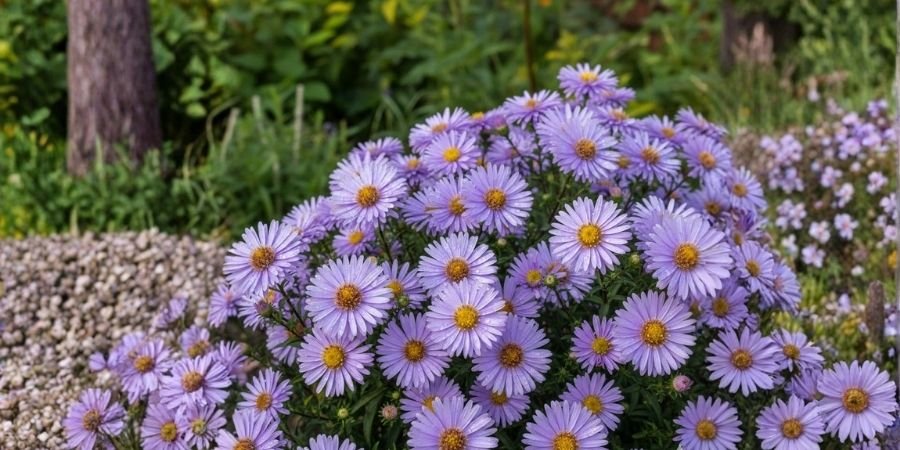
If you’ve ever walked through a garden in late summer or early fall and spotted those cheerful, daisy-like blooms popping up when most other flowers have called it quits, chances are you’ve seen asters. These star-shaped wonders (the name comes from the Greek word for “star”) bring a burst of color just when the garden needs it most. Their clusters of small flowers in shades of purple, pink, blue, and white light up borders, meadows, and wild corners, while feeding bees, butterflies, and other pollinators that are scrambling for late-season nectar.
And yes — to answer one of the most common questions I get from beginners — are asters perennials? Absolutely, most garden asters are reliable perennials. They die back in winter and come roaring back year after year, often getting bigger and better with time. There are a few annual types out there (like China asters), but when folks talk about asters in the perennial garden, they’re usually referring to the hardy ones that return faithfully.
Here’s a quick overview to get you familiar with these lovely plants:
Detail | Information |
Common Name | Asters |
Botanical Name | Symphyotrichum spp. (most North American types), Aster spp. (European/Asian), and related genera |
Family | Asteraceae (daisy family) |
Plant Type | Mostly hardy perennials; a few annuals or short-lived types exist |
Mature Size | Varies widely — from 1–2 feet for compact varieties to 4–6 feet for tall ones |
Growth Habit | Clumping and bushy, often upright with branching stems; some spread gently |
Sun Exposure | Full sun preferred (6+ hours); tolerates light afternoon shade |
Soil Type | Well-drained, average to fertile; loamy is ideal, tolerates clay if drained |
Soil pH | Slightly acidic to neutral (around 6.0–7.5) |
Bloom Time | Late summer through fall (often August to frost) |
Flower Colors | Purple, lavender, blue, pink, white; yellow centers usually |
Hardiness Zones | 3–9, depending on variety (many very cold-hardy) |
Native Area | Mostly North America for popular garden types; some from Europe/Asia |
Toxicity | Non-toxic to humans and pets; safe around kids and animals |
Are Asters Perennials? (Detailed Explanation)

Most asters are indeed perennials — that’s what makes them such a smart choice for home gardens. Once established, they settle in and return reliably each spring from the same root system.
Why most asters are perennials
The popular garden asters (especially the North American natives like New England and New York types) have tough, fibrous roots that survive winter cold. They go dormant when frost hits, storing energy underground, then send up fresh shoots as soon as soil warms. This perennial habit lets them build strength over years.
Differences between perennial asters and annual look-alikes
Perennial asters have persistent roots and regrow from the base every year. Annual types, like China asters (Callistephus chinensis), complete their whole life in one season — grow, bloom, set seed, and die. They look similar with daisy blooms, but you have to replant them yearly. Stick with true perennial asters (mostly Symphyotrichum species) for that “set it and forget it” reliability.
How long asters live
In good conditions, perennial asters can thrive for 5–10 years or more. Some natives keep going even longer in the wild. They might need dividing every few years to stay vigorous, but that’s easy.
What makes asters return every year
It’s all about those hardy roots. They store nutrients and energy through winter dormancy. Proper care — good drainage to avoid rot, mulching for protection — helps them bounce back stronger. Asters are tough survivors once you get them settled.
Asters Care (Season-Wise Care)
Spring Care for Asters
As new shoots emerge (usually April–May depending on your zone), clean up any leftover dead stems from last year if you didn’t cut back in fall. Add a light layer of compost around the base for nutrients. Water regularly if spring is dry to help roots establish. This is also prime time to divide overcrowded clumps.
Summer Care
Keep soil evenly moist but not soggy — about an inch of water per week if rain is scarce. Pinch back stems by a third in early summer (June-ish) for bushier plants and more blooms later. Watch for powdery mildew; good spacing and air flow help a lot. Stake taller varieties early to prevent flopping.
Monsoon / Rainy Season Care
In wetter periods (common in places like Haryana during monsoon), ensure excellent drainage to prevent root rot. Avoid overhead watering — soak at the base. Good airflow is key here to dodge fungal issues.
Autumn Care for (Bloom Time)
This is their moment! Enjoy the show from late summer through fall. Deadhead spent flowers to encourage more blooms if you want. Leave some seed heads for birds — finches love them. Pollinators will thank you too.
Winter Care for Perennials
In colder zones, mulch with leaves or straw after the ground freezes to insulate roots. In milder areas, they often need little help. Cut back dead foliage in late fall or early spring — either way works.
Types of Asters (Popular Perennial Varieties)
Here are some favorites that home gardeners love:
New England Aster (Symphyotrichum novae-angliae)
Tall and sturdy, with big, vibrant purple or pink blooms. Great for back borders; very attractive to butterflies.
New York Aster (Symphyotrichum novi-belgii)
More compact, bushy habit with loads of flowers in pink, purple, or blue. Perfect for mid-border; many cultivars available.
Aromatic Aster (Symphyotrichum oblongifolium)
Bushy mounds with sky-blue or lavender blooms; aromatic foliage when crushed. Drought-tolerant and native favorite.
Smooth Aster (Symphyotrichum laeve)
Upright with small lavender flowers; smooth leaves. Excellent for naturalizing.
Heath Aster (Symphyotrichum ericoides)
Low-growing, spreading groundcover with tiny white blooms. Great for edges or rock gardens.
How to Plant Asters (Step-by-Step)
Best planting time
Spring after frost danger, or early fall so roots settle before winter.
Sun and spacing requirements
Full sun is best for strongest blooms; space 1–3 feet apart depending on variety (taller ones need more room).
Soil preparation
Dig in compost to loosen soil and improve drainage. Aim for fertile but not overly rich.
Garden vs container planting
In the ground, mix with other perennials. For pots, use well-draining mix; great for patios, but water more often.
Pruning & Deadheading
Pinch tips in early summer for bushier growth and extra flowers. Deadhead regularly during bloom to keep things tidy and prolong flowering. Avoid heavy pruning after mid-summer — it reduces blooms. Common mistake: not pinching early enough, leading to floppy plants.

Propagating
Division (easiest): In spring, dig up clump, split with sharp spade into sections with roots, replant.
Cuttings: Take 3–4 inch stem cuttings in late spring, dip in rooting hormone, plant in moist soil; keep shaded until rooted.
Overwintering Perennials
They go dormant naturally. Mulch after frost for extra protection in harsh winters. Avoid wet feet — good drainage is crucial.
Common Pests & Plant Diseases
Pests: Aphids, lace bugs — hose off or use insecticidal soap. Slugs in wet conditions.
Diseases: Powdery mildew (white coating) — improve air flow. Rust or wilt — remove affected parts, avoid overhead water.
Prevention beats cure: space plants, water at base.
How to Keep Blooming Year After Year
Divide every 3–4 years in spring. Feed lightly with compost. Pinch for bushiness. Ensure full sun and good drainage. Mulch, water consistently first year. Choose disease-resistant varieties. These simple habits keep vigorous and full of blooms for years.
FAQs – Care & Perennial Questions
1. Are perennials?
Yes, most garden are hardy perennials that return every year.
2. How long do live?
5–10+ years with good care; divide to refresh.
3. When do bloom?
Late summer to fall — perfect for extending the season.
4. Do asters need full sun?
Yes, for best flowering; they tolerate light shade but bloom less.
5. How do I stop from flopping?
Pinch in early summer and stake tall types.
6. Can handle hot summers?
They prefer cooler weather; afternoon shade helps in very hot areas.
There you have it — everything you need to grow healthy, long-lasting asters. Once you get them going, they’ll reward you with years of easy color and wildlife joy. Happy gardening!