In This Article
Hey there, plant enthusiasts! If you’ve ever strolled into a welcoming living room or a sun-drenched patio and been greeted by those airy, plume-like fronds, you’re likely familiar with the Asparagus fern. I’ve spent the last fifteen years nurturing houseplants and container gardens, and I’ve cultivated a fair number of these lovelies. They’re a favorite for a reason, I assure you. Their soft, delicate leaves instantly bring a sense of grace and playfulness to any room, and the best part?
They’re actually quite simple to look after, even if you’re new to gardening. If you’re aiming to add some life to a shelf or maybe even craft a beautiful hanging arrangement, caring for an Asparagus fern is all about ease and a little bit of time. In this guide, I’ll pass on what I’ve discovered through my own experiences, so you can enjoy a healthy Asparagus fern without any of the uncertainty.
To kick things off, here’s a quick overview of the plant’s key details in a handy table. I’ve put this together based on what I’ve observed in my own collections over the years.
Field | Details |
Botanical Name | Asparagus densiflorus |
Common Name | Asparagus Fern |
Plant Type | Evergreen perennial |
Mature Size | 1-3 feet tall and wide |
Growth Habit | Trailing or upright, with arching stems |
Light Requirement | Bright, indirect light; tolerates some shade |
Soil Type | Well-draining potting mix, slightly acidic |
Water Needs | Moderate; keep soil evenly moist but not soggy |
Humidity Requirement | Medium to high; 40-60% ideal |
Maintenance Level | Low to moderate |
What is Asparagus Fern?

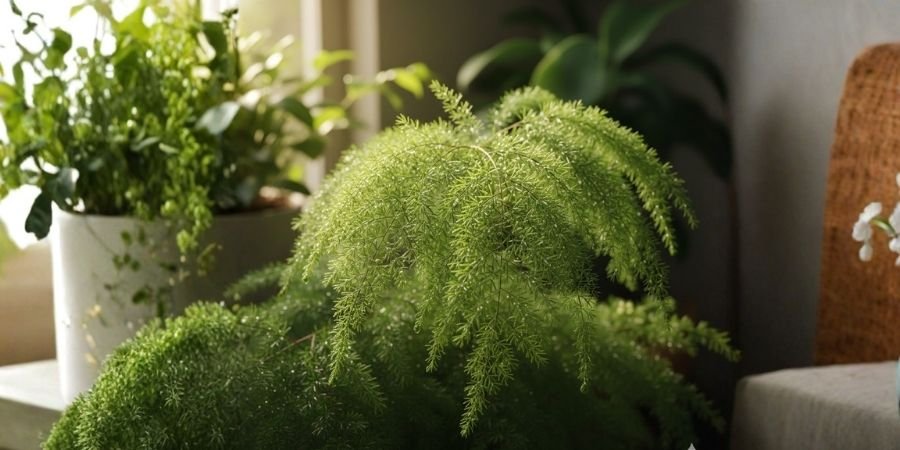
The asparagus fern, contrary to its name, isn’t a true fern. It’s actually more akin to the asparagus we cultivate in our gardens, a fact that often catches people off guard when I bring it up. Hailing from southern Africa, this plant has graced homes and gardens for ages, thanks to its distinctive look. Imagine elongated, slender stems adorned with diminutive, needle-like leaves, which collectively create that characteristic, feathery texture.
It tends to grow in a bushy, trailing manner, which makes it ideal for cascading over the sides of pots or hanging baskets. The plant’s growth habit can vary significantly, from a compact form to a more sprawling one, depending on the specific type. Though it seldom flowers inside, it might yield tiny white flowers outdoors, eventually giving way to red berries. What I find most appealing is its versatility; I’ve observed Asparagus ferns flourishing in both the humid environment of a bathroom and the drier conditions of a living room, provided the fundamental care requirements are met.
Why Grow Asparagus Fern at Home?
An Asparagus fern has a certain charm, doesn’t it? Its delicate fronds seem to instantly lighten a room. In my experience, it’s a top choice for anyone wanting to introduce some texture and fullness without a lot of fuss. While it won’t completely transform your air quality, it does help, and its tendency to cascade makes it perfect for both indoor and outdoor settings.
If you’re a fan of container gardening, you’ll know how it can transform pots, giving them that full, vibrant look reminiscent of a tropical paradise, even in a city apartment. It’s also great for those just starting out; I’ve brought back plants that were practically forgotten with just a bit of care. Whether you’re using it to brighten up a balcony or as a desk plant, the advantages of caring for an Asparagus fern go beyond the physical—seeing those fronds open up is genuinely soothing.
Seasonal Care Calendar
Caring for an Asparagus fern changes with the seasons, and I’ve learned to adjust my routine accordingly to keep mine looking their best year-round. Here’s a simple table outlining the key tasks for each season, drawn from my own gardening schedule.
Season | Key Care Tasks |
Spring | Repot if needed; increase watering as growth resumes; fertilize lightly; prune dead fronds. |
Summer | Water more frequently; provide shade from intense sun; monitor for pests; mist for humidity. |
Fall | Reduce watering; move indoors if outdoor; fertilize sparingly; check for root health. |
Winter | Keep in bright spot; water minimally; avoid drafts; no fertilizing; rest period for plant. |
How To Plant And Care For Asparagus Fern
Alright, let’s get into the nitty-gritty of caring for Asparagus ferns. Think of this as a friendly chat, just like I’d have with someone who’s just gotten their first plant. I’ll share what I’ve learned from actually growing them myself.
Step 1: Choose the Right Location (Indoor or Outdoor)
Choosing the right location for your Asparagus fern is key to keeping it healthy. I’ve always kept mine indoors near east or west windows. They thrive on the soft morning or afternoon light, but the intense midday sun can be damaging to those fragile leaves. If you’re putting yours outside, a shaded patio or the dappled light beneath a tree is best. Full sun is a bad idea in hot areas; it can cause the leaves to turn yellow. Based on my own experience, Asparagus ferns do well outdoors in zones 9-11, though I’ve also successfully kept them indoors during the winter in cooler regions. Don’t forget about humidity. Bathrooms or kitchens are perfect for them indoors, as they replicate the plant’s natural, humid habitat. Just make sure there’s good air circulation to avoid any problems.
Step 2: Provide Ideal Light Conditions
Light is key to a thriving Asparagus fern. From what I’ve seen, bright, indirect light is ideal. Picture a spot a couple of feet from a sunny window, with sheer curtains to diffuse the light. Conversely, too much direct sun will cause the tips to turn brown. I’ve tried using grow lights during the winter, when natural light is limited. I set them for 10-12 hours a day, and the foliage stays healthy. Outdoors, dappled shade beneath larger plants is also effective. Don’t forget that adjusting the light as the seasons change is an important part of keeping your Asparagus fern healthy and stress-free.
Step 3: Prepare Well-Draining Potting Mix
The right soil is crucial for your Asparagus fern’s well-being. I always whip up my own potting mix: equal parts peat moss, perlite, and standard houseplant soil. This guarantees superb drainage, a must since these plants despise being waterlogged. Aim for a slightly acidic pH, ideally around 6.0-6.5. I’ve found that adding a touch of pine bark to store-bought mixes improves aeration. Heavy garden soil is a no-go; it compacts and can cause root rot. When I’m getting things ready, I toss in a handful of compost for nutrients. This has helped my Asparagus ferns develop more robust roots over the years. This setup is essential for Asparagus fern care, promoting healthy growth without the sogginess.
Step 4: Planting or Repotting Correctly
When you’re ready to plant or repot your Asparagus fern, the first step is to select a pot with drainage holes. I’ve learned the hard way, losing a few to root problems because of poor choices early on. Carefully take the plant out of its nursery pot, gently separating any roots that are tangled. Then, place it in the new container at the same depth it was in before. Fill in around it with your prepared mix, pressing down lightly to get rid of any air pockets. Finally, give it a thorough watering to settle the soil. I repot every year or two in the spring, when the roots start to show at the bottom. I use a pot that’s only one size larger to avoid overwatering. This careful method of caring for Asparagus ferns helps ensure a smooth transition and encourages vigorous new growth.
Step 5: Watering for Healthy Growth
Checking the top inch of soil is the key to watering an Asparagus fern properly. If it’s dry, give it a thorough soaking until water seeps from the bottom, then let it drain completely. I’ve noticed they thrive on consistent moisture, but not being constantly soggy. Overwatering results in yellowing fronds, while too little water causes browning. During the summer, I water every five to seven days, and in winter, I cut back to every ten to fourteen days. Use room-temperature water to prevent shocking the roots, and if your tap water is hard, let it sit out overnight. Keeping an eye on humidity is also helpful; misting weekly in dry homes prevents the tips from becoming crispy. This careful approach to watering is essential for achieving that lush, feathery look in your Asparagus fern.
Step 6: Feeding and Fertilizing
Fertilizing your Asparagus fern can give it a real boost, but moderation is key. I find a balanced, water-soluble fertilizer, mixed to half strength, does the trick. I apply it every four to six weeks during the growing season—spring and summer. A formulation like 10-10-10 has worked well for me. Don’t fertilize in the fall and winter, though, when the plant’s growth naturally slows down; I’ve noticed that over-fertilizing can cause the plants to become leggy. Organic alternatives, such as worm castings worked into the soil once a year, offer a gentler approach. Always water your fern before you fertilize to avoid burning the roots. This straightforward feeding schedule is a simple but effective way to care for your Asparagus fern, resulting in lusher, more robust foliage.
Step 7: Pruning and Shaping the Plant
Pruning your Asparagus fern is key to keeping it looking neat and fostering a fuller, bushier plant. I routinely trim away any dead or yellowing stems, cutting them right at the base with a pair of clean shears. I do this every few months, or whenever I see the need. To shape the plant, I’ll lightly trim the tips; this encourages branching, and I’ve seen sparse plants transform into beautiful, full cascades using this method. Be sure to wear gloves, as the stems can be a bit prickly. After pruning, a light misting and some extra light will help the plant bounce back. This simple maintenance task not only improves the fern’s appearance but also helps prevent disease by allowing for better airflow.
Step 8: Managing Pests and Common Problems
Spider mites and mealybugs are the unwelcome guests that can suddenly appear on Asparagus ferns, particularly when the air is dry. I’ve found that a soapy water wash of the leaves, or weekly applications of neem oil, usually does the trick. Yellowing leaves often signal overwatering; it’s a good idea to check the roots and repot if they’re mushy. If the fronds are browning, it’s likely a humidity issue, easily remedied with misting. Fungal spots? Better air circulation is the answer. The best defense in caring for Asparagus ferns is early detection. I make it a point to inspect mine every week to nip any potential problems in the bud.

Step 9: Long-Term Asparagus Fern Care and Maintenance
Long-term care for your Asparagus fern means staying on top of things. Turn the pot periodically to encourage balanced growth, and don’t hesitate to divide the plant when it gets too crowded, perhaps every couple of years. I’ve had some of mine thriving for over ten years, thanks to yearly soil refreshes and keeping them out of cold drafts. If you have them outside, be mindful of the berries—they’re poisonous, so keep them away from pets. Regular attention fosters strength, transforming your Asparagus fern into a robust, year-round friend.
Best Asparagus Fern Varieties
Over the years, I’ve cultivated a few different Asparagus fern varieties, and each has its own appeal. The ‘Sprengeri’ is a favorite of mine, thanks to its thick, cascading fronds that look lovely spilling out of hanging baskets. For a more formal appearance, I often use ‘Meyeri’ or foxtail fern, which has those upright, plume-like stems. Then there’s ‘Plumosus,’ which has delicate, lace-like leaves, making it great for those more fragile arrangements. ‘Myersii’ is a good choice if you’re short on space; it’s compact and bushy. They all have similar care requirements, so it’s really about what suits your aesthetic.
Beginner Mistakes to Avoid
New gardeners frequently drown Asparagus ferns, which can quickly lead to root rot. The key is to allow the soil to dry out a bit before watering again. Another common mistake is exposing them to too much direct sunlight, which can scorch the leaves. They prefer indirect light. Dry air in the home can also be a problem, causing the leaf tips to turn brown. If you don’t prune, the plant will become leggy. Regular trimming helps it stay bushy. Finally, using subpar soil without proper drainage can create all sorts of issues. Based on what I’ve seen, avoiding these missteps in caring for Asparagus ferns makes a big difference, keeping the plants healthy and happy.
Decorating and Landscaping Ideas
Asparagus ferns are a decor favorite. I’ve got them hanging in macramé baskets, their fronds spilling over for that bohemian look. They also work well in containers, paired with bright annuals on a patio to add some texture. Inside, they soften up bookshelves and tabletops; try grouping them with pothos to create a mini jungle. Outside, they’re great as ground cover in shady spots or as edging along paths. Their adaptability makes caring for Asparagus ferns a satisfying endeavor for anyone looking to get creative with their landscaping.
Expert Tips for Fuller, Greener Growth
To encourage more vigorous growth, I bottom-water. I place the pot in a tray filled with water for half an hour; this keeps the top from getting too wet. I also add Epsom salts—one teaspoon per gallon of water—once a month to give the plant a magnesium boost, which really helps the fronds look their best. In the winter, I keep the fern close to a humidifier. I also give the plant a gentle shake each week to remove any dust from the leaves. These simple steps, part of my Asparagus fern care, consistently result in healthier, fuller plants.
Propagation Methods (Division + Seeds)
Propagating Asparagus ferns is a simple pleasure. If you’re dividing, do it in the spring. Take the plant out of its pot, carefully pull apart the root ball into sections, each with healthy stems and roots, and then replant them in fresh soil. Water them thoroughly and keep them in the shade until they’re settled in—this method has allowed me to double my own collection.
For seeds, wait until the berries are ripe. Then, extract and clean the seeds. Sow them in a moist seed-starting mix, covering them with plastic to maintain humidity. Keep the mix warm (around 70°F) and bright; germination will happen in about three to four weeks. Once the seedlings have developed fronds, transplant them. Both of these methods are easy ways to expand your Asparagus fern collection.
In conclusion, the Asparagus fern is genuinely beginner-friendly, requiring little care and providing beautiful results. With the right light, water, and a bit of attention now and then, it will thrive for years, just like mine have.
FAQs –
1. Is the Asparagus fern safe for pets?
Sadly, yes, the Asparagus fern can be mildly toxic to both cats and dogs if they eat it. The berries can cause stomach upset or skin irritation. From my experience with plants and pets, I’ve always kept them out of reach, like on high shelves or in hanging planters. If your pet happens to nibble on one, keep an eye out for vomiting and call your vet. To be safe, choose pet-friendly plants if you have curious animals. However, with proper placement, you can enjoy caring for your Asparagus fern without worry.
2. Can Asparagus fern grow in low light?
Asparagus ferns, though they thrive in bright, indirect light, have proven surprisingly resilient in dimmer corners, such as north-facing rooms. The trade-off? Growth takes a hit, and the fronds can become sparse. I’ve salvaged leggy specimens by simply relocating them nearer to a window. If you’re struggling to provide enough light, consider using LED grow lights, targeting a daily exposure of eight to ten hours. This flexibility in their care makes Asparagus ferns a good choice for a variety of home environments.
3. How frequently should you give your Asparagus fern a new home?
I suggest repotting every one to two years, or whenever you notice the roots are starting to fill the pot and push out through the drainage holes. Spring is the ideal season, since the plant is in its active growth phase then. Opt for a pot that’s a bit bigger to prevent the roots from sitting in too much soil and getting waterlogged. Based on my own experience, repotting at the right time helps avoid any growth issues and makes caring for your Asparagus fern much simpler.
4. Why are the fronds on my Asparagus fern going yellow?
More often than not, it’s a sign of too much water or inadequate drainage. I’ve already adjusted things, allowing the soil to dry out more between waterings and making sure the pots drain properly. Yellowing can also be a result of nutrient deficiencies or a chilly draft. A quick move to a warmer location and a light feeding should help. When it comes to caring for Asparagus ferns, tackling the underlying issue usually brings back the lush green.
5. Why are the fronds on my Asparagus fern going yellow?
More often than not, it’s a sign of too much water or inadequate drainage. I’ve already adjusted things, allowing the soil to dry out more between waterings and making sure the pots drain properly. Yellowing can also be a result of nutrient deficiencies or a chilly draft. A quick move to a warmer location and a light feeding should help. When it comes to caring for Asparagus ferns, tackling the underlying issue usually brings back the lush green.
6. Can you keep asparagus fern outside all year?
If you’re in USDA zones 9-11, the answer is yes, as a perennial plant in a shady spot. I’ve had success growing mine outdoors in temperate climates, using mulch to shield it from frost. In cooler zones, you’ll need to treat it like an annual, or bring it inside when winter arrives. When growing asparagus fern outdoors, it’s important to watch for pests and give it some protection from the wind to keep it healthy.
7. How do I make my Asparagus fern bushier?
Pinching back the tips of the stems is a good way to encourage bushiness, and I’ve been doing that to promote branching. Make sure your plant gets plenty of light, and don’t forget to fertilize it while it’s actively growing. Cutting back older stems at the base is another helpful step. With consistent care, this approach will eventually turn a sparse Asparagus fern into a lush, appealing plant.
8. What fertilizer is best for Asparagus fern?
A monthly application of a balanced liquid fertilizer, such as 20-20-20 at half-strength, does the trick during the growing season. I’ve recently started using organic fish emulsion for a more natural approach. It’s important not to overdo it, though, to avoid salt accumulation. This feeding method, when applied to Asparagus ferns, promotes healthy, vibrant foliage without any problems.