In This Article
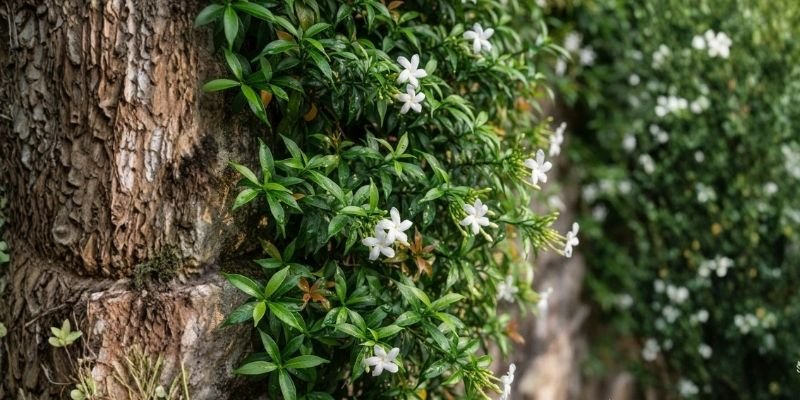
Asiatic jasmine is a tough, evergreen plant that’s loved for its ability to creep along the ground and create a carpet of deep green foliage. Unlike some finicky vines, this one doesn’t climb aggressively unless you train it; instead, it prefers to spread out horizontally, making it ideal for filling in large areas. I’ve used asiatic jasmine in shady spots where grass struggles, and it always delivers that polished look without needing constant attention. Its leaves are small, oval-shaped, and shiny, giving your garden a neat, manicured feel even in the off-seasons. Plus, in warmer months, it surprises you with clusters of tiny, fragrant white flowers that attract pollinators like bees.
One of the reasons asiatic jasmine ground cover is so widely used in landscapes is its low-maintenance vibe. It handles drought pretty well once established, resists most pests, and can even help with erosion on gentle slopes. If you’re tired of mowing or dealing with patchy lawns, this plant could be your new best friend. To give you a quick snapshot, here’s a table with the key details about asiatic jasmine – all based on what I’ve seen in real gardens over the years.
Detail | Description |
Common Name | Asiatic Jasmine |
Botanical Name | Trachelospermum asiaticum |
Family | Apocynaceae |
Plant Type | Evergreen perennial vine or ground cover |
Mature Size | Height: 6-12 inches; Spread: 10-20 feet or more |
Growth Habit | Trailing and spreading, forms dense mats |
Sun Exposure | Full sun to partial shade; tolerates some full shade in hotter climates |
Soil Type | Well-drained, loamy or sandy; avoids heavy clay |
Soil pH | Slightly acidic to neutral (5.5-7.0) |
Bloom Time | Late spring through early summer |
Flower Color | White or creamy white, star-shaped and fragrant |
Hardiness Zones | 7-10; can survive in zone 6 with protection |
Native Area | Eastern Asia, including parts of Japan and Korea |
Toxicity | Mildly toxic to pets and humans if ingested; causes stomach upset |
This table sums up the essentials, but remember, every garden is different – what works in my sunny backyard might need a tweak in yours.
Asiatic Jasmine Care (Season-Wise Care)
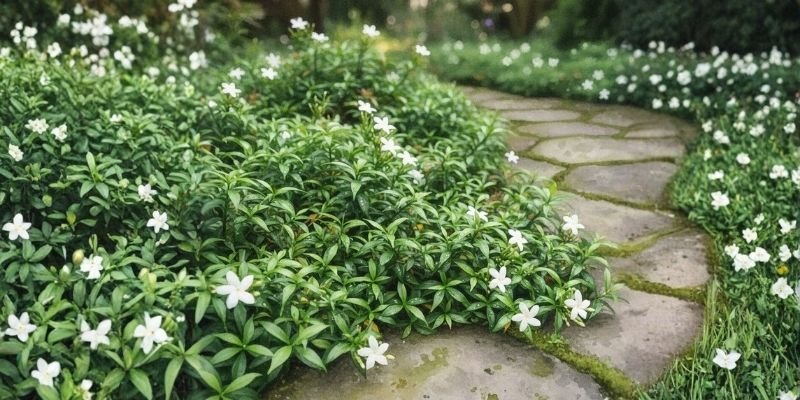
Caring for asiatic jasmine is pretty straightforward, and breaking it down by seasons makes it even easier. I’ve found that this plant thrives with minimal intervention, but a little seasonal attention goes a long way. It’s drought-tolerant once rooted, so you won’t be out there watering every day. Let’s dive into how to handle asiatic jasmine ground cover through the year, keeping things beginner-friendly and focused on low-maintenance strategies.
Spring Care for Asiatic Jasmine
Spring is when asiatic jasmine really wakes up and starts putting out new growth. After winter, check your plants for any dead or damaged stems – I usually just snip those off with clean shears to encourage fresh vines. This is a great time to fertilize lightly; I like using a balanced, slow-release fertilizer around the base, maybe once in early spring. Water deeply if the soil feels dry, but don’t overdo it – asiatic jasmine hates soggy roots.
If you’re in a cooler zone, watch for late frosts and cover young plants with a light cloth if needed. As temperatures warm up, you’ll see those glossy leaves expanding, and by late spring, the first flowers might appear. Keep an eye on weeds; pulling them early prevents competition. In my experience, mulching around the edges with organic material like pine bark helps retain moisture and keeps things tidy.
Summer Care for Asiatic Jasmine
Summer heat can be intense, but asiatic jasmine ground cover handles it like a champ, especially in partial shade. The key is establishing deep roots early on, so water about once a week if there’s no rain, aiming for an inch or so to soak the soil. I always check by sticking my finger in the dirt – if it’s dry a couple inches down, it’s time to water.
Prune lightly if vines start wandering too far, but otherwise, let it spread. Flowers will bloom in waves, adding a sweet scent to your yard. For drought tolerance, avoid fertilizing in peak heat; it can stress the plant. If you notice leaves yellowing, it might be from too much sun – shift to shadier spots if possible. I’ve grown asiatic jasmine under oaks where it stays cool, and it rarely needs extra help.
Monsoon / Rainy Season Care
In rainy seasons or monsoons, asiatic jasmine benefits from good drainage to prevent root rot. If your area gets heavy downpours, make sure the soil isn’t waterlogged; raised beds or adding sand can help. I once had a patch that got too wet, and trimming back excess foliage improved airflow and reduced issues.
Watering isn’t usually needed, but if rains are spotty, supplement as in summer. Watch for fungal spots on leaves – good spacing prevents this. Mulch can wash away, so refresh it post-storm. Asiatic jasmine ground cover’s dense habit actually helps absorb excess water, making it great for erosion-prone areas during wet spells.
Autumn Care for Asiatic Jasmine
As days shorten, asiatic jasmine slows down but keeps its green color. This is prime time for a final light prune to shape it before winter. Remove any summer debris and apply a thin layer of mulch to insulate roots. Fertilize sparingly if growth looks weak, but most established plants don’t need it.
Water less frequently as cooler weather arrives, letting the soil dry out between sessions. In my garden, autumn is when I prepare for potential cold snaps by checking coverage – asiatic jasmine fills in gaps nicely by now. If leaves bronze slightly, it’s normal; it’s just adapting.
Winter Care for Asiatic Jasmine
Winter is low-key for asiatic jasmine in milder zones; it stays evergreen and requires little. Water only if the ground is dry and unfrozen, maybe every few weeks. In colder areas, protect with burlap or extra mulch around the base to shield from frost.
I’ve seen asiatic jasmine survive light snow, but heavy freezes can brown tips – just trim in spring. No fertilizing now; let it rest. Its drought-tolerant nature means it won’t suffer from dry winters, making it a reliable ground cover even when other plants fade.
Asiatic Jasmine as Ground Cover
When it comes to using asiatic jasmine as ground cover, it’s all about that natural spreading magic. The vines trail along the soil, rooting where they touch, creating a thick blanket over time. In my landscapes, I’ve watched it cover 10-15 square feet per plant within a couple years, depending on conditions.
Coverage speed picks up in warm, moist weather – expect moderate growth the first year, then faster spreading. Compared to grass, asiatic jasmine ground cover wins on maintenance: no mowing, less water, and it suppresses weeds by shading them out. For slopes, it’s a hero for erosion control; roots hold soil in place, preventing runoff. I’ve planted it on banks where grass washed away, and it stabilized everything beautifully.
Planting Asiatic Jasmine Ground Cover (Step-by-Step)
Planting asiatic jasmine is simple and rewarding. The best time is spring or early fall when temperatures are mild, giving roots time to settle before extremes.
Start with spacing: For ground cover, place plants 12-18 inches apart to allow spreading without overcrowding. Prepare soil by loosening it 6-8 inches deep, mixing in compost for nutrients and drainage.
Dig holes twice the root ball width, plant at the same depth as the pot, and firm soil around. Water deeply right after – about a gallon per plant – then keep moist for the first two weeks. Mulch to retain water and deter weeds. In my first planting, I staggered rows for quicker fill-in, and it looked full by summer’s end.
Pruning & Controlling Asiatic Jasmine
Pruning asiatic jasmine keeps it neat and controls spread. Do it in late winter or early spring before new growth, or lightly in summer if needed. Why prune? To encourage density, remove dead parts, and prevent invasion into unwanted areas.
How-to: Use sharp shears to cut back vines by a third, shaping as desired. For ground cover, mow on high setting if it’s large. Avoid common mistakes like over-pruning, which stresses it, or cutting in heat, risking sunburn. I’ve learned to prune gradually – better to underdo it than strip too much.

Propagating
Propagating asiatic is easy and cost-effective. Stem cuttings work well: In spring, take 4-6 inch tips with nodes, dip in rooting hormone, and plant in moist potting mix. Keep shaded and humid; roots form in 4-6 weeks.
Layering is even simpler – bend a vine to the ground, cover a section with soil, and pin it. Once rooted (a few months), cut and transplant. I’ve propagated dozens this way for free fillers in my yard.
Jasmine in Winter & Cold Tolerance
In winter, jasmine stays green in zones 7-10 but may brown in colder spots. It’s frost-tolerant to about 10°F, with leaves possibly reddening in chill – a natural response.
For protection, mulch heavily and avoid wet soil. In zone 6, I’ve used row covers successfully. Come spring, it bounces back strong.
Common Pests & Plant Diseases
Asiatic is resilient, but watch for aphids (tiny suckers causing curled leaves) – hose off or use soap spray. Scale insects look like bumps; scrape and oil treat.
Diseases include root rot from poor drainage – prevent with well-drained soil. Leaf spot fungi show brown patches; improve air flow and avoid overhead water. In my experience, healthy plants rarely have issues; regular checks catch problems early.
Benefits & Landscape Uses of Jasmine
The benefits of jasmine ground cover are endless: low maintenance means less work, evergreen foliage provides year-round appeal, and it smothers weeds naturally.
Use it to replace lawns in shady areas, edge borders, cover slopes, or plant under trees where roots compete. I’ve landscaped entire backyards with it for a lush, effortless look.
FAQs –
1. How fast does jasmine grow as ground cover? It starts slow the first year, focusing on roots, then spreads 1-2 feet annually. In ideal conditions, a single plant can cover 10-15 square feet in 2-3 years. Patience pays off!
2. Is jasmine invasive? Not typically invasive like some vines, but it spreads vigorously. Control with edging or pruning. In my garden, it’s stayed manageable.
3. Can jasmine handle full sun? Yes, but partial shade is best in hot climates to prevent scorching. Full sun works if watered well.
4. How much water does jasmine need? Once established, it’s drought-tolerant – water weekly in dry spells. New plants need consistent moisture.
5. What’s the best soil for jasmine ground cover? Well-drained, fertile loam. Amend clay with sand or compost.
6. How to control weeds in jasmine ground cover? Its density naturally suppresses them; mulch helps initially.
There you have it – a complete guide to making jasmine work wonders in your space. With its easy-going nature, this plant has transformed many a yard I’ve touched. Give it a try, and you’ll see why it’s a favorite! If you have more questions, feel free to experiment and observe – that’s the best way to learn. Happy gardening!