In This Article
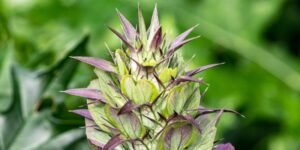
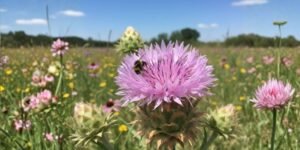
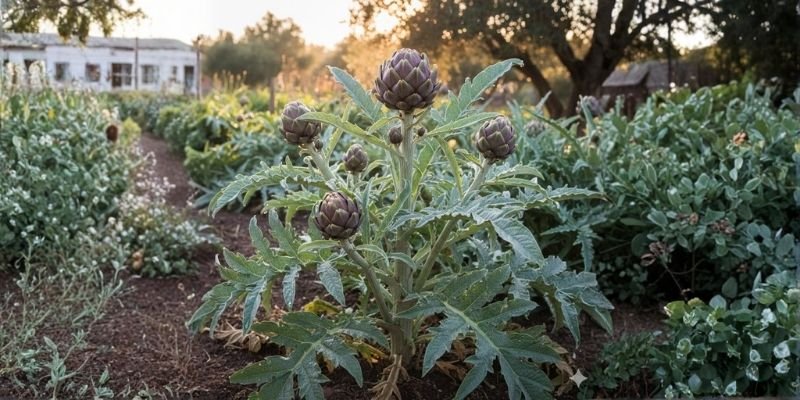
What makes the artichoke plant so fascinating is that it’s basically an oversized thistle. Those “artichokes” we eat are actually the plant’s immature flower buds. If you leave them on too long, they open into stunning purple blooms that look like something out of a wildflower meadow. The leaves are huge, silvery-green, and deeply lobed, giving the whole plant a dramatic, almost architectural look. That’s why many folks grow the artichoke plant not just for food but as an ornamental feature in the garden—it adds real height and texture, standing tall at 4 to 5 feet with a spread just as wide.
The artichoke plant has a longer growing cycle than most veggies. In the right spots, it’s a true perennial, coming back stronger each year. But in cooler areas, we often treat it as an annual or give it some extra winter protection. Either way, with good artichoke plant care, you’ll get a harvest that’s worth the wait.
Detail | Information |
Common Name | Globe Artichoke |
Botanical Name | Cynara cardunculus var. scolymus |
Family | Asteraceae (daisy or sunflower family) |
Plant Type | Herbaceous perennial (grown as annual in cooler climates) |
Mature Size | 4-6 feet tall and 4-5 feet wide |
Growth Habit | Upright, clumping with thick stems and large arching leaves |
Sun Exposure | Full sun (at least 6-8 hours daily) |
Soil Type | Deep, fertile, well-drained loam enriched with organic matter |
Soil pH | Slightly acidic to neutral (6.5-7.5) |
Harvest Time | Late spring through summer (main crop); possible second flush in fall |
Edible Parts | Immature flower buds (the “heart” and base of bracts) |
Hardiness Zones | Perennial in zones 7-11; annual or protected in cooler zones |
Native Area | Mediterranean region |
Toxicity | Non-toxic to humans; may cause mild skin irritation in some people |
Artichoke Plant Care (Season-Wise Care)

There are two main categories for the artichoke plant: the round globe types we’re most familiar with, and some elongated ones. Most home gardeners stick to globe artichokes.
Artichoke plant care really depends on where you live and the weather patterns, but thinking season by season makes it easier to stay on top of things. These plants love mild conditions—cool nights and foggy days are their happy place—but they can adapt with a little help from us gardeners.
Spring Care for Artichoke Plant
Spring is when everything kicks into gear for the artichoke plant. As soon as the soil warms up and frost risk passes, new growth shoots up fast. If you’re starting fresh, this is prime time for planting transplants or offsets. Feed the artichoke plant with a balanced organic fertilizer or some well-rotted compost worked into the soil to give it a boost. Water deeply but let the top inch dry out between soakings—consistent moisture helps those buds form plump and tender. Keep an eye out for weeds; young artichoke plants don’t like competition. Mulch around the base with straw or compost to hold in moisture and keep roots cool as temperatures rise.
Summer Care for Artichoke Plant
Summer is harvest time, and the artichoke plant needs steady support to produce those big buds. Keep watering regular, especially during dry spells—aim for about an inch a week, more if it’s hot. The plants are thirsty because of their big leaves. Side-dress with a nitrogen-rich feed midway through summer to keep growth strong. If it gets really scorching, a light mulch helps prevent stress. Watch for the main buds to swell; that’s your cue to start picking. Removing them encourages side shoots for more harvest later.
Monsoon / Rainy Season Care
In areas with heavy rains, artichoke plant care focuses on drainage. These plants hate soggy roots, so if your soil is heavy, raised beds are a lifesaver. During downpours, check for standing water and improve airflow by spacing plants well. Too much wet can invite fungal issues, so avoid overhead watering—drip irrigation or soaker hoses are best. If rains are relentless, a light fungicide spray (organic copper-based) can prevent problems, but good spacing usually does the trick.
Autumn Care for Artichoke Plant
As days shorten, the artichoke plant might give you a bonus fall crop if conditions cool down nicely. Cut back on fertilizer but keep watering if it’s dry. This is a good time to tidy up—remove any yellowing lower leaves to improve airflow and reduce hiding spots for pests. In milder climates, prepare for overwintering by mulching heavily. If you’re in a cooler spot, consider digging up offsets for next year.
Winter Care for Artichoke Plant
Winter artichoke plant care is about protection in colder areas. In zones where it freezes, cut plants back to about a foot tall after harvest, then pile on thick mulch—straw, leaves, or compost—to insulate the crown. In really cold spots, some folks cover with a basket or tarp for extra shield. Where winters are mild, the artichoke plant stays semi-evergreen and just slows down. Hold off on watering if rains handle it, but don’t let roots dry out completely.
Types of Artichoke Plants
Green Globe Varieties
These are the classic round, green ones with thick, meaty bracts. ‘Green Globe Improved’ is reliable and produces big heads even in varying conditions. ‘Imperial Star’ is bred for annual growing in cooler climates—it buds in the first year without much fuss.
Purple Varieties
Purple artichoke plants add color and often a slightly sweeter, nuttier flavor. ‘Violetto’ gives lots of medium-sized buds with deep purple tint. ‘Purple of Romagna’ is an Italian heirloom that’s tender and great for eating raw or lightly cooked. ‘Violetta’ is another elongated purple type with tons of side shoots.
- Thornless options like ‘Big Heart’ make harvesting easier—no prickles!
- For beginners, start with ‘Imperial Star’ if you’re treating the artichoke plant as an annual.
How to Plant Artichoke (Seeds, Transplants & Offsets)
Getting your artichoke plant started right sets the tone for years of harvests.
Growing artichoke from seed
Seeds are fun if you want variety, but they’re tricky for first-year buds. Start indoors 8-10 weeks before your last frost. Use deep pots since roots grow fast. Sow two seeds per pot, thin to the strongest. Keep soil warm (70-80°F) for germination. Once seedlings have a few true leaves, pot up. Harden off and transplant when nights stay above 45°F.
Planting nursery transplants
This is the easiest for beginners. Buy healthy starts in spring. Dig holes twice as wide as the root ball, amend with compost. Plant at the same depth, firm soil, and water well.
Spacing and site selection
Give each artichoke plant room—4-6 feet apart in rows 6 feet wide. Full sun, sheltered from strong winds. Good drainage is key.
Soil preparation
Work in plenty of compost or aged manure for fertility. Aim for loose, deep soil—these roots go down far.
Pruning & Maintaining Artichoke Plant
Pruning keeps your artichoke plant healthy and productive. In late fall or early winter (after harvest), cut back stems to 8-12 inches. This removes old growth and encourages fresh shoots. During the season, snap off suckers if you want fewer but larger buds, or leave some for more yield.
Why prune? Better airflow reduces disease, and it controls size—these can get massive! Common mistakes: pruning too early (wait till after harvest) or cutting too low (leave some stem to protect the crown). Also, don’t ignore yellow lower leaves—remove them promptly.

Propagating Artichoke Plant
The best way to multiply your favorite artichoke plant is by offsets or division—it’s reliable and gives exact clones.
In early spring (or fall in mild areas), dig up a mature plant. Look for young shoots (offsets) at the base with their own roots. Gently separate them with a sharp knife, keeping roots intact. Trim leaves by half to reduce stress. Replant immediately in prepared soil, water deeply.
For crown division: Cut the main root mass into sections, each with buds and roots. Discard old center. This rejuvenates tired plants every 3-4 years.
Overwintering Artichoke Plant
In warm zones, the artichoke plant sails through winter with minimal care. In colder ones, mulch heavily over the crown after cutting back foliage. Use straw or leaves, 12-18 inches thick. Some gardeners hill up soil first. In harsh winters, dig crowns, store in moist sand in a cool spot, and replant spring.
Common Pests & Plant Diseases
Artichoke plants are pretty tough, but watch for these.
- Aphids: Cluster on new growth, distort leaves. Blast with water or use insecticidal soap.
- Slugs/Snails: Chew holes in leaves. Handpick at night or use beer traps.
- Plume Moth: Larvae bore into buds. Cut back plants hard annually to disrupt cycle.
- Powdery Mildew: White coating in humid conditions. Improve airflow, avoid wet leaves.
- Botrytis (Gray Mold): Fuzzy rot in wet weather. Remove affected parts, use organic fungicide if needed.
- Root Rot: From poor drainage. Plant in raised beds, ensure good soil.
Organic controls work best—neem oil, beneficial insects, and clean habits keep issues low.
Harvesting Artichokes & Yield Tips
Harvest when buds are tight, plump, 3-5 inches across, before bracts open. Cut with 1-2 inches of stem using sharp pruners. Start with the terminal bud, then sides.
For bigger yields: Consistent water and feed, remove small buds to focus energy, choose productive varieties. A healthy artichoke plant can give 10-20 buds over the season.
After main harvest, cut back to encourage fall crop in mild areas. Spent plants die back naturally.
FAQs – Artichoke Plant Care
1.How often should I water my artichoke plant? Deeply once or twice a week, more in heat. Keep soil moist but not waterlogged—mulch helps retain it.
2. Why isn’t my artichoke plant producing buds? It might need vernalization (cool period) or be too young. Stress from drought or poor soil can delay. Try ‘Imperial Star’ for first-year buds.
3. Can I grow artichoke plant in pots? Yes, large ones (20+ gallons) with good drainage. Use rich potting mix, feed regularly.
4. What’s the best fertilizer for artichoke plant care? Balanced organic, high in nitrogen early, then phosphorus for buds. Compost tea works great.
5. How do I know when to harvest artichoke buds? When they’re firm, tight, and squeak when squeezed. Too late, and they get tough or open.
6. Can I grow artichoke plant from grocery store ones? Rarely successful—better from seeds or offsets.
There you have it—my tried-and-true tips for artichoke plant care from years in the dirt. Start small, be patient, and soon you’ll be enjoying homegrown hearts that beat anything from the store. Happy gardening!