In This Article
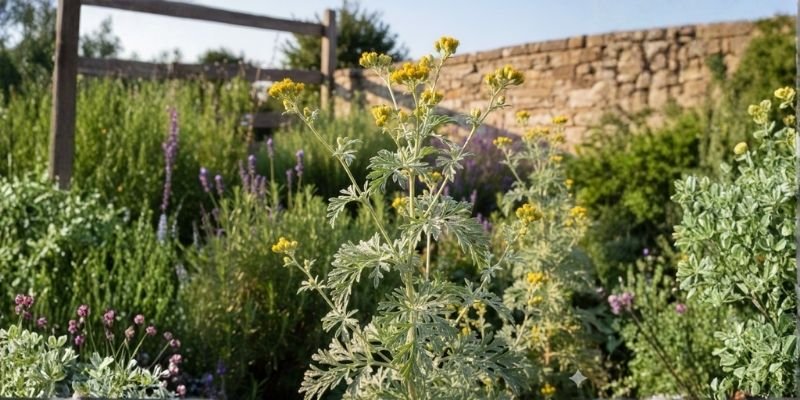
To get started with Artemisia care, it’s helpful to understand the basics of these versatile plants. The genus Artemisia includes hundreds of species, but the ones we grow in gardens are mostly herbaceous perennials prized for their foliage rather than showy flowers.
Here’s a quick reference table with key details about typical garden Artemisia plants (focusing on popular species like Artemisia absinthium and hybrids):
Common Name | Wormwood, Mugwort, Southernwood (varies by species) |
Botanical Name | Artemisia spp. (e.g., Artemisia absinthium, Artemisia annua) |
Family | Asteraceae (Daisy family) |
Plant Type | Herbaceous perennial (some sub-shrubs) |
Mature Size | 1–4 feet tall, 1–3 feet wide (depending on variety) |
Growth Habit | Bushy, mounding, or spreading |
Sun Exposure | Full sun (at least 6 hours daily) |
Soil Type | Well-drained, sandy or loamy |
Soil pH | Neutral to slightly alkaline (6.0–7.5) |
Bloom Time | Late summer to fall |
Flower Color | Small, yellowish or whitish (not showy) |
Hardiness Zones | USDA Zones 3–9 (most common varieties) |
Native Area | Europe, Asia, parts of North America |
Toxicity | Toxic to pets and humans if ingested in large amounts; handle with care |
This table gives a general snapshot – individual types of Artemisia plants can vary a bit, but these traits make them reliable for most home gardens.
Artemisia Care (Season-Wise Care)

One of the best things about Artemisia care is how low-maintenance it is year-round. These plants love sun and hate soggy roots, so the key is to mimic their natural dry, sunny habitats. I’ll break it down by season to make it easy to follow, no matter where you garden.
Spring Care for Artemisia Plants
Spring is when Artemisia plants wake up and put on new growth. As soon as the soil thaws and temperatures warm up, you’ll see fresh shoots emerging. This is the perfect time for a light cleanup – gently remove any dead stems from winter using clean pruners. If your Artemisia plants got a bit leggy last year, cut them back by about one-third to encourage bushier growth.
Fertilizing isn’t usually necessary, but if your soil is poor, a light application of compost around the base helps. Water sparingly until new growth is established; overwatering young Artemisia plants can lead to rot. In cooler climates, wait until after the last frost to do major work.
Summer Care for Artemisia Plants
Summer is prime time for Artemisia plants to shine. They thrive in heat and full sun, so make sure they’re getting plenty of light. Water deeply but infrequently – once every 10–14 days if there’s no rain – letting the soil dry out completely between sessions. This builds their drought tolerance.
Keep an eye on airflow; good circulation prevents issues in humid areas. If you notice any floppy growth, a midsummer trim keeps things tidy. Mulch with gravel or light organic material to retain moisture without trapping too much.
Monsoon / Rainy Season Care
In regions with heavy summer rains or monsoons, Artemisia care shifts to drainage focus. These plants despise wet feet, so ensure your planting spot has excellent drainage – raised beds are a lifesaver here. Cut back on supplemental watering entirely during rainy periods.
If downpours are frequent, check for fungal signs and improve air flow by thinning crowded stems. In my experience, planting Artemisia plants on slopes or in gritty soil helps them sail through wet seasons without trouble.
Autumn Care for Artemisia Plants
As days shorten, Artemisia plants start winding down. Let any late flowers develop if you want seeds, but they’re not the main attraction. Reduce watering as temperatures cool, allowing the plants to harden off for winter.
This is a good time to divide overgrown clumps for propagation (more on that later). A light cleanup of yellowing leaves keeps things neat, but don’t prune heavily now – save major cuts for spring.
Winter Care for Artemisia Plants
Most Artemisia plants are hardy and go dormant in winter, with tops dying back in cold zones. In mild areas, they may stay semi-evergreen. Mulch lightly with straw or leaves in harsh climates to protect roots, but avoid heavy piling that traps moisture.
In pots, move containers to a sheltered spot. No need to water much – just enough to prevent complete dryness in frozen soil. Healthy Artemisia plants bounce back beautifully come spring.
Types of Artemisia Plants
There are so many wonderful types of Artemisia plants to choose from, whether you’re after ornamental beauty, medicinal properties, or landscape toughness. Here are some of my favorites that I grow or recommend regularly:
Artemisia absinthium (Common Wormwood)
The classic one – tall, aromatic, with gray-green leaves. Great for traditional herb gardens and known for its bitter compounds.
Artemisia annua (Sweet Annie or Annual Wormwood)
An annual variety with sweet-scented foliage, often used medicinally. It self-seeds easily and adds airy texture.
Artemisia ludoviciana (Western Mugwort or White Sagebrush)
Native to North America, with silvery leaves and spreading habit. Excellent for natural landscapes and pest-repelling borders.
Artemisia vulgaris (Common Mugwort)
Taller and more vigorous, with dark green tops and silver undersides. Useful in wilder areas but can spread.
Other notables include southernwood (Artemisia abrotanum) for its shrubby form and beach wormwood for coastal tolerance. Pick based on your space and needs – all offer that signature silver glow.
Planting (Step-by-Step)
Planting Artemisia plants right sets them up for years of success. Here’s how I do it:
Best Planting Time
Spring or early fall is ideal, when temperatures are mild. Avoid midsummer heat or deep winter freezes.
Site Selection
Choose a spot with full sun and excellent drainage. Plants tolerate poor soil but need dryness – avoid low spots that collect water.
Spacing
Give them room to spread: 18–36 inches apart, depending on variety. Tighter for mounds like Silver Mound, wider for taller types.
Soil Preparation
Dig in grit, sand, or compost to improve drainage if needed. No rich amendments – lean soil keeps plants compact and healthy. Aim for pH around neutral.
Steps: Dig a hole twice as wide as the root ball, plant at the same depth, backfill gently, and water once to settle. Mulch lightly, and you’re done!
Propagating Plants
Pruning is key to keeping plants looking their best and preventing them from getting woody or sparse.
I prune most plants in early spring, cutting back dead growth to just above new buds. For bushier shape, shear lightly in midsummer – about one-third off the top.
Why prune? It encourages fresh, silver foliage, controls size, and stops legginess. In my garden, regular light trims keep ‘Powis Castle’ full and vibrant.
Common mistakes: Pruning too late in fall (weakens for winter), cutting into old wood with no leaves (may not regrow), or ignoring airflow (leads to center die-out). Always use sharp tools and step back to check shape.

Artemisia in Winter & Cold Hardiness
Artemisia plants are generally tough in cold weather, surviving down to Zone 3 or 4 for many types. They go dormant, with foliage dying back, but roots stay alive.
In harsh winters, a light mulch protects against freeze-thaw cycles. Evergreens like ‘Powis Castle’ may brown but recover. In pots, insulate or move indoors to an unheated garage.
Signs of good hardiness: Established plants handle snow and ice fine. If yours struggles, improve drainage next season.
Common Pests & Plant Diseases
Luckily, Artemisia plants are pest-resistant thanks to their aromatic oils. Aphids or spider mites might show up in hot, dry conditions – hose off or use insecticidal soap.
Diseases are rare but root rot from poor drainage is the big one. Symptoms: Wilting despite water. Prevent with gritty soil.
Rust or powdery mildew in humid areas – improve air flow and avoid overhead watering. Overall, healthy Artemisia care keeps problems minimal.
Uses & Benefits of Artemisia Plants
Artemisia plants shine in so many ways. Ornamentally, that silver foliage contrasts with roses, lavenders, or grasses in borders.
Traditionally, some like wormwood have medicinal history (consult experts for safe use). They repel pests naturally – great companions for veggies, deterring fleas, moths, and slugs.
In landscapes, use for erosion control, dry gardens, or moon gardens where silver glows at night. Pair with echinacea or sedum for texture.
Bonus: Deer and rabbits often avoid them due to bitterness.
FAQs – Artemisia Care
1. How often should I water Artemisia plants? Once established, very little – deep water every 2–3 weeks in dry spells. Young plants need more until roots settle.
2. Why is my Artemisia turning yellow? Usually overwatering or poor drainage. Let soil dry out and improve conditions.
3. Can Artemisia plants grow in shade? They tolerate light shade but foliage is best in full sun – shade leads to leggy, less silver growth.
4. Is Artemisia invasive? Some like mugwort can spread vigorously; choose hybrids like ‘Powis Castle’ for better control.
5. When should I prune Artemisia plants? Main prune in spring; light shear in summer for shape.
6. How long do Artemisia plants live? Many years with good care; divide every 3–4 to rejuvenate.
There you have it – everything I’ve learned from growing Artemisia plants over the seasons. They’re truly rewarding, adding that special silver magic to any space. Give them sun, dry soil, and a little love, and they’ll thrive for you too. Happy gardening!