In This Article
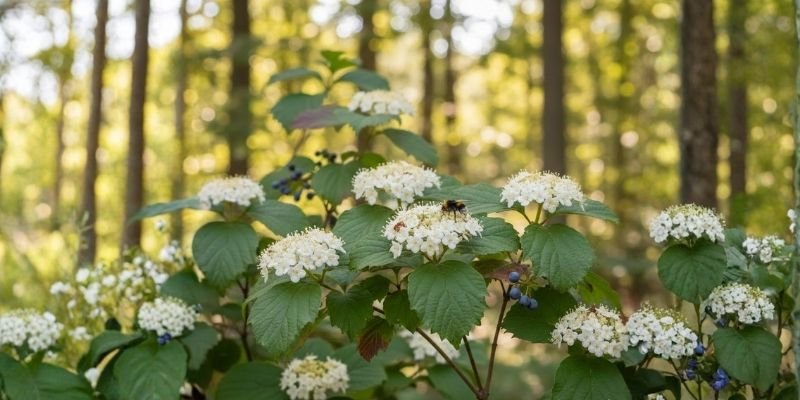
Hey there, fellow gardeners! If you’re looking to add a reliable, multi-season star to your yard, let me tell you about arrowwood viburnum. This native shrub has been a go-to in my landscapes for years because it’s tough, beautiful, and does so much for wildlife. I’ve planted plenty of them in my own backyard and helped friends incorporate them into their gardens, and they always impress with their easy-going nature. Arrowwood viburnum, or Viburnum dentatum as it’s known botanically, grows into a nice upright shrub that’s perfect for hedges, borders, or even as a standalone feature. In spring, it bursts with creamy white flowers that attract all sorts of pollinators. Come fall, those flowers turn into clusters of deep blue berries that birds can’t resist, and the leaves put on a show with shades of red and purple. It’s a real workhorse for natural landscapes, helping with erosion control and providing habitat without needing much fuss from you.
What makes Viburnum dentatum so popular? Well, it’s native to eastern North America, so it fits right in with wildlife-friendly gardens. It thrives in a range of conditions, from full sun to partial shade, and once established, it’s pretty drought-tolerant. Home gardeners love it for its low-maintenance vibe, while landscape planners appreciate how it screens views or defines spaces. If you’re into native plants, this one’s a winner because it supports local ecosystems without introducing invasives. I’ve seen it transform bland yards into vibrant spots that buzz with life year-round.
To give you a quick snapshot, here’s a table with the basics on arrowwood viburnum. I’ve pulled this together from my experiences growing it in various spots.
Detail | Description |
Common Name | Arrowwood Viburnum |
Botanical Name | Viburnum dentatum |
Family | Adoxaceae |
Plant Type | Deciduous shrub |
Mature Size | 6-10 feet tall and wide |
Growth Habit | Upright and multi-stemmed |
Sun Exposure | Full sun to partial shade |
Soil Type | Moist and well-draining |
Soil pH | Acidic to neutral (around 5.5-7.5) |
Bloom Time | Late spring into early summer |
Flower Color | Creamy white |
Berry Color | Deep blue-black |
Hardiness Zones | 2 through 8 |
Native Area | Eastern parts of North America |
Toxicity | Generally safe; berries might upset stomachs if eaten in bulk |
Arrowwood Viburnum Care (Season-Wise Care)

Caring for arrowwood viburnum isn’t rocket science—it’s all about matching what the plant needs to the time of year and your local weather. I’ve grown Viburnum dentatum in both humid summers and cold winters, and it adapts well as long as you pay attention to basics like water, soil, and occasional tweaks. Think of it like tending to an old friend: a little attention goes a long way. I’ll break it down by season so you can follow along easily, whether you’re a newbie or planning a bigger landscape.
Spring Care for Arrowwood Viburnum
Spring is when arrowwood viburnum wakes up and gets growing, so this is your chance to set it up for success. As the ground thaws and new leaves emerge, check for any winter damage like broken branches and snip them off cleanly. If you’re planting new ones, early spring after the last frost is ideal—more on that later. Water deeply once a week if rain is scarce, aiming to keep the soil moist but not soggy. I like to add a layer of organic mulch around the base to hold in moisture and suppress weeds. Fertilize lightly with a balanced, slow-release option if your soil is poor; too much nitrogen can lead to lots of leaves but fewer flowers. Watch for early pests, and in cooler climates, protect young plants from late frosts with a light cover. By mid-spring, those flat-topped white blooms will start forming, drawing in bees and butterflies—it’s a joy to see!
Summer Care for Arrowwood Viburnum
Summer brings the heat, and arrowwood viburnum handles it like a champ, but consistent moisture is key, especially for younger shrubs. Aim to water every few days during dry spells, soaking the roots deeply rather than sprinkling the leaves to avoid fungal issues. In my experience, established Viburnum dentatum can tolerate some drought, but new plants need about an inch of water weekly. Mulch helps here too, keeping roots cool and soil even. If you’re in a hot, sunny spot, partial shade in the afternoons prevents leaf scorch. After the flowers fade in early summer, you might see the start of berries—don’t prune now or you’ll lose them. Keep an eye on soil pH; if it’s too alkaline, add some pine needles or sulfur to acidify it gently. This season is mostly about maintenance, so enjoy the lush green foliage filling out your landscape.
Monsoon / Rainy Season Care
In areas with heavy rains or monsoons, arrowwood viburnum shines because it loves moisture, but poor drainage can be a problem. Make sure your planting site isn’t prone to standing water; if it is, raise the bed or amend with gravel. During wet spells, reduce supplemental watering and focus on airflow—space plants properly to prevent mildew. I’ve dealt with soggy soils by adding compost to improve structure, which helps roots breathe. If leaves start yellowing, it might be root rot, so check and aerate if needed. In humid climates, fungal diseases can pop up, so avoid overhead watering. This is a good time to monitor for slugs or snails that thrive in damp conditions. Overall, Viburnum dentatum is resilient here, turning lush and vibrant with the extra rain.
Autumn Care for Viburnum Dentatum
Fall is showtime for arrowwood viburnum, with those berries ripening to a glossy blue-black and leaves turning fiery reds and purples. Water less as temperatures drop, but don’t let roots dry out completely before winter. Mulch heavily around the base with leaves or bark to insulate roots and add nutrients as it breaks down. If you’re in a windy area, a light windbreak for young plants helps prevent desiccation. This is also a prime time for planting in milder climates, as roots establish before frost. Avoid fertilizing now; let the plant harden off naturally. Birds will flock to the berries, so if you want some for yourself (though they’re not great eating), net a few clusters. In my gardens, this season’s color rivals maples, making Viburnum dentatum a fall favorite.
Winter Care for Arrowwood Viburnum
Winter sees arrowwood viburnum go dormant, shedding leaves and hunkering down. It’s super hardy, surviving down to zone 2, but young plants might need extra protection in harsh areas. Wrap the base with burlap if rabbits or deer are an issue—they love nibbling bark. Mulch is your best friend here, piling it 2-4 inches thick to protect roots from freeze-thaw cycles. Prune only if absolutely necessary, like removing damaged limbs after storms. In snowy regions, gently shake off heavy accumulations to prevent branch breakage. I’ve overwintered many without fuss, and come spring, they’re ready to go again. If you’re in a mild winter spot, occasional watering during dry spells keeps roots happy.
Types of Arrowwood Viburnum & Related Viburnum Varieties
Arrowwood viburnum comes in several cultivars that tweak size, color, or habit to fit different gardens. I’ve tried a few over the years, and they’re all solid choices for native plant enthusiasts. Here’s a rundown of popular ones, plus some related viburnums that play well in similar setups.
Chicago Lustre Arrowwood Viburnum
This cultivar of Viburnum dentatum grows to about 10 feet with glossy leaves and reliable purple-red fall color. It’s great for hedges, with abundant flowers and berries that attract wildlife.
Blue Muffin Arrowwood Viburnum
A compact version, topping out at 4-6 feet, perfect for smaller yards. It produces tons of blue berries in fall, making it a bird magnet, and stays dense without much pruning.
Related Viburnum Varieties
- Smooth Witherod (Viburnum nudum): Similar berries and fall color, but prefers wetter soils. Great for rain gardens.
- American Cranberrybush (Viburnum trilobum): Red berries that persist into winter, more tolerant of cold. Use for edible landscapes.
- Blackhaw Viburnum (Viburnum prunifolium): Tree-like form with edible fruits, ideal for naturalized areas.
These options let you mix and match for pollinator support and year-round interest.
Planting Arrowwood Viburnum (Step-by-Step)
Planting arrowwood viburnum is straightforward, and doing it right sets the stage for years of healthy growth. I’ve planted dozens, and the key is timing and site prep.
First, pick the best time: early spring after frost or fall before the ground freezes. This gives roots time to settle.
Choose your site carefully—full sun for best blooms and berries, but partial shade works in hot areas. Ensure good drainage; Viburnum dentatum hates wet feet.
For spacing, aim for 6-10 feet apart in hedges or screens to allow air flow and full growth. Closer for denser looks, but not too tight.
Prepare the soil by digging a hole twice as wide as the root ball and just as deep. Mix in compost for nutrients, and test pH if possible—aim for slightly acidic. Place the plant so the top of the roots sits level with the ground, backfill, and water well. Mulch around it, and stake if windy. Water regularly the first season, and you’re set!
Pruning Arrowwood Viburnum
Pruning arrowwood viburnum keeps it shapely and boosts flowers and berries, but timing is everything. I prune mine right after blooming in late spring or early summer, so I don’t cut off next year’s buds.
Why prune? To remove dead or crossing branches, encourage bushiness, and control size. For Viburnum dentatum, a light trim maintains its natural form—don’t shear it like a boxwood.
How-to: Use sharp shears, cutting just above a bud at an angle. Remove up to a third of old stems at the base for renewal. For overgrown ones, rejuvenate by cutting back hard in late winter, but expect fewer blooms that year.
Common mistakes: Pruning too late in summer removes flower buds, or over-pruning weakens the plant. Also, avoid wet weather to prevent disease spread. Start small, and your arrowwood viburnum will thank you with vigorous growth.

Propagating Arrowwood Viburnum
Propagating arrowwood viburnum is a fun way to expand your garden for free. I’ve had success with cuttings and seeds, though cuttings are quicker.
For softwood cuttings: In spring or early summer, snip 4-6 inch tips from new growth. Dip in rooting hormone, plant in moist potting mix, and cover with plastic for humidity. Keep in indirect light; roots form in 4-6 weeks.
Hardwood cuttings: Take in winter from dormant stems. Cut 8-10 inches, bury horizontally in sand or soil outdoors, and wait for spring sprouts.
Seed propagation: Collect ripe berries in fall, clean seeds, and stratify in the fridge for 60-90 days to mimic winter. Sow in spring; germination takes time, but it’s rewarding for patient gardeners.
Whichever method, keep soil moist and protect from extremes. Soon, you’ll have new Viburnum dentatum plants!
Arrowwood Viburnum in Winter & Cold Hardiness
Arrowwood viburnum is a cold-weather trooper, hardy in zones 2-8, surviving temps down to -50°F. In winter, it goes fully dormant, dropping leaves to conserve energy.
Young plants need more care: Mulch roots thickly and wrap stems in burlap against wind and critters. In my northern plots, I’ve seen mature ones shrug off heavy snow, but protect from salt if near roads.
Dormancy means no growth, so hold off on water unless unusually dry. This hardiness makes Viburnum dentatum ideal for cold climates, emerging strong in spring.
Common Pests & Plant Diseases
Like any shrub, arrowwood viburnum can face pests and diseases, but prevention keeps them minimal. I’ve dealt with a few over the years.
Common pests: Viburnum leaf beetles chew holes in leaves—pick off larvae or use insecticidal soap. Aphids suck sap, causing curled leaves; hose them off or introduce ladybugs. Scale insects appear as bumps; treat with horticultural oil.
Diseases: Powdery mildew shows as white powder—improve air circulation and avoid wet leaves. Leaf spots from fungi cause brown patches; remove affected parts and use fungicide if severe. Root rot in poor drainage leads to wilting—amend soil early.
Prevent by planting in good spots, watering at base, and inspecting regularly. Healthy Viburnum dentatum resists most issues naturally.
Benefits & Uses of Arrowwood
Arrowwood packs a punch in benefits, making it a staple in my wildlife gardens. Ornamentally, its spring flowers, fall berries, and colorful leaves add four-season appeal.
For wildlife, it’s gold: Pollinators flock to blooms, and birds devour berries in fall/winter. I’ve seen robins and cardinals nesting in its dense branches.
Use it for hedges or privacy screens—plant in rows for natural barriers. In landscapes, mix with perennials for borders, or use on slopes for erosion control. Viburnum dentatum fits native restorations perfectly, boosting biodiversity without much work.
FAQs –
1. How fast does arrowwood grow? It grows moderately, about 1-2 feet per year once established. In good conditions, it reaches mature size in 5-7 years.
2. Does Viburnum dentatum need full sun? It prefers full sun for best flowers and berries but tolerates partial shade, especially in hot areas.
3. When should I prune arrowwood ? Right after flowering in late spring to avoid removing next year’s buds.
4. How far apart to plant for a hedge? Space 6-8 feet for a dense screen; closer for quicker fill but allow air flow.
5. Is arrowwood deer-resistant? Somewhat—deer may browse, but it’s not their favorite. Use repellents for protection.
6. How to fertilize Viburnum dentatum? Lightly in spring with balanced fertilizer; avoid excess to prevent leggy growth.
There you have it—a complete guide from my years of growing arrowwood . Give it a try, and you’ll see why it’s a garden essential!