In This Article
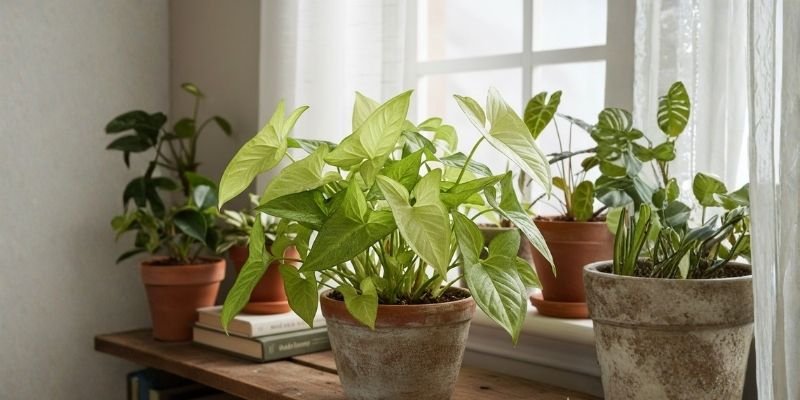
Hey there, fellow plant lover! If you’re anything like me, you’ve probably fallen head over heels for the arrowhead vine the moment you saw those gorgeous, arrow-shaped leaves. There’s something so charming about this plant—it’s like a little piece of the tropics right in your living room. The pink allusion arrowhead plant is one of my absolute favorites because of its soft, blush-pink tones mixed with fresh green. It’s not overly dramatic, but it adds just the right pop of color to a shelf or hanging basket.
The arrowhead vine, or Syngonium as it’s known botanically, starts out with those classic arrowhead leaves when it’s young, but as it grows, it can trail beautifully or climb if you give it something to hold onto. I’ve had mine draping down from high shelves in my apartment, and it always gets compliments. The pink allusion arrowhead plant stands out because its leaves have this lovely light green base with pink veining and hints of cream—it’s subtle yet stunning, perfect for beginners who want something forgiving but pretty.
Here’s a quick reference table with the key details about this plant. I’ve put it together based on my own experience growing them indoors.
Attribute | Details |
Common Name | Arrowhead Vine, Arrowhead Plant, Goosefoot Plant |
Botanical Name | Syngonium podophyllum |
Family | Araceae (Arum family) |
Plant Type | Evergreen perennial vine |
Mature Size (Indoors) | 3–6 feet long (trailing or climbing), can be kept smaller with pruning |
Growth Habit | Trailing or climbing; bushy when young, vining as it matures |
Light Requirements | Bright indirect light; tolerates medium to low light |
Soil Type | Well-draining, airy potting mix |
Soil pH | Slightly acidic to neutral (5.5–7.0) |
Bloom Time | Rarely blooms indoors; summer if it does |
Foliage Color | Green with variegation; pink, cream, or white in cultivars |
Hardiness Zones | 10–12 (grown as houseplant elsewhere) |
Native Area | Tropical rainforests of Central and South America |
Toxicity | Toxic to pets and humans if ingested (contains calcium oxalate crystals) |
Arrowhead Vine Care (Season-Wise Care)

Caring for an arrowhead vine really comes down to mimicking its tropical roots—think warm, humid, and steady. But since most of us grow the pink allusion arrowhead plant indoors, we adjust for our home conditions and the changing seasons. Here’s how I handle mine year-round.
Winter Care for Arrowhead Vine
Winter can be tough on tropical plants like the arrowhead vine because homes get drier from heating, and light levels drop. My pink allusion arrowhead plant slows down a lot during these months, so I ease up on everything. Water only when the top couple of inches of soil feel dry—usually every 2–3 weeks. Overwatering in cold conditions is the biggest mistake I see beginners make; it leads to yellow leaves or worse. Keep it away from drafty windows or heaters, aiming for temperatures above 60°F. If the air is super dry, I group it with other plants or run a humidifier nearby. No fertilizing at this time—the plant is resting.
Summer Care for Arrowhead Vine
Summer is when my arrowhead vine really takes off! With longer days and warmer temps, growth explodes. I water more frequently, checking the soil weekly and giving it a good soak when the top inch dries out. The pink allusion arrowhead plant loves the extra humidity from summer rains if it’s near an open window (but not in direct sun). Bright indirect light is key here—mine thrives on an east-facing shelf where it gets morning sun. Feed it every 4–6 weeks with a balanced houseplant fertilizer diluted to half strength. This is also the best time for repotting if it’s root-bound.
Monsoon / Rainy Season Care
In humid, rainy seasons (or if you live somewhere muggy), the arrowhead vine feels right at home. Humidity spikes naturally, so misting isn’t as necessary, but watch for fungal issues if airflow is poor. Water when the soil starts to dry, but it might need less frequent drinks because of the moisture in the air. My pink allusion arrowhead plant puts out tons of new leaves during this time—it’s rewarding! Just ensure good drainage to avoid soggy roots.
Indoor Arrowhead Vine Care (Best Practices)
Indoors, consistency is your friend with an arrowhead vine. Aim for bright, filtered light—a few feet from a window works wonders for keeping the pink allusion arrowhead plant colorful. Direct sun scorches those delicate leaves. Use a loose, well-draining mix (I add perlite to regular potting soil). Water thoroughly but let it dry slightly between sessions. Humidity around 50–60% keeps it happy—pebble trays or occasional misting help. Temperatures between 65–80°F are ideal. Wipe leaves gently to remove dust and let them shine.
Outdoor Arrowhead Care (Warm & Humid Climates Only)
If you’re in a frost-free zone, an arrowhead can go outside in shaded, humid spots—like under a patio or in a tropical garden. The pink allusion arrowhead plant will trail or climb vigorously. Protect from strong sun and wind. Bring it in before temps drop below 60°F, and check for pests first.
Types of Arrowhead (Syngonium Varieties)
There are so many fun varieties of arrowhead out there—it’s easy to start a collection! The Allusion series is my go-to for softer colors, especially pinks.
Pink Allusion Arrowhead Plant
This is the star—light green leaves with darker edges and beautiful pink veins. It’s compact, making it perfect for smaller spaces, and the pink really pops in good light.
Other Popular Varieties
- Bold Allusion: Creamy green with stronger pink flushes—grows a bit slower.
- Cream Allusion: Soft cream centers with pinkish veins, very elegant.
- Neon Robusta: Brighter, dustier pink all over—almost glows.
- Strawberry Cream: New growth comes out strawberry pink, fades to green.
- Confetti: Fun pink speckles like confetti on green leaves.
- Holly: Mostly white/silver with green edges—dramatic contrast.
- White Butterfly: Classic creamy variegation, super common and tough.
Each one has its own personality, but they all share that easy-going arrowhead nature.
Pruning & Training
One thing I’ve learned the hard way: if you don’t prune your arrowhead , it gets leggy fast. Those long, bare stems aren’t cute!
I prune in spring or summer when it’s growing actively. Use clean scissors to snip just above a leaf node—this encourages branching for a bushier pink allusion arrowhead plant. If it’s trailing too much, cut back longer vines to control size. To make it climb, add a moss pole or trellis; the aerial roots grab on naturally.
Common mistakes: Pruning in winter (stresses the plant), cutting too much at once (aim for 20–30% removal), or ignoring yellow leaves (trim them off promptly). Pinching tips regularly keeps it full and compact.
Propagating
Propagating arrowhead is one of the easiest and most satisfying things—free plants!
My favorite method: stem cuttings in water.
- Choose a healthy stem with 3–4 leaves and a node.
- Snip below the node with clean tools.
- Pop it in a jar of room-temperature water (change weekly).
- Place in bright indirect light.
- Roots appear in 1–3 weeks; pot up when 2–3 inches long.
Soil propagation works too—stick cuttings in moist mix and cover with a bag for humidity. The pink allusion arrowhead plant roots quickly; I’ve turned one plant into five this way.

Overwintering
To get your arrowhead through winter healthy, focus on protection. Move it to the brightest spot possible—supplement with grow lights if needed. Cut watering in half and stop fertilizing. Boost humidity with a tray of water or humidifier. Minimum temp: 60°F. Watch for drooping; it might just need a drink or warmer spot. My pink allusion arrowhead plant always bounces back strong in spring.
Common Pests & Plant Diseases
Arrowhead are pretty tough, but watch for:
- Spider mites: Tiny webs, stippled leaves—wipe and use neem oil.
- Mealybugs: Cottony spots—dab with alcohol.
- Aphids: On new growth—hose off or insecticidal soap.
- Scale: Bumpy shells—scrape and treat.
Diseases: Root rot from overwatering (mushy stems)—repot in fresh soil. Leaf spots: Improve air flow.
Prevent by inspecting regularly and quarantining new plants.
How to Keep Pink Allusion Arrowhead Plant Healthy & Colorful
That pink color is what makes the pink allusion arrowhead plant special—here’s how to maximize it:
- Bright indirect light: Too little, and it goes green; too much, and leaves burn.
- Consistent watering: Even moisture without sogginess.
- Higher humidity: 50%+ keeps leaves vibrant.
- Balanced fertilizer: Monthly in growing season for strong color.
- Fresh air and dust-free leaves help too.
New growth shows the best pink—prune older faded leaves.
FAQs –
1. How often should I water my arrowhead ? Let the top 1–2 inches dry out. In summer, weekly; winter, every 2–3 weeks. Always check soil first.
2. Why is my pink allusion arrowhead plant losing its pink color? Usually low light. Move to a brighter spot (not direct sun) and new leaves should be pinker.
3. Can arrowhead grow in low light? Yes, it tolerates it better than most, but growth slows and variegation (like pink) fades.
4. Is arrowhead toxic? Yes, to pets and kids—keep out of reach. Causes mouth irritation if chewed.
5. How do I make my arrowhead bushier? Prune tips regularly and pinch new growth. More nodes = more branches.
6. My arrowhead has brown tips—what’s wrong? Low humidity or inconsistent watering. Boost moisture and even out routine.
There you have it—everything I’ve picked up from years of growing these lovely plants. Your arrowhead vine or pink allusion arrowhead plant will reward you with lush growth if you give it a little love. Happy planting!