In This Article
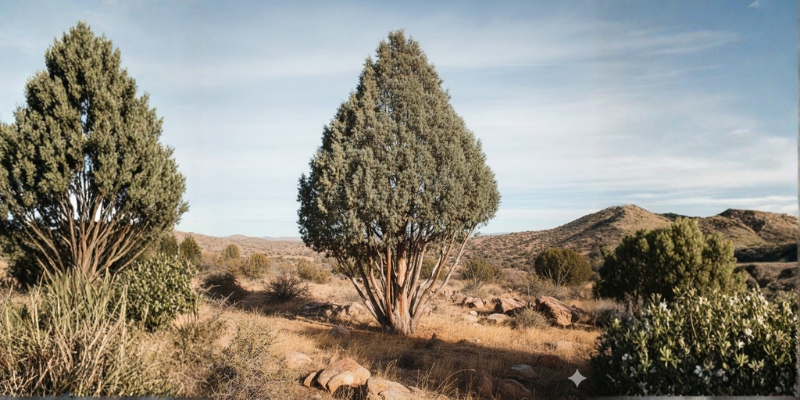
Hey there, fellow tree enthusiasts! If you’re looking to add a tough, beautiful evergreen to your yard, let me tell you about the Arizona cypress tree. I’ve been growing these beauties for years in my own landscape, and they’ve never let me down. The Arizona cypress tree, with its striking blue-green foliage and classic conical shape, is a real standout. It’s an evergreen conifer that keeps its color year-round, making it perfect for creating windbreaks, privacy screens, or just adding some vertical interest to your garden. What I love most about the Arizona cyprus is its drought tolerance – once established, it can handle dry spells like a champ, which is a lifesaver in arid climates. No wonder it’s so popular among home gardeners and landscape planners who want low-maintenance greenery that looks great without constant fussing.
As someone who’s planted dozens of these over the years, I can say they’re ideal for beginners. They thrive in sunny spots with well-drained soil and don’t demand much beyond basic care. Whether you’re in a hot, dry region or planning a xeriscape, the Arizona cypress tree fits right in. Let’s dive into the basics with a quick overview table I’ve put together from my experiences and observations.
Detail | Information |
Common Name | Arizona Cypress |
Botanical Name | Cupressus arizonica |
Family | Cupressaceae |
Plant Type | Evergreen conifer tree |
Mature Size | Typically 20-30 feet tall and 15-20 feet wide, though some can reach up to 50 feet in ideal conditions |
Growth Rate | Moderate, about 1-2 feet per year once established |
Sun Exposure | Full sun; needs at least 6-8 hours daily for best growth |
Soil Type | Well-drained sandy or loamy soils; avoids heavy clay |
Soil pH | Neutral to slightly alkaline (6.5-8.0) |
Hardiness Zones | 7-9; can handle some cold but not extreme freezes |
Native Area | Southwestern United States and northern Mexico |
Toxicity | Non-toxic to humans and most pets; safe around kids and animals |
This table sums up the essentials – think of it as your quick reference when you’re out shopping for an Arizona cypress tree.
Arizona Cypress Tree Care (Season-Wise Care)

Caring for an Arizona cypress tree isn’t rocket science, but tailoring your approach to the seasons makes all the difference. I’ve learned this the hard way after a few trial-and-error years in my backyard. These trees are resilient, but they appreciate drought-aware practices, especially in warmer climates. Let’s break it down by season, with tips that keep things simple for beginners.
Spring Care for Arizona Cypress Tree
Spring is when your Arizona cypress tree wakes up and starts putting on new growth. I always check for any winter damage first – look for broken branches or discolored needles. Prune those lightly if needed, but more on that later. Watering is key here; give young trees a deep soak once a week if there’s no rain, aiming for about an inch of water to encourage deep roots. For mature Arizona cyprus, you can ease off unless it’s unusually dry. Fertilize with a balanced, slow-release formula high in nitrogen to boost that fresh foliage – I scatter it around the drip line and water it in. Keep an eye out for weeds; mulching with organic material like bark helps suppress them and retains moisture in this drought-prone tree.
Summer Care for Arizona Cypress Tree
Summer heat can test any plant, but the Arizona cypress tree is built for it. Established ones barely need extra water, maybe every two weeks during prolonged dry spells. I deep-water mine to promote drought tolerance, avoiding shallow sprinkles that lead to weak roots. Shade cloth isn’t usually necessary, but if you’re in a scorching area, it can protect young saplings from sunburn. Watch for stress signs like browning tips – that’s often from underwatering or poor drainage. Mulch thickly to keep the soil cool and moist; I’ve found pine needles work great for Arizona cyprus since they mimic its natural habitat.
Monsoon / Rainy Season Care
In regions with monsoon seasons, like parts of the Southwest, the Arizona cypress tree loves the extra moisture but hates soggy feet. Ensure good drainage to prevent root rot – I’ve lost a couple to standing water after heavy rains. If your area gets intense storms, stake young trees to protect against wind damage. After rains, check for fungal issues; good airflow helps, so avoid overcrowding. This is a good time to skip supplemental watering and let nature do the work, but monitor for erosion around the base and add mulch if needed.
Winter Care for Arizona Cypress Tree
Winter is downtime for the Arizona cypress tree, but cold snaps can be tricky in zones 7-9. Wrap young trees in burlap if frost is forecast to shield from drying winds. Water sparingly – once a month if the ground isn’t frozen – since overwatering in cold can cause issues. I mulch heavily in fall to insulate roots. Mature Arizona cyprus handle light snow fine, but shake off heavy accumulations to prevent branch breakage.
Young Arizona Cypress Tree Care vs Mature Trees
Young Arizona cypress trees need more TLC than mature ones. For the first couple of years, water weekly, stake if windy, and protect from extremes. Mature trees are low-maintenance champs – drought-tolerant and self-sufficient. The key difference? Patience. Young ones grow faster with care, but once established, they thrive with minimal input.
Types of Arizona Cypress & Related Cypress Varieties
The Arizona cypress tree comes in a few varieties that suit different tastes. Here’s what I’ve worked with:
Blue Ice Arizona Cypress: This one’s a favorite for its silvery-blue foliage that really pops in landscapes. It’s compact, great for smaller yards, and keeps that conical shape without much pruning.
Carolina Sapphire Arizona Cypress: Known for its fast growth and bright blue-green needles. I’ve used it for quick privacy screens – it fills in nicely and has a pleasant aroma.
Silver Smoke Arizona Cypress: Features smoky-silver leaves with a feathery texture. It’s more ornamental, ideal for focal points, and tolerates heat well.
Related cypress varieties include the Leyland cypress for faster growth or the Italian cypress for a taller, columnar form, but the Arizona cyprus stands out for its native toughness.
- Smooth-Barked Arizona Cypress: A subspecies with smoother bark, often found in wilder settings.
- Rough-Barked Forms: More textured bark, common in cultivated varieties for added interest.
Planting Arizona Cypress Tree (Step-by-Step)
Planting an Arizona cypress tree right sets it up for success. I’ve planted many, and here’s my straightforward guide.
First, the best time is fall or early spring when temperatures are mild, giving roots time to establish before heat or cold hits.
For site selection, choose full sun with well-drained soil – avoid low spots where water pools. The Arizona cyprus loves windy hillsides naturally, so it’s fine in exposed areas.
Spacing depends on use: 10-15 feet apart for hedges, 20+ feet for standalone trees to allow mature spread.
Soil preparation: Test pH and amend if needed with lime for alkalinity. Dig a hole twice as wide as the root ball but no deeper. Mix in compost for nutrients, but don’t overdo it – these trees prefer lean soil. Plant at the same depth as in the nursery pot, backfill, and water deeply. Mulch around the base, but keep it away from the trunk to prevent rot.
Pruning Arizona Cypress Tree
Pruning keeps your Arizona tree shapely and healthy. I prune mine in late winter or early spring before new growth, focusing on removing dead or crossing branches for better airflow.
Why prune? It prevents disease, maintains form, and encourages density for windbreaks.
How-to: Use sharp shears for clean cuts. Trim tips lightly for shape – never more than a third of the branch. For hedges, shear evenly.
Common mistakes: Over-pruning stresses the tree; pruning in summer invites pests; cutting into old wood won’t regrow. Go slow, and your Arizona will thank you.

Propagating Arizona Cypress Tree
Propagating Arizona trees is rewarding – I’ve grown extras from seeds and cuttings.
For seed propagation: Collect cones in fall, dry them to release seeds. Soak seeds overnight, plant in sandy mix, keep moist at 70°F. Germination takes 1-2 months; transplant when sturdy.
Cuttings work better for cultivars: Take 6-8 inch semi-hardwood cuttings in summer, dip in rooting hormone, plant in perlite mix. Mist and cover for humidity; roots form in 6-8 weeks.
Patience is key – young plants need protection until established.
Arizona Cypress Tree in Winter & Cold Protection
The Arizona tree is fairly cold-tolerant in its zones, slowing growth in winter but keeping needles. It handles frost down to about 0°F, but young ones are vulnerable.
For protection: Mulch roots thickly, water before freezes to insulate, and use windbreaks or burlap wraps. In colder edges of zone 7, site it in sheltered spots. I’ve seen them bounce back from light damage, but prevention is easier.
Common Pests & Plant Diseases
Like any tree, the Arizona can face issues, but early action keeps them minor.
Pests: Cypress bark beetles bore into bark – look for sawdust; treat with insecticidal soap. Aphids cause sticky residue; hose them off or use neem oil.
Diseases: Root rot from poor drainage shows as wilting; improve soil. Canker causes sunken spots; prune affected areas and disinfect tools.
Prevention: Healthy trees resist better – proper watering, airflow, and no stress.
How to Keep Arizona Tree Healthy & Long-Lived
For a thriving Arizona cypress tree, focus on roots first: Deep, infrequent watering builds drought resistance. Fertilize sparingly – once a year with balanced mix.
Wind resistance comes from wide spacing and staking young ones. Mulch annually for moisture and weed control.
Long-term: Monitor for issues, prune judiciously, and enjoy – mine have lived 50+ years with this care.
FAQs – Arizona Cypress Tree Care
1. How often should I water my Arizona cypress tree? For young trees, water deeply weekly in dry spells. Mature Arizona cyprus need it every 2-4 weeks, less in rain.
2. Is the Arizona tree drought-tolerant? Absolutely – once established, it’s one of the best for dry landscapes.
3. What spacing is best for Arizona as a privacy screen? Plant 8-10 feet apart for a dense hedge.
4. Can Arizona cypress trees grow in pots? Yes, for a few years, but they prefer ground for maturity.
5. Why are my cypress tree needles turning brown? Could be underwatering, pests, or poor drainage – check soil moisture first.
6. What’s the growth rate of cyprus? Moderate, 1-2 feet yearly with good care.