In This Article
Hey there, fellow plant lover! If you’ve ever caught a whiff of that sweet, heady scent drifting through a warm evening garden and thought, “I need that in my life,” then you’re in the right spot. I’m talking about the Arabian jasmine plant, or as it’s often called, jasmine sambac. This little beauty has been stealing hearts for centuries with its glossy green leaves that stay lush year-round and those petite white flowers that pack a punch of fragrance you can smell from across the yard. It’s no wonder it’s a favorite among home gardeners, balcony dwellers, and anyone who appreciates a plant that doubles as a natural perfume factory.
What makes the Arabian jasmine plant so special? For starters, it’s incredibly versatile. You can train it up a trellis in your garden bed, let it cascade from a hanging basket on your balcony, or even keep it indoors where it adds a touch of tropical elegance to your living room. And let’s not forget its cultural charm—it’s woven into traditions worldwide, from garlands in Indian weddings to offerings in Southeast Asian temples. Whether you’re a newbie just dipping your toes into flowering shrubs or a seasoned green thumb looking to expand your fragrant collection, mastering Arabian jasmine plant care is easier than you think. It’s forgiving, blooms like crazy with the right nudges, and rewards you with months of that intoxicating aroma. Stick with me, and I’ll walk you through everything from picking the perfect spot to troubleshooting those pesky pests. By the end, you’ll be growing your own jasmine sambac paradise.
Arabian Jasmine Plant Overview
Before we dive into the nitty-gritty of Arabian jasmine plant care, let’s get to know this gem a bit better. Native to the steamy lowlands of India and Southeast Asia, the Arabian jasmine plant thrives in warm, humid spots that mimic its tropical roots. It’s an evergreen shrub or vine that can climb up to six feet if you let it, but with a little guidance, it stays compact and bushy—perfect for small spaces like patios or windowsills. The leaves are a deep, shiny green, oval-shaped, and arranged in neat pairs along the stems, giving it that polished look even when it’s not in bloom.
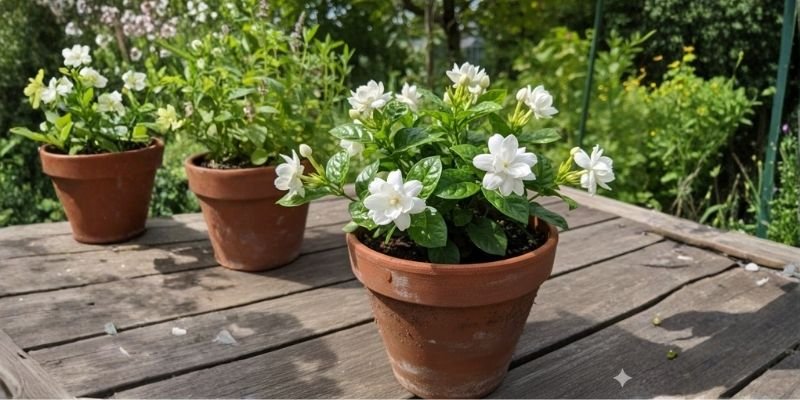
But oh, the flowers! Those starry white blooms, about an inch across, unfurl in clusters and release a scent that’s pure bliss—think a mix of sweet honey and fresh citrus, lingering long after sunset. In ideal conditions, your jasmine sambac can flower almost nonstop, especially in warmer climates. It’s not just pretty; it’s practical too. People love it for hedging, ground cover, or even as a cut flower for bouquets that smell divine indoors. If you’re into companion planting, pair it with roses or lavender for a sensory explosion in your yard.
To give you a quick snapshot, here’s a handy table summarizing the basics of the Arabian jasmine plant. I put this together from years of trial and error in my own garden—nothing beats having these details at a glance when you‘re planning your setup.
Aspect | Details |
Common Name | Arabian Jasmine |
Botanical Name | Jasminum sambac |
Family | Oleaceae (the olive family, sharing kin with lilacs and forsythias) |
Plant Type | Evergreen shrub or climbing vine |
Mature Size | 4-6 feet tall and wide, trainable to stay smaller |
Sun Exposure | Full sun to partial shade (at least 6 hours of bright light daily) |
Soil Type | Well-draining, loamy or sandy soil enriched with organic matter |
Soil pH | Slightly acidic to neutral (6.0-7.0) |
Bloom Time | Spring through fall in temperate zones; nearly year-round in tropics |
Flower Color | Pure white, occasionally pink-tinged varieties |
Hardiness Zones | USDA 9-11 (protect or bring indoors in cooler areas) |
Native Area | Tropical regions of India, Myanmar, and Southeast Asia |
Toxicity | Mildly toxic if ingested; can cause stomach upset in pets or kids |
This table’s your cheat sheet for getting started with jasmine sambac. Remember, while it’s tough in heat, it hates the cold, so if you’re in a chillier spot, we’ll cover how to cozy it up later.
Arabian Jasmine Plant Care (Season-Wise Care)

One of the joys of growing an Arabian jasmine plant is watching it adapt to the rhythm of the seasons, but like any good friendship, it takes a bit of tuning in to keep it happy. I’ve learned the hard way that skipping seasonal tweaks can lead to leggy growth or skipped blooms, so let’s break down Arabian jasmine plant care month by month, or rather, season by season. Whether you’re dealing with scorching summers or drizzly monsoons, these tips are tailored for home gardeners who want low-fuss, high-reward results.
Winter Care for Arabian Jasmine Plant
Winter can be a sleepy time for your jasmine sambac, especially if you’re in a zone that dips below 50°F (10°C). The goal here is protection over pampering—think of it as tucking your plant in for a long nap. First off, if you’re growing outdoors, mulch around the base with a thick layer of bark or straw to insulate the roots from frost. I swear by pine needles; they add a subtle acidity that jasmine loves without much effort.
Water sparingly—once every two weeks if the soil feels dry an inch down, but always check first to avoid soggy roots in the cold. Hold off on fertilizing until spring; your plant’s not burning energy on growth anyway. If temps drop below 40°F (4°C), cover it with frost cloth or burlap on chilly nights. For balcony folks, this is prime time to shift pots indoors to a sunny south-facing window. Keep the humidity up with a pebble tray or occasional misting—dry indoor air is the enemy of those glossy leaves. In my experience, a little holiday cheer from grouping it with other houseplants keeps it from feeling lonely and helps maintain that steady 60-70°F vibe it craves.
Summer Care for Arabian Jasmine Plant
Ah, summer—the season when your Arabian jasmine plant truly shines, bursting with those fragrant white blooms that make backyard barbecues magical. But heat can stress it out if you’re not vigilant, so focus on consistent moisture and shade during peak scorchers. Aim for deep watering twice a week, letting the topsoil dry slightly between sessions to prevent root rot. I like to water in the early morning so the leaves have time to dry, reducing fungal risks.
Sunlight is key: six to eight hours of direct rays, but if your spot hits triple digits, toss a sheer curtain or plant it near taller companions for afternoon dappled light. Feed it a balanced, water-soluble fertilizer (like a 10-10-10) every four weeks to fuel those flower factories. Deadhead spent blooms regularly to encourage more—it’s like telling the plant, “Keep ’em coming!” For balcony growers, elevate pots on stands for better air circulation; nothing kills the vibe like wilting in a heat-trapped corner. Watch for yellowing leaves? That’s often a cry for more potassium, so a banana peel tea (steep peels in water overnight) works wonders in a pinch.
Monsoon / Rainy Season Care
If you’re in a tropical or subtropical area, the monsoon brings a gift of rain, but too much can drown your jasmine sambac’s enthusiasm. The trick to Arabian jasmine plant care during this soggy stretch is elevation and airflow. Plant in raised beds or use pots with plenty of drainage holes—standing water is a fast track to root woes. If rains are relentless, move balcony pots under a covered porch temporarily, but don’t block all light; indirect sun keeps it from getting leggy.
Ease up on supplemental watering; let Mother Nature handle most of it, but check soil weekly to ensure it’s not waterlogged. Fungal issues love humidity, so space plants 3-4 feet apart for breeze to work its magic. A light foliar spray of neem oil every couple of weeks acts as a preventive shield. On the flip side, this season’s warmth often triggers a bloom bonanza—mine once flowered so profusely it formed a natural curtain over my patio door. Just prune any mushy stems promptly to redirect energy.
Indoor Arabian Jasmine Care (Containers & Pots)
Bringing jasmine sambac indoors? It’s a balcony gardener’s dream, turning a windowsill into a spa. Choose a pot at least 12 inches wide with saucer for overflow—terracotta breathes best for those roots. Use a well-draining mix: equal parts potting soil, perlite, and compost. Place near a bright window, supplementing with grow lights in low-light homes to mimic that full sun love.
Water when the top inch dries, and mist leaves daily for humidity—grouping with ferns amps this up naturally. Fertilize monthly during growth periods with a bloom-booster (high phosphorus). Rotate the pot weekly for even growth, and watch for dust buildup on leaves; a soft cloth wipe keeps photosynthesis humming. In my apartment days, this setup gave me year-round fragrance without the bugs—pure bliss for city living.
Outdoor Arabian Jasmine Care (Garden & Balcony)
Outdoors, your Arabian jasmine plant feels right at home in loamy garden soil amended with compost for that nutrient kick. Space plants 4-5 feet apart if hedging, or train on arches for vertical flair. Balconies? Secure trellises to railings for safe climbing. Mulch annually to retain moisture, and stake young ones against wind. Prune lightly post-bloom to shape, and companion with marigolds to deter nematodes. The key? Consistent checks—outdoor spots change with weather, so tweak as needed for thriving blooms.
Types of Jasmine Sambac / Arabian Jasmine Varieties
Jasmine sambac isn’t a one-trick pony; there are several cultivars that let you pick your flavor of fragrance and form. Over the years, I’ve grown a few, and each brings its own personality to the garden. Here’s a rundown of the most popular ones for home growers—pick based on your space and sun setup.
Grand Duke of Tuscany
This one’s the showstopper, with double or semi-double flowers that look like mini roses—rich, velvety white petals layered for extra drama. It’s a bit more upright and compact, topping out at 4 feet, making it ideal for pots or small balconies. The scent? Intensely musky, perfect for evening strolls. It blooms summer through fall but needs consistent warmth; I’ve found it rewards patient pruning with clusters that draw every bee in the neighborhood.
Maid of Orleans
Slender and elegant, this single-flowered variety has pure white stars that open flat and wide, releasing a lighter, cleaner jasmine scent—great if you want subtlety. It grows vining up to 6 feet, so train it on wires for balcony screens. More cold-tolerant than others, it’s a solid pick for zone 8 edges with protection. In my yard, it flowered reliably even in partial shade, adding a soft glow to moonlit paths.
Belle of India
A poetic name for a poetic plant: long, pointed buds unfurl into ruffled white blooms with a hint of pink blush at the edges. It’s vigorous and sprawling, loving full sun for prolific summer shows. The fragrance is bold and tropical, evoking beachside memories. Suited for larger gardens or sturdy pots—mine once covered a 10-foot fence in a season. Just watch for overgrowth; regular ties keep it tidy.
Other Notable Cultivars
- Pierre Cardin: Compact and bushy with semi-double flowers; urban balcony’s best friend for fragrance without takeover.
- Super White: Pure singles on a dwarf frame—under 3 feet—ideal for tabletops or low borders, blooming nearly year-round indoors.
Each type thrives under basic Arabian jasmine plant care, but tweak sun and support to match their habits. Experimenting with a couple has been my favorite way to fill the air with variety.
Pruning Arabian Jasmine
Pruning might sound daunting, but for jasmine sambac, it’s like giving your plant a fresh haircut—it promotes bushier growth, more flowers, and that neat shape that makes your garden pop. The best time? Late winter or early spring, just as new growth buds swell, or right after a bloom flush to redirect energy. I aim for twice a year; it keeps mine compact and covered in white.
Start with sharp, clean shears—sterilize with alcohol to avoid spreading gunk. Cut back leggy stems by one-third, snipping just above a leaf node at a 45-degree angle for quick healing. For vining types, thin out crowded centers to boost air flow, and pinch tips on young shoots to encourage branching. Want more blooms? Remove spent flower clusters immediately; it signals the plant to set new ones.
Common mistakes? Over-pruning—don’t hack more than half at once, or you’ll shock it into dormancy. Ignoring dead wood lets disease fester, and pruning in peak summer heat stresses roots. I’ve botched a few by rushing; now I step back and assess, letting the plant’s natural form guide me. With gentle hands, your Arabian jasmine plant bounces back stronger, rewarding you with denser foliage and nonstop fragrance.
Propagating Arabian Jasmine Plant
Sharing your jasmine sambac with friends? Propagation is a breeze and a budget-friendly way to multiply that magic. I’ve rooted dozens this way, turning one pot into a hedge. The easiest methods are stem cuttings and layering—both foolproof for beginners.
Stem Cuttings Method
- Select and Snip: In late spring or summer, choose a healthy, non-flowering stem about 4-6 inches long with at least three leaf nodes. Morning cuts work best when the plant’s hydrated.
- Prep the Cutting: Strip lower leaves, leaving 2-3 at the top. Dip the cut end in rooting hormone (optional but speeds things up—I skip it for eco-vibes).
- Plant It: Poke into a small pot of moist perlite-sand mix or vermiculite. Firm gently and water lightly.
- Rooting Spot: Cover with a plastic bag for a mini-greenhouse effect, placing in bright, indirect light. Keep at 70-80°F—my windowsill setup with bottom heat from a mat works wonders.
- Wait and Water: Roots form in 4-6 weeks; tug gently to check. Mist to maintain humidity, watering only if soil dries. Transplant to pots once sturdy.
Success rate? Near 90% for me. Bonus: These root fast, blooming by next season.
Layering Technique
For ground lovers, layering keeps it connected to mom plant longer.
- Choose a Stem: Bend a flexible low branch to touch soil in summer.
- Wound and Bury: Nick the underside, dust with hormone, and pin into a shallow trench with a U-wire. Cover with soil, leaving tip exposed.
- Nurture: Water regularly; roots develop in 2-3 months.
- Sever and Pot: Once rooted, cut from parent and replant.
This method’s gentle—ideal for shy rooters. Either way, your new Arabian jasmine plants will carry that signature scent forward.

Overwintering Alocasia Zebrina
Cold snaps don’t have to doom your jasmine sambac; overwintering is about smart shifts and simple shields. In zones below 9, treat it like a seasonal migrant. For garden plants, heap mulch 6 inches high around the base after the first frost, wrapping trunks in burlap if winds howl. I’ve used old blankets in a pinch—effective and cozy-looking.
Container growers, rejoice: portability is your superpower. Before temps hit 40°F, wheel pots to a garage or unheated sunroom, aiming for 50-60°F days. Water monthly if dry, but no fertilizer—rest mode. For extra insurance, cluster pots together for warmth, or bury them in a protected bed. Indoors? South window with supplemental lights prevents etiolation. Come spring, gradual outdoor acclimation (a week of increasing exposure) avoids shock. My first winter, I lost one to neglect; now, a quick calendar reminder keeps mine blooming by May.
Common Pests & Plant Diseases
No plant’s immune to uninvited guests, but Arabian jasmine plant care shines in prevention. Aphids love tender new growth—spot sticky honeydew or curled leaves? Blast with water or dab neem oil weekly. Scale appears as waxy bumps; scrape gently and wipe with alcohol-soaked cotton.
Whiteflies flutter up when disturbed—yellow sticky traps nab ’em, paired with insecticidal soap. For diseases, root rot from overwatering shows as wilting despite moisture; repot in fresh soil stat. Powdery mildew dusts leaves white in humid spells—improve air flow and apply baking soda spray (1 tsp per quart water). Anthracnose causes brown spots; remove affected parts and fungicide if needed.
Pro tip: Healthy plants resist best—strong sun and balanced feedings are your first line. In 20 years gardening, vigilance over panic has saved more jasmine sambac than any spray.
How to Get More Flowers from Arabian Jasmine
Craving a cascade of those fragrant white stars? Boosting blooms on your Arabian jasmine plant is all about balance—sun, food, and fuss-free love. First, sunlight: six-plus hours daily, but filter harsh noon rays with lace curtains outdoors. I’ve doubled flowers by relocating mine a foot sunnier.
Water deeply but infrequently—stressed plants drop buds. Fertilize with a high-phosphorus mix (5-10-10) every 4-6 weeks during bloom season; bone meal scratches in organics beautifully. Deadhead religiously; it’s like pruning for petals. For fragrance punch, ensure good drainage—soggy roots mute scents.
Stress it right: Light pinching in spring thickens stems for more flower sites. Companion with pollinator pals like basil to invite bees. In my trials, consistent night warmth (above 60°F) triggered waves; a heat mat under pots worked indoors. Patience pays—mature plants (2+ years) flower heaviest. Follow this, and your jasmine sambac will perfume your world.
FAQs – Arabian Jasmine Plant Care
1. Why isn’t my Arabian jasmine plant flowering? Often, it’s light or food shortages. Ensure 6 hours of sun and switch to phosphorus-rich fertilizer. If recently repotted, give it 4-6 weeks to settle. Mine sulked post-move but exploded after consistent care.
2. How often should I water jasmine sambac? Depends on setup—twice weekly outdoors in summer, less in winter. Stick a finger in the soil; water if dry an inch down. Overwatering yellows leaves; under does the same but wilts. Aim for moist, not marshy.
3. Can I grow Arabian jasmine plant indoors year-round? Absolutely! Bright windows and humidity (mist or pebble trays) mimic tropics. Expect fewer blooms without full sun, but grow lights help. Rotate for even growth—mine scents my bedroom beautifully.
4. What’s the best soil for Arabian jasmine plant care? Well-draining loam with compost. pH 6-7 prevents lockout. Refresh annually; I mix in worm castings for that extra oomph without chemicals.
5. How do I prune jasmine sambac for more blooms? Post-bloom or early spring: cut one-third of stems above nodes. Thin centers for air. Avoid summer snips—heat heals poorly. This bushied my vine, doubling flowers next round.
6. Is Arabian jasmine toxic to pets? Mildly—ingested leaves or flowers may upset tummies, but rarely severe. Keep off floors if curious cats roam. Safer than lilies, but supervise.