In This Article
Before we roll up our sleeves and get into the nitty-gritty of apple mint plant care, let’s take a moment to appreciate what we’re working with. Applemint, or Mentha suaveolens if you’re feeling fancy with the Latin names, is a perennial herb that’s part of the mint family. It’s got these velvety, rounded leaves that are a softer green than your typical peppermint, and when you crush one between your fingers, out comes that signature apple-like fragrance—subtle, sweet, and utterly inviting. No wonder it’s a go-to for herbalists and home cooks; it’s versatile enough to jazz up a mojito or soothe a fussy tummy with a simple infusion.
Originating from the sunny Mediterranean regions, has a way of making itself at home almost anywhere with a bit of TLC. It’s popular because it’s low-fuss: it bounces back from neglect better than most herbs, attracts pollinators with its dainty blooms, and even acts as a natural deterrent for some garden pests. But here’s the thing—while it’s hardy, a little know-how goes a long way in keeping your apple mint plant vigorous and productive. Think of it as that reliable friend who thrives on occasional check-ins rather than constant hovering.
To give you a quick snapshot, I’ve put together a handy table below with the basics on applemint. This is drawn from my own trial-and-error in the garden, so it’s straightforward and real-world tested.
Aspect | Details |
Common Name | Apple Mint / Applemint |
Botanical Name | Mentha suaveolens |
Family | Lamiaceae (Mint Family) |
Plant Type | Herbaceous Perennial |
Mature Size | 2-3 feet tall, spreads 2-3 feet wide |
Sun Exposure | Full sun to partial shade |
Soil Type | Moist, well-drained loamy soil |
Soil pH | Slightly acidic to neutral (6.0-7.0) |
Bloom Time | Late spring to summer |
Flower Color | Small white or pale pink spikes |
Hardiness Zones | USDA 5-9 |
Native Area | Western Mediterranean (Europe, North Africa) |
Toxicity | Non-toxic to humans and pets; safe for culinary use |
There you have it—a cheat sheet for your apple mint plant. Keep this nearby as you plan your setup, and you’ll be off to a strong start. Now, let’s talk about keeping that applemint happy through the changing seasons.
Apple Mint Plant Care (Season-Wise Care)

Caring for an apple mint plant isn’t about rigid rules; it’s more like tuning into what your patch of green needs as the weather shifts. I’ve learned this the hard way—overwatering in summer or forgetting mulch in winter can turn a thriving applemint into a soggy mess or a frozen crisp. The key? Balance moisture, light, and a touch of love, tailored to the time of year. Whether you’re in a temperate zone or dealing with humid tropics, here’s how to nurture your apple mint plant season by season.
Winter Care for Apple Mint Plant
Winter can feel like a long nap for your apple mint plant, especially if you’re in zones 5-7 where frosts nip at the heels. The goal here is protection without smothering—applemint goes dormant, its fuzzy leaves dying back to the roots, but those roots are tough cookies if you give them a blanket of care.
Start by mulching heavily around the base with a 2-3 inch layer of straw, shredded leaves, or even pine needles. This insulates the soil and keeps roots from heaving in freeze-thaw cycles. If your winters dip below 20°F (-6°C), consider covering the plant with a breathable row cover or burlap on the coldest nights. Water sparingly—only if the soil feels bone-dry, since applemint hates wet feet in the cold. In milder zones 8-9, you might not need much beyond a light trim of dead foliage to prevent rot.
For potted, tuck them into a sheltered spot like against a south-facing wall or in an unheated garage. Check soil moisture weekly; aim for damp, not drenched. Come late winter, as days lengthen, give it a gentle prune to encourage new shoots. I’ve had apple mint plants bounce back stronger after a cozy winter setup like this—it’s all about that root hug.
Summer Care for Apple Mint Plant
Ah, summer—the glory days for applemint when it stretches out, fills pots, and scents the air with every breeze. But heat and dry spells can stress this moisture-lover, so vigilance is your best tool. Full sun is ideal for the bushiest growth, but if temps soar above 85°F (29°C), partial afternoon shade prevents scorching those fuzzy leaves.
Water deeply but infrequently—about an inch per week, more in sandy soils or intense heat. Let the top inch of soil dry out between waterings to avoid root rot; apple mint plant roots like consistent moisture without swimming pools. Fertilize lightly every 4-6 weeks with a balanced, organic option diluted to half strength—think fish emulsion or compost tea. Too much nitrogen, and you’ll get leggy growth instead of flavor-packed leaves.
Pinch back tips regularly to promote bushiness and discourage flowering too early, which can make leaves bitter. If you’re harvesting often (more on that later), that’s built-in summer maintenance. In my garden, I position near taller plants for natural shade, and it rewards me with endless sprigs for iced tea. Just watch for wilting—it’s the plant’s way of saying “thirsty!”
Monsoon / Rainy Season Care
If you’re in a rainy climate or dealing with monsoon downpours, can thrive with minimal fuss, but over-saturation is the sneaky villain here. This herb loves humidity, but standing water invites fungal woes. Elevate garden beds slightly with mounded soil, or ensure pots have excellent drainage holes plugged with gravel.
During heavy rains, cut back on supplemental watering entirely—let nature do the work, but monitor for yellowing leaves signaling poor drainage. If puddles form, gently redirect runoff with a simple trench. Mulch lightly with organic matter to retain even moisture without sogginess. In tropical areas, trim back overgrown stems to improve air circulation, reducing mildew risk.
Apple mint plant in rainy seasons often grows like wildfire, so harvest frequently to keep it compact. I remember one monsoon where my took over a corner bed; a good snip and some division kept it in check. Embrace the lushness, but stay one step ahead of the wet.
Indoor Applemint Care (Containers & Pots)
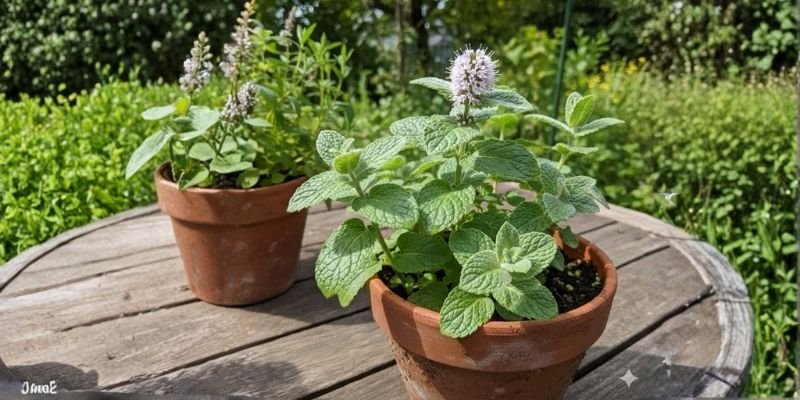
Bringing applemint indoors is a game-changer for balcony gardeners or those with limited outdoor space—it’s compact, productive, and adds a fresh vibe to your kitchen counter. Choose a pot at least 12 inches wide with drainage; terracotta breathes well for mint’s roots. Use a rich potting mix amended with perlite for aeration.
Place it near a bright window—south or west-facing for 4-6 hours of sun daily. If light’s scarce, supplement with a grow lamp to mimic those golden hours. Water when the topsoil feels dry to the touch, and mist leaves occasionally for humidity, especially in dry heated homes. Rotate the pot weekly for even growth.
Fertilize monthly during growth periods, but skip in winter dormancy. Watch for legginess; pinch tops to keep your indoor apple mint plant stocky. It’s forgiving for beginners—just refresh soil yearly, and you’ll have year-round harvests. My windowsill has been a tea lifeline through many gray winters.
Outdoor Apple Mint Plant Care (Garden Beds)
For those with yard space, planting applemint in garden beds lets it spread its wings—literally, as it forms a lush groundcover. But containment is key; mint’s runners can wander, so sink a pot into the soil or use edging barriers to corral it. Space plants 18-24 inches apart in loamy, well-drained spots.
Sun-wise, aim for morning light with afternoon dappled shade in hot climates. Water consistently, especially in the first year, to establish deep roots. Mulch annually to suppress weeds and retain moisture. Companion plant with tomatoes or cabbage—repels aphids naturally.
Prune spent blooms to extend leaf production, and divide every 2-3 years to refresh vigor. In my outdoor beds, apple mint plant has become a staple, weaving through veggies and adding that fruity zing to the air. It’s low-maintenance magic once established.
Types of Mint / Related Mint Varieties
Mint comes in a rainbow of flavors and forms, and applemint holds its own with that unique fruity twist. If you’re expanding your herb collection, knowing the relatives helps you mix and match without overwhelming your space. Here’s a rundown of some common types often chatted about alongside applemint—each with its own personality for teas, cocktails, or borders.
Peppermint (Mentha × piperita)
This bold one is the classic—sharp, cooling menthol that wakes up your senses. Taller and more upright than applemint, it’s killer in chocolates or digestive aids. But watch it; it’s vigorous and can overshadow milder varieties like apple mint plant.
Spearmint (Mentha spicata)
The sweet, mild cousin everyone loves for tabbouleh or gum. Slender leaves, less fuzzy than applemint, and it blooms pretty lavender spikes. Great for beginners, but it spreads similarly, so pot it if you’re trialing next to you.
Pineapple Mint (Mentha suaveolens ‘Variegata’)
A variegated twist on applemint itself—creamy edges on those fuzzy leaves, with a pineapple-apple scent. It’s showier in gardens but needs more sun to keep colors bright. Pair it with your apple mint plant for a fruity mint medley.
Chocolate Mint (Mentha × piperita ‘Chocolate’)
Imagine peppermint with a cocoa undertone—decadent for desserts. Darker stems and a spreading habit like applemint, but richer flavor. It’s a fun contrast, though it prefers shadier spots.
Lemon Balm (Melissa officinalis)
Not a true mint but in the family—lemony, citrusy leaves that calm like chamomile. Less invasive than applemint, it’s a gentle neighbor for borders. Use in place of mint for a zesty twist in your apple mint plant recipes.
These varieties all share that minty resilience, but softer vibe makes it the approachable star for home setups.
Pruning & Harvesting Apple Mint
Pruning and harvesting go hand-in-hand with apple mint plant care—it’s like giving your herb a haircut that encourages more growth and better flavor. Get this right, and you’ll have a bushier, more productive applemint that keeps giving.
When to prune? Early spring for shape, mid-summer to curb flowering, and fall for tidying. Use clean shears to cut stems back by one-third, just above a leaf node—this prompts side shoots for fuller form. For bushier growth, pinch tips weekly during active season; it’s my go-to for keeping pots tidy and harvests steady.
Harvesting applemint leaves is straightforward: snip the top 2-3 inches of new growth in the morning after dew dries, when oils are potent. Take no more than a third of the plant at once to avoid stress. Rinse gently and use fresh, or hang bundles upside down in a shady spot for drying. Pro tip: harvest before blooms for peak apple scent—post-flower leaves toughen up.
In my experience, regular trims prevent legginess and woodiness, turning your apple mint plant into a perpetual bounty. It’s rewarding work that pays off in every sprig.
Propagating Apple Mint Plant
One of the joys of applemint is how easily it multiplies—like sharing starts with neighbors. Propagation keeps your garden stocked without buying more, and it’s beginner-proof with two main methods: stem cuttings and root division. I’ll break it down step by step so you can try it this weekend.
Stem Cuttings Method:
- In spring or early summer, select a healthy 4-6 inch stem from your apple mint plant—non-flowering, with a few leaf nodes.
- Snip just below a node, strip lower leaves, and dip the cut end in rooting hormone (optional for faster results).
- Plant in a small pot with moist potting mix or perlite-sand blend; cover with a plastic bag for humidity.
- Keep in bright, indirect light at 65-75°F (18-24°C); roots form in 7-14 days—tug gently to check.
- Transplant once rooted, and water well. I’ve rooted dozens this way on my kitchen counter—easy peasy.
Root Division:
- Dig up a mature applemint clump in early spring or fall when soil’s workable.
- Gently tease apart roots into sections, each with shoots and rhizomes—aim for 3-5 pieces per plant.
- Replant immediately in prepared spots 12 inches apart, watering deeply.
- Mulch lightly and keep soil moist for the first few weeks. This method revives old patches too.
Both ways yield vigorous new apple mint plants. Start small, and soon you’ll have enough to gift.

Overwintering Apple Mint
Overwintering applemint is about safeguarding those roots through the chill, ensuring your apple mint plant emerges raring to go next season. In colder zones, it’s not optional—it’s the difference between a thriving herb and a bare spot.
For outdoor beds, apply that 3-inch mulch layer post-first frost, focusing on the crown. If heavy snow’s in forecast, add a wire cage stuffed with leaves for extra buffer. In zones 5 and below, I heap extra soil or straw over the base to prevent heaving.
Container applemint? Move pots to a garage or shed where temps stay above freezing—insulate with bubble wrap if needed. Group pots together for warmth, and water only on mild days. Indoors, a cool basement works, but avoid total darkness; a nearby window suffices.
Come March, uncover gradually as thaws begin, and prune any mushy bits. My overwintered apple mint plants always surprise with early greens—patience pays.
Common Pests & Plant Diseases
No garden’s pest-free, but applemint’s aromatic oils deter many troublemakers. Still, vigilance spots issues early. Here’s what to watch for, with simple fixes I’ve relied on over years of growing apple mint plant.
Pests:
- Aphids: Tiny sap-suckers clustering on new growth; leaves curl, sticky honeydew appears. Blast with water hose weekly; neem oil spray as backup.
- Spider Mites: Fine webs and stippled leaves in dry heat. Increase humidity, mist regularly; insecticidal soap knocks ’em out.
- Mint Flea Beetles: Holes in leaves from jumping pests. Row covers during emergence; hand-pick if few.
Diseases:
- Powdery Mildew: White powdery coating from poor air flow. Space plants, prune for circulation; baking soda spray (1 tbsp per quart water) prevents.
- Root Rot: Wilting despite wet soil, from overwatering. Improve drainage, let dry out; divide and replant healthy sections.
- Rust: Orange pustules on undersides, spread by humidity. Remove affected leaves, ensure dry foliage; fungicide if severe.
Prevention’s your shield: good spacing, balanced water, and clean tools. Healthy apple mint plant rarely succumbs—treat at first sign, and it’ll rebound.
Uses & Benefits of Applemint
Applemint isn’t just pretty; it’s a multitasker in the garden and beyond. From my kitchen experiments to backyard rituals, its uses are endless and grounded in real benefits—always harvest responsibly, starting small to avoid tummy upset.
Culinary Uses: Fresh leaves shine in salads, fruit bowls, or chopped into yogurt dips for that appley lift. Infuse in vinegars for dressings or muddle into lemonade. For cooking, add to lamb roasts or peas late-stage to preserve fragrance.
Herbal Tea Benefits: Steep a handful of leaves for a calming tisane—eases digestion, soothes headaches, and promotes relaxation. It’s gentler than peppermint, ideal for bedtime. Blend with lemon balm for extra zing.
Fragrance Uses: Crush leaves for potpourri or sachets; tuck into linens for natural freshening. In baths, it revives tired feet—pure bliss after gardening.
Garden Benefits: As a groundcover, it suppresses weeds and retains soil moisture. Attracts bees for pollination while repelling ants and cabbage moths. Companion to brassicas, it boosts veggie yields.
Apple mint plant enriches life subtly—savor it mindfully for those feel-good perks.
FAQs – Apple Mint Plant Care
1. How often should I water my apple mint plant?
Water when the top inch of soil dries out—roughly weekly outdoors, more for pots. Deep soaks beat frequent sips for strong roots; overdo it, and you’ll invite rot.
2. Can applemint grow in full shade?
It tolerates partial shade but prefers sun for flavor and growth. In deep shade, expect leggy stems and milder scent—supplement with light if indoors.
3. Why is my apple mint plant turning yellow?
Yellow leaves often mean overwatering or poor drainage. Check roots for mush; repot if needed. Nutrient lack? A diluted fertilizer fixes it quick.
4. How do I stop applemint from spreading everywhere?
Contain it! Bury pots flush with soil or use barriers. Regular division keeps it polite—I’ve tamed mine into neat borders this way.
5. Is apple mint plant safe for cats and dogs?
Yes, non-toxic and even appealing—cats nibble for minty fun. Just watch for overindulgence causing tummy grumbles.
6. When should I harvest applemint leaves?
Morning, post-dew, on young tops for best aroma. Before flowering keeps flavor sweet; harvest often for continuous supply.
7. Can I grow apple mint plant from seeds?
Seeds work but are finicky—slow germination, variable traits. Cuttings or divisions are surer for true applemint vigor.