In This Article
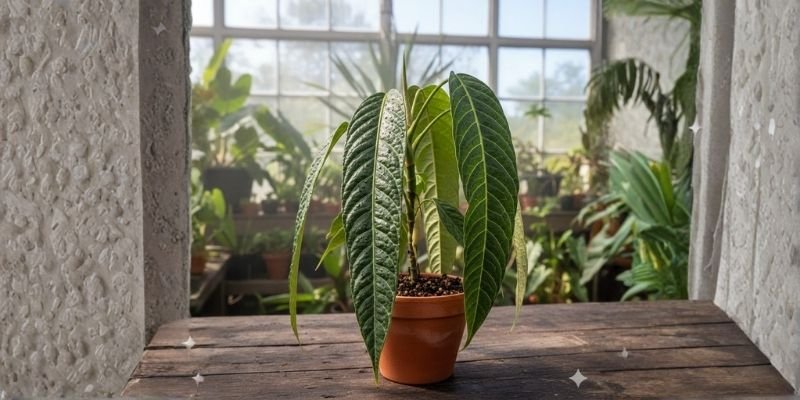
Hey there, fellow plant lover! If you’ve ever dreamed of turning your living room into a slice of the rainforest, let me introduce you to the Anthurium Veitchii—affectionately known as the King Anthurium. This isn’t just any houseplant; it’s the kind of bold, show-stopping beauty that makes people stop and stare. Picture this: massive, heart-shaped leaves that ripple like corrugated cardboard, each one unfurling up to three feet long and shimmering with a velvety green sheen. Those leaves aren’t flat and boring—they’ve got this dramatic, wavy texture that catches the light just right, making your space feel alive and exotic.
I remember the first time I brought home an Anthurium Veitchii. It was a scrawny little thing from a local nursery, but within a year, it had claimed its throne on my windowsill, towering over my other plants like royalty surveying the kingdom. Why the “King” nickname? Well, it comes from those regal, oversized leaves that demand attention—no subtle violets here. Native to the misty cloud forests of Peru, this tropical stunner thrives indoors where we can mimic its humid, shaded habitat. It’s perfect for indoor plant collectors who crave that collector’s edge, houseplant enthusiasts looking to level up, and even beginners ready for a rewarding challenge. With the right Anthurium Veitchii care, you’ll have a low-maintenance diva that rewards you with year-round drama.
But let’s get real: growing an Anthurium Veitchii isn’t about fussing every day. It’s about creating the cozy, steamy nook it loves. In this guide, I’ll walk you through everything from basics to troubleshooting, all based on years of trial-and-error in my own home jungle. Whether you’re starting from a cutting or nursing a mature plant, we’ve got you covered. Ready to crown your collection? Let’s dive in.
Anthurium Veitchii Plant Overview
The Anthurium Veitchii is like the charismatic leader of the Anthurium family—bold, beautiful, and a bit high-maintenance in the best way. Discovered in the 19th century and named after a British horticulturist, this plant hails from the understory of Peruvian rainforests, where it clings to trees and soaks up dappled sunlight. What sets it apart? Those iconic leaves: long, lance-shaped, and etched with deep, parallel veins that give them a quilted look. They’re not just pretty; that texture helps channel water away in its natural habitat, and indoors, it adds an unbeatable sculptural vibe to shelves or floors.
As a statement indoor plant, the Anthurium Veitchii shines in modern apartments or cozy reading nooks. It doesn’t flower as showily as its flamingo flower cousins, but when it does—sporadic white spathes with a slender green spadix—it’s a subtle nod to its heritage. For collectors, it’s a must-have because it’s rare enough to brag about but forgiving once you nail the Anthurium Veitchii care routine. Beginners, don’t sweat it; with steady humidity and indirect light, it’ll grow steadily, reaching mature heights that make it a true focal point.
To give you a quick snapshot, here’s a handy overview table I’ve put together from my own notes and observations. It’s all about keeping things simple so you can reference it while setting up your King.
Aspect | Details |
Common Name | King Anthurium |
Botanical Name | Anthurium veitchii |
Family | Araceae (Aroid family) |
Plant Type | Evergreen perennial |
Mature Size | Up to 6 feet tall; leaves 2-3 feet long |
Sun Exposure | Bright, indirect light |
Soil Type | Well-draining, airy mix (like orchid bark with peat) |
Soil pH | Slightly acidic (5.5-6.5) |
Bloom Time | Year-round, but less frequent indoors |
Flower Color | White spathe, green spadix |
Hardiness Zones | 10-12 (tropical) |
Native Area | Peru (cloud forests) |
Toxicity | Toxic to pets and humans (irritating sap) |
This table is your cheat sheet for Anthurium Veitchii care—print it out and tape it to your fridge if you need to! Just remember, while it’s hardy in the right spot, it’s not frost-tolerant, so indoors is where it truly reigns.
Anthurium Veitchii Care (Season-Wise Care)

One of the secrets to thriving Anthurium Veitchii care is tuning into the seasons. These plants evolved in consistent tropical vibes, so our indoor setups need to adapt when things get chilly or steamy. I’ll break it down by season, focusing on practical tweaks for humidity (its absolute fave) and keeping things beginner-friendly. Think of it as dressing your plant for the weather—cozy in winter, breezy in summer.
Winter Care for Anthurium Veitchii
Winter can be a sleepy time for your Anthurium Veitchii, as shorter days slow its growth. The key? Don’t let the cold creep in. Aim for temps between 65-75°F during the day and no lower than 60°F at night—anything below that, and those lush leaves might crisp up like forgotten toast. If your home runs dry from heating vents (guilty as charged in my drafty old place), crank up the humidity to 60-70% with a pebble tray or humidifier. Water less now—let the top inch of soil dry out between drinks to avoid soggy roots. I like to check by sticking my finger in; if it’s cool and moist, hold off. Fertilize sparingly or skip it altogether; your King is napping, not feasting. Place it away from cold windows, and you’ll wake up to perky growth come spring.
Summer Care for Anthurium Veitchii
Ah, summer—the growing season where your Anthurium Veitchii stretches its legs! With longer light hours, expect faster leaf production, so feed it a balanced, diluted houseplant fertilizer every 4-6 weeks. Water more frequently, about once a week, but always ensure excess drains out—overwatering is the fast track to root woes. Humidity should stay high (70%+ if you can swing it); I set mine near a bathroom for steamy showers. Watch for pests drawn to the warmth, and give leaves a gentle wipe if dust builds up. If temps climb over 85°F, add some airflow with a fan to prevent fungal funk. It’s rewarding watching new leaves unfurl—mine always seems happier, like it’s throwing a party.
Monsoon / Rainy Season Care
If you’re in a humid spot like the tropics or dealing with indoor “rainy season” from AC drips, Anthurium Veitchii care shifts to drainage drama. These plants love moisture but hate wet feet, so use a pot with plenty of holes and that chunky soil mix. Water only when the surface dries, even if it’s muggy outside—stagnant water invites rot. Boost airflow to dry out excess humidity; a small fan or cracked window works wonders. In my experience, rainy spells can trigger bacterial spots if airflow lags, so inspect undersides weekly. On the flip side, the natural steam is a boon—your leaves might get extra glossy without extra effort.
Indoor Anthurium Veitchii Care (Best Practices)
Indoors is where most of us grow this beauty, and nailing Anthurium Veitchii care here means consistency. Bright, indirect light is non-negotiable—think east-facing windows or a few feet from south ones with sheer curtains. Temps steady at 70-80°F keep it content. For watering, go for the “lift test”: if the pot feels light, it’s time. Use room-temp water to avoid shocking roots. Humidity is the MVP—group it with ferns, use a mister (sparingly, to dodge leaf spots), or invest in a cheap ultrasonic humidifier. Repot every 2-3 years in spring with fresh, airy soil. And don’t forget: rotate it monthly for even growth. My indoor setup? A dedicated corner with a grow light on cloudy days—bulletproof bliss.
Outdoor Care for Anthurium Veitchii (Warm & Humid Climates Only)
Got a screened porch in zone 10-12? Outdoor Anthurium Veitchii care can be magical in warm, humid climates (think Florida or coastal Hawaii). Shade it under a tree or lattice to mimic forest dapple—direct sun scorches those precious leaves. Water deeply but infrequently, letting rain help, and mulch to retain moisture. Temps above 60°F are a must; bring it in at the first chill. Pests love the outdoors, so neem oil sprays are your friend. I tried this once on vacation and it exploded with growth— but only if your area’s steamy; otherwise, stick to indoors.
Types of King Anthurium / Related Anthurium Varieties
The Anthurium Veitchii doesn’t rule alone—it’s got royal cousins in the aroid world that share that velvety, textured leaf magic. If you’re deep into Anthurium Veitchii care, branching out to these keeps your collection fresh. Here’s a rundown of close relatives, each with its own flair.
Anthurium Crystallinum
This one’s the sparkly sibling, with leaves that shimmer like they’ve been dusted with silver veins. Smaller than the King (up to 2 feet), it’s easier for beginners but demands similar humidity. Great for shelves where you want subtle drama.
Anthurium Warocqueanum (Queen Anthurium)
Meet the Queen’s counterpart—longer, narrower leaves with a deep green velvet that’s almost black in low light. It’s fussier about airflow but rewards with unbeatable elegance. Pair it with your Veitchii for a power duo.
Anthurium Magnificum
Bigger and bolder, this variety boasts leaves up to 4 feet with pronounced white veins. It’s a slow grower like the King but loves extra fertilizer. Ideal for floor plants in bright rooms.
Anthurium Regale
The under-the-radar gem, with rounded leaves etched in cream. It’s more compact and forgiving on light, making it a solid “practice” plant before tackling full Anthurium Veitchii care.
Anthurium Luxurians
Wavy edges and metallic sheen? Yes, please. This one’s got a looser texture but the same humidity cravings. It’s a collector’s wildcard for mixed aroid displays.
These aren’t identical twins, but their care overlaps—high humidity, indirect light—so mastering one unlocks the fam.
Pruning & Leaf Care for Anthurium Veitchii
Pruning your Anthurium Veitchii isn’t a yearly chore; it’s more like spot-cleaning to keep the crown polished. Those long leaves are tough but fragile—handle with care to preserve the corrugation.
When to prune? Anytime you spot yellowing, browning tips, or damaged edges, usually from low humidity or pests. Spring’s ideal for bigger jobs, like thinning crowded growth. Use sharp, sterilized shears—snip dead leaves right at the base to avoid stubs that rot. For support, as leaves elongate, stake them gently with moss poles; it mimics tree-climbing and prevents flops.
Leaf care is where Anthurium Veitchii care shines (or dulls if neglected). Dust monthly with a soft, damp cloth—never rub hard, or you’ll crush the texture. Skip oils; they clog those veins. Common mistakes? Over-misting (leads to spots) or ignoring brown tips (thirst signal). I once brushed mine too roughly and regretted the tears—lesson learned: patience pays off in glossy glory.
Propagating Anthurium Veitchii
Dreaming of multiplying your King? Propagation is straightforward for Anthurium Veitchii care pros, but timing matters—spring or early summer when it’s pumping energy.
Division Method (Easiest for Beginners)
- Unpot your mature plant gently, shaking off old soil.
- Spot natural offsets or clumps with roots—at least 2-3 leaves each.
- Use a sterile knife to separate, ensuring each has roots.
- Plant in fresh, moist mix; water lightly and cover with a plastic bag for humidity.
- Keep in bright indirect light; roots in 4-6 weeks. Boom—free plants!
Stem Cuttings
For singles, cut a healthy stem with a node below a leaf. Dip in rooting hormone (optional), pot in perlite-peat, and mist daily. It takes longer (2-3 months), but I’ve scored variegated surprises this way.
Patience is key; not every try succeeds, but that’s the fun of Anthurium Veitchii care.

Overwintering Anthurium Veitchii
Overwintering an indoor Anthurium Veitchii is less “survival mode” and more “gentle slowdown.” Keep it in its usual spot, but dial back water to every 10-14 days—dry soil invites no stress. Maintain 65°F+ with a heat mat if needed; drafts are the enemy. Boost light with a full-spectrum bulb if days shorten. Humidity dips? Pebble trays to the rescue. In my chilly winters, a simple grouping with peace lilies keeps everyone toasty. By March, it’ll perk up, ready to rule again.
Common Pests & Plant Diseases
Even kings face foes, and Anthurium Veitchii care includes pest patrol. Watch for these usual suspects:
- Spider Mites: Tiny webs, stippled leaves. Symptoms: Yellow dots, leaf drop. Prevent: High humidity, weekly hose-offs. Treat: Insecticidal soap sprays.
- Mealybugs: Cottony lumps on stems. Sticky honeydew follows. Quarantine and dab with alcohol swabs.
- Scale: Bumpy shields on veins. Wipe and neem oil.
- Aphids: Clusters sucking sap, curling tips. Blast with water, then soap.
Diseases? Root rot from overwatering—mushy roots, wilting. Fix: Repot in dry soil, trim rot. Bacterial blight shows as black spots; improve airflow, discard severe cases. Prevention’s simple: Clean tools, good drainage, and vigilant checks. My motto? Spot early, act fast—no drama needed.
How to Keep Anthurium Veitchii Healthy & Thriving
Want leaves that drape like velvet curtains? Anthurium Veitchii care boils down to balance. Water when the top soil’s dry—err wet, not soggy. Humidity at 60%+ via trays or groups; low levels crack those textures. Airflow prevents mildew; a gentle fan mimics breezes. For growth, feed diluted orchid fert monthly in season. Steady light yields steady drama—too dim, and leaves stretch leggy. Troubleshoot: Crispy tips? More mist. Slow unfurling? Warmer spot. From my trials, consistency trumps perfection; my Veitchii’s thrived on “good enough” routines.
FAQs – Anthurium Veitchii Care
1. Why are my Anthurium Veitchii leaves turning yellow? Yellowing often screams overwatering or poor drainage—roots can’t breathe. Check soil; if soggy, repot ASAP. Nutrient gaps or cold drafts play in too. Ease up on water and warm it up for a rebound.
2. How often should I water my Anthurium Veitchii? Depends on your setup, but aim for when the top inch dries—weekly in summer, bi-weekly in winter. Use the finger test; it’s foolproof for beginners in Anthurium Veitchii care.
3. Can Anthurium Veitchii handle low light? It tolerates medium indirect but won’t thrive—expect leggy growth and dull leaves. Shift to brighter spots; a north window with reflection works if south’s too intense.
4. What’s the best soil for Anthurium Veitchii? Chunky and airy! Mix equal parts peat, perlite, and orchid bark. It drains fast while holding just enough moisture—key for tropical roots.
5. How do I increase humidity for my Anthurium Veitchii? Pebble trays with water, grouping plants, or a humidifier. Mist lightly mornings, but don’t soak—aim for 60-80% to keep those corrugations happy.
6. Why are the tips of my Anthurium Veitchii leaves browning? Low humidity’s the usual culprit, or tap water fluoride. Flush soil monthly with rainwater, and up the steam. It’s fixable with tweaks.
7. Does Anthurium Veitchii flower indoors? Sporadically, yes—white spathes pop in ideal conditions. More light and warmth encourage it, but leaves are the real stars anyway.