In This Article
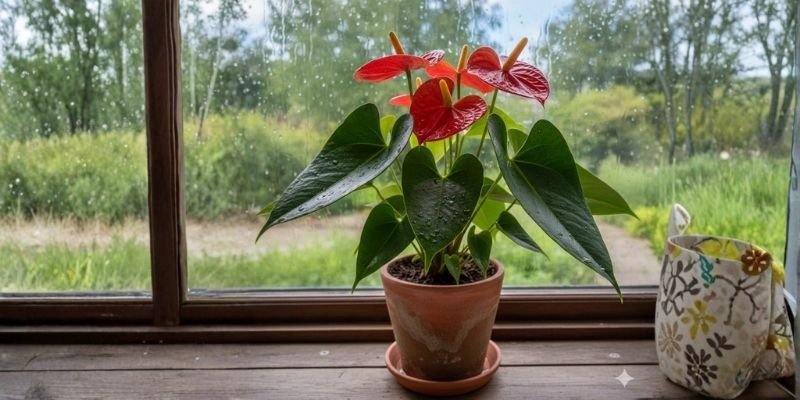
Hey there, fellow plant lover! If you’ve ever wandered into a nursery and caught yourself staring at those vibrant, waxy flowers that look like they’re straight out of a tropical paradise, chances are you’ve spotted an anthurium plant. These beauties, often called Flamingo Flowers or Laceleaf plants, have this magical way of brightening up any room with their glossy heart-shaped leaves and those eye-catching spathes—those colorful “flowers” that aren’t actually petals but modified leaves surrounding a central spike. What I love most about anthuriums is how they bloom for what feels like forever, sometimes months on end, without much fuss. They’re like the reliable friend in your houseplant collection: low-drama, high-reward.
As someone who’s spent years coaxing these tropical stunners through apartment living and seasonal shifts, I can tell you that care isn’t rocket science—it’s more like nurturing a bit of the rainforest right on your windowsill. They’re popular for good reason: forgiving for beginners, stunning for show-offs, and tough enough to handle indoor life. Whether you’re a total newbie dipping your toes into houseplants or a seasoned home gardener looking to add some flair, this guide will walk you through everything you need to know about growing healthy plants indoors. We’ll cover the basics, seasonal tweaks, and those little secrets that keep your anthuriums thriving and blooming like crazy. Let’s dive in!
Anthurium Plant Overview
Anthuriums hail from the steamy understories of Central and South America, where they cling to trees and soak up dappled light. In our homes, they adapt beautifully, bringing that exotic vibe without demanding a greenhouse. Picture this: lush, dark green leaves that stay perky year-round, paired with spathes in fiery reds, pinks, whites, or even greens that last up to eight weeks. No wonder they’re a go-to for indoor gardeners—they’re not just pretty; they’re conversation starters.
But before we get into the nitty-gritty of care, here’s a quick snapshot of what makes the anthurium plant tick. I’ve put together this handy table based on my own observations and trials with different varieties. It’s a great cheat sheet for anyone starting out.
Aspect | Details |
Common Name | Flamingo Flower, Laceleaf, Tailflower |
Botanical Name | Anthurium andraeanum (most common species) |
Family | Araceae (same as philodendrons and peace lilies) |
Plant Type | Perennial evergreen houseplant |
Mature Size | 12-18 inches tall, 12-24 inches wide (depending on variety) |
Sun Exposure | Bright, indirect light; avoid direct sun |
Soil Type | Well-draining, airy potting mix with peat or orchid bark |
Soil pH | Slightly acidic, 5.5-6.5 |
Bloom Time | Year-round indoors with proper care; peaks in spring and summer |
Flower Color | Red, pink, white, green, or bi-color spathes |
Hardiness Zones | USDA 10-12 (outdoors); indoors anywhere |
Native Area | Tropical rainforests of Colombia and Ecuador |
Toxicity | Toxic to pets and humans if ingested (keep away from nibblers) |
This table sums up why anthuriums are such a smart pick for indoor spaces—they’re compact, colorful, and not too picky. Just remember, that toxicity note: the sap can irritate skin or cause tummy troubles if your cat gets curious, so place them up high.
Anthurium Care (Season-Wise Care)

One of the best parts of anthurium care is how it flexes with the seasons. These plants crave consistency, but tweaking your routine a bit can make all the difference. Since most of us grow plants indoors, I’ll focus on that cozy setup while touching on outdoor options for warmer spots. Think humidity, gentle light, and steady moisture—mimic their rainforest roots, and you’ll be golden.
Winter Care for Anthurium Plant
Winter can be a sleepy time for your anthurium plant, with shorter days and drier air from heaters cranking up. The goal here? Keep things stable so it doesn’t drop leaves or skip blooms. Start by moving it away from drafty windows—anything below 60°F (15°C) stresses them out. Aim for daytime temps around 70-75°F (21-24°C) and cooler nights, but never chilly.
Watering slows way down in winter anthurium care. Let the top inch of soil dry out before giving it a drink—overwatering is the biggest winter killer. I like to mist the leaves every couple of days to bump up humidity, especially if your home feels like the Sahara. Fertilize lightly or skip it altogether; they’re not growing much now. If your looks leggy, a bit more indirect light from a south-facing window (filtered through sheer curtains) can perk it up. Pro tip: Group it with other houseplants to create a mini humidity haven.
Summer Care for Anthurium Plant
Ah, summer—the season when anthuriums really strut their stuff with non-stop blooms. Heat is their jam, but watch for scorching sun. In summer anthurium care, keep temps between 75-85°F (24-29°C) and ensure good airflow to prevent fungal issues. Water more frequently, but always check soil first—aim for moist but not soggy. I water mine every 4-5 days in peak heat, using room-temp water to avoid shocking the roots.
Humidity spikes naturally outdoors, but indoors, a pebble tray or humidifier is your best friend. Feed every two weeks with a balanced, diluted fertilizer (like 20-20-20) to fuel those colorful spathes. If leaves yellow, it might be too much direct sun—relocate to east or west exposures. And don’t forget to rotate the pot weekly for even growth. With these tweaks, your anthurium plant will reward you with a fireworks display of flowers.
Monsoon / Rainy Season Care
If you’re in a humid, rainy climate (or simulating one indoors), monsoon season is heaven—but it comes with pitfalls. Excess moisture can lead to root rot, so dial back watering during heavy rains. For indoor anthuriums, ensure pots have drainage holes and use a well-aerated mix to let excess water escape. I elevate mine on risers during downpours to avoid standing water.
High humidity is a plus (70-80% is ideal), but watch for pests like spider mites that love the damp. Wipe leaves regularly and improve air circulation with a fan on low. Fertilize sparingly—once a month—to avoid salt buildup in soggy soil. If outdoors in mild rain, shelter from pounding storms to prevent bruised leaves. Overall, rainy season anthurium care is about balance: embrace the moisture but guard against overkill.
Indoor Anthurium Care (Best Practices)
Indoors is where most of us shine with anthurium plants, and nailing the basics keeps them lush. Bright, indirect light is non-negotiable—think near a window but not in harsh rays. Water when the top soil feels dry, using filtered or settled tap water to sidestep chlorine woes. For humidity, I swear by daily misting or a nearby diffuser; aim for 60% or higher.
Pot in a chunky, peat-based mix that drains like a dream—add perlite or bark for extra fluff. Repot every 1-2 years in spring, going up just one size to avoid drowning the roots. General indoor anthurium care tip: Consistency is key. Track your routine in a journal at first; it’ll help you spot patterns, like how your plant perks up after a humidity boost.
Outdoor Anthurium Care (Warm & Humid Climates Only)
Got a screened porch or shaded patio in zones 10-12? Outdoor anthurium care can be a treat, but only in warm, humid spots—anything cooler than 55°F (13°C) sends them into shock. Place in dappled shade under trees or eaves, where they get morning sun but afternoon protection. Water deeply but infrequently, letting rain do some heavy lifting.
Humidity from coastal air or frequent mists keeps them happy, but mulch around the base to retain moisture. Fertilize monthly during growth spurts. Watch for snails or slugs—those nighttime munchers love tender leaves. If you’re transitioning from indoors, acclimate slowly over a week. In the right setup, outdoor anthuriums explode with size and blooms, but bring them in before frost nips.
Types of Anthurium / Popular Anthuriums
Anthuriums aren’t one-size-fits-all; there are over 1,000 species, but a handful steal the show for home growers. I’ve grown most of these, and each has its personality. Here’s a rundown of popular anthuriums that make care a joy, no matter your space.
Anthurium Andraeanum (Flamingo Flower)
This is the classic—the one you see in every florist shop. Heart-shaped red spathes on sturdy stems, with leaves that stay glossy and upright. It’s compact (up to 18 inches) and blooms reliably indoors. Perfect for beginners; just give it steady humidity, and it’ll flower for months.
Anthurium Scherzerianum (Flame Tongue)
If you want something with a twist, go for this curly-q sp adix (that central spike) variety. Spathes come in orange, red, or pink, and it’s a bit more compact than andraeanum. Loves bright light and responds well to misting—great for shelves or tabletops. I’ve had one bloom through a whole winter with minimal fuss.
Anthurium Crystallinum (Velvet Cardboard Plant)
For leaf lovers, this one’s a stunner. Huge, velvety leaves with white veins that shimmer like they’re dusted with crystal. Spathes are subtle (greenish-white), so it’s more about foliage drama. Grows taller (up to 2 feet) and needs higher humidity—ideal for bathrooms or terrariums. A bit finickier, but worth it for that lush look.
Anthurium Warocqueanum (Queen Anthurium)
The diva of the bunch: elongated, velvety leaves up to 3 feet long that drape elegantly. Rare spathes in pink or red peek out occasionally. This one’s for serious collectors—needs warm temps (above 70°F) and orchid-like soil. Hang it in a basket for a statement piece.
Anthurium Clarinervium
Compact and cute, with rounded leaves veined like delicate lace. Spathes are small but vibrant red. Super forgiving for care newbies; thrives in standard indoor conditions and rarely sulks. I keep mine on a coffee table—it’s like a living sculpture.
These popular anthuriums cover the spectrum from flashy bloomers to foliage queens. Pick based on your light and vibe, and you’ll have a thriving addition to your indoor jungle.
Pruning & Cleaning Anthurium Plant
Pruning and cleaning are like spa days for your anthurium plant— they encourage fresh growth and keep things looking sharp. I do this every few months, and it always pays off with bushier plants and more blooms. The key? Use clean, sharp tools to avoid spreading gunk.
Start with dead or yellowing leaves: Snip them off at the base with scissors, right where they meet the stem. For spent flowers, cut the entire stalk back to the main plant once the spathe fades— this redirects energy to new buds. In spring, give it a light overall trim to shape it; remove any leggy stems to promote compactness. Never hack away more than a third at once, or you’ll stress the roots.
Cleaning is just as crucial for healthy anthurium care. Dust clogs those glossy leaves, blocking light and inviting pests. Every couple of weeks, gently wipe with a damp microfiber cloth—lukewarm water with a drop of mild soap if needed. For stubborn spots, a quick shower (outdoors or in the tub) works wonders; just shake off excess and let it dry in indirect light. Avoid leaf shine sprays—they’re gimmicky and can clog pores.
Common mistakes? Over-pruning in one go (leads to bare spots) or using dull blades (crushes stems). And don’t forget to sterilize tools with rubbing alcohol between cuts. Done right, this routine keeps your anthuriums vibrant and pest-free.
Propagating Anthurium
Sharing the love with propagation is one of my favorite parts of anthurium care—it’s easy, rewarding, and doubles your plant collection fast. The two go-to methods are division (for mature clumps) and stem cuttings (for singles). Spring or early summer is prime time, when they’re actively growing.
Division: Step-by-Step
- Gently unpot your anthurium plant, shaking off loose soil to reveal the roots. Look for natural separations—clumps with at least 3-4 leaves and roots each.
- Use a sterile knife to slice through the rhizome (that underground stem), ensuring each piece has healthy roots. Dust cuts with cinnamon (natural antifungal).
- Plant divisions in fresh, well-draining mix, same depth as before. Water lightly and place in bright, indirect light.
- Keep soil moist (not wet) and humidity high with a plastic bag tent for 2-3 weeks until roots knit. New growth in a month means success!
Stem Cuttings: Step-by-Step
- Select a healthy stem with a node (bump where leaves emerge) and at least one leaf. Cut just below the node at a 45-degree angle.
- Dip the cut end in rooting hormone (optional but speeds things up), then plant in moist perlite or vermiculite.
- Enclose in a propagation dome or bag to maintain 70% humidity; keep at 75°F in indirect light. Mist daily.
- Roots form in 4-6 weeks—tug gently to check. Transplant to soil once sturdy, and treat like a baby plant.
Patience is key; not every cutting takes, but with practice, you’ll have a forest of anthuriums. Avoid direct sun during rooting to prevent scorching.

Overwintering Anthurium Plant
Overwintering your anthurium plant is all about dialing down the drama so it sails through cold months strong. Even indoors, winter mimics dormancy with less light and dry air, so proactive steps keep antherium care smooth.
First, scout a cozy spot: 65-75°F days, no colder than 60°F nights, away from heaters or frosty panes. If you’re in a chillier climate, a grow light on a 12-hour timer mimics shorter days without stretching. Water sparingly—every 10-14 days, only when soil’s dry two inches down. This prevents rot in cooler, slower-draining conditions.
Humidity drops like a stone in winter, so combat it with a humidifier or grouping plants together. I mist mine every other day and place pots over water-filled trays with pebbles. Skip fertilizer from November to February; resume in March for a bloom boost. If leaves droop, check for pests—aphids love stressed plants. By spring, your overwintered will bounce back lush, ready for glory.
Common Pests & Plant Diseases
No plant’s immune to trouble, but spotting issues early makes anthurium care a breeze. These tropicals attract a few usual suspects, mostly from low humidity or overcrowding. Here’s what to watch for, with simple fixes.
Pests:
- Spider Mites: Tiny webs and stippled leaves. Symptoms: Yellowing, dry edges. Prevention: High humidity and weekly hose-offs. Treat: Neem oil spray every 3 days.
- Mealybugs: White, cottony blobs on stems. Sticky honeydew follows. Wipe with alcohol-dipped cotton, then insecticidal soap. Isolate to stop spread.
- Scale: Hard bumps on leaves/under leaves. Scrap off manually, follow with hort oil. Boost airflow to deter.
- Aphids: Green clusters on new growth. Blast with water; pyrethrin spray if persistent.
Diseases:
- Root Rot (from overwatering): Mushy roots, wilting despite wet soil. Trim rotted parts, repot in sterile mix, cut water way back.
- Bacterial Blight: Water-soaked leaf spots turning black. Remove affected leaves; avoid overhead watering. Copper fungicide as last resort.
- Anthracnose: Brown leaf spots in humid conditions. Improve circulation; fungicide if spots spread.
Prevention’s your superpower: Quarantine new plants, inspect weekly, and maintain balance. Healthy anthuriums fend off most woes naturally.
How to Keep Anthuriums Healthy & Blooming Indoors
Want your anthuriums pumping out those showstopper flowers while leaves stay like polished emeralds? It’s all in the details of everyday anthurium care. From my trial-and-error days, here’s what works wonders.
For glossy leaves, embrace the wipe-down routine—dust steals their shine. Water with tepid, filtered H2O to dodge tip burn, and always from below to keep crowns dry. Humidity is bloom fuel: 60-80% via misters, pebble trays, or even a bathroom relocation during showers. I group mine with ferns for a shared sauna effect.
Fertilizing smartly keeps antherium plants vigorous—half-strength bloom booster (high phosphorus) every 4-6 weeks in growing season. Underfeed in winter. Light’s the bloom trigger: 4-6 hours of bright indirect daily. If blooms stall, pinch off old ones to redirect sap.
Stress-busters like stable temps (no big swings) and fresh air (fan on low) prevent legginess. Rotate pots for symmetry, and repot proactively to refresh roots. With these habits, your indoor anthuriums won’t just survive—they’ll thrive, gifting you endless color.
FAQs – Anthurium Care
1. How often should I water my anthurium plant?
Water when the top inch of soil feels dry—usually every 5-7 days indoors. Stick your finger in or lift the pot; if it’s light, time to soak. Overdo it, and roots rot; underwater, and leaves crisp. Adjust for your home’s humidity—wetter air means less frequent drinks.
2.Why are the leaves on my anthurium turning yellow?
Yellow leaves scream “help!” Often, it’s overwatering or poor drainage—check for soggy soil and repot if needed. Low light or cold drafts can also culprits. Trim yellow bits and tweak care; most bounce back quick.
3. Can anthuriums bloom year-round indoors?
Absolutely, with the right setup! Consistent bright light, humidity over 60%, and monthly fertilizer keep flowers coming. Mine have spathed through holidays—patience and tweaks make it happen.
4. What’s the best soil for anthurium care?
Go for a loose, peat-based mix with perlite or bark for drainage—think African violet or orchid soil. pH around 6 keeps nutrients available. Refresh yearly to avoid compaction.
5. How do I increase humidity for my anthurium plant?
Misting daily helps, but for real impact, use a pebble tray with water (pot above the level) or a humidifier. Group with thirsty plants like calatheas. Bathrooms are goldmines for natural steam.
6. Are anthuriums easy for beginners?
Yes! They’re forgiving divas—tolerate forgetful watering better than many. Start with basics: light, moisture, and love. My first one taught me more than any book.
7. Why isn’t my anthurium blooming?
Could be insufficient light (needs bright indirect), low humidity, or skipped fertilizer. Old blooms left on sap energy too. Prune spent ones and boost phosphorus—flowers follow in weeks.
8. How big do anthurium plants get indoors?
Most stay 12-24 inches tall and wide, perfect for shelves. Foliage types like crystallinum can stretch to 2 feet. Prune to control size; they’re not sprawlers.
9. Is anthurium toxic to cats?
Sadly, yes—the calcium oxalate crystals irritate mouths and guts. Keep high or use deterrents like foil collars. Dog-safe too, but same rule: out of reach.
10. When should I repot my anthurium?
Every 1-2 years in spring, when roots circle the pot or soil’s spent. Go up one size only—too big invites rot. It’s a refresh that sparks growth.