In This Article
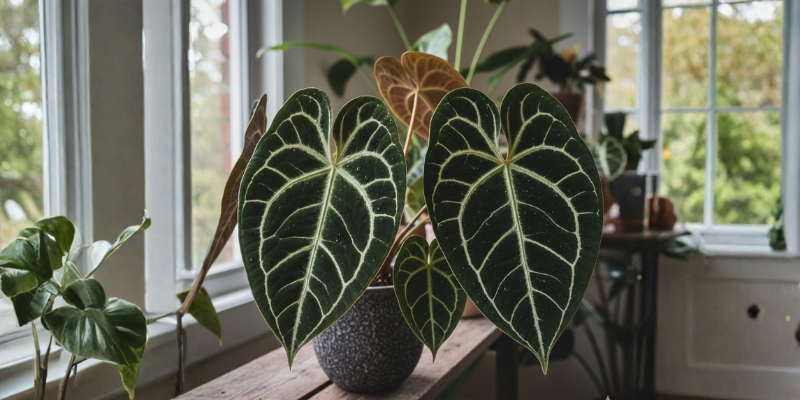
Hey, plant enthusiasts! You know that moment when you enter a space and a plant practically pulls you in with its shimmering, silver-kissed leaves? That’s likely an Anthurium Crystallinum making its entrance. This stunning specimen, also known as the Crystal Anthurium, has captivated me for years. Its velvety, crystal-like foliage truly comes alive when the light hits it just so.
Having cultivated rare aroids and Anthuriums in my home and greenhouse for over fifteen years, I can attest that it’s more than just aesthetics; these plants have a remarkable ability to turn a room into a verdant, tropical retreat. This comprehensive guide is designed for everyone, from those just starting to explore houseplants to experienced collectors seeking that next exceptional specimen. It will cover all the essential information needed to ensure your Crystal Anthurium flourishes and produces the larger, more impressive blooms we all desire.
To kick things off, let’s get the basics down with a quick reference table on the key details of Anthurium Crystallinum.
Field | Details |
Botanical Name | Anthurium crystallinum |
Common Name | Crystal Anthurium |
Plant Type | Tropical perennial, evergreen foliage plant |
Mature Size | 2-3 feet tall and wide indoors, with leaves up to 18 inches long |
Leaf Type | Heart-shaped, velvety texture with prominent silver-white veins |
Light Requirement | Bright indirect light; avoid direct sun |
Soil Type | Airy, well-draining aroid mix with perlite, orchid bark, and peat |
Water Needs | Moderate; keep soil evenly moist but never waterlogged |
Humidity Requirement | High, 60-80%; thrives in humid environments |
Maintenance Level | Moderate; requires consistent care but rewards with stunning growth |
Temperature Range | 65-80°F (18-27°C); protect from drafts and cold below 60°F |
What is Anthurium Crystallinum (Crystal Anthurium)?
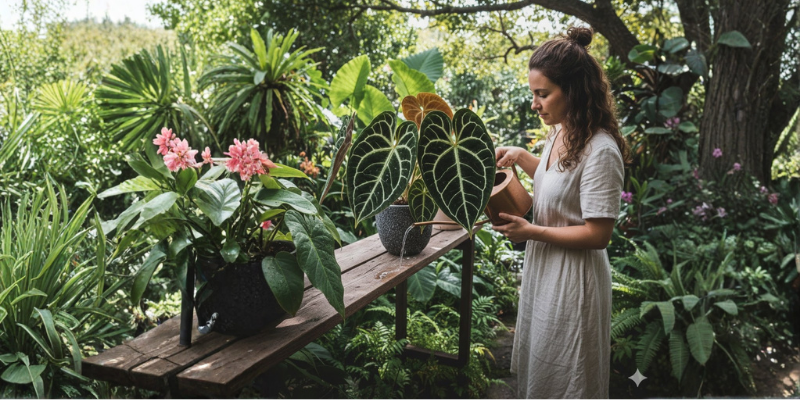
Anthurium Crystallinum, or the Crystal Anthurium, as it’s affectionately called, hails from the verdant rainforests of Central and South America. You’ll find it in places like Panama and Colombia, where the air is thick with humidity and sunlight filters through the canopy. In the wild, this plant, an epiphyte, often attaches itself to trees or rocks, soaking up moisture from the air rather than drawing it from the soil. The leaves are the Crystal Anthurium’s most striking characteristic.
These leaves are enormous, heart-shaped, and have a velvety texture, with brilliant silver veins that catch the light, creating the plant’s characteristic crystalline look.
The flowers, small spadix blooms in shades of green and purple, are a pleasant addition. However, after years of tending to these plants, it’s the leaves that have me completely enchanted. They’re not just pretty; they’re a remarkable example of nature’s ingenuity, perfectly designed to capture light in the shadows of the forest.
Why Grow Crystal Anthurium Indoors?
Having an Anthurium Crystallinum in your home is, in a way, a little slice of the tropics. The plant’s lush, velvety leaves, with their striking silver veins, bring a dramatic, almost metallic quality to any space. It’s no wonder they’re a go-to for both interior designers and plant lovers. But it’s not just about looks. The Crystal Anthurium also acts as a natural air purifier, removing harmful substances like formaldehyde and ammonia from the air. I’ve found that this makes my living areas feel noticeably fresher, particularly in those cramped urban apartments where air quality can be an issue.
It brings that tropical, verdant feel, even if you don’t have a sprawling garden, and as a collectible, it’s genuinely worthwhile; unusual types can spark interesting discussions or even be passed down through generations. I’ve found that cultivating Crystal Anthurium has been a form of therapy as well—the emergence of those fresh leaves serves as a reminder of patience and personal development, something we all need in our hectic lives.
Seasonal Care Calendar
Caring for Anthurium Crystallinum shifts with the seasons, just like it would in its native habitat. Here’s a handy table outlining key tasks to keep your Crystal Anthurium happy year-round.
Season | Key Care Tasks |
Spring | Increase watering as growth resumes; fertilize every 4-6 weeks; check for pests; repot if roots are crowded. |
Summer | Provide extra humidity with misting or trays; bright indirect light; monitor for overwatering in heat; prune dead leaves. |
Fall | Reduce fertilizing; maintain consistent moisture; prepare for lower light by moving closer to windows. |
Winter | Water sparingly; boost humidity to combat dry indoor air; avoid cold drafts; inspect for spider mites in low light. |
How to Grow and Care for Anthurium Crystallinum
Growing Anthurium Crystallinum isn’t exactly a PhD project, but it does require a bit of finesse to replicate its native habitat. From my experience, giving Crystal Anthurium the royal treatment—much like you’d treat a cherished visitor—results in robust plants and those stunning flowers everyone admires.
Step 1: Choose the Right Indoor Location
The secret to a flourishing Anthurium Crystallinum lies in its placement. These plants, in my greenhouse, flourish in an environment that mirrors a tropical rainforest: warmth, moisture, and protection from the sun’s harsh rays. Indoors, look for a room with a stable temperature, ideally somewhere between 65 and 80°F. A bright bathroom or kitchen, where the steam from showers or cooking naturally boosts humidity, is a good choice. Steer clear of drafty windows or air vents, as abrupt temperature shifts can be harmful. If you live in a drier climate, consider clustering your Anthurium with other humidity-loving plants to create a more welcoming microclimate.
Step 2: Provide Bright Indirect Light
Light is essential for achieving that characteristic, velvety appearance on Anthurium Crystallinum leaves. Through my own experimentation, I’ve discovered that Crystal Anthurium thrives under bright, filtered light. Consider placing them near east or west-facing windows, where the morning or afternoon sun can gently illuminate them through sheer curtains. However, direct sunlight is a no-go; it burns those delicate leaves, causing yellowing or browning. Conversely, insufficient light results in spindly growth and smaller leaves. For homes with less natural light, I’ve successfully used grow lights, set on a 12-hour timer. These lights should be positioned roughly 12 to 18 inches above the plant, which helps promote larger blooms without causing undue stress.
Step 3: Use an Airy, Well-Draining Aroid Soil Mix
The soil mix for Anthurium Crystallinum is crucial; if it’s too compact, the roots will suffer. For years, I’ve been concocting my own blends. My go-to is a combination of equal parts orchid bark, perlite, and peat moss. This creates a light, airy mix that drains swiftly but retains some moisture—essentially replicating the Crystal Anthurium’s natural, epiphytic environment. Heavy garden soil is a definite no-no; it packs down and chokes the roots. I also toss in a bit of charcoal to ward off any potential bacterial problems. I’ve found that this approach leads to more robust root systems, which in turn, results in more vigorous overall growth.
Step 4: Proper Potting and Container Selection
First, make sure your pot has drainage holes; terracotta is a great choice because it helps draw out extra water. When it’s time to repot—something I do every couple of years in the spring—carefully loosen the roots and put the plant in a pot that’s only an inch or two bigger. Crystal Anthuriums like to be a bit root-bound, which can actually help them flower. I’ve learned the hard way about overpotting, losing a few plants early on because the soil stayed too soggy. Now, I always use fresh potting mix and make sure the plant is settled without burying the crown.
Step 5: Watering Without Overwatering
Caring for an Anthurium Crystallinum means finding the sweet spot with watering: keep it damp, not drenched. I usually poke my finger into the top inch of soil. If it’s dry, I give it a good soaking, letting water run out the bottom, and then I dump any excess from the saucer. From what I’ve seen, these plants wilt noticeably when they’re thirsty, but they recover surprisingly fast. Use water that’s at room temperature and filtered to prevent any root shock. During the winter, when the plant’s growth slows, cut back on the watering. Overwatering is the enemy, causing yellowing leaves and root rot, so it’s better to err on the side of caution and water less if you’re not sure.
Step 6: Maintaining High Humidity Levels
High humidity is essential if you want to keep your Anthurium Crystallinum’s leaves from turning crispy. I try to maintain a humidity level of 60-80%. To achieve this, I’ve used pebble trays filled with water beneath the pot, or simply grouped the plants together in my home. Daily misting is beneficial, but a humidifier is a real lifesaver for Crystal Anthurium during dry winter months. In my greenhouse, I’ve even set up misting systems, though indoors, a simple placement in the bathroom works wonders. Keep an eye out for brown tips; they’re a sure sign the plant needs more moisture.
Step 7: Feeding and Fertilizing During Growth
Feeding Anthurium Crystallinum is key to achieving those impressive leaves and flowers. I use a balanced, water-soluble fertilizer, diluted to half its strength, every four to six weeks during the spring and summer months. It’s best to choose one that’s high in phosphorus to encourage blooming. Because Crystal Anthurium is sensitive to salt buildup, I flush the soil with plain water once a month. I’ve found that skipping winter feedings helps prevent weak growth in my collection, and I’ve watched plants double in size following this regimen.
Step 8: Managing Pests and Common Problems
Pests can be a real problem for Anthurium Crystallinum, but catching them early is key. Spider mites thrive in dry environments, leaving behind telltale webbing on the leaves. I combat them with neem oil, applied weekly. Mealybugs, on the other hand, like to hide in the nooks and crannies. A cotton swab dipped in alcohol usually does the job. If you notice the leaves yellowing, it’s often a sign of overwatering. Trim away the affected areas and adjust your watering schedule. Crystal Anthurium is generally tough, but from my experience, it’s wise to quarantine any new plants to stop pests from spreading.

Step 9: Long-Term Care for Bigger Leaves and Blooms
To keep your Anthurium Crystallinum thriving, trim away any wilted leaves; this helps the plant focus its resources. Turn the pot every three months to encourage balanced growth. If your plant starts to lean, give it some support with stakes. I’ve found that with regular attention, my Crystal Anthuriums bloom several times a year. Remember, it takes time; larger leaves and more vibrant plants come with age and a good diet.
Common Beginner Mistakes to Avoid
New Anthurium Crystallinum owners frequently drown their plants, assuming tropical means always soggy. This is a recipe for root rot. The solution? Allow the soil to dry out a bit between waterings.
Another common mistake is putting the Crystal Anthurium in direct sunlight, which can scorch the leaves. Move it to a spot with indirect light and remove any damaged foliage.
Neglecting humidity is another issue, leading to sad, curling leaves. A humidifier is a quick fix.
Using the wrong soil, such as a dense potting mix, deprives the roots of air. Repotting into an aroid-specific blend is the answer.
Finally, don’t wait until pests are a problem. Regularly inspect your plant to catch any issues early.
Styling and Display Ideas for Indoor Spaces
Anthurium Crystallinum brings a touch of glamour to any space, its leaves a striking silver against the green. I have mine hanging in a macramé planter near a window in my living room, which gives the room a relaxed, bohemian feel. It works well with minimalist shelving in contemporary settings, or you could cluster it with ferns to create a verdant, jungle-inspired nook. Bathrooms, with their naturally higher humidity, are also a perfect spot, adding a spa-like element. In an office, placing it on your desk not only looks polished but also helps clean the air. To really show off those stunning leaves, consider using a pedestal.
Expert Tips for Bigger Leaves and Healthier Growth
Having spent over fifteen years tending to these plants, I swear by aerating the soil monthly with a chopstick to keep it from getting too dense for my Anthurium Crystallinum. I also swear by banana peels; I soak them in water to give the plants a natural potassium boost. My Crystal Anthurium leaves practically exploded in size after I started doing that. To keep the leaves looking good and to deter pests, I wipe them down with a mixture of milk and water. If you want blooms, make sure they get at least twelve hours of light during the winter months. If the plant seems to stop growing, check the roots and consider refreshing the soil. Patience is key.
Propagation Methods (Division + Stem Cuttings)
Propagating Anthurium Crystallinum is a straightforward way to expand your collection. If you’re dividing: Spring is the time. Take the plant out of its pot, carefully separate the clumps, ensuring each has robust roots and leaves, and then replant them in fresh potting mix. Water sparingly and maintain humidity until the plants are settled in; I’ve managed to double my plants this way.
For stem cuttings: Snip a healthy stem just below a leaf node. Dip the cut end in rooting hormone and place it in damp sphagnum moss. Cover with plastic to retain humidity; roots should develop in four to six weeks. Once the roots are established, transplant the cutting into soil. Crystal Anthurium cuttings prefer a warm environment.
Conclusion
Cultivating an Anthurium Crystallinum, the Crystal Anthurium, is a satisfying endeavor, offering a slice of tropical beauty for your home. Give it some care, and you’ll be rewarded with those striking leaves and the rare flower for a long time. It’s a labor of love, but worth it—happy growing!
FAQs –
1. How frequently should you repot your Anthurium Crystallinum?
Repotting your Crystal Anthurium every year or two is a good practice to maintain its health, particularly if you notice the roots are becoming pot-bound. Spring is the ideal time for this. Select a pot that’s just a bit larger and fill it with fresh aroid mix. I’ve discovered that minimizing root disturbance during repotting helps avoid shock, and incorporating worm castings provides a nutrient boost, encouraging vigorous new growth.
2. Why are the leaves on my Crystal Anthurium going brown?
Brown leaves on an Anthurium Crystallinum frequently indicate either insufficient humidity or a lack of water. To remedy this, increase the moisture levels. You can do this by misting the plant daily or using a humidifier, and by making sure you’re watering it consistently. In my experience, cold drafts can also be a problem; it’s best to move the plant away from windows during the winter months. Finally, trim away any brown areas to promote new growth.
3. Can Anthurium Crystallinum thrive in less-than-bright environments?
Although the Crystal Anthurium favors bright, indirect light, it can manage in lower light, though its growth will be sluggish, and the leaves will be smaller. If necessary, you can use LED grow lights to supplement. Based on what I’ve seen, a space that’s too dim will cause the plant to stretch, so for the best results, aim for at least medium light.
4. What fertilizer is best for Crystal Anthurium?
A diluted, half-strength 20-20-20 fertilizer does the trick for Anthurium Crystallinum when it’s growing. I use it once a month in the spring and summer. When it’s time for blooms, I switch to a phosphorus-heavy formula. I always flush the soil to prevent salt from accumulating, which can cause the leaves to turn yellow.
5. How do I increase blooming in my Anthurium Crystallinum?
To encourage more flowers on your Crystal Anthurium, keep it warm, maintain high humidity, and feed it phosphorus fertilizer. A little root-boundness is actually beneficial. In my greenhouse, I’ve noticed that the mature plants bloom more when they get 14 hours of light each day. Try to replicate this lighting schedule indoors for the best outcome.
6. Is Crystal Anthurium toxic to pets?
Indeed, Anthurium Crystallinum harbors calcium oxalates, which can upset pets’ stomachs if they nibble on them. It’s best to keep this plant away from your cats and dogs. I keep mine safe by placing them on high shelves. If a pet does manage to chew on a leaf, keep an eye out for excessive drooling and don’t hesitate to call your veterinarian.
7. What’s the best way to clean Crystal Anthurium leaves?
Every month, give your Anthurium Crystallinum’s leaves a gentle wipe with a damp cloth to clear away dust and boost their luster. Steer clear of leaf shine products; they can block the plant’s pores. Personally, I use a simple milk-and-water mix (equal parts) to clean and keep pests at bay.
8. How long does it take for a Crystal Anthurium to reach its full potential?
Indoors, Anthurium Crystallinum typically matures within two to three years, at which point you’ll see larger leaves and possibly even flowers. Providing consistent care can accelerate this process; after a bit of attention, mine began to flourish beautifully.