In This Article
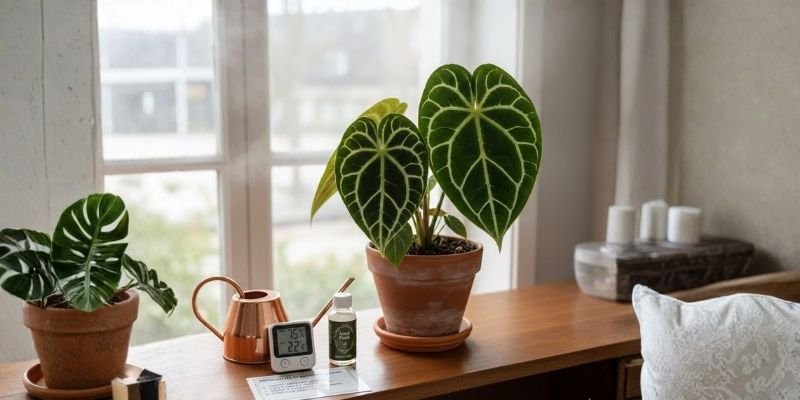
Hey there, fellow plant lover! If you’ve ever caught yourself staring at those lush, velvety leaves that look like they’ve been dusted with magic, you might already be smitten with the Anthurium clarinervium. This beauty, often called the velvet anthurium, is like the quiet showstopper of the indoor plant world. Native to the steamy understories of Central America, it boasts thick, heart-shaped leaves with a soft, suede-like texture and those eye-catching white veins that trace elegant patterns across the green surface. It’s not just pretty—it’s a premium pick for anyone who wants a low-fuss, high-impact houseplant that feels a bit exotic without demanding a greenhouse.
What draws people to anthurium clarinervium care is how forgiving it can be once you get the basics down. I’ve got a couple of these in my sunny living room corner, and they’ve been thriving for years, adding that tropical vibe without much drama. Whether you’re a total newbie dipping your toes into aroids or a collector hunting for that next velvet-leaf gem, this guide is your friendly roadmap. We’ll cover everything from daily anthurium clarinervium care to troubleshooting those pesky issues, all tailored for indoor setups. Let’s dig in and help your velvet anthurium flourish.
Anthurium Clarinervium Plant Overview
Picture this: You’re wandering through a misty jungle, and suddenly, you spot these plump, almost quilted leaves peeking out from the forest floor. That’s the world of Anthurium clarinervium—a tropical perennial that’s made its way into homes as a beloved foliage star. Unlike its flashy flamingo flower cousins, this one’s all about the leaves: broad, cordate shapes up to 12 inches across, coated in fine hairs that give that irresistible velvet feel. The veins? They’re like silvery rivers on emerald fabric, making each leaf a tiny work of art. And while it does produce subtle flowers—small green spathes with cream-colored spadices—they’re more of a bonus than the main event.
Why go premium with anthurium clarinervium care? For starters, it’s compact enough for shelves or tabletops but grows into a statement piece over time. It’s got that rare combo of being pet-friendly in moderation (though keep it out of nibbling reach) and air-purifying, too. Plus, in a world of spiky succulents, its soft texture is a soothing contrast. If you’re into sustainable gardening, know that these plants are often propagated ethically from cuttings, supporting conservation in their native habitats like Mexico and Guatemala.
To give you a quick snapshot, here’s a handy table breaking down the essentials. I’ve pulled this from years of hands-on growing, so it’s straightforward and real-world ready.
Aspect | Details |
Common Name | Velvet Anthurium |
Botanical Name | Anthurium clarinervium |
Family | Araceae (Aroid family) |
Plant Type | Evergreen perennial |
Mature Size | 12-24 inches tall, 18-36 inches wide |
Sun Exposure | Bright, indirect light |
Soil Type | Loose, well-draining potting mix with perlite or orchid bark |
Soil pH | Slightly acidic, 5.5-6.5 |
Bloom Time | Spring through summer (sporadic indoors) |
Flower Color | Green spathe with pale spadix |
Hardiness Zones | 10-12 (USDA; indoors year-round in cooler areas) |
Native Area | Mexico to Costa Rica |
Toxicity | Mildly toxic if ingested (irritant to skin/pets) |
This table’s your cheat sheet for quick reference—pin it near your plant stand! Now, let’s roll up our sleeves and talk about keeping that velvet glow alive through the seasons.
Anthurium Clarinervium Care (Season-Wise Care)

One of the joys of anthurium clarinervium care is how it adapts to your home’s rhythm, but seasons can throw curveballs if you’re not paying attention. Since most of us grow these indoors, I’ll focus on that cozy setup while touching on outdoor options for warmer spots. The key? Mimic its humid, shaded jungle roots with consistent moisture and gentle light. Over the years, I’ve learned that tweaking habits seasonally keeps leaves plump and veins crisp—no more than a weekly check-in needed.
Winter Care for Anthurium Clarinervium
Winter’s the sleepy season for your velvet anthurium, and anthurium clarinervium care here is all about hunkering down. Days are shorter, heaters crank up the dry air, and your plant might slow its roll on growth. Aim for temps between 65-75°F (18-24°C)—anything below 60°F risks chilly stress that yellows those precious leaves.
Water sparingly: Let the top inch of soil dry out between drinks, maybe every 10-14 days. Overwatering in low light leads to root rot, a heartbreak I’ve dodged by sticking a finger in the soil first. Boost humidity with a pebble tray or grouping it with ferns—target 60-70% if you can measure it. Dust off leaves gently with a soft cloth (no water sprays in cold drafts) to keep that velvet texture breathing. Fertilize? Skip it; your plant’s on a natural break. If leaves curl, it’s begging for more mist—I’ve saved a few sad specimens this way.
Summer Care for Anthurium Clarinervium
Ah, summer—the growth spurt time! Your Anthurium clarinervium will stretch those heart-shaped leaves like it’s showing off. Anthurium clarinervium care ramps up here: Brighter days mean more evaporation, so water when the top two inches feel dry, roughly twice a week. Temps love 70-85°F (21-29°C), but watch for scorching if it’s near a south-facing window—filtered light through sheer curtains is gold.
Humidity dips outdoors but spikes indoors with AC; counter it by running a humidifier or popping the pot on a saucer of wet sphagnum moss. Feed lightly every four weeks with a balanced, diluted houseplant fertilizer (half-strength to avoid burn). I like to rotate the pot weekly for even growth—uneven light makes veins fade on one side. If it blooms (lucky you!), snip spent flowers to redirect energy to foliage. Pro tip: Summer’s prime for repotting if roots are circling—more on that later.
Monsoon / Rainy Season Care
If you’re in a tropical zone or dealing with indoor “monsoons” from leaky windows, anthurium clarinervium care shifts to drainage defense. High humidity is a win (80%+ feels like home), but soggy soil is the enemy. Water only if rain hasn’t kept things damp—err on the side of underwatering. Good airflow prevents fungal fuzz on those velvety surfaces; a small fan on low works wonders.
Outdoors in mild rain? Shelter from downpours to avoid leaf spot diseases. Indoors, wipe excess water from leaves post-mist to dodge bacterial woes. Fertilize sparingly—rain leaches nutrients fast. My rainy-season ritual? Elevate pots on risers for extra drainage. Leaves stay lush, veins pop, and no mushy surprises.
Indoor Anthurium Clarinervium Care (Best Practices)
Year-round, indoor anthurium clarinervium care is where the magic happens for most of us. East or west windows with indirect light are ideal—think 4-6 hours of filtered sun to keep colors vibrant without scorching. Soil? Aroid mix with chunks of bark or perlite ensures roots don’t drown; pH around 6 keeps nutrients available.
Watering’s straightforward: Room-temp H2O, poured until it drains out the bottom, then empty the saucer. Check weekly—velvet leaves droop dramatically when thirsty, a built-in alert system. Humidity under 50%? Time for a daily mist or bathroom spa days (steam from showers is free bliss). Temps steady at 68-80°F, away from vents or doors. For slow-release wins, top-dress with worm castings every few months. Beginners, start small: One plant, one routine, and watch it reward you with new leaves.
Outdoor Care for Anthurium Clarinervium (Warm & Humid Climates Only)
Got a shaded patio in zones 10+? Outdoor anthurium clarinervium care can be dreamy in humid spots like Florida or coastal California. Partial shade under trees mimics the understory—direct sun bleaches those veins fast. Water more freely with natural rain, but ensure pots have drainage holes galore.
Humidity’s your ally here, but mulch the soil to retain it without sogginess. Watch for pests hitchhiking from neighbors—neem oil sprays are my go-to. Bring it in before nights dip below 60°F; I’ve lost a leaf or two to surprise chills. It’s rewarding, but indoors is safer for beginners—less variables, more control.
Whew, that’s your seasonal playbook. Mastering anthurium clarinervium care like this turns guesswork into green-thumb confidence.
Types of Velvet Anthurium / Related Varieties
The velvet anthurium family is a collector’s dream—each one with that signature soft-touch allure, but subtle twists that keep things fresh. If you’re deep into anthurium clarinervium care, branching out to relatives adds variety without straying far from the care routine. Here’s a rundown of close kin, perfect for mixing in your collection.
Anthurium Crystallinum: Often mistaken for our star, this one’s got even chunkier leaves with silvery-white veins that shimmer like frost. It’s fussier on humidity (needs 70%+), but the crystal-like patterns make it worth the extra misting. Grows a tad taller, up to 3 feet—great for floor stands.
Anthurium Magnificum: The dramatic sibling, with broader leaves veined in lime green against darker velvet. It’s a beast in size (up to 4 feet), so scale up your pots. Care’s similar, but it loves richer soil—add some compost for that extra oomph.
Anthurium Warocqueanum: Slender, elongated leaves like velvet ribbons, with bold white midribs. Nicknamed the “queen anthurium,” it’s elongated elegance personified. Humidity queen too; pair it with clarinervium for a matched set.
Anthurium Luxurians: Bumpy, quilted leaves with circular veins—think velvet bubble wrap. Slower grower, but those textures beg to be touched. Bright indirect light keeps the “luxury” in its name alive.
These velvet cousins share pests and propagation tricks, so one care guide fits most. Start with clarinervium if you’re new—it’s the gateway to velvet obsession.
Pruning & Cleaning Anthurium Clarinervium
Pruning your Anthurium clarinervium isn’t a yearly chore; it’s a gentle trim to keep energy flowing right. Do it in spring when growth kicks in—snip yellowed or damaged leaves at the base with clean shears to avoid tearing that delicate petiole. Remove spent flower stalks too; they sap strength from leaves. For bushier shape, pinch back leggy stems, but don’t go overboard—over-pruning stresses roots.
Cleaning’s key to preserving the velvet magic. Dust settles fast on those fuzzy surfaces, blocking light and inviting mites. Use a soft, damp microfiber cloth—gently wipe from vein center outward, no rubbing. For stubborn grime, a 1:10 mild soap-water mix works, rinsed with plain water. Air-dry fully; wet leaves in low light breed bacteria.
Common pitfalls? Hosing it down like a outdoor fern—water pools in velvet hairs, causing rot. Or using leaf shine sprays—they clog stomata. I’ve made the soap mistake once; now I clean monthly, and leaves stay like new. Treat it like fine silk, and it’ll thank you with shine.
Propagating Anthurium Clarinervium
Propagation’s where the fun ramps up—turning one velvet anthurium into a squad. Anthurium clarinervium care shines here; it’s straightforward with division or stems. Spring’s best, post-dormancy.
Division Method: Unpot your mature plant (2+ years old). Gently tease apart rhizomes—each new section needs 2-3 leaves and roots. Dust cuts with cinnamon (natural antifungal), pot in fresh aroid mix, and keep humid under plastic for 4-6 weeks. Roots in a month; I’ve got three plants from one divide this way.
Stem Cuttings: For offsets or tip cuttings, snip 4-6 inch stems with nodes. Dip in rooting hormone (optional), plant in moist perlite-sand mix. Cover with a bag for a mini greenhouse—bright, indirect light, 70°F+. Mist daily; new growth in 6-8 weeks. Water sparingly to dodge rot.
Patience pays—80% success if you avoid direct sun. Share extras with friends; it’s the gardener’s gift that keeps giving.

Overwintering Anthurium Clarinervium
Overwintering indoors is mostly maintenance, but a few tweaks protect your Anthurium clarinervium from dry, dim woes. Cluster it with humidity pals like pothos for a micro-jungle. Reduce water to every 2 weeks, and skip fertilizer—it’s nap time.
If outdoors in mild zones, mulch heavily and cover on frosty nights. Indoors, a grow light (12 hours/day) combats short days if leaves pale. Monitor for spider mites in dry air—quarantine and insecticidal soap if spotted. My trick? A nightly pebble tray refresh keeps it cozy. By spring, it’s raring to grow.
Common Pests & Plant Diseases
No plant’s invincible, but anthurium clarinervium care nips issues early. Pests love the velvet hideouts.
- Spider Mites: Tiny webs, stippled leaves. Symptoms: Yellow dots, leaf drop. Prevent: High humidity, weekly hose-off (gentle). Treat: Neem oil weekly.
- Mealybugs: Cottony lumps on veins. Sticky honeydew follows. Wipe with alcohol-dipped cotton, then insecticidal soap. Isolate fast.
- Scale: Bumpy shields on stems. Leaves wilt. Prune heavy infestations; hort oil smothers.
Diseases? Root rot from overwater—mushy roots, wilting. Fix: Repot in dry mix, trim dead bits. Bacterial leaf spot: Water-soaked patches. Improve air flow, copper fungicide.
Prevention’s 90% of anthurium clarinervium care: Quarantine newbies, clean tools, balanced moisture. Spot early, act quick—I’ve bounced back from mite invasions with zero losses.
How to Keep Velvet Anthurium Healthy & Thriving
Want veins that pop and leaves that beg to be stroked? It’s all in the details of anthurium clarinervium care. Water deeply but infrequently—thorough soaks encourage strong roots. Balance humidity at 60%+; a cheap hygrometer’s your bestie. Light? That sweet indirect spot where shadows are soft.
For texture, avoid tap water (chlorine dulls velvet)—rain or filtered is ideal. Fertilize quarterly with aroid-specific NPK (like 20-10-20 at quarter strength) during growth. Repot every 2 years in spring; tease out circling roots for fresh vigor.
Slow, steady growth is healthy—expect 2-4 new leaves yearly. If leggy, closer to light. Stress signs? Droop means thirst; crisp edges scream low humidity. My secret: Weekly “plant chats”—inspect, mist, adjust. Consistency breeds those Instagram-worthy specimens.
FAQs – Anthurium Clarinervium Care
1. How often should I water my Anthurium clarinervium?
Water when the top 1-2 inches of soil are dry—about once a week indoors. Always check; overwatering’s the top killer. Use room-temp water to avoid shocking roots.
2. What’s the ideal light for anthurium clarinervium care?
Bright, indirect light, like near an east window. 4-6 hours keeps leaves vibrant without burn. Too dim? Veins fade; supplement with LED grow lights in winter.
3. Why are my Anthurium clarinervium leaves turning yellow?
Could be overwatering (soggy roots) or low humidity. Check soil drainage, boost misting, and trim yellow bits. Nutrient lack? A light feed helps, but don’t overdo.
4. Can I grow Anthurium clarinervium in low light?
It tolerates medium light but won’t thrive—expect slower growth and duller velvet. For beginners, start brighter and acclimate down if needed.
5. How do I increase humidity for my velvet anthurium?
Pebble trays with water, grouping plants, or a humidifier. Aim for 60%+; daily mists work in a pinch, but avoid wetting leaves overnight.
6. Is Anthurium clarinervium toxic to cats?
Mildly—ingestion irritates mouth and tummy. Keep high shelves; it’s not deadly, but better safe. I’ve got curious kitties, so mine’s on a hanging basket.
7. When should I repot my Anthurium clarinervium?
Every 1-2 years in spring, when roots fill the pot. Go up one size; fresh aroid mix revives it. Signs: Roots peeking out drainage holes.
8. Why won’t my Anthurium clarinervium flower?
It’s a foliage champ—blooms are rare indoors. More light and phosphorus-rich feed encourage them, but don’t stress; leaves are the star.
9. How do I fix curled leaves on my velvet anthurium?
Thirsty roots or dry air. Water deeply, up humidity, and ensure even moisture. Heat stress? Move from vents. Straightens in days.
10. What’s the best soil for anthurium clarinervium care?
Chunky, well-draining: 50% potting soil, 30% perlite, 20% orchid bark. pH 5.5-6.5; airy roots hate compaction.