In This Article
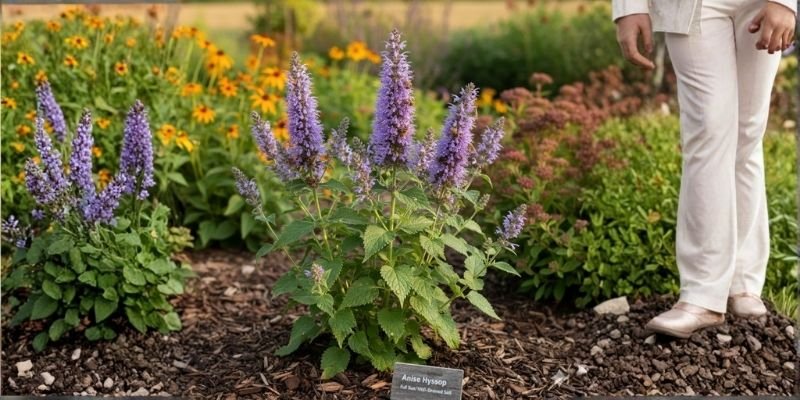
Hey there, fellow gardeners! If you’ve ever wandered through a sun-drenched prairie or flipped through an old herbalist’s notebook, chances are you’ve come across the delightful world of anise hyssop. This isn’t just any plant—it’s like that friendly neighbor who brings over fresh-baked cookies with a hint of mystery. Agastache foeniculum, as the botanists call it, is a perennial herb that whispers secrets of licorice-scented leaves and tall spikes of purple flowers that look like they were painted by a lazy summer sunset. The aroma? Pure magic—rub a leaf between your fingers, and you’ll catch that sweet, anise-like whiff that makes you think of cozy evenings with a mug of herbal tea.
What draws me back to anise hyssop year after year isn’t just its good looks or that enchanting smell. It’s the way it pulls double duty in the garden: a gentle healer for your body and a bustling diner for the bees and butterflies buzzing around your yard. Those lavender-blue flower spikes aren’t just pretty; they’re a lifeline for pollinators, drawing in honeybees, bumblebees, and even the occasional hummingbird for a nectar feast. And let’s not forget the kitchen—toss those leaves into a salad or steep them for tea, and you’ve got a subtle flavor that’s equal parts sweet and soothing. As someone who’s spent countless afternoons tending my own herb patch, I can tell you that mastering anise hyssop care is one of those simple joys that turns a beginner’s plot into a thriving, fragrant haven. Whether you’re new to growing perennials or just looking to add some pollinator magic to your space, this guide will walk you through hyssop care like we’re chatting over the fence.
Before we dive into the nitty-gritty of anise hyssop care, let’s get to know this gem a little better. It’s native to the wide-open spaces of North America, thriving in those dry, sunny prairies where it can stretch its legs without much fuss. But don’t worry if your backyard isn’t a mini-Midwest; with a bit of thoughtful hyssop care, it adapts beautifully to home gardens, containers, and even those tricky spots where other plants give up. It’s drought-tolerant once established, low-maintenance, and—best of all—deer-resistant, so you won’t have to play eternal game of tag with the local wildlife.
To give you a quick snapshot, here’s a handy table summarizing the basics of this wonderful plant. I’ve jotted these down from years of trial and error in my own garden, so they’re as practical as they come.
Aspect | Details |
Common Name | Anise Hyssop |
Botanical Name | Agastache foeniculum |
Family | Lamiaceae (the mint family) |
Plant Type | Perennial herb |
Mature Size | 2-4 feet tall, 1-2 feet wide |
Sun Exposure | Full sun to partial shade |
Soil Type | Well-drained, loamy or sandy |
Soil pH | Neutral to slightly alkaline (6.0-7.5) |
Bloom Time | Mid-summer to early fall |
Flower Color | Lavender-purple spikes |
Hardiness Zones | 4-8 (USDA) |
Native Area | North American prairies |
Toxicity | Non-toxic; safe for pets and kids |
There you have it—a cheat sheet for anyone dipping their toes into anise hyssop care. Now, let’s roll up our sleeves and talk about keeping these beauties happy through the seasons.
Anise Hyssop Care: Season-Wise Tips for Thriving Plants

One of the things I love most about anise hyssop care is how forgiving it is once you get the basics down. This plant hails from tough prairie roots, so it doesn’t demand a lot—just consistent, thoughtful attention tailored to what’s happening in your yard. I’ll break down hyssop care by season, with a nod to those rainy spells and indoor setups too. Think of this as your seasonal checklist, pulled straight from the lessons I’ve learned dodging late frosts and baking under July suns.
Winter Care for Anise Hyssop
Winter can feel like a long nap for your garden, but with smart hyssop care, anise hyssop wakes up ready to rumble. In zones 4-8, where it calls home, the key is protection without smothering. Once the flowers fade in fall, I like to give the plants a gentle haircut—snip back the stems to about 6 inches above ground. This isn’t just tidy; it prevents any lingering dampness from inviting trouble.
Mulching is your best friend here. Layer on 2-3 inches of shredded leaves or straw around the base after the ground freezes a bit. Why? It insulates the roots from those wild temperature swings that can heave soil and stress the plant. I’ve lost a few starts to bare-root exposure in my early days, so trust me—mulch early. Water? Forget it; dormant plants sip from Mother Nature. Just peek occasionally for any heaving from freeze-thaw cycles and gently firm the soil back down. By spring, your anise hyssop will thank you with fresh green shoots, proving that solid winter hyssop care sets the tone for the whole year.
If you’re in a milder spot, like zone 8, you might skip heavy mulching altogether. Just clear away old foliage to keep things clean and let the plant rest. Either way, this low-effort approach keeps anise hyssop care feeling more like a gentle tuck-in than a chore.
Summer Care for Anise Hyssop
Ah, summer—the season when anise hyssop truly shines with those towering flower spikes buzzing with life. Full sun is its jam, so aim for at least six hours of direct light daily. In my garden, I plant it where it catches the morning rays and a bit of afternoon shade if things get brutally hot; otherwise, it can scorch a tad in extreme heat.
Watering falls under easy hyssop care: deep and infrequent once established. Young plants need about an inch per week, but mature ones tough it out through dry spells like champs. I check the soil an inch down—if it’s dry, I give a thorough soak at the base to encourage those deep roots. Overwatering? That’s the enemy; soggy soil leads to weak stems and unhappy plants.
Fertilizer-wise, keep it light. A handful of compost in early summer does wonders, or a diluted balanced feed every four weeks if your soil’s lean. Deadheading spent blooms encourages more flowers—snip just below the flower and watch it rebloom into fall. And don’t forget to harvest leaves for tea; it keeps the plant bushy. With this straightforward summer anise hyssop care, you’ll have a fragrant, pollinator-packed showstopper that barely breaks a sweat.
Monsoon / Rainy Season Care
If your neck of the woods turns into a sponge come monsoon time—or even those extended rainy stretches in temperate zones—hyssop care shifts to prevention mode. Anise hyssop hates wet feet, so good drainage is non-negotiable. If rain pools around your plants, consider raising beds or amending with sand to speed up runoff.
During heavy downpours, I prop up floppy stems with simple stakes to avoid rot from constant moisture. Fungal issues like mildew can sneak in with the humidity, so space plants 18-24 inches apart for airflow. If things get really soggy, a temporary rain shelter (like an old umbrella frame) can buy time till it dries out. Cut back on any supplemental water, obviously, and inspect for yellowing leaves—a sign to tweak your setup.
The upside? Rainy season anise hyssop care often means lush growth and vibrant blooms once the sun returns. Just stay vigilant, and your plants will bounce back stronger, turning potential pitfalls into just another story for the garden journal.
Indoor Hyssop Care (Containers)
Bringing anise hyssop indoors? Perfect for patios, balconies, or chilly climates where outdoor space is limited. Container hyssop care keeps things compact and mobile—grab pots at least 12 inches deep with drainage holes to mimic that prairie freedom.
Use a well-draining potting mix, maybe jazzed up with perlite for extra fluff. Place in a sunny windowsill or under grow lights for 6-8 hours of brightness. Water when the top inch dries out; overdo it, and roots protest. Feed sparingly with a half-strength liquid fertilizer monthly during growth.
Prune regularly to keep it from getting leggy in low light, and rotate the pot for even shaping. In winter, drop temps to 50-60°F to encourage dormancy. I’ve overwintered mine on a cool porch with great success—it’s like having a mini prairie right in your living room, complete with that signature scent wafting through.
Outdoor Hyssop Care (Garden Beds & Herb Gardens)
For the classic garden bed setup, anise hyssop care shines in herb rows or mixed borders. Plant in spring after frost, spacing 18-24 inches to let air circulate and roots roam. Amend clay-heavy soil with compost for that loose, loamy feel it craves.
In herb gardens, pair it with lavender, bee balm, or mint for a pollinator paradise— the scents mingle beautifully. Mulch lightly to suppress weeds, but keep it thin to avoid stem rot. Divide clumps every 3-4 years in spring to refresh vigor; it’s like giving your plants a little family reunion.
Outdoor hyssop care rewards patience: by year two, you’ll have self-seeding volunteers popping up, adding that wild, carefree vibe. Just thin them out if they crowd the neighbors, and enjoy the effortless beauty.
Types of Hyssop / Related Agastache Varieties
Hyssop isn’t a one-trick pony— the Agastache family is full of cousins that bring their own flair to the garden. While anise hyssop (Agastache foeniculum) is my go-to for that classic licorice punch, exploring varieties keeps things fresh. Here’s a rundown of some favorites, each with a personality suited to different spots in your yard.
Anise Hyssop (Agastache foeniculum)
The original prairie star, with its tall lavender spikes and minty-anise leaves. It’s a magnet for bees and reseeds like a champ, making it ideal for naturalized areas. If you’re starting with hyssop care, this is your forgiving entry point—grows 3-4 feet and blooms reliably.
Korean Hyssop (Agastache rugosa)
Shorter and sweeter, this Asian native tops out at 2 feet with fuzzy leaves that pack a punch of minty flavor. Flowers in soft blue-violet, it’s tougher in humid spots than its anise cousin. Great for front borders or containers; I use it in teas for a gentler twist on hyssop care.
Orange Hummingbird Mint (Agastache aurantiaca)
For a pop of sunset color, this one’s a hummingbird whisperer with fiery orange tubular blooms. It hits 2-3 feet, loves dry heat, and has a subtle licorice undertone. Drought-proof and deer-shy, it’s perfect for xeric gardens—minimal care, maximum wow.
Blue Fortune Anise Hyssop
A hybrid powerhouse blending anise and Korean traits, this variety pumps out dense blue-purple spikes on sturdy 3-foot stems. More mildew-resistant, it’s a top pick for humid areas. Blooms longer than the species, so if extended color is your goal, weave it into your hyssop care routine.
Kudos Series (Various Colors)
These compact gems—think ‘Kudos Coral’, ‘Ambrosia’, or ‘Mandarin’—stay under 2 feet, making them balcony stars. Each sports vibrant hues from coral to yellow, with that signature Agastache fragrance. Low-maintenance and pollinator-approved, they’re like bite-sized versions of full-sized hyssop.
Giant Hyssop (Agastache mexicana)
If you crave drama, this Mexican import towers 4-5 feet with raspberry-red flowers and bold, oregano-like leaves. Heat-loving and fragrant, it’s a back-of-border beast. Just ensure good drainage in your hyssop care to keep it from sulking in wet spells.
Mix and match these for a rainbow of scents and sights—your pollinators (and nose) will thank you. Each brings unique twists to anise hyssop care, but the core rules stay the same: sun, drainage, and a little love.
Pruning Anise Hyssop
Pruning might sound like a fancy word for hacking away, but in the world of hyssop care, it’s more like giving your plant a encouraging pep talk. Done right, it leads to bushier growth, more blooms, and sturdier stems that laugh off summer storms. I prune mine twice a year, and it’s transformed lanky starts into fluffy, flower-loaded powerhouses.
Start in early spring, just as new growth peeks out. Snip back the previous year’s stems to 6-12 inches—use clean shears to avoid spreading any funk. This removes winter damage and signals the plant to branch out. Pinch the tips of new shoots when they’re 6 inches tall; it forces side growth for that full, rounded shape. Come mid-summer, deadhead faded flower spikes by cutting to the next leaf set. Not only does it tidy things up, but it tricks the plant into a second flush of blooms, extending the show into fall.
For bushiness, tip-prune every few weeks during active growth. It’s like telling the plant, “Hey, spread the love sideways instead of shooting straight up.” In fall, after the party’s over, cut to the base or leave 6 inches for winter interest—your call based on the look you’re after.
Now, pitfalls to dodge: Don’t prune in late fall or winter; it invites frost damage to fresh cuts. Over-pruning? You’ll end up with a bald spot—stick to no more than one-third removal at a time. And skip it if your plant’s stressed from drought; wait till it perks up. With these tweaks in your anise hyssop care toolkit, pruning becomes less chore, more cheer—healthy plants that keep giving back.
Propagating Anise Hyssop
Nothing beats the thrill of turning one plant into many, and propagating anise hyssop is as straightforward as it gets. Whether you’re starting from seeds for a budget boost or rooting cuttings for quick clones, hyssop care here emphasizes patience and a sunny spot. I’ve multiplied my patch this way for years, sharing starts with neighbors like little green gifts.
Seed Propagation: Step-by-Step
Seeds are cheap and cheerful, germinating in 7-14 days. Sow indoors 6-8 weeks before your last frost, or direct-sow in spring after soil warms to 70°F. Scatter on the surface— they need light to sprout—so press gently, no burying. Mist to keep moist, cover with plastic for humidity, and place under grow lights or a warm window.
Once seedlings have true leaves (about 3 inches tall), thin to 2 inches apart and harden off outdoors over a week. Transplant to final spots 18 inches apart. Pro tip: Fresh seeds from your plants germinate best; store-bought can be finicky. By summer, you’ll have blooms—talk about fast hyssop care rewards.
Stem Cuttings: Easy Duplicates
For exact copies of your favorite variety, cuttings rule. In late spring or early summer, snip 4-6 inch non-flowering stems just below a node. Strip lower leaves, dip the end in rooting hormone (optional, but it speeds things), and plant in moist sand-perlite mix.
Tuck into a bright, indirect spot— a covered tray keeps humidity high. Roots form in 2-4 weeks; tug gently to check. Pot up once rooted, then acclimate outdoors. Water consistently but let dry between—overwatering drowns dreams. This method’s my secret for salvaging storm-bent branches into new plants.
Either way, label your babies and watch for damping off (use sterile soil). With a little anise hyssop care TLC, you’ll build a self-sustaining herd in no time.

Overwintering Anise Hyssop
Cold weather doesn’t have to spell doom for your anise hyssop—overwintering is all about cozying it up without babying it too much. In zones 4-6, where winters bite, mulch is magic: after a hard frost, pile 3-4 inches of loose organic matter like pine needles around the base, keeping it off the stems to fend off rot.
For containers, drag pots to a sheltered spot like a garage or unheated shed—temps around 30-40°F are ideal. Group them for warmth, and check soil monthly; a light water if bone-dry prevents desiccation. In milder zones 7-8, in-ground plants often sail through unprotected, but a light blanket of leaves never hurts.
Cut back tops in late fall to reduce wind rock, and avoid fertilizing—let it slumber. Come spring, gently rake off mulch as shoots emerge. I’ve pushed mine through -20°F snaps this way, emerging tougher each year. Solid overwintering hyssop care means fewer losses and more perennials to pass along.
Common Pests & Plant Diseases
Anise hyssop’s tough hide keeps most troubles at bay, but no plant’s invincible. Spot issues early in your hyssop care routine, and you’ll nip them quick with simple fixes—no chemicals needed for these gentle giants.
Pests to Watch For
- Aphids: Tiny sap-suckers cluster on new growth, leaving sticky residue and curled leaves. Blast with a strong water spray weekly, or introduce ladybugs—nature’s cleanup crew.
- Spider Mites: In hot, dry spells, these web-weavers speckle undersides with dust-like eggs, yellowing foliage. Increase humidity with misting and hose off daily.
- Thrips: Slender invaders scar flowers and stunt tips; look for silvery streaks. Sticky traps and neem oil sprays (diluted) keep them in check.
- Sawfly Larvae: Rare, but these green caterpillars munch leaves skeleton-style. Hand-pick or dust with diatomaceous earth for a barrier.
Diseases and Fixes
- Root Rot: From overwatering or poor drainage, stems blacken and wilt. Prevention’s key—ensure pots drain fast and amend beds with grit. Affected plants? Uproot and replant healthy divisions.
- Powdery Mildew: Humid air sparks white, floury patches on leaves. Boost spacing for airflow and water at soil level mornings. A baking soda spray (1 tsp per quart water) halts it gently.
- Leaf Spot: Fungal brown splotches in wet weather. Remove debris, avoid overhead watering, and prune for circulation. Copper fungicide if needed, but I’ve rarely gone there.
Stay observant—healthy soil and sun keep defenses high. Integrated pest management in anise hyssop care means thriving, not just surviving.
Benefits & Uses of Anise Hyssop
Beyond the garden glow-up, anise hyssop’s a treasure trove of perks that make every bit of hyssop care worthwhile. It’s like that multi-tool knife: handy in the kitchen, soothing in a cup, and a boon for the birds and bees. I’ll share how I weave it into daily life, always with a reminder—chat with a doc before medicinal dives, as I’m no healer, just a dirt-loving enthusiast.
Pollinator Powerhouse
Those spiky blooms? A buffet for bees, butterflies, and hummers from midsummer on. In my yard, it bridges gaps when other flowers fade, boosting biodiversity and even aiding veggie pollination nearby. One plant supports dozens of visits daily—pure ecosystem gold.
Culinary Delights
Leaves and flowers carry that black-licorice zing, milder than true anise. Chop fresh into salads for a sweet crunch, or infuse vinegars for dressings. In baking, sprinkle on cookies or breads—try it in zucchini loaf for a herby twist. Flowers garnish desserts or ice cubes, adding edible art.
Medicinal Magic
Traditionally, it’s a digestive ally—steep leaves for tea to ease bloating or nausea post-meal. That calming aroma hints at anxiety relief; sip before bed for gentle unwind. As an expectorant, it clears coughs, and anti-inflammatory vibes soothe sore throats. I brew a daily mug with honey, feeling the warmth settle in.
Other Everyday Wins
Dry bouquets keep their scent for potpourri, or tincture for custom blends. In baths, it relaxes muscles—scatter petals for spa-like soaks. Responsibly harvested, it sustains without depleting; rotate patches in your anise hyssop care to let it renew.
In short, it’s a feel-good plant that nourishes body, home, and habitat. Start small, savor the layers, and let it enrich your routines.
FAQs – Anise Hyssop Care
1. How often should I water during anise hyssop care?
For established plants, once a week deep soak if no rain—let soil dry between to build drought toughness. Newbies need more, about twice weekly till rooted. Always check the top inch; soggy spells invite rot.
2. Can I grow anise hyssop in full shade as part of hyssop care?
Not ideally—it’ll stretch leggy and bloom sparsely. Aim for 6+ hours sun; partial afternoon shade works in hot climates. I’ve tried shady spots; flowers fizzle, so reposition if possible.
3. What’s the best soil for hyssop care?
Well-drained loamy or sandy, pH 6-7.5. Amend heavy clay with compost and grit. Test yours yearly; happy roots mean happy spikes.
4. Does anise hyssop spread aggressively in the garden?
It self-seeds moderately—charming in wild areas, but deadhead if you want control. Divide every 3 years to manage. In my beds, it’s polite, not pushy.
5. How do I start anise hyssop from seed for beginner hyssop care?
Sow surface-level in spring warmth; mist and cover lightly. Germinates in 10 days under lights. Thin to 2 inches, transplant after frost. Patience pays—first-year blooms possible.
6. Is anise hyssop deer-resistant?
Mostly yes—the minty scent deters them. I’ve had nibbles in hungry winters, so net young plants or interplant with alliums for extra armor.
7. When should I fertilize during anise hyssop care?
Lightly in spring with compost; skip heavy feeds to avoid floppy growth. Monthly diluted fish emulsion in summer if pale—less is more for these lean lovers.
8. Can I use anise hyssop leaves in cooking right away?
Absolutely—fresh is best for that anise pop. Wash well, chop finely. Start small; flavor builds. Dry extras for winter teas.