In This Article
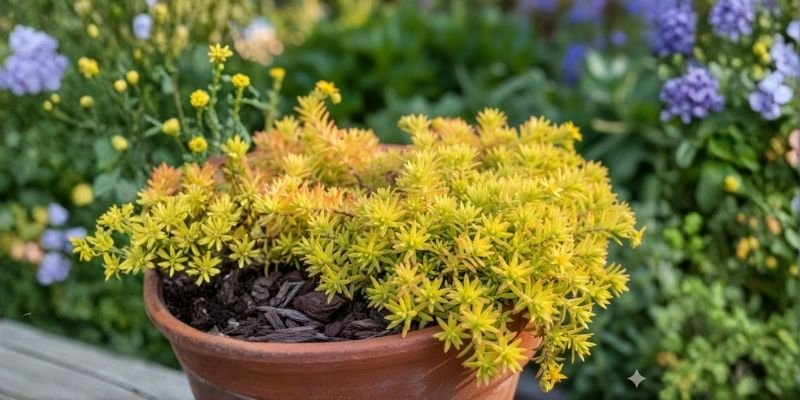
Hey folks, if you’ve ever wandered through a sunny garden and spotted a carpet of glowing golden foliage that looks like it belongs in a fairy tale, chances are you’ve laid eyes on Angelina Sedum. This little gem, often called Angelina Stonecrop Sedum by those in the know, has been one of my go-to plants for years now. I remember the first time I planted a patch of it along the edge of my gravel path—it started as a modest clump, but before I knew it, it had spread into this vibrant, low-slung blanket that lit up the whole yard. What I love most about Angelina Sedum is how forgiving it is. It’s got these fine, needle-like leaves that shimmer in shades of chartreuse and gold, giving it that eye-catching pop without demanding a ton of fuss.
Angelina Stonecrop Sedum isn’t just pretty; it’s a workhorse in the garden. As a spreading groundcover, it fills in bare spots between stepping stones or along borders, choking out weeds while hugging the soil like an old friend. And don’t get me started on its container potential—pop a few stems in a shallow pot on your patio, and you’ve got instant texture and color that lasts through the seasons. It’s drought-tolerant once established, which makes it perfect for busy gardeners like us who can’t baby every plant. Plus, in cooler weather, those golden leaves take on warm orange and red tinges, like the plant’s throwing its own autumn party. If you’re new to succulents or just want something reliable for rock gardens, slopes, or even fairy gardens, Angelina Sedum is your ticket to low-maintenance joy. Stick with me, and I’ll walk you through everything you need to know to get it thriving in your own space.
To give you a quick snapshot of what makes this plant tick, here’s a handy table with the basics. I’ve jotted these down from years of trial and error in my own beds—nothing beats hands-on learning!
Attribute | Details |
Common Name | Angelina Sedum |
Botanical Name | Sedum rupestre ‘Angelina’ |
Family | Crassulaceae |
Plant Type | Perennial succulent groundcover |
Mature Size | 4-6 inches tall, 18-24 inches wide |
Sun Exposure | Full sun (6+ hours daily) |
Soil Type | Well-drained, sandy or gravelly |
Soil pH | Neutral to slightly alkaline (6.0-7.5) |
Bloom Time | Late spring to early summer |
Flower Color | Star-shaped yellow |
Hardiness Zones | 3-9 |
Native Area | Cultivar originating from European stonecrops |
Toxicity | Non-toxic to humans and pets |
There you have it—a cheat sheet for Angelina Stonecrop Sedum at a glance. Now, let’s dive deeper into keeping this beauty happy, starting with how its needs shift through the year.
Angelina Sedum Care (Season-Wise Care)

Caring for Angelina Sedum doesn’t require a green thumb—just a bit of seasonal smarts. This plant’s all about balance: plenty of light, not too much water, and soil that drains like a dream. Over the years, I’ve learned that tweaking your routine with the calendar keeps Angelina Stonecrop Sedum looking its best. Let’s break it down by season, with tips tailored for real-life gardens, whether you’re dealing with scorching summers or soggy springs.
Winter Care for Angelina Sedum
Winter is when Angelina Sedum shows its hardy side, especially if you’re in zones 3-9 where it calls home. In my neck of the woods, where temps dip below freezing, this plant doesn’t just survive—it adds winter interest with foliage that shifts from gold to rusty orange, like embers in the snow. The key? Mulch lightly around the base with gravel or pine needles to shield roots from extreme cold snaps, but don’t pile it on thick; Angelina Sedum hates being smothered.
Watering drops way off here—once every few weeks if the ground’s bone-dry, but let natural snow or rain do the work. For established outdoor patches, do nothing; it’ll go semi-dormant and bounce back green in spring. If you’ve got young plants, a simple frost cloth on the windiest nights can prevent tip burn. I once lost a small edge planting to a harsh wind, but the main mat? Unfazed. Just resist the urge to prune now; those stems provide structure and catch drifting snow, which actually insulates the soil. By late winter, as days lengthen, you’ll see fresh tips peeking out—proof that Angelina Stonecrop Sedum’s built for the chill.
Summer Care for Angelina Sedum
Ah, summer—the season when Angelina Sedum earns its drought-tolerant stripes. Full sun is its happy place, turning those needle leaves into a golden blaze that can handle 90-degree heat without wilting. In my garden, it bakes happily between flagstones, but if you’re in a super-humid spot, good airflow prevents any fungal funk. Water deeply but infrequently—about once a week for new plants, less for matures—always checking that the top inch of soil is dry first. Overdo it, and you’ll invite root woes.
Fertilizer? Skip it; this low-maintenance wonder doesn’t need the boost. Instead, deadhead spent yellow blooms mid-season to tidy up and encourage side shoots. If it starts looking leggy from too much shade (unlikely in full sun), a quick pinch-back keeps it compact. Containers in summer pots might need a shade cloth during peak scorchers to avoid scorching, but outdoors as groundcover, it’s golden—literally. Pair it with lavender or yarrow for a bee-magnet border that stays vibrant through the dog days.
Monsoon / Rainy Season Care
Rainy seasons can be tricky for succulents like Angelina Sedum, but with its love for well-drained spots, it weathers downpours better than most. In monsoon-prone areas or during our wet springs, the goal is elevation and escape routes for excess water. Plant on slopes or raised beds to let runoff flow away—I’ve amended heavy clay with sand in low-lying areas, and it made all the difference for my Angelina Stonecrop Sedum patches.
Hold off on supplemental watering entirely; let the skies handle it. If puddles form, gently lift and redirect with a trowel to avoid rot. Foliage might dull a tad from constant moisture, but a post-rain trim revives the glow. For containers, ensure pots have drainage holes and elevate on feet to prevent saucer sogginess. Slugs love wet weather, so a beer trap or diatomaceous earth around edges keeps them at bay. Come dry spells after the rains, it’ll perk up fast. Think of this time as Angelina Sedum’s recharge—it’s tough, but smart setup keeps it shining.
Indoor Angelina Sedum Care (Containers)
Bringing Angelina Sedum indoors? It’s a smart move for apartments or to overwinter pots, and it adapts well with a few tweaks. Bright, south-facing windows mimic its outdoor sun bath—aim for 6 hours of direct light to keep colors popping. I keep mine on a sunny sill near the kitchen, where it adds cheer without taking space.
Use a cactus mix or DIY with potting soil, perlite, and sand for drainage—terracotta pots breathe best. Water only when the soil’s fully dry, maybe every 10-14 days, and empty saucers to dodge root rot. Rotate weekly for even growth, and mist occasionally if air’s dry, but don’t overdo humidity. Pests are rare indoors, but check undersides for mealybugs. In low light, it stretches, so supplement with a grow light if needed. As a trailing accent in mixed planters, Angelina Stonecrop Sedum brings that fresh, outdoor vibe inside—perfect for succulent lovers short on yard.
Outdoor Angelina Sedum Care (Groundcover & Rock Gardens)
Outdoors, Angelina Sedum is the ultimate set-it-and-forget-it groundcover, especially in rock gardens where it weaves through boulders like threads of gold. Space plants 12 inches apart for quick fill-in; they’ll mat over in a season or two. Full sun and gritty soil are non-negotiable—mix in compost only if your dirt’s barren, but lean toward lean for best vigor.
Weed early and often while establishing, then let it suppress the rest. For rockeries, tuck into crevices for a natural cascade. Water weekly first year, then rely on rain. Divide every 3-4 years to refresh, and it’ll reward with denser carpets. In my sloped yard, it’s held back erosion while looking effortless—ideal for beginners wanting impact without the hassle.
Types of Sedum / Related Stonecrop Varieties
Angelina Sedum has cousins in the stonecrop family that share its easy-going vibe, but each brings its own twist. If you’re expanding your collection, these related varieties pair well or offer alternatives when you want variety. I’ve mixed them in my beds over the years, and they play nice together.
Sedum ‘Autumn Joy’
This upright stunner contrasts Angelina Stonecrop Sedum’s low sprawl with broccoli-like heads of pink-to-rust flowers in fall. It’s taller (18 inches) and great for borders, blooming when Angelina’s fading. Drought-tolerant like its kin, but pinch tips for bushier form.
Sedum ‘Blue Spruce’
With icy blue, spruce-like needles, this one’s a cool-toned foil to Angelina Sedum’s warmth. Similar size and care—full sun, dry soil—but it edges toward shadier spots without losing color. Perfect for textured combos in rock gardens.
Sedum ‘Lime Zinger’
A zesty green with pink edges, this compact creeper (6 inches) amps up Angelina’s glow. It’s fuzzier and more slug-resistant, thriving in the same zones. Use it to edge paths where Angelina Stonecrop Sedum takes center stage.
Sedum spurium ‘Fuldaglut’
Deeper red foliage that intensifies in sun, this tricolor spreads like Angelina but adds fire. Great for hot exposures; pair for year-round color shifts. Low water needs match perfectly.
Sedum ‘Dragon’s Blood’
Burgundy leaves and pink blooms make this a bold alternative. Tighter habit than Angelina Sedum, it’s stellar in containers or as edgers. Handles poor soil like a champ—my go-to for tough spots.
These stonecrop siblings keep things simple while varying the palette. Start with one like Angelina, then layer in others for a resilient, ever-changing tapestry.
Pruning Angelina Sedum
Pruning Angelina Stonecrop Sedum isn’t about constant snipping—it’s strategic tweaks to keep it tidy and vigorous. I prune mine twice a year, and it always looks fuller for it. The best time? Early spring, just as new growth buds, to remove winter dieback, and mid-summer after blooms fade, to curb legginess.
Start with clean, sharp shears to avoid tearing those fleshy stems. For groundcovers, shear the top third lightly across the mat—like giving it a crew cut—to encourage branching and density. Avoid going too deep; you want to hit just above soil level without scalping roots. If stems stretch toward light (etiolation), pinch tips between fingers—easy for beginners and promotes bushy habits.
For containers, trim trailing edges to prevent spillover mess, and remove any yellowed leaves at the base. Spent flowers? Deadhead by snipping clusters; it neatens and redirects energy. Don’t fear over-pruning; Angelina Sedum rebounds fast. In fall, leave some structure for winter appeal, cutting only if it browns badly. Pro tip: Collect trimmings for propagation—waste not! With these light touches, your Angelina Sedum stays compact, colorful, and weed-free.
Propagating Angelina Stonecrop Sedum
One of the joys of growing Angelina Sedum is how effortlessly it multiplies—free plants for days! I’ve propagated dozens from scraps, gifting to neighbors and filling gaps. Two foolproof methods: stem cuttings and division. Both work year-round, but spring or fall yields quickest roots.
Stem Cuttings Step-by-Step
- Snip 3-4 inch healthy stems just below a leaf node—morning’s best, when turgid.
- Strip lower leaves, leaving 2-3 at top. Let cut end callous 1-2 days in shade to prevent rot.
- Dip in rooting hormone (optional for speed), then poke into moist, gritty mix (sand + potting soil).
- Water lightly, cover with plastic for humidity, and place in bright indirect light. Roots form in 2-4 weeks—tug gently to check.
- Transplant once rooted, spacing 6-12 inches. Voila—new Angelina Stonecrop Sedum mats!
Division for Clumps
For mature patches, dig up in cool weather. Gently tease apart root balls with forks, ensuring each section has shoots and roots. Replant immediately in prepped spots, water once, then treat as established. It’s like cloning your favorites—quick and satisfying.
Patience pays; newbies, start small. Water sparingly post-propagation, and soon you’ll have a surplus of this golden wonder.

Overwintering Angelina Sedum
Angelina Sedum’s winter prowess is legendary—it’s why it’s hardy to zone 3. In cold snaps, foliage deepens to orange-red, a fiery contrast to bare beds, holding form through snow. Outdoors, mulch roots shallowly with stones; the plant self-insulates with its mat.
For containers, the risk is frozen soil—move to unheated garages or wrap pots in burlap, watering if dry. I’ve sunk pots in garden beds for ground warmth. No need for covers unless winds howl; just clear debris to avoid slugs. Come thaw, trim dead bits, and it greens up. In milder zones, it’s evergreen, adding year-round zip. Trust me, overwintering Angelina Stonecrop Sedum builds character—and beauty.
Common Pests & Plant Diseases
Angelina Sedum’s tough, but no plant’s invincible. Pests and diseases are rare with good drainage, but here’s what to watch for, plus easy fixes from my toolkit.
Aphids
Tiny sap-suckers cluster on new growth, causing curl and sticky honeydew. Symptoms: distorted leaves, ants trailing. Prevention: Strong jet of water weekly; introduce ladybugs. Treat: Neem oil spray at dusk.
Mealybugs
White, cottony blobs on stems sap vigor, yellowing foliage. Shake off gently, dab with alcohol-soaked cotton. Isolate, then insecticidal soap. Good airflow deters.
Slugs/Snails
Munched holes in leaves at night. Beer traps or copper tape work wonders. Hand-pick after rain; drier spots help.
Root Rot
From soggy soil—black, mushy roots, wilting despite wet. Prevention: Amend for drainage, water smart. Uproot affected, trim rot, repot in sterile mix.
Powdery Mildew
White powder on leaves in humid shade. Improve air, prune dense spots. Baking soda spray (1 tsp per quart water) nips it.
Spot early, act gentle—Angelina Stonecrop Sedum bounces back strong.
How to Keep Angelina Sedum Healthy & Colorful
That signature glow? It’s all in the details. For vibrant Angelina Sedum, prioritize sun—6+ hours turns needles electric yellow; less fades it green. I chase the light in my yard, and it pays off.
Watering’s key: Soak deeply, then dry out fully—overwet invites trouble. Soil? Gritty, fast-draining amended with perlite or sand keeps roots happy. No rich feeds; natural leanness boosts color.
Weed competition early, divide crowded mats, and rotate pots. In heat, afternoon shade prevents bleach, but mostly, let it do its thing. Healthy Angelina Stonecrop Sedum is a testament to simple care—bright, bold, and begging for compliments.
FAQs – Angelina Sedum Care
1. How often should I water Angelina Sedum?
Water new plants weekly until rooted, then only when topsoil’s dry—every 1-2 weeks outdoors, less indoors. It’s drought-smart; soggy feet spell doom. Feel the soil an inch down; if crisp, give a thorough drink and let drain.
2. Can Angelina Stonecrop Sedum grow in partial shade?
It tolerates light shade but loses punch—colors mute, growth stretches. Aim for morning sun at least; full exposure keeps it compact and golden. In shadier yards, mix with shade-lovers like hostas.
3. Why is my Angelina Sedum turning brown?
Likely overwatering or poor drainage—check roots for mush. Trim affected parts, repot in gritty mix, and ease up on H2O. Sun scorch or cold burn possible too; adjust spot accordingly.
4. Is Angelina Sedum deer-resistant?
Mostly yes—tough texture deters nibbles, but hungry deer might sample. Plant with pungent neighbors like alliums, or use repellents. In my deer-heavy area, it’s held up better than tender greens.
5. How do I fertilize Angelina Stonecrop Sedum?
Skip heavy feeds; dilute succulent fertilizer (half-strength) once in spring suffices. Too much nitrogen leggies it up. Lean soil mimics its wild roots for best health.
6. Can I grow Angelina Sedum indoors year-round?
Absolutely, near sunny windows with well-draining pots. Watch for dust buildup—wipe leaves monthly. It trails nicely in hanging baskets, bringing outdoor ease inside.
7. What’s the best soil for Angelina Sedum?
Sandy, gravelly, or cactus mix with pH 6-7.5—drains fast, holds just enough. Amend clay with sand; avoid peat-heavy stuff that stays wet.