In This Article
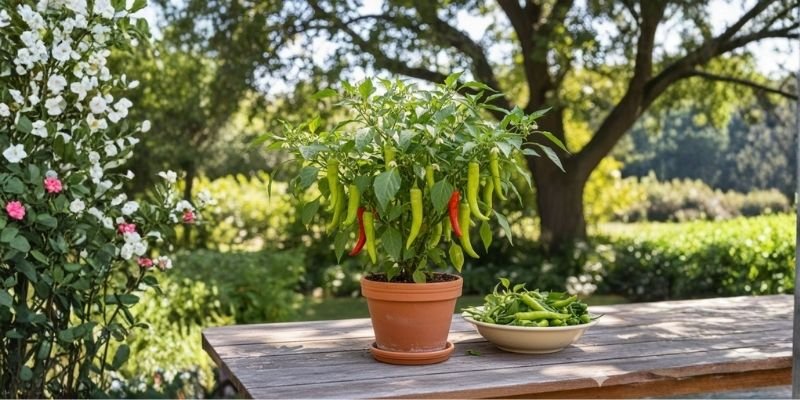
Before we get our hands dirty with the how-tos, let’s chat about the basics of the anaheim pepper plant. Picture a compact bush loaded with slender, 6- to 10-inch-long peppers that start vibrant green and blush to a deep red if you let them linger. They’re not just pretty; they’re practical for the everyday cook who wants flavor without the burn. In my garden, I’ve seen these plants churn out dozens of peppers per bush, enough to fill a freezer bag for winter stews. What draws folks to the anaheim pepper plant? It’s that easygoing vibe—grows well in pots or plots, loves the heat but doesn’t sulk in humidity, and pairs beautifully with other edibles like basil or beans.
To give you a quick snapshot, here’s a handy table breaking down the key specs for your anaheim pepper plant. I put this together from years of trial and error in my own yard—no fluff, just the facts that’ll help you plan your space.
Aspect | Details |
Common Name | Anaheim Pepper |
Botanical Name | Capsicum annuum ‘Anaheim’ |
Family | Solanaceae (nightshade family) |
Plant Type | Annual (perennial in frost-free zones) |
Mature Size | 2-3 feet tall, 18-24 inches wide |
Sun Exposure | Full sun (6-8 hours daily) |
Soil Type | Loamy, well-drained, fertile |
Soil pH | 6.0-7.0 (slightly acidic to neutral) |
Bloom Time | Late spring to summer |
Flower Color | Small white stars |
Hardiness Zones | 9-11 (annual elsewhere) |
Native Area | New Mexico, USA (popularized in California) |
Toxicity | Leaves and stems mildly toxic to pets/humans; ripe fruits safe and edible |
This table’s your cheat sheet—pin it up in the shed! Now that we’ve got the lay of the land, let’s roll up our sleeves and talk about keeping your anaheim pepper plant happy through the seasons.
Grow and Care for Anaheim Pepper Plant (Season-Wise Care)

Caring for an anaheim pepper plant isn’t rocket science; it’s more like tending a chatty neighbor who thrives on a little attention. The key is tuning into the seasons—each one brings its own rhythm to the growth cycle. I’ve lost count of the times a simple tweak in watering or staking saved my anaheim pepper plants from slumping. We’ll break it down stage by stage, so whether you’re in a temperate spot or dealing with wild weather swings, you’ll feel confident.
Spring Care for Anaheim Pepper Plant
Spring’s the awakening for your anaheim pepper plant—think of it as the plant shaking off winter’s nap and stretching toward the sun. If you’re starting seeds indoors (which I always recommend for a head start), aim to sow them 8-10 weeks before your last frost date. Use seed trays with a warm spot, like under a grow light or on a sunny windowsill, keeping the soil at about 80°F. Once those tiny sprouts pop up—usually in 7-14 days—thin them out and keep the soil moist but not soggy. I like to mist them daily; it mimics a gentle rain without drowning the roots.
By mid-spring, when nights stay above 50°F, it’s transplant time. Harden off your anaheim pepper plant seedlings by setting them outside for a few hours each day, building up to full exposure. Choose a spot with rich, amended soil—mix in some compost to boost nutrients. Space plants 18-24 inches apart to give them room to bush out. Water deeply after planting, and mulch around the base with straw to lock in moisture and ward off weeds. Watch for those first true leaves; that’s your cue the anaheim pepper plant is settling in. A light feeding with a balanced fertilizer (like 10-10-10) jump-starts growth without overwhelming the young roots.
Summer Care for Anaheim Pepper Plant
Ah, summer—the anaheim pepper plant’s glory days! This is when your bush explodes with flowers and those first green pods start forming. Full sun is non-negotiable; these peppers guzzle light like I do coffee on harvest day. Aim for at least six hours, but eight will coax out even more fruit. Water consistently—about an inch per week, more if it’s scorching. I check by sticking a finger two inches into the soil; if it’s dry, it’s time to soak. Drip irrigation or soaker hoses are game-changers here, keeping leaves dry to dodge fungal woes.
As the anaheim pepper plant matures, pinch off the early flowers to encourage bushier growth and stronger stems. Stake taller varieties if winds are a factor; I’ve used bamboo and twine for years without a hitch. Fertilize every 4-6 weeks with something phosphorus-heavy (like 5-10-10) to fuel those blooms. Keep an eye on heat stress—wilting leaves mean more shade cloth during peak afternoons. By July, you might snag your first taste; pick when firm and green for that classic mild zing.
Monsoon / Rainy Season Care
If you’re in a rainy belt, the monsoon can be a mixed bag for the anaheim pepper plant—blissful hydration one day, root rot the next. These peppers hail from arid roots, so they appreciate rain but hate soggy feet. Elevate beds or use raised planters to improve drainage; I’ve salvaged many a crop this way. Mulch thickly to suppress mud splash, which can spread diseases. If downpours hit hard, a simple hoop house or row cover shields the plants without trapping excess humidity.
Watering takes a backseat—let the sky do the work, but supplement if spells dry up. Fungal issues like blight love wet leaves, so prune for airflow and apply a neem oil spray as a preventive. In my experience, spacing plants wider (up to 30 inches) during planting pays off here, giving air circulation a fighting chance. Your anaheim pepper plant might slow fruit set in constant dampness, but come drier stretches, it’ll rebound with a flush of peppers. Patience is key; think of it as the plant building resilience.
Fall Care & Harvesting Anaheim Peppers
Fall’s bittersweet for the anaheim pepper plant—harvest time, but with a chill in the air signaling slowdown. Start picking when peppers reach 6-8 inches and feel plump; snip with scissors to avoid stem damage. Regular harvesting encourages more production; I’ve gotten three waves from one bush this way. Let some ripen to red on the vine for sweeter, thicker-walled fruits perfect for roasting.
As temps dip below 60°F, growth halts, so focus on cleanup. Remove any yellowing leaves to prevent pests from overwintering. If frost looms, cover plants with frost cloth or harvest early. Compost spent anaheim pepper plants unless you’re saving seeds—scoop out a few ripe ones, dry the seeds on paper towels, and store in envelopes. In milder areas, a final potassium boost strengthens roots for next year. Wrapping up the season? It’s all reward—bags of frozen peppers for winter tacos.
Indoor vs Outdoor Anaheim Pepper Plant Care
Deciding between indoor and outdoor for your anaheim pepper plant boils down to your setup and climate. Outdoors, they bask in natural light and pollinators, yielding bigger hauls in zones 5-10. But watch for critters—rabbits adore tender shoots. Indoors, they’re stars on sunny south-facing windowsills or under LED grow lights (14-16 hours daily). Pots need excellent drainage; I swear by terracotta for wicking moisture.
Indoors, humidity from houseplants helps, but mist weekly and use a fan for breeze. Pollination might need a gentle shake or bee brush since no wind or bugs. Yields are smaller, but fresh peppers year-round? Worth it for apartment dwellers. Outdoors edges out for ease, but indoors shines in cold snaps. Whichever way, consistent care keeps your anaheim pepper plant pumping out pods.
Types of Anaheim Peppers / Related Pepper Varieties
The anaheim pepper plant family isn’t a monolith—there’s variety within the mild-mannered bunch. Let’s explore the main types and some kin that’ll expand your garden palette without straying too far from that gentle heat.
Classic Green Anaheim Peppers
These are the OG of the anaheim pepper plant lineup: slim, glossy green tubes that pack subtle smoke. Harvest young for fresh salsas; they’re crisp and earthy.
Red-Ripened Anaheims
Let ’em hang longer on the anaheim pepper plant, and they turn ruby red—sweeter, meatier for stuffing or drying into ristras. Heat amps up slightly, but still kid-friendly.
NuMex Variants
Breeding tweaks on the anaheim pepper plant gave us NuMex Joe Parker—bigger fruits, even milder. Or try NuMex Big Jim for jumbo sizes up to 12 inches, ideal for roasting.
Related Mild Chili Cousins
- Poblano: Squatter and darker, from the same anaheim pepper plant stock—smoky stars in chiles rellenos.
- Jalapeño (Mild Strains): Shorter pods with a notch more zip; great if your anaheim pepper plant needs a bolder neighbor.
- California Wonder Bell: Zero heat, blocky reds—perfect companion for stuffing alongside anaheims.
- Cayenne (Tamer Types): Slender like anaheims but with a lingering warmth; dry ’em for flakes.
Mix these in your patch for a rainbow harvest—each plays nice with the anaheim pepper plant’s vibe.
Pruning Anaheim Pepper Plant
Pruning your anaheim pepper plant isn’t about turning it into a bonsai; it’s strategic snipping for health and harvest. Done right, it boosts airflow, channels energy to fruits, and ups your yield by 20-30%—I’ve seen it firsthand on crowded bushes.
When to Prune
Start when the anaheim pepper plant hits 12-18 inches tall, around early summer. Follow up mid-season after the first harvest flush. Avoid late pruning; it stresses the plant heading into cooler weather.
How to Prune Step-by-Step
- Top the Plant: Pinch out the growing tip once it branches—this encourages a fuller bush, not a lanky stem.
- Sucker Removal: Snip those little shoots in leaf axils; they steal vigor from main stems. Use clean shears for quick cuts.
- Thinning Foliage: Remove lower leaves touching soil to cut disease risk, and sparse any overcrowded top growth for light penetration.
- Deadheading: Pluck spent blooms and yellowing peppers promptly.
Aim to remove no more than 20% at once. In my garden, I prune on cloudy days to minimize shock.
Common Pruning Mistakes to Dodge
Overdo it, and your anaheim pepper plant sulks with fewer fruits—less is more for beginners. Ignoring tools? Dirty blades spread bacteria. And skipping gloves? Those sap spots can irritate skin. Prune thoughtfully, and watch your anaheim pepper plant thank you with abundance.
Propagating Anaheim Pepper Plant
Nothing beats the satisfaction of starting your own anaheim pepper plant from scratch—it’s like baking bread from wild yeast. Seeds are the easiest route for most folks, but cuttings work too if you’ve got a mature donor.
Growing from Seeds: My Go-To Method
- Gather Seeds: Scoop from a ripe red anaheim pepper—ferment in water for 2-3 days to kill molds, then rinse and dry.
- Sow Indoors: Mid-winter for spring transplants. Fill trays with seed-starting mix, plant ¼-inch deep, and cover lightly. Keep at 75-85°F with a dome for humidity.
- Germination Watch: Sprouts in 10-21 days—provide light ASAP to avoid legginess. Thin to strongest seedlings.
- Transplant: When 4-6 inches tall with true leaves, pot up to 4-inch containers. Harden off before garden beds.
Expect 70-80% success with fresh seeds. For cuttings, snip 4-inch tips from healthy anaheim pepper plant stems in summer, root in water or perlite under plastic. Either way, label varieties—you’ll be gifting starts to neighbors by next season!

Overwintering Anaheim Pepper Plant
In chilly zones, the anaheim pepper plant treats winter like a sabbatical, but with smarts, you can coax it through as a perennial. I’ve overwintered pots in my garage for three years running—peppers in March from December survivors.
Outdoor Protection Tips
Mulch heavily around the base post-harvest, then cover with burlap or leaves when freezes hit. For mild winters (zones 8+), a cold frame works wonders—just vent on sunny days.
Container Growing for Mobility
Potted anaheim pepper plants are overwintering MVPs. Use 5-gallon fabric pots for root health. In fall, prune back by half, then wheel indoors to a cool (50-60°F), bright spot like an unheated sunroom. Water sparingly—every 2-3 weeks—and fertilize lightly in late winter.
Indoor Overwintering Nuances
Keep lights on 12 hours daily if natural sun’s scarce. Watch for spider mites in dry air; a humidity tray helps. Come spring, ease them out with gradual exposure. Not every plant rebounds, but survivors yield earlier and stronger—worth the winter TLC.
Common Pests & Plant Diseases
No garden’s pest-free, and the anaheim pepper plant draws its share of nibblers and blights. Spotting issues early keeps things manageable—I’ve nipped outbreaks with soap sprays more times than I can count.
Top Pests and Fixes
- Aphids: Tiny sap-suckers clustering undersides; sticky honeydew follows. Blast with water or dab neem oil weekly.
- Spider Mites: Speckled leaves, fine webs—dry conditions invite them. Increase humidity and release ladybugs.
- Flea Beetles: Shot-hole nibbles on young anaheim pepper plant leaves. Row covers at planting block ’em.
- Hornworms: Big green caterpillars devouring foliage. Hand-pick or use Bt spray (organic bacteria).
Diseases to Watch
- Bacterial Spot: Water-soaked spots turning brown—rain spreads it. Space plants and avoid overhead watering. Copper fungicide as backup.
- Powdery Mildew: White dusty coating on leaves. Improve air flow via pruning; milk spray (1:9 dilution) halts it.
- Blossom End Rot: Black bottoms on peppers from uneven watering. Mulch and consistent moisture prevent calcium lockout.
- Verticillium Wilt: Wilting despite wet soil—fungal roots killer. Rotate crops; resistant varieties help.
Organic vigilance is your shield: inspect weekly, encourage beneficials like marigolds nearby, and clean up debris. Your anaheim pepper plant bounces back tougher.
How to Get More & Healthier Anaheim Peppers
Want your anaheim pepper plant to go from so-so to superstar? It’s all in the fine-tuning—I’ve doubled yields by tweaking a few habits. Focus on roots up, fruits down.
Boosting Flowering and Fruit Set
Hand-pollinate on calm days: gently shake bushes or use a soft brush between flowers. Deadhead duds to redirect energy.
Fertilization Schedule
Start with compost at planting, then side-dress with fish emulsion every three weeks through bloom. Switch to low-nitrogen for fruit swell—too much green growth means fewer pods.
Watering Wisdom
Deep, infrequent soaks build drought tolerance; aim for soil drying between. Drip lines prevent leaf wet for healthier anaheim pepper plants overall.
Sunlight Mastery
Full blaze is best, but afternoon shade in brutal heat cuts stress. Reflective mulches amp light to undersides, fattening peppers.
Bonus: Companion plant with basil to repel aphids, or add eggshells for calcium. Track your tweaks in a journal—my best harvests came from noting what clicked. Patience pays; a tuned anaheim pepper plant rewards big.
FAQs – Anaheim Pepper Plant Care
1. How long does it take for an anaheim pepper plant to produce fruit?
From transplant, count 60-80 days to first harvest. Seeds add 8-10 weeks upfront, but with warm soil, you’ll munch midsummer. Keep consistent water, and it’ll speed along.
2. Why are my anaheim pepper plant leaves turning yellow?
Often overwatering or nutrient gaps—check drainage first, then test soil for nitrogen lack. A diluted compost tea perks ’em up quick; ease off the hose if roots are swimming.
3. Can I grow an anaheim pepper plant in a container?
Absolutely—5-gallon pots suit one plant fine. Use potting mix with perlite, water when top inch dries, and feed monthly. Balcony growers, this is your ticket to fresh chilis.
4. What’s the best way to harvest anaheim peppers without damaging the plant?
Scissors over yanking—cut stem just above the fruit. Morning picks are coolest, firmest. This spurs more blooms; I’ve harvested 50+ per bush without a hitch.
5. How do I know when anaheim peppers are ripe?
Green at 6-8 inches for mild crunch; red when skin wrinkles slightly for sweeter roast. Taste-test one—your call on the ripeness sweet spot.
6. Why won’t my anaheim pepper plant flower?
Too cold (below 55°F nights), short days, or nitrogen overload. Warm the spot, pinch early growth, and balance ferts. A bloom boost like bone meal nudges it along.
7. Are anaheim pepper plants self-pollinating?
Mostly yes, but bees help. Indoors, vibrate stems daily. Outdoors, flowers dance in breeze—nature’s got it, but a nudge never hurts yields.