In This Article
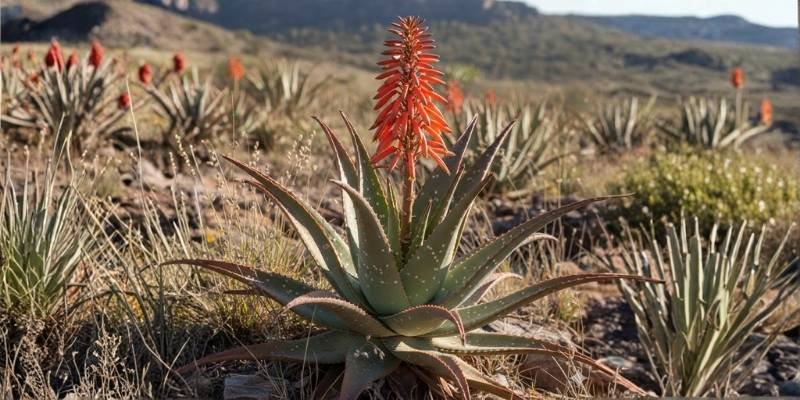
Before we roll up our sleeves for the nitty-gritty of care, let’s get to know this spiky superstar a little better. The aloe ferox plant isn’t your average houseplant—it’s a resilient succulent that’s been gracing arid landscapes for ages. In my garden, I’ve watched one mature specimen burst into a fireworks display of orange-red blooms on a tall stalk, drawing bees from miles around. It’s got that perfect mix of beauty and utility: those dramatic leaves store water like a camel’s hump, and the inner gel and outer sap have been harvested by indigenous healers for generations. But here’s the kicker—while Aloe Vera is all about hydration and calm, the aloe ferox leans into its bitter side, offering a more robust profile for tonics and remedies. No wonder it’s popping up in everything from boutique skincare lines to home apothecaries across the globe. It’s drought-tough, visually striking, and whispers ancient wisdom from its thorny embrace.
To help you visualize just what you’re signing up for, here’s a quick snapshot of the aloe ferox basics. I’ve put it in a table because, let’s face it, sometimes a neat grid beats a wall of text—especially when you’re planning your next planting adventure.
Aspect | Details |
Common Name | Cape Aloe, Bitter Aloe |
Botanical Name | Aloe ferox |
Family | Asphodelaceae |
Plant Type | Succulent |
Mature Size | Up to 10 feet tall and 6 feet wide |
Sun Exposure | Full sun to partial shade |
Soil Type | Sandy or gravelly, well-draining |
Soil pH | Neutral to slightly alkaline (6.0-8.0) |
Bloom Time | Late spring to summer |
Flower Color | Vibrant orange-red |
Hardiness Zones | USDA 8-11 |
Native Area | Western Cape region of South Africa |
Toxicity | Mildly toxic; sap can irritate skin or cause digestive upset if ingested in large amounts |
This table’s your cheat sheet for the aloe ferox plant—print it out and tuck it in your gardening journal. It’s hardy, but remember, that toxicity note means keep it away from curious pets and kids unless you’re handling it with care.
Aloe Ferox Plant Care (Season-Wise Care)

Caring for the aloe ferox plant feels like tending to an old friend who’s seen some rough weather—it’s forgiving, but a little seasonal TLC goes a long way. I’ve learned this the hard way after a few singed leaves from forgetting to shade it during a brutal heatwave. Since these plants hail from sun-baked terrains, they’re pros at handling neglect, but tuning into the seasons keeps them plump and perky. We’ll break it down by time of year, with tips tailored for beginners who might be juggling a job and a black thumb. Focus on its drought-loving nature: less water, more sun, and soil that drains faster than a leaky bucket.
Winter Care for Aloe Ferox Plant
Winter’s the chill-down season for your aloe ferox plant, and in milder climates, it just hunkers down like a bear in hibernation. If you’re in zones 8-11, it can stay outdoors, but frost is its kryptonite—anything below 30°F (around -1°C) calls for protection. In my neck of the woods, I drape mature aloe ferox with breathable frost cloth on those rare cold snaps, or I wheel potted ones into a sunny garage. Water sparingly—once every three to four weeks if the soil’s bone-dry—because overwatering in cool weather invites root rot, that sneaky killer of succulents.
For indoor aloe ferox during winter, place them near a south-facing window for that golden light they crave. Dust buildup on those spiny leaves? Wipe ’em gently with a damp cloth; it’ll help them photosynthesize even when days are short. Fertilizer? Skip it entirely—your aloe ferox doesn’t need the extra push when growth slows. Watch for leggy stems stretching toward light; if that happens, rotate the pot weekly. By spring, it’ll reward you with fresh vigor, proving why the aloe ferox is a winter warrior.
Summer Care for Aloe Ferox Plant
Ah, summer—the aloe ferox plant’s playground! This is when it struts its stuff, pushing out new leaves and maybe even prepping for those stunning blooms. Full sun is non-negotiable; aim for six to eight hours daily. In scorching spots like mine during July heat domes, I provide afternoon shade with a sheer curtain or lattice to prevent leaf scorch—those tips turning crispy white is a telltale sign of too much kiss from the sun.
Watering ramps up here: deep soaks every one to two weeks, letting the soil dry out completely between rounds. Stick your finger two inches down—if it’s dry as dust, it’s time. For outdoor aloe ferox in pots, elevate them on feet to dodge standing water. Mulch around the base with gravel to lock in moisture and keep weeds at bay. If you’re in a humid summer zone, good airflow is key; space plants at least three feet apart to let those spines breathe. A light feeding with a diluted cactus fertilizer once a month keeps it humming without overwhelming its tough roots. Come August, my aloe always looks like it’s on vacation—plump, proud, and utterly content.
Monsoon / Rainy Season Care
Rainy seasons can be a double-edged sword for the aloe plant: it loves the occasional downpour but hates soggy feet. In tropical or monsoon areas, the goal is drainage, drainage, drainage. If your outdoor aloe plant is in the ground, ensure the bed slopes away from the crown—I’ve amended heavy clay soils with rivers of sand and perlite to mimic its South African roots. Raised beds are a game-changer for beginners; they let excess water flee like it should.
For potted aloe ferox plants, move them under eaves during heavy rains to avoid crown rot, where water pools in the leaf rosette and turns things mushy. Water only if rainfall skips a couple of weeks—nature’s doing most of the work here. Fungal issues like black spots? That’s your cue to improve air circulation; prune any crowding foliage and apply a neem oil spray as a gentle deterrent. In my rainy spells, I celebrate the lush growth but stay vigilant—happy aloe ferox plants in the wet season mean fewer headaches come dry times.
Indoor Aloe Ferox Plant Care
Bringing the aloe plant indoors? It’s a smart move for urban gardeners or cold climates, turning your living room into a mini-Karoo desert. Bright, indirect light is prime—think east or west windows where morning sun filters through. I’ve got one thriving under grow lights in winter, set on a 14-hour cycle to mimic its native rhythm. Soil should be a gritty mix: equal parts potting soil, sand, and perlite for that quick-drain magic.
Humidity? Keep it low; these aren’t fans of steamy bathrooms. Water every two weeks, dumping any saucer water pronto to fend off root woes. Rotate your indoor aloe ferox plant monthly for even growth—nothing worse than a lopsided specimen leaning like it’s had one too many. Dust those spines regularly, and if it outgrows its pot (roots circling the bottom), upsize in spring. It’s low-fuss indoors, but remember: good light equals compact, healthy aloe ferox plants that might even flower on your coffee table.
Outdoor Aloe Ferox Plant Care
Outdoors, the aloe plant shines as a landscape boss—think focal point in rock gardens or edging xeriscapes. Plant in full sun, spacing giants 5-6 feet apart to let them spread their arms. Well-draining soil is sacred; I’ve dug in loads of lava rock for my beds, ensuring no waterlogging after storms. Water newly planted aloe ferox plants weekly for the first summer to establish roots, then taper to nature’s whim.
Weed around the base gently—those spines don’t play nice with bare hands; gloves are your bestie. In windy spots, stake young ones until they’re rooted. Pests? Rare outdoors, but aphids love tender tips—hose ’em off with a strong spray. By year three, your outdoor aloe ferox plant will be self-sufficient, a testament to patient planting. It’s the kind of outdoor care that feels more like companionship than chore.
Types of Aloe Ferox / Related Aloe Varieties
The aloe plant stands tall in the Aloe family, but it’s got some kin that gardeners often mix up or pair with it. I’ve grown a few of these side by side, and spotting the differences is half the fun—like distinguishing siblings at a family reunion. No strict “types” within Ferox itself (it’s a species, after all), but here are some close relatives that share its succulent swagger. Each brings a twist, perfect for mixing into your collection.
Aloe Vera (Aloe barbadensis miller)
The poster child of aloes, Aloe Vera is slimmer and spineless compared to the rugged aloe ferox plant. Its gel is milder, ideal for fresh-from-the-garden facials, while Ferox edges it out in bitterness for deeper tonics. Grow them together for contrast—Vera in shadier spots, Ferox baking in the sun.
Aloe Arborescens
This tree-like cousin can hit 10 feet like mature aloe ferox plants, but with softer, less prickly leaves and redder flowers. It’s a fire-remedy favorite in coastal gardens, tougher against salt spray. I love propagating both; Arborescens pups faster, but Ferox holds its form better in pots.
Aloe Maculata
Often called Soap Aloe, this one’s speckled with white spots—adorable for beginners. Shorter than the aloe ferox plant (about 2 feet), it blooms yellow and tolerates more shade. Great for edging beds alongside Ferox’s bold spikes.
Aloe Saponaria
Another soapy sibling, with narrower leaves and a soapy sap for lather. It’s more compact, suiting small spaces where a full-sized aloe ferox plant might overwhelm. Both handle drought like champs, but Saponaria prefers slightly moister soil.
These related aloes expand your palette without straying far from the aloe ferox plant’s easy-care vibe. Start with one, then branch out—your garden will thank you.
Pruning Aloe Ferox Plant
Pruning the aloe ferox plant isn’t an annual to-do like with roses; it’s more opportunistic, like trimming a hedge after a storm. I only break out the shears when leaves yellow, brown, or get damaged—usually from overwatering or a wayward shovel. Timing? Best in spring or early summer, when the plant’s energy surges for healing. Never prune in winter; it’ll stress your aloe ferox plant when it’s already slowing down.
How-to: Gear up with thick gloves and sharp, sterilized pruners—those spines are no joke, and clean tools prevent disease spread. Grasp the base of the offending leaf (near the rosette, not midway) and snip cleanly, angling the cut outward to shed water. For flower stalks post-bloom, cut them at the base once seeds set or petals drop; it redirects energy to leaves. Remove no more than 20% at once—over-pruning weakens the aloe ferox plant, inviting rot.
Common slip-ups? Hacking haphazardly, leaving stubs that rot, or pruning wet leaves (spread o’ fungi!). And don’t touch the central rosette—that’s the heart. Done right, pruning keeps your aloe ferox plant tidy and thriving, like giving it a fresh haircut before beach season.
Propagating Aloe Ferox Plant
Nothing beats the thrill of turning one aloe ferox plant into a whole crew—propagation’s where the magic happens. Offsets, or “pups,” are the easiest route; these baby plants sprout at the base like eager ducklings. Seeds work too, but they’re finicky for beginners, so I’ll focus on pups—I’ve multiplied my collection this way for years.
Step-by-step for pup separation:
- Wait for maturity: Let the mother aloe ferox plant hit 3-4 years; pups need roots at least 2-3 inches long for independence. Spring’s ideal timing.
- Prep the site: Choose a well-draining pot with cactus mix. Water the mother a day before to loosen soil.
- Excavate gently: Gloves on! Dig around the pup’s base, teasing it free with a trowel. Keep as much root as possible—aim for a fist-sized clump.
- Callous over: Let the cut ends dry in shade for 2-3 days; this seals wounds against rot.
- Plant and settle: Nestle the pup in its new pot, firming soil without burying the crown. Water lightly, then withhold for a week.
- Aftercare: Place in bright, indirect light. Water every two weeks until established—new growth in 4-6 weeks means success!
For seeds, sow in sterile mix, keep warm (70-80°F), and mist lightly—germination takes 2-4 weeks. Pups are foolproof; soon you’ll gift aloe ferox plants to neighbors, spreading the succulent love.

Overwintering Aloe Ferox
Overwintering the aloe ferox is about outsmarting Jack Frost without babying it too much—these are tough cookies, but cold snaps can cramp their style. In zones 8-11, minimal fuss: mulch roots with 2-3 inches of gravel or straw for insulation, and cover with burlap on sub-30°F nights. I’ve lost a tip or two to surprise freezes, so now I check forecasts religiously.
For colder zones or potted aloe ferox, indoors is sanctuary. Move before temps dip below 40°F (4°C), to a cool, sunny spot like an unheated sunroom—50-60°F (10-15°C) keeps it dormant but content. Water halves: every 3-4 weeks, only if leaves wrinkle. No fertilizer; it’s nap time.
Container tips: Group pots for warmth, but space for air—stagnation breeds bugs. If leaves soften (cold damage), trim and boost light. By March, ease it outdoors gradually—start with shaded afternoons. Overwintering right means your aloe ferox plant emerges raring to grow, spines sharper than ever.
Common Pests & Plant Diseases
The aloe ferox no stranger to nibblers, but its tough hide keeps most at bay. Still, vigilance pays—early spots mean less hassle. Here’s the usual suspects, with symptoms and simple shields, drawn from my trial-and-error battles.
Pests:
- Aphids: Tiny green sap-suckers clustering on new growth, causing sticky honeydew and curled leaves. Blast with water jets weekly; neem oil soaks deter repeats.
- Mealybugs: White, cottony blobs in leaf axils, weakening the aloe ferox over time. Dab with alcohol-soaked cotton swabs; introduce ladybugs for eco-control.
- Scale: Hard, brown bumps on undersides, yellowing leaves. Scrape off gently, follow with insecticidal soap.
Diseases:
- Root Rot: From overwatering—mushy roots, wilting despite wet soil. Repot in dry mix, trim dead roots; let recover bone-dry. Prevention: always check drainage.
- Leaf Spot: Black or brown fungal freckles, often in humid rains. Improve airflow, avoid wetting leaves; copper fungicide if needed.
- Anthracnose: Sunken lesions on leaves in wet conditions. Prune affected parts, space plants out—rare but ruthless.
Keep your aloe ferox plant stress-free with right-site planting, and pests stay passersby. Organic fixes first—your garden stays pure.
Uses & Benefits of Aloe Ferox
Diving into the aloe ferox uses feels like unlocking a herbal heirloom—generations have turned its leaves into everyday allies. I’m no doctor, so this is shared wisdom from my apothecary tinkering: informational, not prescriptive. Always chat with a pro before trying remedies.
Medicinal Traditions: In South African lore, the aloe ferox’s bitter sap (called “aloe bitter”) stars in digestive tonics. Harvest outer leaves, fillet out gel, and simmer for a mild laxative brew—folks use it for gentle detox support. The whole leaf powder finds its way into capsules for gut wellness, echoing ancient Healer practices.
Skincare Savvy: That inner gel? A hydrator extraordinaire for dry or irritated skin. Scoop it fresh for DIY masks—mix with honey for a soothing face pack. The sap’s anti-inflammatory vibes shine in salves for minor scrapes, but patch-test first; it’s potent.
Digestive & Wellness: Traditionally, diluted sap aids mild constipation or bloating—steep a teaspoon in water, sip slowly. It’s rich in antioxidants, potentially bolstering immunity, per herbal texts. I brew weak teas for a post-meal settle.
Other Gems: In gardens, the aloe ferox deters rabbits with its spines. Culinary? Rare, but gel jazzes up smoothies for a bitter twist. Responsibly sourced, it’s sustainable—grow your own for fresh, ethical access. The aloe ferox plant’s benefits weave history and health; handle with respect, and it gives back tenfold.
FAQs – Aloe Ferox Plant Care
1. How often should I water my aloe ferox ?
It depends on setup, but as a rule, wait until the top 2-3 inches of soil are dry—about every 1-3 weeks. Overdo it, and roots rot; underwater, and it wrinkles like a prune. In my experience, err dry for happy aloe ferox .
2. Can the aloe ferox plant survive indoors year-round?
Absolutely, with bright light and well-draining soil. South-facing windows work wonders; supplement with grow lights in low-light homes. Mine’s been a living room staple for five years—compact and air-purifying.
3. Why are the leaves on my aloe ferox turning brown? Usually too much sun or water. Scorched tips? Add shade cloth. Mushy bases? Cut back watering and check roots. A quick trim and adjusted care revives most aloe ferox plants swiftly.
4. Does the aloe ferox flower indoors? It’s possible but rare—needs intense light and maturity (3+ years). Outdoor ones bloom more reliably in summer. If yours spikes a stalk, it’s a victory dance; the orange-red blooms last weeks.
5. Is the aloe ferox safe for pets? Not entirely—the sap’s laxative and irritating if nibbled. Gel’s milder, but keep it elevated. Cats and dogs usually steer clear of the spines, but monitor young ones around your aloe ferox plant.
6. How do I repot an aloe ferox ? Spring’s best: gently remove, shake off old soil, plant in a wider pot with succulent mix. Water after a week. Go up one size only—too big invites moisture traps. My rule: repot when roots peek out the drain holes.
7. What’s the best fertilizer for the aloe ferox ? A balanced, low-nitrogen cactus formula, diluted to half-strength, every 4-6 weeks in growing season. Skip winter. Organic worm castings work too—gentle and soil-enriching for your aloe ferox.