In This Article
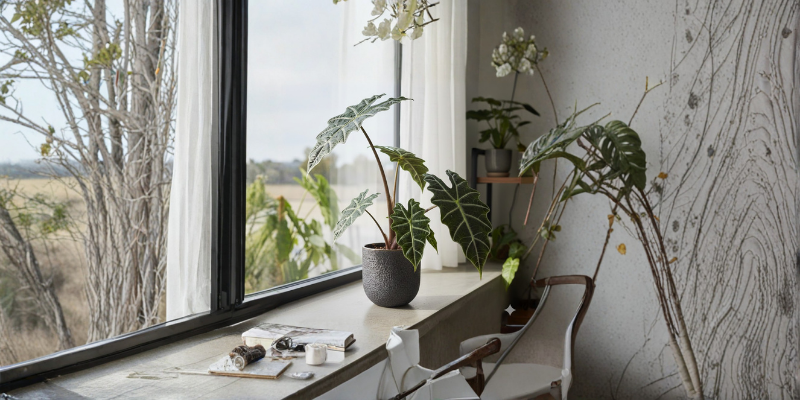
Let’s start with the basics. The Alocasia Sarian is a hybrid that combines the best traits of its parents, resulting in a plant that’s tall, elegant, and full of personality. Those big, glossy leaves point upwards dramatically, catching the light and creating shadows that make any corner feel alive. It’s popular because it grows quickly when happy, giving you that instant gratification we all crave in gardening. Plus, it’s versatile—great as a focal point indoors or a dramatic addition outdoors in tropical or subtropical spots.
Here’s a quick reference table with key details about this stunning plant:
Detail | Information |
Common Name | Elephant Ear Sarian, Zebra Sarian |
Botanical Name | Alocasia ‘Sarian’ (hybrid of Alocasia zebrina × Alocasia micholitziana) |
Family | Araceae |
Plant Type | Perennial, rhizomatous herbaceous plant |
Mature Size | Indoors: 3-6 feet tall; Outdoors: up to 10-12 feet tall with 4-5 foot leaves |
Sun Exposure | Bright indirect light indoors; filtered or dappled shade outdoors |
Soil Type | Loose, well-draining mix rich in organic matter |
Soil pH | Slightly acidic (5.5-7.0) |
Bloom Time | Rarely blooms indoors; possible in mature outdoor plants during summer |
Flower Color | White or pale green spadix (not showy) |
Hardiness Zones | 9-11 (grown as houseplant elsewhere) |
Native Area | Hybrid origin; parents from Southeast Asia |
Toxicity | Toxic to pets and humans if ingested (contains calcium oxalate crystals) |
Understanding these fundamentals makes Alocasia Sarian care much easier right from the start.
Alocasia Sarian Care (Season-Wise Care)

One thing I’ve learned from years of tending Alocasias is that Alocasia Sarian care changes with the seasons and location. These plants hail from warm, humid environments, so mimicking that as best we can is key. Let’s break it down practically.
Winter Care for Alocasia Sarian
Winter can be tough on tropical plants like this one. Growth slows way down, and the biggest risks are cold drafts and overwatering. In my experience, keep your Alocasia Sarian away from windows that get chilly at night—temperatures below 60°F stress it out, leading to droopy leaves. Water sparingly, only when the top few inches of soil feel dry. I cut back to about half the usual amount. Skip fertilizing entirely until spring. Boost humidity with a pebble tray or grouping plants together, as dry indoor heating sucks moisture from the air. If leaves yellow, it’s often from too much water or cold—adjust and be patient.
Summer Care for Alocasia Sarian
This is when Alocasia Sarian care shines! Summer is growth season, and mine always explode with new leaves. Provide plenty of bright, indirect light—near an east or west window indoors. Water more frequently to keep soil evenly moist but never soggy. I check every few days and water thoroughly when the top inch dries. Feed every two weeks with a diluted balanced fertilizer to fuel those huge leaves. Humidity is crucial; mist regularly or use a humidifier. Outdoors in zones 9+, it thrives in partial shade. Watch for scorching if sun gets too direct.
Monsoon / Rainy Season Care
In humid, rainy periods (or if you’re in a wet climate), Alocasia Sarian care focuses on preventing rot. The extra moisture in the air is great for humidity-loving plants, but soil can stay too wet. Ensure excellent drainage—raise pots if outdoors to avoid standing water. Water less often since rain helps, but monitor for fungal issues like leaf spots. Good airflow is your friend; space plants out. This season often brings rapid growth, so enjoy the new leaves but prune any damaged ones promptly.
Indoor Care for Alocasia Sarian
Most of us grow these indoors, and Alocasia Sarian care here is about consistent warmth and light. Aim for 65-80°F year-round. Bright indirect light is essential—too little and stems stretch leggy; too much direct sun burns leaves. Use a chunky, airy potting mix with perlite or bark for drainage. Water when the top 2-3 inches dry out, and always empty saucers. Humidity over 50% keeps leaves perky; I love pebble trays for this. Rotate the pot occasionally for even growth.
Outdoor Care for Alocasia Sarian
In suitable zones, outdoor Alocasia Sarian care lets it reach giant proportions. Plant in dappled shade under trees—morning sun is okay, but afternoon blaze is not. Rich, moist soil with good drainage works best. Water deeply during dry spells, and mulch to retain moisture. Protect from strong winds that can tear those big leaves. Bring indoors or overwinter if frost threatens.
Water deeply but infrequently, matching rainfall. Mulch to lock in coolness. Pests love the fresh air, so inspect undersides regularly. In my brief outdoor experiment (before a freak frost), it loved the space but needed wind protection. If outdoors isn’t forever, treat it as seasonal—bring inside when temps drop below 50°F.
Whew, that’s your seasonal blueprint for growing and caring for Alocasia Zebrina. Tailor it to your corner of the world, and you’ll have a thriving beauty in no time.
Types of Alocasia Sarian / Related Varieties
The Alocasia Sarian stands out, but its family has some close cousins with similar dramatic flair.
Alocasia Zebrina
One parent—known for striped stems and arrow leaves, but smaller than Sarian.
Alocasia Micholitziana (Frydek)
The other parent, with velvety dark green leaves and white veins. More compact and textured.
Alocasia Macrorrhizos (Giant Taro)
Similar huge growth potential, plain green leaves, very robust outdoors.
Alocasia Gageana
Wavy-edged leaves, sturdy stems—great for height like Sarian.
These share the bold, upright habit that makes Alocasia Sarian care tips applicable across the group.
Pruning Alocasia Sarian
Pruning keeps your plant looking sharp and healthy. I only prune when necessary—mostly removing old or damaged leaves.
Do it when you spot yellowing, browning, or torn leaves, or if the plant gets too tall and leggy. Spring or summer is best during active growth.
Use clean, sharp scissors or shears. Cut the stem at the base, close to the soil, without damaging new growth. Wear gloves—the sap can irritate skin.
Common mistakes: Over-pruning (never take more than 20-25% at once), cutting healthy leaves for shape, or using dull tools that crush stems. Let old leaves yellow fully first; the plant reabsorbs nutrients.
Propagating Sarian
Propagation is one of my favorite parts of Sarian care—it’s straightforward and gives you more plants!
The easiest method is division of rhizomes or offsets.
- Wait until the plant is mature with several offsets (pups) at the base.
- Gently remove from the pot in spring.
- Shake off soil and locate natural divisions—rhizomes with roots and a growing point.
- Use a clean knife to separate, ensuring each piece has roots and at least one leaf or bud.
- Pot in fresh, moist mix similar to the parent’s.
- Keep warm, humid, and in bright indirect light. Water lightly until established.
Corms (small bulbs) can also be harvested and planted. Success rate is high if you avoid damaging roots.

Overwintering Sarian
Cold months require protective Alocasia Sarian care.
Indoors: Move away from drafts, reduce water, no fertilizer. Maintain humidity and light.
Outdoors in cooler areas: Dig up rhizomes after first frost, clean, dry, store in peat at 50-60°F. Or treat as annual.
In mild zones: Heavy mulch and cover if needed. Many go dormant—leaves die back, but regrow in spring.
Common Pests & Plant Diseases
Alocasias attract a few troublemakers, but early action keeps them thriving.
Spider Mites
Tiny pests causing stippling and webs, especially in dry air. Hose off leaves, increase humidity, use neem oil.
Mealybugs
White cottony spots—wipe with alcohol swab.
Scale
Bumpy shells on stems—scrape off and treat with insecticidal soap.
Root Rot
From overwatering—soggy soil, wilting. Repot in fresh mix, trim rotten roots.
Leaf Spot
Fungal brown spots—improve airflow, avoid wet leaves.
Prevention: Good Alocasia care with proper watering, humidity, and inspection.
How to Keep Alocasia Healthy & Thriving
From my trials, these tips make all the difference in Alocasia Sarian care:
- Strong stems: Adequate light and not overwatering prevent legginess.
- Large leaves: Consistent moisture, high humidity, regular feeding in growth season.
- Watering: Evenly moist—finger test top inches.
- Humidity: 60%+ ideal; mist, trays, or humidifier.
- Soil: Refresh every 1-2 years.
- Light: Bright indirect for vibrant growth.
- Temperature: Steady warmth.
Patience during adjustments—Alocasias sometimes drop leaves but bounce back.
FAQs
1. How often should I water my Alocasia Sarian?
Keep soil consistently moist but not waterlogged. Water when the top 2-3 inches dry—usually weekly indoors, more in summer heat.
2. Why are the leaves on my Alocasia Sarian turning yellow?
Often overwatering or cold stress. Check roots for rot, adjust watering, ensure warm spot.
3. Is Sarian toxic?
Yes, to pets and kids due to crystals that irritate mouth and stomach. Keep out of reach.
4. How much light does need?
Bright indirect—east window perfect, or filtered south/west. Too low: leggy; too direct: scorch.
5. Can I grow Sarian outdoors?
Yes in zones 9-11, partial shade. Elsewhere, summer out, winter in.
6. How do I increase humidity for my Sarian?
Pebble tray with water, grouping plants, humidifier, or occasional misting.