In This Article
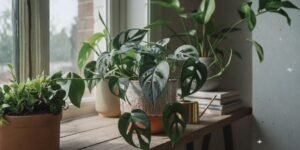
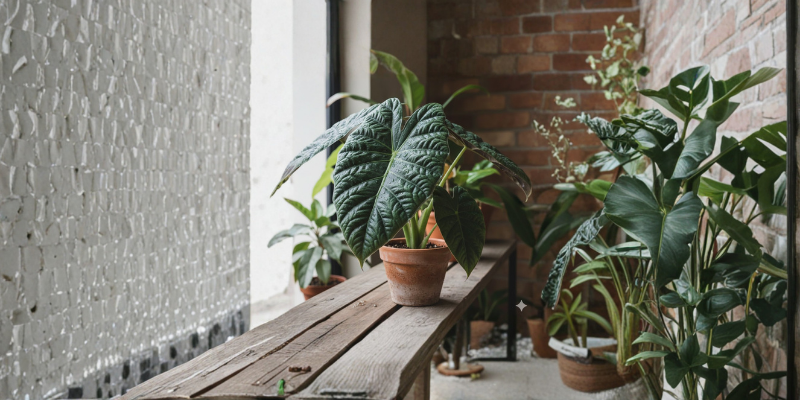
Hey there, fellow plant enthusiasts! If you’re like me, you’ve probably fallen head over heels for those quirky, tropical beauties that make your home feel like a lush jungle escape. One plant that’s stolen my heart lately is the Alocasia Melo. This little gem hails from the steamy forests of Borneo, and it’s got this rugged, almost prehistoric vibe with its super thick, textured leaves that have a matte finish—like nature’s own version of velvet armor. They’re not your typical smooth, shiny Alocasia leaves; these are bumpy and tough, giving the plant a unique, almost sculptural look. It’s compact too, staying pretty small compared to some of its giant cousins, which makes it perfect for apartment dwellers or anyone short on space. What really sets the Alocasia Melo apart, though, is its rarity—it’s not something you stumble upon at every garden center. It’s considered a premium houseplant because of that exotic appeal and the challenge it poses to growers. If you’re just starting out with indoor plants, don’t worry; with the right Alocasia Melo care, this one can thrive and become a real showstopper in your collection.
I’ve been tending to my own Alocasia Melo for a couple of years now, and let me tell you, it’s rewarding to watch it slowly unfurl those distinctive leaves. But like any plant, it has its preferences. Let’s dive into the basics first.
Detail | Information |
Common Name | Alocasia Melo, Rugose Alocasia |
Botanical Name | Alocasia melo |
Family | Araceae |
Plant Type | Tropical perennial houseplant |
Mature Size | 12-18 inches tall and wide |
Sun Exposure | Bright, indirect light |
Soil Type | Well-draining, aerated mix with peat and sand |
Soil pH | Slightly acidic (5.5-6.5) |
Bloom Time | Rarely blooms indoors |
Flower Color | Pale white or greenish (if it blooms) |
Hardiness Zones | 9-11 |
Native Area | Borneo (Sabah, Malaysia) |
Toxicity | Toxic to pets and humans if ingested |
There you have it—a quick snapshot of what makes this plant tick. Now, onto the nitty-gritty of keeping it happy.
Alocasia Melo Care (Season-Wise Care)

Caring for an Alocasia Melo isn’t rocket science, but it does change a bit with the seasons. These plants are tropical at heart, so they love warmth and moisture, but they can be picky about getting too much or too little. I’ve learned through trial and error that mimicking their natural habitat goes a long way. Let’s break it down by season and setting, keeping things simple for us home gardeners.
Winter Care for Alocasia Melo
Winter can be tough on tropical plants like the Alocasia Melo, especially if you’re in a colder climate. The key is to slow things down without letting it suffer. I keep mine indoors near a south-facing window for that bright, indirect light it craves—about 6-8 hours a day is ideal. Avoid drafts from windows or heaters; these guys prefer steady temps between 60-75°F. Watering? Cut back big time. I check the soil every 10-14 days, only watering if the top 2 inches feel dry. Overwatering in winter is a common killer, leading to root rot. No fertilizer needed now—let it rest. If your home is dry from heating, pop it on a pebble tray with water for extra humidity. My Alocasia Melo sometimes drops a leaf or two, but as long as the rhizome stays firm, it’s just dormancy, not doom.
Summer Care for Alocasia Melo
Ah, summer—the Alocasia Melo’s favorite time! This is when it really perks up and grows. Give it plenty of bright, indirect sunlight; too much direct sun can scorch those thick leaves, turning them crispy at the edges. I aim for morning light and shade in the afternoon. Water more frequently, maybe every 5-7 days, keeping the soil moist but not soggy. Test with your finger— if it’s dry an inch down, it’s time. Humidity is crucial; shoot for 60-80%. I mist mine daily or use a humidifier, especially on hot days. Feed it a balanced, diluted fertilizer every two weeks to encourage that slow, steady growth. Watch for pests, as warmer weather brings them out. Overall, summer Alocasia Melo care is about balance: not too wet, not too dry, and lots of ambient moisture.
Monsoon / Rainy Season Care
If you live somewhere with a true rainy season, like parts of the tropics or even humid summers elsewhere, your Alocasia Melo might feel right at home—but watch out for excess moisture. Good drainage is non-negotiable; use a pot with holes and a saucer to catch runoff. I reduce watering to once every 7-10 days because the air is already so humid. If it’s outdoors, shelter it from heavy downpours to prevent waterlogged soil, which invites fungal issues. Indoors, keep it away from AC vents that might dry it out unevenly. The high humidity during monsoons is a boon, so no need for extra misting. Just ensure air circulation to avoid mold on those matte leaves. This season’s Alocasia Melo care focuses on preventing rot while letting nature handle the humidity.
Indoor Alocasia Melo Care
Most of us grow Alocasia Melo indoors, and it’s a champ in that setup. Position it where it gets filtered light, like near an east-facing window. I rotate mine every couple of weeks for even growth. Soil should be a chunky mix—think equal parts potting soil, perlite, and orchid bark for aeration. Water when the top inch dries out, and always empty the saucer to avoid standing water. Humidity hacks: group it with other plants or use a tray. Fertilize monthly during spring and summer with a half-strength houseplant food. Prune off yellow leaves promptly. With consistent indoor Alocasia Melo care, mine has stayed compact and healthy, adding that exotic flair to my living room.
Outdoor Alocasia Melo Care
If you’re in a warm zone (9-11), you can try outdoor Alocasia Melo care, but it’s trickier. Plant it in partial shade—morning sun is fine, but afternoon rays can burn the leaves. Use well-draining garden soil amended with compost and sand. Water regularly, but let it dry slightly between sessions. Protect from strong winds that might tear the foliage. In cooler areas, bring it inside before temps drop below 60°F. Pests like slugs can be an issue outdoors, so check under leaves often. I’ve experimented with mine on a shaded patio in summer, and it loved the fresh air, but I always pot it for easy relocation.
Types of Alocasia Melo / Related Varieties
While the true Alocasia Melo is a species in its own right, there are some cool relatives and hybrids that get compared to it a lot. These share that jewel-like quality with thick, textured leaves, but each has its twist. Here’s a rundown of a few I often see mentioned in plant circles.
Alocasia Maharani: This one’s a hybrid involving Alocasia Melo, and it’s got smoother, silver-gray leaves that are more elongated. It’s compact like Melo but with a metallic sheen—great for beginners who want something similar but a tad easier.
Alocasia Grey Dragon: Another Melo hybrid, this variety has those rugged, thick leaves but in a silvery-gray tone with subtle veining. It’s a bit more forgiving on humidity and stays small, making it a popular alternative.
Alocasia Silver Dragon: Similar vibes to Melo but with shinier, silver-scaled leaves that look almost dragon-like. It needs high humidity like Melo, but the foliage is less matte and more reflective.
Alocasia Dragon Scale: Not directly related, but often grouped with jewel Alocasias. Its leaves are thick and textured with a scaly pattern—think Melo but with more pronounced veins. It’s a bit taller and loves the same care routine.
Pruning Alocasia Melo
Pruning your Alocasia Melo isn’t something you do often, but when it’s needed, it keeps the plant looking tidy and healthy. I usually prune in spring or summer when it’s actively growing. Look for yellowing, damaged, or dead leaves—these are energy suckers and can attract pests. Use clean, sharp scissors or shears (wipe them with alcohol to avoid spreading disease). Cut the leaf stem close to the base, but don’t nick the main rhizome. Common mistakes? Over-pruning—never remove more than a third of the foliage at once, or you’ll stress it out. Also, avoid pruning in winter when it’s resting. After pruning, give it a gentle wipe-down and monitor for new growth. In my experience, a little trim encourages bushier habits and keeps that compact shape intact.
Propagating Alocasia Melo
Propagating Alocasia Melo is straightforward, especially through rhizome or corm division—it’s how I’ve expanded my collection without buying more. The best time is spring when it’s coming out of dormancy. Here’s a step-by-step I follow:
- Gently remove the plant from its pot and shake off excess soil to expose the rhizomes (those underground stems) or corms (bulb-like structures).
- Look for healthy sections with at least one growth point or “eye” and some roots attached. Use a clean knife to divide them carefully—don’t tear.
- Pot each division in fresh, well-draining soil mix, burying the rhizome just below the surface.
- Water lightly and place in a warm, humid spot with indirect light. Keep soil moist but not wet.
- In 4-6 weeks, you should see new shoots. Be patient; Alocasia Melo grows slowly.
Stem cuttings won’t work since it lacks nodes, and seed propagation is rare for houseplants. Division is reliable and keeps the plant’s unique traits. Just wear gloves—the sap can irritate skin.

Overwintering Alocasia Melo
Overwintering Alocasia Melo is all about mimicking a mild tropical winter indoors. Since it’s not frost-hardy, bring it inside if outdoors. I keep mine in a spot with bright, indirect light to prevent leggy growth. Reduce watering to every 2-3 weeks, letting soil dry out more—overwatering leads to rot in low-light conditions. Maintain temps above 60°F; anything cooler stresses it. No fertilizer until spring. If leaves yellow and drop, it might enter dormancy—don’t panic. Store the pot in a dark, cool spot (around 55°F) if fully dormant, checking the rhizome monthly for firmness. Come spring, resume normal Alocasia Melo care, and it’ll bounce back. My plant has survived a few winters this way, emerging stronger.
Common Pests & Plant Diseases
Like many houseplants, Alocasia Melo can face pests and diseases, but catching them early is key. Spider mites are common—they show as tiny webs and speckled leaves. I treat with a neem oil spray every few days. Mealybugs look like cottony spots; wipe them off with alcohol-soaked cotton. Aphids cluster on new growth; a strong water rinse works. For diseases, root rot from overwatering causes mushy roots and wilting—repot in fresh soil and cut affected parts. Fungal leaf spots appear as brown patches; improve air flow and avoid wet leaves. Prevention? Quarantine new plants, keep humidity balanced, and inspect weekly. Healthy Alocasia Melo care minimizes these issues—my plant stays pest-free with good habits.
How to Keep Alocasia Melo Healthy & Thriving
Keeping your Alocasia Melo thriving boils down to a few proven tips from my gardening adventures. First, nail the humidity—aim for 70%+ with a humidifier or tray; those thick leaves curl if it’s too dry. Water wisely: let the topsoil dry, then soak thoroughly, but never let it sit wet. I use rainwater to avoid chemical buildup. Light is crucial—bright indirect keeps the matte texture vibrant without burns. For growth, fertilize sparingly with a balanced mix in growing months; overfeeding yellows leaves. Rotate for even shape and dust leaves gently to aid photosynthesis. Repot every 1-2 years in spring into a slightly larger pot with fresh mix. Watch for stress signs like drooping—usually low humidity or water issues. With patient Alocasia Melo care, it’ll reward you with that slow, satisfying growth and those stunning, rugged leaves that make it a standout.
FAQs – Alocasia Melo Care
1. Why are my Alocasia Melo leaves turning yellow? This often means overwatering or poor drainage. Check the roots for rot and let soil dry more between waterings. Could also be low light—move to a brighter spot.
2. How often should I water my Alocasia Melo? Every 5-10 days, depending on season and humidity. Feel the top 1-2 inches of soil; if dry, water deeply. Adjust for your home’s conditions.
3. Does Alocasia Melo need high humidity? Yes, ideally 60-80%. If leaves curl or brown at tips, boost it with misting or a pebble tray. It’s a tropical native, after all.
4. Can Alocasia Melo grow in low light? Not well—it’ll get leggy and slow down. Bright, indirect is best; supplement with grow lights if needed.
5. Is Alocasia Melo toxic to cats? Yep, like most Alocasias, it contains calcium oxalates that can cause mouth irritation. Keep it out of reach from pets and kids.
6. How do I propagate Alocasia Melo successfully? Divide the rhizomes in spring. Each piece needs roots and a growth point. Pot in moist soil and keep warm—patience is key.