
In This Article
Hello, other plant lovers! If you’ve ever walked into a room and seen a plant with leaves that look like they’ve been dipped in velvet and etched with glowing white veins, you probably met an Alocasia Frydek. This beautiful plant has been one of my all-time favorites for the last 15 years that I’ve been taking care of tropical houseplants. The deep green, soft leaves and bold veins of this plant are almost like magic. It’s like nature’s own art. The Alocasia Frydek is the perfect plant for any indoor space, whether you’re just starting to learn about aroids or you’ve been growing them for a long time like I have. This guide will tell you everything I’ve learned about growing these plants in my own home, from how to plant them to how to keep them healthy for years to come.
To kick things off, let’s get the basics down with a quick reference table on the Alocasia Frydek’s key traits. I’ve put this together based on my hands-on observations and what works best in real indoor setups.
Botanical Name | Alocasia micholitziana ‘Frydek’ |
Common Name | Alocasia Frydek, Green Velvet Alocasia |
Plant Type | Tropical perennial aroid |
Mature Size | 2-3 feet tall and wide indoors |
Leaf Texture & Color | Velvety deep green with prominent white veins |
Light Requirement | Bright indirect light |
Soil Type | Well-draining, airy aroid mix |
Water Needs | Moderate; keep soil evenly moist but not soggy |
Humidity Requirement | High; 60-80% ideal |
Maintenance Level | Moderate to high |
What is Alocasia Frydek?

The Alocasia Frydek is a beautiful plant that belongs to the Araceae family. It comes from the lush rainforests of Southeast Asia, especially the Philippines, where it grows best in humid, shaded areas. In its natural tropical habitat, this plant grows as an understory species, soaking up the dappled light that comes through the canopy and enjoying warm temperatures and high humidity all the time. The Alocasia Frydek is different from other plants because of its unique leaves, which is why it is called “Green Velvet.” The leaves are heart-shaped and can be up to a foot long. They feel soft and fuzzy to the touch. Those bright white veins run like rivers across the deep emerald surface, making a look that is hard to miss. I’ve noticed that as Alocasia Frydek plants get older, their leaves become more arrowhead-shaped. In the best conditions, they can even grow small, hidden flowers, but the leaves are what really stand out.
Why should you grow Alocasia Frydek inside?
The Alocasia Frydek is a mainstay in my indoor jungle for a good reason: it’s both a showstopper and a relatively small aroid. It adds a lot of decorative value indoors, making a plain corner into a focal point with its lush, tropical feel. The Alocasia Frydek is a good size for apartments or small homes because it doesn’t take over a room like some bigger Alocasias do. It stays around 2 to 3 feet tall. The velvety leaves of this plant make it stand out and add texture to your decor, whether you want a boho jungle look or a modern minimalist setup. Plus, growing an Alocasia Frydek can be very rewarding. It’s like having a piece of the rainforest in your living room, cleaning the air and bringing in that calming green energy. From what I’ve seen, it’s also a great way to start a conversation; friends always ask about it when they come over!
Seasonal Care Calendar
Caring for an Alocasia Frydek changes with the seasons, just like it would in its native tropics. I’ve found that aligning your routine with these shifts keeps the plant healthy and prevents common issues. Here’s a simple calendar table based on what I’ve done successfully over many cycles.
Season | Key Care Tasks |
Spring | Ramp up watering as growth resumes; fertilize lightly every 4-6 weeks; check for pests after winter dormancy; repot if roots are crowded. |
Summer | Provide consistent moisture and high humidity; rotate for even growth; fertilize monthly; watch for spider mites in hot, dry air. |
Fall | Reduce watering as growth slows; cut back on fertilizer; ensure good air circulation to prevent fungal issues; prune any yellowing leaves. |
Winter | Water sparingly to avoid root rot; boost humidity with trays or humidifiers; keep away from drafts; minimal feeding, if any. |
How To Plant And Care For Alocasia Frydek
Now, let’s get to the heart of the matter: how to plant and take care of Alocasia Frydek like a pro. Based on what I’ve learned from trying and failing with my own collection, I’ll show you each step. Picture me sitting down with you over coffee and going over all the little things that will help your plant grow.
Step 1: Pick the Right Place Inside
When you first bring home an Alocasia Frydek or decide where to put it, the location is very important. I’ve always tried to find places that are like where it came from in the tropics: warm, stable temperatures between 65 and 85 degrees Fahrenheit, and away from cold drafts like windows or air conditioning vents that could shock the plant. From what I’ve seen, rooms that face east or north are best because they get soft morning light and not harsh afternoon light. Don’t put your Alocasia Frydek near heaters in the winter because the dry air can make the leaves crispy. If your house is on the cooler side, try putting it with other plants that like humidity to make a small microclimate.
Step 2: Give it bright, indirect light.
Getting the light right has made a big difference for Alocasia Frydek, and I’ve been able to grow some very impressive plants. This plant needs bright, indirect light, like the dappled shade that falls under a forest canopy. I put them a few feet from a window with sheer curtains so they get a lot of light from the room without direct sunlight, which can burn the soft leaves and make the white veins less visible. I’ve had success using grow lights on a 12-hour cycle to help out in the winter, especially if your space is darker. If your Alocasia Frydek is getting too much or too little light, you should look for signs like yellowing or leggy growth and change the light accordingly.
Step 3: Use aroid soil mix that is light and drains well.
Alocasia Frydek needs good soil to grow well, even though it may not sound exciting. For years, I’ve made my own blends. I start with peat moss or coco coir to hold moisture, then I add perlite, orchid bark, and a little charcoal to help with drainage and air flow. This light mix keeps the roots from sitting in water, which is important because Alocasia Frydek doesn’t like wet feet. Avoid heavy potting soils that get harder over time because they will kill the rhizomes. When I make the mix, I want it to feel light and fluffy in your hand. It should hold just enough water and let oxygen get to the roots.
Step 4: Planting or repotting the right way
Be careful when planting a new Alocasia Frydek or moving an old one to a new pot. The roots are very sensitive and can be damaged easily. I always choose a pot that is one size bigger than the one I already have and has drainage holes. I usually repot every spring, every one to two years. Fill the bottom with your airy mix, put the plant in so that the rhizome is just below the surface of the soil, and carefully backfill, pressing down lightly to get rid of air pockets. After planting, water the area well to settle the soil, but make sure it drains completely. I’ve learned from my own plants that repotting them when their roots start to peek out the bottom keeps them healthy and stops them from getting stunted.
Step 5: Watering without giving too much water
You need to find the right amount of water for an Alocasia Frydek. If you give it too much, the leaves will droop. If you give it too little, the leaves will droop. I use my finger to feel the top inch of soil. If it’s dry, I water it deeply until the water runs out the bottom. I use room-temperature water so the roots don’t get shocked. During the active growth seasons, I do this every 5 to 7 days, but I do it less often in the winter. Always err on the drier side, because too much water can cause leaves to turn yellow and rot. I’ve learned over the years that keeping the Alocasia Frydek’s leaves moist all the time keeps them full and bright without any drama.
Step 6: Keeping the humidity high
If you want Alocasia Frydek’s velvety leaves to stay clean, you have to keep the air humid. In my home, where I use pebble trays filled with water under the pot or a humidifier nearby, aiming for 60–80% has worked wonders. Putting plants together also makes a humid bubble. If the edges turn brown, it’s usually because the humidity dropped. I’ve been lightly misting in the mornings, but don’t do it too much or you’ll get fungal spots. In places with less rain, these tricks have turned Alocasia Frydek plants that were having trouble into beautiful showpieces.
Step 7: During active growth, feed and fertilize
Fertilizing the Alocasia Frydek makes it grow, but I’ve found that less is more. I use a balanced, water-soluble fertilizer that is half as strong every 4 to 6 weeks in the spring and summer. Find one that has micronutrients to help those veiny leaves. Don’t do it in the fall and winter when the plant is sleeping. Organic things like worm castings mixed into the soil have helped my Alocasia Frydek grow without the risk of burning it. Flushing the soil every now and then will help you keep an eye on salt buildup.
Step 8: Taking care of pests, diseases, and problems with leaves
Alocasia Frydek can get pests and problems without warning, but taking action early keeps them away. I got rid of spider mites by wiping the leaves with a neem oil solution once a week until they were gone. To avoid diseases like bacterial leaf spot, make sure there is good air flow and keep the leaves dry. If the leaves are turning yellow, it could mean that you are watering too much. Check the roots for rot and cut off any parts that are affected. In my experience, checking the soil and flipping the leaves on a regular basis keeps your Alocasia Frydek healthy and stops most problems.

Step 9: Long-Term Care and Upkeep for Alocasia Frydek
To keep an Alocasia Frydek healthy over time, you need to regularly trim off old leaves to make room for new ones and turn the pot so that all the plants grow evenly. Over time, I’ve grown offsets to add to my collection, and every few years I divide mature plants to keep them fresh. In the cooler months, watch for dormancy and cut back on care as needed. If you are patient, your Alocasia Frydek can live for many years and become a favorite part of your indoor oasis.
Problems and Solutions That Happen Often
Alocasia Frydek can still have problems, even when you try your best. If your leaves are turning yellow, it’s probably because you’re watering them too much. Let the soil dry out more and make sure it drains well. If your plants drooping, it could be because you aren’t watering them enough or the air is too dry. Water them more and add a humidifier. Brown tips usually mean that the air is too dry or that the fertilizer burned the plant. To fix this, add more water and flush the soil. If the mix stays wet, root rot will kill the plant. Repot it in new soil and cut off the mushy roots. Do you have bugs like mealybugs or aphids? Separate the plant and use insecticidal soap on it. I’ve saved a lot of Alocasia Frydek from these by acting quickly.
Mistakes Newbies Should Avoid
As a mentor to new growers, I see the same problems with Alocasia Frydek. Wait until the soil is only partly dry before watering it too much. Low humidity is another trap; without it, leaves dry out quickly. Direct sunlight burns the leaves, so keep it in indirect light. Using heavy, compact soil can cause problems with roots. Always choose a mix that is airy. If you don’t take care of your plants during dormancy in the winter, they may become weaker. So, take it easy on everything.
Ideas for how to style and place indoor decor
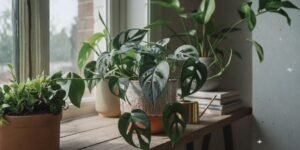
The Alocasia Frydek is a great addition to decor because it adds a tropical touch. I like to put mine on plant stands in bright corners to show off how tall it is. Shelves are great for smaller specimens because they let the leaves fall. To make the veins stand out, use statement pots in neutral colors with it. Put them in groups with ferns in the living room for a lush look, or use them in the bathroom to add moisture. I made a mini jungle by putting one on a windowsill ledge with plants that hang down. It really changes the space.
How to Get Bigger Leaves and Faster Growth
Do you want your Alocasia Frydek to have huge leaves? Based on my tests, keeping the temperature above 70°F all the time speeds up growth. For micronutrients, use a weak seaweed extract in your waterings. It’s made my plants look a lot better. Cut back on pruning so that the plant can focus its energy on new leaves. When I’m propagating or growing plants from seeds, I’ve seen faster results with bottom heat mats. To keep the plants from getting stagnant, make sure there is good airflow. Also, repot them once a year to give them new nutrients. With these changes, Alocasia Frydek now has leaves that are more than a foot wide.
Ways to Propagate (Division + Offsets)
It is easy and satisfying to propagate Alocasia Frydek. In the spring, carefully take the plant out of its pot and cut the rhizomes apart with clean cuts, making sure that each one has roots and a growth point. Then pot it in fresh mix and keep it moist. Offsets are even easier: just find the pups at the base, pull them out with their roots still attached, and plant them the same way. I’ve had high success rates by using a propagation dome for humidity and bottom watering to encourage rooting. Be patient; new growth will show up in 4 to 6 weeks.
In conclusion, the Alocasia Frydek is a very rewarding plant that adds a touch of the exotic to your home. However, it needs special care that is suited to its tropical needs. Follow these tips, and you’ll be able to enjoy its beautiful leaves for many years.
Questions and Answers
1. What sets Alocasia Frydek apart from other Alocasias?
The Alocasia Frydek is different from smoother types like Polly because its deep green leaves have bold white veins and a very soft texture. It’s more compact indoors in my grows, which is great for small spaces, and its leaves feel softer than those of other aroids. It is also a little more forgiving of small drops in humidity than giants like Amazonica, but it still needs that tropical feel to be at its best.
2. Can Alocasia Frydek handle being in low light?
Alocasia Frydek likes bright, indirect light best, but it can handle moderate low light better than direct sun. However, growth slows and leaves may stretch. I kept one in a shady corner of my office with extra LEDs, and it did fine, but for lush, colorful leaves, look for brighter spots. If the leaves start to turn pale, move it closer to a window slowly so it doesn’t get shocked.
3. How often do I need to change the pot for my Alocasia Frydek?
You should repot your Alocasia Frydek every one to two years, or when the roots start to fill up the pot. Spring is the best time to do this. I have learned that changing the soil keeps nutrients from running out and roots from getting stuck, which makes plants grow better. Use a pot that is a little bigger to give the roots more room without making them feel too cramped. Always check the roots for rot while you do this.
4. Is Alocasia Frydek bad for pets?
Yes, Alocasia Frydek has calcium oxalates in it that can upset pets’ stomachs and make them drool or throw up. Because I have cats, I keep them high up or in areas where pets can’t go. If your pets are curious, think about safer options. But with some care, it’s doable—just keep an eye on them and train them not to do it.
5. What kind of fertilizer works best for Alocasia Frydek?
During the growing season, Alocasia Frydek does well with a balanced liquid fertilizer like 20-20-20, but only half-strength. I now use organic fish emulsion as a gentler feed, which I apply once a month in the summer. Stay away from high-nitrogen types that make plants grow tall and thin. Instead, look for types that have potassium, which makes leaves and veins strong.
6. How can I make the air in my dry home more humid for Alocasia Frydek?
Set a humidifier to 70% or put Alocasia Frydek on a pebble tray with water to raise the humidity. I put mine in groups with other plants to trap moisture naturally, and morning mists help without making them too wet. These methods work well to stop tip burn in the winter when heaters dry out the air.
7. Can you grow Alocasia Frydek outside?
During the warm months, Alocasia Frydek can go outside in USDA zones 9–11 on shaded patios that look like its natural habitat. I have successfully kept mine outside all summer, but I bring them inside before the temperature drops below 60°F to avoid damage from the cold. Make sure you’re safe from pests and wind for a smooth transition.
8. Why are the edges of my Alocasia Frydek leaves turning brown?
If the edges of your Alocasia Frydek leaves are brown, it could mean that the humidity is low or that you aren’t watering them consistently. Cut off the parts that are affected and add more moisture by using trays or grouping. From what I’ve seen, fluoride in tap water can make things worse. For clearer results over time, switch to filtered or rainwater.