In This Article
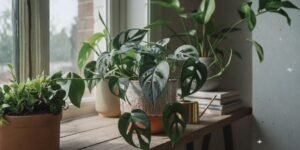
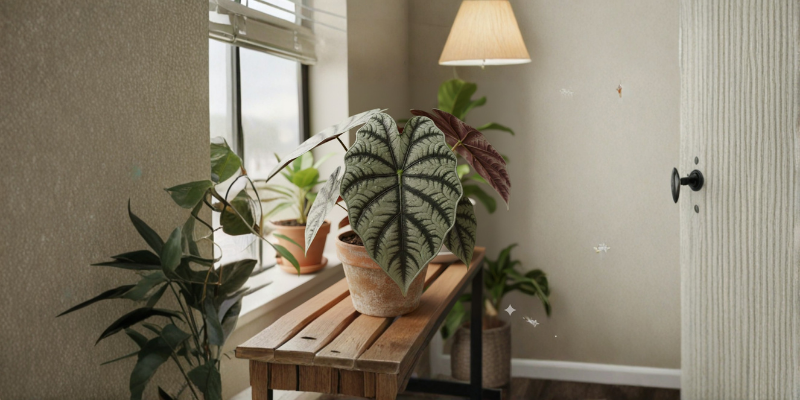
Hey there, other people who love plants! If you’ve ever walked into a greenhouse or looked through plant collector groups and felt your heart skip a beat at the sight of those beautiful, textured leaves that look like they’ve been carved by a mythical creature, you’ve probably seen the Alocasia Dragon Scale. This lovely plant has become very popular among indoor gardeners, and for good reason. The Alocasia Dragon Scale has thick, almost armor-like leaves that are deep green and have intricate veining that looks like dragon scales. It brings a touch of exotic wilderness right into your home. Also, its small size makes it great for small spaces like apartments, desks, or cozy corners. I’ve been growing rare aroids and tropical houseplants for more than 15 years, and I really love this one. It’s like having a little piece of the rainforest living inside. This guide will tell you everything I’ve learned from doing it myself so you can successfully plant and care for your own Alocasia Dragon Scale.
To kick things off, here’s a quick overview of the key details about the Alocasia Dragon Scale in an easy-to-reference table:
|
Detail |
Information |
|
Common Name |
Dragon Scale Alocasia, Dragon Scale |
|
Botanical Name |
Alocasia baginda ‘Dragon Scale’ |
|
Family |
Araceae (Aroid family) |
|
Plant Type |
Evergreen perennial, rhizomatous |
|
Mature Size |
2-4 feet tall indoors, leaves up to 16-18 inches long |
|
Sun Exposure |
Bright, indirect light; tolerates medium light but thrives in bright filtered |
|
Soil Type |
Well-draining, chunky aroid mix (perlite, orchid bark, peat or coco coir) |
|
Soil pH |
Slightly acidic to neutral (6.0-7.0) |
|
Bloom Time |
Rarely blooms indoors; spring/summer if it does |
|
Flower Color |
Small, insignificant spathe (pale green or purple) |
|
Hardiness Zones |
9-11 (outdoors in warm climates; usually grown as houseplant) |
|
Native Area |
Rainforests of Borneo (Indonesia) |
|
Toxicity |
Toxic to pets and humans if ingested (contains calcium oxalate crystals) |
What is Alocasia Dragon Scale?

The Alocasia Dragon Scale is a beautiful hybrid plant that comes from the Alocasia genus. It grows in the lush, humid rainforests of Southeast Asia, especially in places like Borneo. In its natural tropical habitat, it does best under the dappled canopy of taller trees, where the air is moist and the soil is rich but drains quickly. The Alocasia Dragon Scale is different because of its unique leaf structure. The leaves are not only pretty, but they are also tough. They all feel like they have a bumpy, scale-patterned surface that is raised and textured, which is why they are called “dragon-like.” The undersides often have veins in silver tones that stand out, which makes it even more appealing. I’ve grown these plants for a long time, and I’ve noticed that this adaptation helps them hold onto moisture in humid environments. This makes them a tough choice for indoor growers who can recreate those conditions.
Why should you grow Alocasia Dragon Scale inside?
When you bring an Alocasia Dragon Scale into your home, it really makes the space feel special. First of all, it looks amazing. The bold, textured leaves make a natural focal point that gives any room a tropical feel. It also has that rare collector’s appeal; plant lovers like me look for plants like this because they’re not your average pothos or fiddle leaf fig. The Alocasia Dragon Scale stays pretty small, usually no more than a few feet tall, so it’s perfect for small apartments or homes in cities where space is tight. In addition to looking good, it can make the air inside your home cleaner by removing toxins. Taking care of it can also be a fun hobby that connects you to nature. When I grow Alocasia Dragon Scale indoors, it makes me feel calm and accomplished, especially when the new leaves open up like little treasures.
Seasonal Care Calendar
Caring for your Alocasia Dragon Scale shifts with the seasons, just like in its native tropics. Here’s a handy table outlining key tasks to keep it thriving year-round:
Season | Care Tasks |
Spring | Repot if needed; increase watering as growth resumes; fertilize lightly; check for pests after winter dormancy. |
Summer | Provide extra humidity; water more frequently; ensure bright light without direct sun; prune any damaged leaves. |
Fall | Reduce watering as growth slows; maintain humidity; avoid drafts; prepare for lower light by supplementing if necessary. |
Winter | Minimal watering; keep away from heaters; boost humidity with trays; monitor for spider mites; no fertilizing. |
How To Plant And Care For Alocasia Dragon Scale
It doesn’t take much to plant and care for an Alocasia Dragon Scale, but you do need to take some extra steps to make it feel like it’s in its natural habitat. I’ve helped a lot of people who are just starting out with this, and if you do it right, your plant will grow healthy and lush. Let’s go over it step by step.
Step 1: Pick the Best Place Inside
First, find the best place in your home for your Alocasia Dragon Scale. This plant likes warm places, so try to keep the temperature in the room between 65 and 85°F (18 and 29°C) all the time. No cold windowsills or drafty doors. Putting mine near a window that faces north or east works great because it keeps it out of the harsh afternoon sun. Think about the humidity as well. Bathrooms and kitchens usually have a lot of it, but if your space is dry, put it with other plants that like humidity. When I first started growing Alocasia Dragon Scale, I learned the hard way that putting it too close to an air vent made the edges crispy. So, make sure it is in a stable, warm place.
Step 2: Give it bright, indirect light.
The Alocasia Dragon Scale needs light to grow its signature textured leaves. It needs bright, indirect sunlight, like the light that comes through the leaves of a jungle. Put it a few feet away from a sunny window, or use sheer curtains to block direct sunlight, which can burn the leaves. I’ve used grow lights in my home setups during the shorter days of winter to help them grow. I keep them on for 12 to 14 hours to stop them from getting too long. Rotate your Alocasia Dragon Scale every week or so if it starts to lean toward the light source. This will help it grow evenly. If you don’t give them enough light, they’ll grow more slowly. If you give them too much direct sun, their pretty scales might burn.
Step 3: Mix in an airy, well-draining aroid soil mix.
The soil is what makes an Alocasia Dragon Scale happy. Choose a light and airy custom aroid mix to keep it from getting too wet. I’ve been making my own for years by mixing equal parts potting soil, perlite, orchid bark, and a little coco coir. This mix keeps just the right amount of moisture while still allowing for good drainage. Don’t use heavy or compacted soil in your garden because it can smother the roots. Add some activated charcoal to the mix for your Alocasia Dragon Scale to keep fungi from growing. Aim for a pH level of 5.5 to 6.5, which is slightly acidic and similar to the plant’s natural habitat. This will help it take in nutrients.
Step 4: Putting the plants in the right pots
When you need to plant or repot your Alocasia Dragon Scale, pick a pot that is only 1 to 2 inches bigger than the root ball. Terracotta is a great choice because it lets air flow through. Carefully take the plant out of its nursery pot, being careful not to hurt any roots that are circling around. Put it in the new pot with the soil mix, making sure that the top of the rhizome is level with the soil so it doesn’t rot. After planting, water the area lightly to settle the soil, but don’t soak it. Every spring, when the Alocasia Dragon Scale is growing, I repot it. I always wear gloves because the sap can irritate skin. This step gets the roots ready to grow strong.
Step 5: Watering, but not too much
A lot of people have trouble with Alocasia Dragon Scale when it comes to watering, but once you get the hang of it, it’s easy. Let the top inch of soil dry out before watering it well and letting the extra water drain away. Don’t let it sit in a saucer of water. From what I’ve seen, this means watering every 5 to 7 days during active growth seasons, but you should always check with your finger first. To keep the roots from being shocked or leaving mineral spots on the leaves, use filtered water that is at room temperature. If your Alocasia Dragon Scale’s leaves are drooping, it means it needs a drink. Give it a good drink, but don’t give it too much water, or the roots could get sick.
Step 6: Keeping the humidity high
The Alocasia Dragon Scale needs high humidity to keep its leaves full and colorful. Try to get the humidity level between 60 and 80%. I do this by putting pebble trays filled with water under the pot or by running a humidifier nearby. It also helps to mist the leaves every day, especially in the winter when it’s dry. However, you should also wipe them down every now and then to keep dust from building up. Putting your Alocasia Dragon Scale with other tropical plants makes a small microclimate. I’ve learned through trial and error that low humidity causes brown tips. That’s why I bought a hygrometer so I can keep an eye on things and make changes as needed for the best health.
Step 7: Feed and fertilize while the plant is growing.
During the spring and summer, when your Alocasia Dragon Scale is growing new leaves, only fertilize it a little bit and in the right way. Every four to six weeks, I give my aroids a balanced, water-soluble fertilizer that is only half as strong as it should be. Something like 20-20-20 works well. Don’t feed the plant in the fall and winter when it is resting. Worm castings mixed into the soil are an organic option that gives a slow-release boost. If you see salt building up on the surface of the soil, it could be a sign that you’re over-fertilizing. If you do, flush the soil with plain water. This food helps your Alocasia Dragon Scale grow those amazing, scaly leaves.
Step 8: Dealing with pests, diseases, and problems with leaves
You need to be on the lookout for pests and diseases that could harm your Alocasia Dragon Scale. Spider mites and mealybugs, two common pests, love dry conditions, so check the undersides of leaves once a week. If you see them, separate the plant and treat it with neem oil or insecticidal soap. I’ve had success wiping the leaves with a mild solution. If your plant gets root rot from too much water, cut off the sick parts and put it in new soil. If the leaves are turning yellow, it could be because of a lack of nutrients or light. Fix the problem right away. Most problems in my collections don’t happen if I clean them often and let air flow through them.

Step 9: How to Take Care of and Maintain Your Alocasia Dragon Scale for a Long Time
To keep your Alocasia Dragon Scale healthy for a long time, you need to keep an eye on it and make changes as needed. Use clean shears to cut off dead or damaged leaves at the base to encourage new growth. It might make offsets as it grows, which is great for spreading. Pay attention to dormancy periods in the cooler months and cut back on care as needed. Over the years, I’ve learned that keeping track of growth patterns in a journal can help me guess what I need. Your Alocasia Dragon Scale can live for years and become a beloved part of your indoor jungle with the right long-term care.
Common Issues and Ways to Fix Them
Even if you try your best, Alocasia Dragon Scale can still have problems. Overwatering or poor drainage can cause yellow leaves. To fix this, let the soil dry out more and check the roots for rot. If they are rotten, repot them. Brown edges usually mean low humidity or minerals building up from tap water. To fix this, add more moisture and switch to distilled water. If your plants are drooping, it could be because they aren’t getting enough water or because they moved too quickly. Water them evenly and make sure the environment stays stable. Root rot is deadly and happens when the soil is too wet. You can stop it by using mixes that drain well and pots with holes. Do you like aphids? Put them in quarantine and spray them with organic sprays. Taking care of these early on will help your Alocasia Dragon Scale bounce back strong.
Things Beginners Shouldn't Do
As someone who has helped new plant parents, I see the same problems with Alocasia Dragon Scale. Don’t drown it by thinking that more water is better; always check the soil moisture. When you heat your home, the humidity drops, which makes the leaves crispy. Don’t forget to use the humidifier. The sun’s rays burn those delicate scales quickly, so keep them out. Heavy, compact soil traps water and kills roots. Stick to airy mixes instead. Finally, cold air from windows or air conditioners can shock the plant, so keep it warm. If you stay away from these things, your Alocasia Dragon Scale will stay healthy from the start.
Ideas for how to style and arrange indoor decor
Because the Alocasia Dragon Scale is small, you can style it in many ways. Put it on a floating shelf in a bright bathroom to make it feel like a spa, or put it in the middle of a desk where its textured leaves will make it more interesting. Put it in a plant corner with other aroids in a small apartment to make a lush scene. Terrariums work as long as you keep the humidity in check and make sure there is good air flow. Pair it with a matte black or ceramic statement pot to bring out the green scales. I put mine on side tables near reading nooks, where it starts conversations without taking over the room.
How to Get Bigger Leaves and Stronger Growth
Based on my years of experience, here are some tips from the inside that will help you get the most out of your Alocasia Dragon Scale. To keep the plant from leaning and to encourage symmetrical growth, turn the pot every three months. Add a monthly foliar spray of seaweed extract to your plants to give them micronutrients that make their leaves bigger. I’ve seen leaves double in strength this way. Make sure the temperature stays the same. A heat mat under the pot in cooler rooms helps the roots grow strong. Cut back on pruning, but do it in a way that moves energy. Finally, slowly get new plants used to the conditions in your home to avoid stress. If you wait, your Alocasia Dragon Scale will grow bigger and bolder leaves.
Ways to Propagate (Division and Offsets)
It’s easy and rewarding to grow Alocasia Dragon Scale plants by dividing them or using offsets. In the spring, when the plant is growing, start. To divide the plant, carefully take it out of its pot and use a clean knife to cut the rhizomes apart, making sure that each piece has roots and at least one leaf. Put them in new aroid mix and keep them moist. Once offsets, the little plants that grow from the base, have their own roots, you can carefully pull them off. Put it in a propagation station with a lot of humidity until it grows. At first, don’t water too much to keep the plants from rotting. This is how I’ve grown my collection. New Alocasia Dragon Scale plants root in 4–6 weeks with warmth and patience.
In conclusion, the Alocasia Dragon Scale is a great houseplant that adds a touch of the tropics to your home, but it needs careful, regular care that mimics its native environment. It will become a star in your collection, just like it has in mine over the years, if you give it the right amount of light, humidity, and water.
Questions and Answers
1. How often do I need to repot my Alocasia Dragon Scale?
If the roots are crowding the pot, you should repot your Alocasia Dragon Scale every one to two years to keep it healthy. Pick spring for this job when the plants are starting to grow. Always use a container that is a little bigger and has fresh, well-draining soil. I’ve learned that repotting too often can stress the plant, so check the roots once a year. If they’re circling or pushing out drainage holes, it’s time. This keeps the nutrients from running out and helps the leaves grow stronger and healthier over time.
2. Can Alocasia Dragon Scale live in places with little light?
The Alocasia Dragon Scale likes bright, indirect light, but it can also grow in moderate low light. However, growth will slow down and the leaves may lose their color. If your space is dark, add LED grow lights for 10 to 12 hours a day. I’ve seen that long periods of low light make the leaves smaller in my setups, so moving them to brighter spots every now and then helps keep them healthy without the risk of burning them from sudden intense exposure.
3. What makes black spots appear on the leaves of Alocasia Dragon Scale?
When you water Alocasia Dragon Scale plants too much or when the air is too humid and there isn’t enough airflow, bacteria or fungi can grow on the leaves and cause black spots. Use sterilized scissors to cut away the affected areas, and make the area more ventilated, maybe with a small fan. If it keeps coming back, use a fungicide, but the best way to stop it is to water it correctly. Based on what I’ve seen, making sure the leaves dry quickly after misting has solved this problem for my plants.
4. Is Alocasia Dragon Scale bad for pets?
Yes, the Alocasia Dragon Scale has calcium oxalate crystals in it, which makes it poisonous to cats and dogs if they eat it. It could make their mouths hurt or swell up. Put it on high shelves or in rooms where pets can’t get to it. If your pet nibbles, rinse their mouth and call the vet. As a pet owner, I’ve always put safety first so I can enjoy these beauties without worry.
5. How can I make the air more humid for my Alocasia Dragon Scale when the weather is dry?
If you live in a dry area, you can increase the humidity for your Alocasia Dragon Scale by using a humidifier set to 70% or by putting the pot on a tray of wet pebbles without letting the base touch the water. Grouping with other plants or misting with distilled water every day also works. I’ve used ultrasonic humidifiers with success, keeping an eye on the levels to make sure there isn’t too much moisture that could lead to mold. For those plump leaves, balance is key.
6. When does the Alocasia Dragon Scale stop growing?
During the colder, darker winter months, the Alocasia Dragon Scale may go dormant, which means its growth slows down or its leaves fall off. Water less often, every 10 to 14 days, and don’t use fertilizer until spring when the plants start to come back to life. Give it warmth above 60°F to cut down on this phase. In my northern climate, I’ve helped them along with extra light, which has turned their potential dormancy into steady, if slower, growth.
7. Is it possible to grow Alocasia Dragon Scale outside?
Alocasia Dragon Scale does best outside in USDA zones 9-11, where it gets some shade and is protected from wind and frost. If the temperature drops below 60°F, bring it inside. It’s easier to change seasons in pots. I’ve tried putting the patio in different places in the summer, making sure it gets high humidity and indirect sunlight so it doesn’t get too hot. It’s nice to see it grow in the fresh air.
8. How long does it take Alocasia Dragon Scale to grow new leaves?
If everything goes well, your Alocasia Dragon Scale can grow a new leaf every 4 to 6 weeks while it is growing. This is affected by things like light, humidity, and food. Young plants need time to grow, but older ones grow faster. With regular care, my collections have grown steadily every month, which makes the wait exciting because each new leaf is bigger than the last.