In This Article
Hey there, other people who love plants! If you’ve ever been drawn to a houseplant that looks like it came from a lush, mysterious jungle but fits perfectly on your windowsill, Alocasia Black Velvet might be the one for you. People love this beautiful little gem because of its deep, almost black velvety leaves that feel like soft suede. They’re small, usually no taller than a couple of feet, so they’re great for apartments or small spaces where space is limited. I’ve grown a lot of Alocasia Black Velvet plants over the past 15 years of working with tropicals and aroids. Let me tell you, watching those big leaves open up never gets old. It adds a touch of class to your home without taking up a lot of space, like having a piece of exotic wilderness right in your living room.
To give you a quick snapshot before we dive deeper, here’s a handy table summarizing the key details about Alocasia Black Velvet:
Botanical Name | Alocasia reginula ‘Black Velvet’ |
Common Name | Alocasia Black Velvet |
Plant Type | Tropical perennial aroid |
Mature Size | 12-18 inches tall and wide |
Leaf Texture & Color | Velvety, deep green-black with silver veins |
Light Requirement | Bright indirect light |
Soil Type | Well-draining aroid mix |
Water Needs | Moderate; keep soil lightly moist |
Humidity Requirement | High (60-80%) |
Maintenance Level | Moderate; requires attention to humidity and watering |
What is Alocasia Black Velvet?

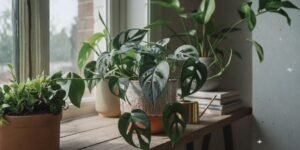
Alocasia Black Velvet is a beautiful plant that belongs to the Araceae family. It grows in the humid rainforests of Southeast Asia, especially in places like Borneo. In its native tropical habitat, it does best under the dappled canopy of taller trees, where the air is thick with moisture and the soil is rich but drains quickly. Alocasia Black Velvet stands out because its leaves are heart-shaped and have a fine, velvety texture that makes them look like they are made of matte black material. The silver veins that run through the leaves look like they were carved by hand. I’ve worked with a lot of these over the years, and the leaves really do feel like velvet. That’s why collectors call it the “jewel of the jungle.” Alocasia Black Velvet is small and doesn’t take over a room like some bigger Alocasias do. This makes it a favorite for indoor growers who want a bold aroid look without the mess.
Why should you grow Alocasia Black Velvet inside?
Bringing Alocasia Black Velvet into your home is very satisfying. It’s not just a plant; it’s a statement piece. Those dark, textured leaves make it look very elegant and gothic, which makes it a great decoration for any room. For people who live in small apartments or cities like I used to, its small size is a game-changer. It won’t outgrow your desk or shelf overnight. Also, as a rare houseplant lover, I love how Alocasia Black Velvet is popular with collectors. It’s not as common as a pothos, so it feels special. It cleans the air a little when you grow it inside, but the real reason to grow it is because it’s so fun to take care of something so unusual. In my experience, it teaches patience and how to pay attention to details, making even new growers into pros and making your home look better.
Seasonal Care Calendar
Caring for Alocasia Black Velvet shifts with the seasons, just like it would in its tropical origins. Here’s a simple table to guide you through the year:
Season | Key Care Tasks |
Spring | Repot if needed; increase watering as growth resumes; fertilize lightly every 4-6 weeks; check for pests as humidity rises. |
Summer | Provide extra humidity with misting or pebble trays; water more frequently but avoid soggy soil; rotate for even light exposure; prune any yellow leaves. |
Fall | Reduce watering as growth slows; cut back on fertilizer; monitor for drafts from windows; boost indoor humidity if heating dries the air. |
Winter | Minimal watering—let soil dry slightly between; no fertilizing; keep away from cold windows; use a humidifier to maintain 60%+ humidity; watch for spider mites in dry conditions. |
How To Plant And Care For Alocasia Black Velvet
It’s not hard to plant and care for Alocasia Black Velvet, but you do need to mimic its tropical roots to keep it healthy. I’ll show you how to do it step by step, like I’m talking to a friend who just got one. I’ve grown and cared for dozens of these beauties.
Step 1: Pick the best place inside
First, find a place in your home that feels like a small rainforest for your Alocasia Black Velvet. I’ve learned that windows that face east or north are great because they let in soft light without the harsh afternoon sun. Stay away from drafty places near doors or vents, as sudden changes in temperature can stress it out. Also think about the humidity. Bathrooms and kitchens with some steam are great, but if that’s not possible, put it with other plants to make a microclimate. I always put Alocasia Black Velvet on a shelf away from heaters in my setup so that it stays in a stable 65–75°F range all year long.
Step 2: Give them bright, indirect light.
Alocasia Black Velvet needs a lot of light to grow its signature velvety leaves. Look for bright, indirect light, like what comes through sheer curtains. If the leaves get too much direct sunlight, they can become crispy, and if they don’t get enough, they can grow too long. From what I’ve seen, it likes 6 to 8 hours of filtered light a day. In the winter, when it’s not very bright, I use grow lights to help it out by putting them 12 inches above the plant on a timer. To keep your Alocasia Black Velvet growing evenly, turn it every few weeks. You’ll see how the leaves perk up when they get the right amount of light.
Step 3: Use a mix of aroid soil that is light and drains well.
To keep the roots from getting damaged, the soil for Alocasia Black Velvet needs to be light and airy. I mix potting soil, perlite, and orchid bark in equal parts, and then I add a handful of coco coir to keep the moisture in. This mix drains quickly and holds just the right amount of water, like the forest floor. Don’t use heavy garden soil that makes roots compact and die. Store-bought aroid mixes have always worked fine for me, but adding more perlite has always made it easier for my Alocasia Black Velvet plants to breathe.
Step 4: Putting the plants in the right pots or planting them
If you’re planting or repotting Alocasia Black Velvet, use a pot that is only 1 to 2 inches bigger than the root ball. Terracotta pots help with drainage. Take it out of its nursery pot carefully, tease apart any roots that are circling, and put it in the new mix. Bury it just enough to cover the roots without burying the stem. Lightly water the soil after that, but don’t soak it. I repot my Alocasia Black Velvet plants every one to two years in the spring, when they are growing quickly. This has made a big difference in how healthy they are.
Step 5: Watering the plants but not too much
When you water Alocasia Black Velvet, you need to find the right balance. The soil should be moist but not soggy. I check the top inch of soil. If it’s dry, I water it well until it drains out the bottom, and then I empty the saucer. That could happen every five to seven days in the summer, but not as often in the winter. To keep the roots from getting shocked, use water that is the same temperature as the room. Over the years, I’ve found that underwatering is better than overdoing it, as Alocasia Black Velvet rebounds from dryness but hates wet feet, which can lead to rot.
Step 6: Keeping the humidity high
Alocasia Black Velvet needs high humidity to keep its edges from getting crispy. Try to keep the humidity between 60 and 80 percent. I use a humidifier nearby or put the pot on a tray of pebbles with water. Misting every day helps, but don’t let water sit on the leaves all night. Putting plants together in dry places increases the amount of moisture in the air. My secret? A small fan to move air around and keep things humid, which has kept my Alocasia Black Velvet leaves soft and bright.
Step 7: During growth, feed and fertilize
During the growing season (spring to summer), give Alocasia Black Velvet a balanced, diluted liquid fertilizer every four to six weeks. For leaf growth, I use half-strength houseplant food that is high in nitrogen. Don’t do it in the fall and winter when it’s not growing. Over-fertilizing burns the roots, so I’ve learned that less is more. I’ve seen my plants thrive with organic options like worm castings mixed into the soil for a slow release.
Step 8: Dealing with pests, diseases, and leaf problems
Alocasia Black Velvet can get pests like spider mites or aphids, especially when the air is dry. I check the leaves every week and wipe them down with neem oil solution if they need it. Root rot from too much water is a common disease, so make sure there is good drainage. If your leaves are yellow, it could be because they are getting too much sun or nutrients. Cut them off cleanly. Good airflow and other preventive care have helped keep Alocasia Black Velvet healthy and cut down on problems in my grows.

Step 9: How to Care for and Maintain Alocasia Black Velvet for a Long Time
For the long term, cut off dead leaves to make room for new growth, and carefully dust the velvety surfaces with a soft brush. Keep an eye out for dormancy in the winter and cut back on care as needed. To keep salt from building up, flush the soil with water every few months. This routine has kept my Alocasia Black Velvet plants alive for years, and as they get older, their leaves get bigger and bolder.
Problems and Solutions That Happen Often
Alocasia Black Velvet can still have problems, even if you mean well. If your leaves turn yellow, it could be because you’re watering too much or the soil doesn’t drain well. Cut back on the water and check the roots for rot. If they are, repot them. If the stems are drooping, it means they need more water or the air is too dry. Give them a good drink and raise the humidity to help them out. Root rot comes from wet soil, so cut off the roots that are affected and use new mix. Mealybugs and other pests look like white fluff. You should separate them and treat them with insecticidal soap. If your plants are growing slowly, they might not be getting enough light. Move them to a place that gets more light. From what I’ve seen, catching these early keeps Alocasia Black Velvet bouncing back strong.
Things beginners should not do
People who are new to Alocasia Black Velvet often water it too much because they think tropical means always being wet. This is a big mistake because it causes rot. Another problem is low humidity; without it, leaves dry out quickly. If you want to protect those delicate velvets, don’t let them get direct sunlight. Heavy, compacted soil holds in moisture, which cuts off oxygen to roots. I’ve seen friends skip repotting, which stunted their plants’ growth. Don’t wait too long. If you don’t deal with pests right away, small problems can become big ones. If you follow these simple rules, your Alocasia Black Velvet will do well.
Ideas for how to style and place home decor
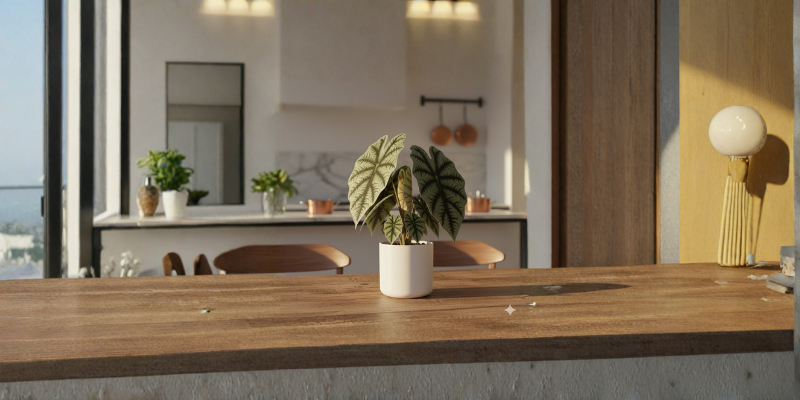
Alocasia Black Velvet is a great way to add drama to your home decor without taking up too much space. Put it on a desk to bring a little bit of nature to your workday, or on high shelves where its leaves fall in a beautiful way. It looks great in small apartments in plant corners with other aroids, giving the room a mini jungle feel. I put mine on bathroom vanities, where steam adds natural humidity, or on side tables in living rooms, where lamps give off a warm glow at night. You can use it with neutral pots to make the leaves stand out. It works with modern, boho, or minimalist styles.
Tips from the pros for bigger leaves and better growth
To get bigger leaves on Alocasia Black Velvet, use a cloche to raise the humidity during dry spells. I’ve gotten leaves that are twice as big this way. Water the bottom of the plant to help it grow deep roots without getting the leaves wet. Once a month, add a little Epsom salt to get more magnesium and make the velvet shine even more. To keep things balanced, turn them regularly and don’t let the temperature drop below 60°F. What is my secret? Whisper words of encouragement—just kidding, but taking care of your Alocasia Black Velvet plants consistently will make them grow healthier and stronger.
Ways to Spread (Division + Offsets)
It is easy to propagate Alocasia Black Velvet by dividing it or taking offsets. In the spring, carefully take the plant out of its pot and cut the rhizomes apart with clean cuts, making sure that each one has roots and a growth point. Put them in a new aroid mix and keep them moist. You can carefully pull off the offsets, which are the little plants at the base, and plant them in water or soil. I’ve had success soaking them in water until roots form and then moving them. At first, only water it a little and give it indirect light. Be patient; your new Alocasia Black Velvet babies will start to grow in a few weeks.
To sum up, Alocasia Black Velvet is a beautiful plant that adds a tropical touch to your home, but it can be a little picky. If you take good care of it, it will become a loyal friend and teach you how to balance light, humidity, and watering. Try it if you’re ready for a little challenge with big rewards. You won’t be sorry.
Questions and Answers
1. How often should I spray my Alocasia Black Velvet?
Misting Alocasia Black Velvet a few times a week helps keep the humidity up, especially in dry indoor areas. But don’t go overboard; do it in the morning so the leaves have time to dry by evening to keep fungal spots from forming. In my gardens, using a pebble tray and misting together has kept the leaves soft without any problems.
2. Can Alocasia Black Velvet live in places with little light?
Alocasia Black Velvet likes bright, indirect light, but it can also handle medium light for short periods of time. In very low light, growth slows down and leaves may lose their color. I added LED grow lights to shady areas, which worked well to bring mine back to life.
3. What size pot is best for a young Alocasia Black Velvet?
To keep the soil from holding too much water, start with a pot that is 4 to 6 inches wide for a young Alocasia Black Velvet. As it gets bigger, make improvements little by little. Terracotta pots have worked best for me because they draw moisture away from the plants to keep them from rotting.
4. How can I tell if my Alocasia Black Velvet needs to be moved to a new pot?
If the roots are circling the pot or poking through the drainage holes, or if growth stops, these are signs. Every one to two years, repot in the spring. I timed mine so that the soil doesn’t dry out too quickly, which helps it grow better.
5. Is Alocasia Black Velvet bad for pets?
Yes, Alocasia Black Velvet has calcium oxalates in it that can upset pets if they eat them. Don’t let cats and dogs get to it. For safety, I’ve put my things on high stands in homes with pets.
6. Why are the veins on my Alocasia Black Velvet getting lighter?
Alocasia Black Velvet’s silver veins may be fading because it doesn’t get enough nutrients or gets too much direct sunlight. Use a balanced mix of fertilizer and change the light. After adding micronutrients, my plants got their contrast back.
7. Is it possible to grow Alocasia Black Velvet outside?
In warm, humid areas (9–11), Alocasia Black Velvet can go outside in the shade, but it should be protected from frost. I kept mine outside in the summer and brought it inside for the winter, which helped it grow.
8. How long does it take for Alocasia Black Velvet to grow new leaves?
When conditions are right, Alocasia Black Velvet grows a new leaf every 4 to 6 weeks during the growing season. This slows down when it is dormant. Over time, mine has gotten better thanks to patience and regular care.