In This Article
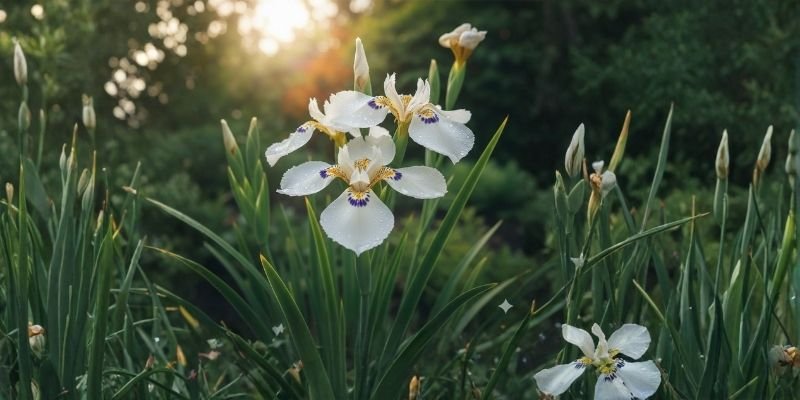
Hey there, fellow gardeners! If you’re looking to add some effortless elegance to your yard or patio, let me tell you about the African Iris. This tough, beautiful plant has been a staple in my garden for years, and it’s one of those perennials that just keeps giving without asking for much in return. Also known as the Fortnight Lily because its blooms seem to pop up every couple of weeks, the African Iris features long, sword-shaped leaves that give it a grassy, upright look. The flowers are what steal the show though – they’re shaped like classic irises, with delicate petals that open up wide and often have a splash of color in the center. The white African Iris, in particular, is a favorite for folks who want that clean, bright vibe in their landscapes. It lights up borders, rock gardens, or even containers with its snowy blooms, making it perfect for modern or minimalist designs. Whether you’re a newbie just starting out or someone who’s been planting for decades like me, this plant is forgiving and rewarding.
To get you started right, here’s a quick overview of the basics in a handy table. I’ve put this together based on what I’ve seen work best in real gardens.
Detail | Information |
Common Name | African Iris, Fortnight Lily |
Botanical Name | Dietes species (like Dietes iridioides for the white varieties) |
Family | Iridaceae |
Plant Type | Evergreen perennial |
Mature Size | 2 to 4 feet tall and wide |
Sun Exposure | Full sun to part shade |
Soil Type | Well-draining, sandy or loamy |
Soil pH | Neutral to slightly acidic (6.0 to 7.5) |
Bloom Time | Spring through fall, with peaks every few weeks |
Flower Color | White, yellow, lavender, often with markings |
Hardiness Zones | 8 to 11 |
Native Area | Southern and eastern Africa |
Toxicity | Non-toxic to humans and pets |
African Iris Care (Season-Wise Care)

Caring for African Iris isn’t rocket science – it’s more about understanding your local weather and giving it what it needs without overdoing it. This plant is naturally drought-tolerant, hailing from regions with dry spells, so it’s great for low-maintenance gardens. I’ll break it down by seasons and settings to make it easy for you to follow along, no matter where you live.
Winter Care for African Iris
Winter can be a quiet time for African Iris, especially in milder zones like 8 to 11 where it stays evergreen. In my experience, the key is protection from frost if you’re on the cooler end. Mulch around the base with a couple inches of organic material like bark or leaves to insulate the roots – this keeps the soil from freezing solid. Water sparingly; maybe once every few weeks if there’s no rain, since overwatering in cold weather leads to rot. If you get hard freezes, cover the plants with frost cloth overnight. I’ve lost a few clumps to surprise cold snaps, so don’t skip this if temps dip below 25°F. Prune back any damaged leaves in late winter to tidy things up before new growth starts.
Summer Care for African Iris
Summer is when African Iris really shines, pumping out those fortnightly blooms if you treat it right. Full sun is ideal, but in scorching areas, a bit of afternoon shade prevents leaf scorch. Water deeply but infrequently – aim for about an inch per week, letting the soil dry out between sessions. This mimics its native habitat and builds resilience. Fertilize lightly with a balanced, slow-release formula in early summer to boost flowers, but don’t go overboard or you’ll get more leaves than blooms. Keep an eye on weeds; a light mulch layer helps suppress them and retains moisture. In my hot, dry summers, I’ve found that grouping African Iris with other drought-lovers creates a microclimate that reduces watering needs even more.
Monsoon / Rainy Season Care
During rainy seasons or monsoons, the biggest risk for African Iris is too much moisture leading to root issues. Ensure your planting spot has excellent drainage – if it’s in a low area, consider raising the bed or adding gravel. Cut back on supplemental watering entirely; let nature handle it. If leaves start yellowing, it might be a sign of over-saturation, so poke the soil to check. In humid climates, good air flow is crucial to avoid fungal problems – space plants about 2 feet apart. I’ve had great luck planting African Iris on slight slopes where excess rain runs off quickly, keeping them happy even in downpours.
Indoor Care (Containers)
Growing African Iris indoors or in pots is a breeze if you have a sunny spot. Use a well-draining potting mix with some sand mixed in, and choose a container with holes at the bottom. Place it near a south-facing window for at least 6 hours of light daily – artificial grow lights work in a pinch during shorter days. Water when the top inch of soil feels dry, and empty the saucer to prevent sogginess. Fertilize every couple of months with a diluted houseplant food. Rotate the pot occasionally for even growth. One tip from my container experiments: repot every 2-3 years to refresh the soil and divide clumps if they get crowded. It’s perfect for apartments or patios where space is tight.
Outdoor Care (Garden & Landscape)
Outdoors, African Iris thrives in gardens and landscapes with minimal fuss. Plant in groups for impact along paths or borders – they create a natural, flowing look. Dig holes twice as wide as the root ball, mix in compost for nutrients, and space them 18-24 inches apart. Mulch to conserve water and control weeds. In landscapes, pair them with succulents or grasses for a water-wise design. Regular deadheading encourages more blooms, but otherwise, they’re set-it-and-forget-it plants. Over the years, I’ve used African Iris to soften hardscapes like retaining walls, and they handle foot traffic edges surprisingly well.
Types of African Iris (Including White Iris)
There are several types of African Iris out there, each with its own charm. They all share that tough, adaptable nature, but colors and sizes vary a bit. Here’s a rundown of some popular ones, with extra love for the white varieties since they’re so versatile.
Dietes iridioides (White Iris)
This is the classic white Iris, with pure white petals accented by yellow and blue markings in the center. It grows to about 3 feet tall and blooms repeatedly, making it a go-to for brightening shady spots or white-themed gardens. I’ve planted these in my front yard, and they add a fresh, clean contrast against darker foliage.
Dietes bicolor
Known for its bicolor flowers – usually cream or yellow with maroon spots – this type is a bit shorter, around 2 feet. It’s great for borders and has a more tropical feel. If you want variety beyond white, this one’s a solid choice.
Dietes grandiflora
Larger blooms on this one, often white with purple veins. It can reach 4 feet and is super hardy in coastal areas. The flowers are showier, perfect for statement pieces in landscapes.
White African Iris Varieties (Special Focus)
White African Iris comes in a few subtle variations. For instance, some have more pronounced yellow throats, while others are almost entirely snowy white. ‘Johnsonii’ is a popular white cultivar with extra-large flowers that last longer. These whites are especially loved for moon gardens or evening views, as they glow under moonlight. In my experience, white African Iris holds up better in partial shade than colored types, reducing petal fade.
- Hybrid Whites: Look for crosses that blend Dietes species for improved drought resistance.
- Dwarf Whites: Smaller versions ideal for pots, staying under 2 feet.
Pruning African Iris
Pruning African Iris keeps it looking tidy and promotes healthy growth – think of it as a haircut that encourages more blooms. The best time is after flowering cycles, usually late spring or fall, but you can snip anytime for maintenance. Use clean, sharp shears to cut spent flower stalks at the base, right where they meet the leaves. Remove any brown or damaged foliage by cutting it back to the ground. This improves air circulation and prevents pests from hiding out.
Common mistakes? Over-pruning – don’t strip all the leaves, as they photosynthesize and feed the plant. Also, avoid pruning in wet weather to dodge spreading diseases. I’ve made the error of waiting too long, leading to tangled messes, so stay on top of it every few months for that neat, sword-like appearance.
Propagating
Propagating African Iris is straightforward and a great way to expand your garden for free. The easiest method is division, which works best in spring or fall when the plant is actively growing.
Step 1: Dig up a mature clump carefully with a shovel, shaking off excess soil to expose the rhizomes.
Step 2: Gently separate the rhizomes into sections, each with at least a few leaves and roots. Use a knife if they’re stubborn, but sterilize it first.
Step 3: Replant the divisions in prepared soil, about 1-2 inches deep, spacing them 18 inches apart. Water well to settle them in.
You can also try seeds, but they’re slower – sow in trays with moist soil, keep warm, and transplant seedlings after a few months. From my trials, division gives quicker results, often blooming the next season. Just be patient; rhizomes need time to establish.

Overwintering
African Iris is pretty cold-tolerant down to zone 8, but in cooler areas, it needs a helping hand to survive winter. It goes semi-dormant, with leaves possibly browning but roots staying alive. For protection, apply a thick mulch layer over the rhizomes – straw or pine needles work well. In zones below 8, grow in pots and bring indoors to a cool, bright spot. Water minimally to avoid rot.
If you live where it snows, heap extra mulch or use burlap wraps. I’ve overwintered mine in zone 7 by mounding soil around the base, and they bounced back strong. The white African Iris seems a tad hardier, perhaps due to its vigorous growth.
Common Pests & Plant Diseases
African Iris is tough, but like any plant, it can face a few foes. Here’s what to watch for, with simple fixes.
Pests:
- Aphids: These suckers cluster on new growth, causing curling leaves.
- Snails and Slugs: They munch holes in leaves at night. Hand-pick or set beer traps.
- Spider Mites: Fine webs and stippled leaves in dry conditions. Increase humidity and spray with neem oil.
Diseases:
- Root Rot: From overwatering; symptoms include wilting and mushy roots. Improve drainage and let soil dry.
- Leaf Spot: Brown spots from fungi in humid weather. Remove affected leaves and ensure good spacing.
- Rust: Orange pustules on undersides. Use a fungicide and avoid overhead watering.
Prevention is key – healthy soil, proper spacing, and regular checks keep issues at bay. In my garden, beneficial insects like ladybugs handle most pests naturally.
How to Keep African Iris & White African Iris Healthy & Blooming
To get your African Iris and white African Iris thriving with loads of flowers, focus on the basics done right. Sunlight is crucial: aim for 6+ hours daily for robust blooms, but white varieties tolerate a smidge more shade without sulking. Water wisely – deep soaks every 7-10 days in summer, less in cooler months, always checking soil moisture first.
Fertilize sparingly; a granular 10-10-10 in spring and midsummer does the trick, avoiding nitrogen-heavy stuff that promotes leaves over flowers. Deadhead spent blooms to redirect energy. For foliage strength, ensure well-drained soil; amend clay with sand if needed.
Proven tips from my years: Divide every 3-4 years to prevent overcrowding, which boosts flowering. Companion plant with lavender for pest repulsion. For white African Iris, a light reflective mulch like white stones enhances that glow. Mulch annually to retain moisture and suppress weeds. If blooms slow, check for nutrient deficiencies – a soil test helps. With these, your plants will flower like clockwork, turning your space into a perennial paradise.
FAQs –
1. What makes different from regular irises? African Iris isn’t a true iris but looks similar with its fan-shaped flowers. It’s more drought-tolerant and evergreen in warm climates, blooming repeatedly unlike one-and-done bearded irises.
2. How often does white bloom? White African Iris typically flowers every two weeks or so from spring to fall, hence the Fortnight Lily name. In ideal conditions, you might see blooms year-round in mild areas.
3. Can I grow in pots? Absolutely! Use large containers with drainage holes and a gritty mix. They’re great for patios; just protect from extreme cold.
4. Why are my Iris leaves turning yellow? Yellowing often means overwatering or poor drainage. Let the soil dry out more, and check for root rot. Nutrient issues can also cause it – try a balanced fertilizer.
5. Is white African deer-resistant? Yes, mostly – deer tend to ignore it due to the tough leaves. If they’re nibbling, a repellent spray helps.
6. Can I use African Iris in cut flower arrangements? Yes! The blooms last a few days in vases. Cut stems in the morning for longest life.
There you have it – everything you need to grow thriving African Iris and white African Iris. Happy planting!