In This Article
Hey there, fellow plant enthusiast! If you’re looking to add a touch of dramatic flair to your home or garden, the Alocasia Regal Shield might just be your next obsession. This beauty is known for its massive, shield-shaped leaves that boast a deep, almost velvety green hue with subtle veining that catches the light just right. It’s like having a piece of the jungle right in your living room or patio. As someone who’s spent years tinkering with tropical plants in my own space, I can tell you the Alocasia Regal Shield is a real showstopper—perfect for beginners who want something bold without too much fuss, as long as you get the basics down. Whether you’re growing it indoors to brighten up a corner or outdoors in a shady spot, this plant brings that exotic vibe that makes any area feel alive and lush.
The Alocasia Regal Shield stands out because of those oversized leaves that can grow up to a couple of feet long, giving it that elephant ear nickname. It’s a hybrid that’s been bred for its toughness and striking appearance, making it a favorite among home gardeners who love ornamental foliage. But don’t worry if you’re new to this; I’ll walk you through everything from the ground up in this guide.
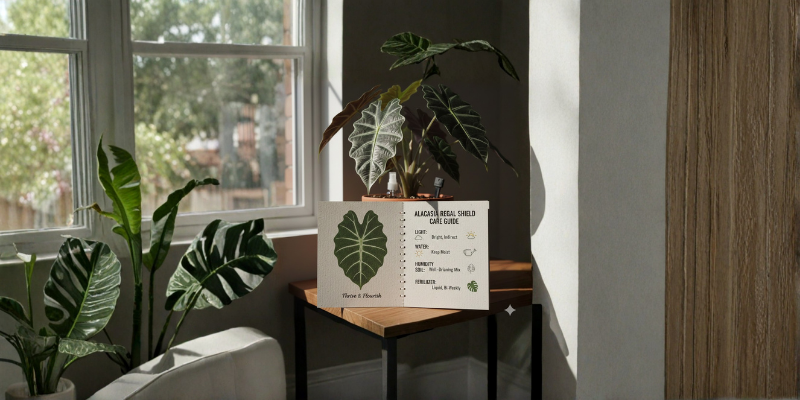
To kick things off, here’s a quick snapshot of the Alocasia Regal Shield’s key traits. I’ve put it all in a simple table so you can reference it easily while planning your setup.
Detail | Information |
Common Name | Regal Shield Elephant Ear |
Botanical Name | Alocasia ‘Regal Shield’ |
Family | Araceae |
Plant Type | Tropical perennial herb |
Mature Size | Up to 4-6 feet tall and 3-5 feet wide |
Sun Exposure | Bright, indirect light or partial shade |
Soil Type | Loose, well-draining mix with organic matter |
Soil pH | Slightly acidic (5.5-6.5) |
Bloom Time | Rarely indoors; possible in summer outdoors |
Flower Color | Pale white or greenish spathe |
Hardiness Zones | 9-11 (grows as perennial in warm climates) |
Native Area | Hybrid origin, with parent plants from Southeast Asia |
Toxicity | Toxic if ingested; contains irritants that can harm pets and kids |
This table sums up the essentials, but remember, every Alocasia Regal Shield is a bit unique based on your environment. Now, let’s dive into how to care for it through the seasons and settings.
Alocasia Regal Shield Care (Season-Wise Care)

Caring for an Alocasia Regal Shield isn’t one-size-fits-all—it changes with the weather and where you’re keeping it. I’ve learned from my own trials that tuning into your local climate makes all the difference. These plants hail from tropical roots, so they crave warmth and moisture, but they can adapt if you give them the right tweaks. I’ll break it down by seasons and indoor/outdoor spots, keeping things straightforward so even if you’re just starting out, you can keep your Alocasia Regal Shield happy.
Winter Care for Alocasia Regal Shield
Winter can be tricky for the Alocasia Regal Shield because it doesn’t like the cold or dry air that comes with heating systems. In my experience, the key is to mimic a mild dormancy period without letting it suffer. Keep your plant in a spot where temperatures stay above 60°F (15°C)—anything cooler, and the leaves might start yellowing or dropping. Water less often, maybe once every 10-14 days, since the soil dries out slower in cooler months. Check the top inch of soil; if it’s dry, give it a drink, but never let it sit in water to avoid root issues.
Boost humidity with a pebble tray filled with water under the pot or group it with other plants. I avoid misting too much in winter to prevent fungal problems from lingering moisture. Fertilizing? Skip it until spring; your Alocasia Regal Shield is resting. If leaves look sad, trim them off gently to encourage new growth when warmer days return.
Summer Care for Alocasia Regal Shield
Summer is when the Alocasia Regal Shield really shines—it’s growth season, and with the right care, you’ll see those big leaves unfurling like crazy. Provide plenty of bright, indirect light, but shield it from harsh midday sun that can scorch the foliage. Outdoors, a shaded patio works wonders; indoors, near an east-facing window is ideal.
Water more frequently, aiming for soil that’s consistently moist but not soggy—every 5-7 days, depending on heat. I’ve found that in hot spells, my Alocasia Regal Shield drinks up fast, so I poke the soil to check. Humidity is crucial; aim for 60% or higher. Use a humidifier or daily misting to keep those leaves perky. Feed it with a balanced, diluted fertilizer every 4 weeks to fuel that lush growth. Watch for pests, as warmer weather invites them; a quick wipe-down with soapy water keeps things in check.
Monsoon / Rainy Season Care for Alocasia Regal Shield
In rainy seasons, the Alocasia Regal Shield loves the extra humidity, but too much water can be a downfall. If it’s outdoors, ensure excellent drainage to prevent root rot from constant downpours. I recommend raising pots on feet or using gravel layers to let excess water escape. Indoors, cut back on watering since the air is already moist—let the top soil dry out a bit between sessions.
Keep an eye on airflow; stagnant, wet conditions can lead to fungal spots on leaves. Prune any damaged foliage promptly. The natural rain can wash away dust, which is great for the plant’s health, but if it’s getting battered by heavy winds, move it to a sheltered spot. Your Alocasia Regal Shield will thrive with this balance, growing vigorously without drowning.
Outdoor Care for Alocasia Regal Shield
Outdoors, the Alocasia Regal Shield can grow even larger if you live in a warm zone. Plant it in partial shade, like under trees or on a north-facing porch, to protect from intense sun. Soil should be rich and drain well; amend with compost for nutrients.
Water regularly to keep the ground moist, especially in dry spells, but mulch around the base to retain moisture and suppress weeds. In zones below 9, treat it as an annual or dig up rhizomes for winter storage. I’ve had success overwintering bulbs in peat moss. Fertilize sparingly in growing months. Outdoor Alocasia Regal Shield adds tropical drama to gardens, but watch for slugs in damp areas.
Types of Alocasia Regal Shield / Related Varieties
While the Alocasia Regal Shield is a standout on its own, there are some close relatives in the Alocasia family that share similar bold leaves and care needs. These varieties can be fun to collect if you get hooked. Here’s a look at a few that remind me of the Alocasia Regal Shield in growth and style.
Alocasia Black Velvet: This compact cousin has smaller, velvety black leaves with silver veins. It’s great for smaller spaces and needs similar high humidity and indirect light as the Alocasia Regal Shield.
Alocasia Odora: One of the parents of the Alocasia Regal Shield, it features large, upright green leaves. It’s more tolerant of cooler temps and grows quickly outdoors in warm climates.
Alocasia Frydek: Known for its dark green leaves with white veins, this variety has a similar shield shape. It thrives in humid environments and is a bit more forgiving with watering than the Alocasia Regal Shield.
Alocasia Polly (African Mask): With arrow-shaped leaves and striking veins, it’s a popular indoor pick. Shares the same family traits, like needing moist soil, but stays smaller than the Alocasia Regal Shield.
Alocasia Dragon Scale: This one has textured, scaly leaves in deep green. It’s humidity-loving like the Alocasia Regal Shield and makes a unique addition to collections.
These relatives can help you build a themed plant corner, all with that tropical elephant ear vibe.
Pruning Alocasia Regal Shield
Pruning your Alocasia Regal Shield isn’t something you do often, but when it’s needed, it keeps the plant looking tidy and healthy. I usually prune in late winter or early spring, right before new growth kicks in. Look for yellowing, brown, or damaged leaves—these are sucking energy from the plant.
To prune, use clean, sharp scissors or shears. Cut the leaf stem close to the base, but don’t damage the main rhizome. Always sterilize tools with alcohol to avoid spreading diseases. Common mistakes? Over-pruning healthy leaves, which stresses the plant, or pruning in fall when it’s entering rest. After pruning, give your Alocasia Regal Shield a light watering and watch for fresh shoots—it bounces back quickly.
Propagating Alocasia Regal Shield
Propagating the Alocasia Regal Shield is rewarding and straightforward, especially through rhizome division. I’ve done this many times to share plants with friends. The best time is spring when the plant is active.
Here’s a step-by-step guide for division:
- Gently remove the Alocasia Regal Shield from its pot, shaking off excess soil to expose the rhizomes—these are the thick, underground stems.
- Identify healthy sections with at least one growth point or “eye” and a few roots attached.
- Use a clean knife to separate the rhizomes, cutting carefully to avoid damage.
- Plant each division in a small pot with fresh, well-draining soil mix.
- Water lightly and place in a warm, humid spot with indirect light.
- Keep soil moist but not wet; new growth should appear in 4-6 weeks.
Other methods like offsets work similarly, but seeds are rare and tricky. Patience is key—your new Alocasia Regal Shield babies will grow into beauties.

Overwintering Alocasia Regal Shield
Overwintering the Alocasia Regal Shield protects it from cold snaps, especially if outdoors. For indoor plants, it’s simple: move to a warmer room away from drafts, reduce watering, and maintain humidity.
Outdoors in cooler zones, dig up the rhizomes before frost. Clean them, let dry for a day, then store in peat moss or vermiculite in a cool, dark place around 50-60°F. Check monthly for rot. In spring, replant. I’ve lost a few to improper storage, so moisture control is crucial. This way, your Alocasia Regal Shield comes back stronger each year.
Common Pests & Plant Diseases
Like many tropicals, the Alocasia Regal Shield can attract pests and diseases, but early action keeps them at bay. Common pests include spider mites (tiny webs and stippled leaves—treat with neem oil sprays), aphids (sticky residue on leaves—rinse with water or insecticidal soap), and mealybugs (white cottony spots—wipe with alcohol-dipped cotton).
For diseases, root rot from overwatering shows as mushy roots and wilting—repot in dry soil and cut affected parts. Fungal leaf spots appear as brown patches; improve air flow and avoid wet leaves. Bacterial blight causes soft, smelly spots—remove infected areas and use copper fungicide. Prevention? Good drainage, clean tools, and regular inspections make your Alocasia Regal Shield resilient.
How to Keep Alocasia Regal Shield Healthy & Thriving
Keeping your Alocasia Regal Shield lush and growing fast boils down to a few proven habits I’ve honed over years of gardening. First, master watering: aim for even moisture without sogginess. I use my finger to test—dry top inch means time to water. Use filtered water to avoid mineral buildup.
Humidity is non-negotiable; 50-70% keeps leaves from crisping. A humidifier or grouping plants helps. For faster growth, fertilize with a half-strength balanced mix every month in spring and summer—too much burns roots.
Light: Bright indirect is gold; too little makes it leggy, too much scorches. Rotate for symmetry. Repot when roots crowd, using a mix with perlite for drainage. Wipe leaves to prevent dust blocking light. With these, your Alocasia Regal Shield will have those glossy, massive leaves everyone’s jealous of.
FAQs – Alocasia Regal
Here are some common questions I get about the Alocasia Regal, based on my chats with other gardeners. I’ll answer them straight-up with tips that have worked for me.
1. Why are the leaves on my Alocasia Regal turning yellow? Yellow leaves often mean overwatering or poor drainage. Let the soil dry out more between waterings and ensure the pot has holes. If it’s underwatering, increase frequency gradually.
2. How often should I water my Alocasia Regal? It depends on your environment, but generally every 7-10 days. Check the soil—moist but not wet is ideal. In humid spots, less; in dry air, more.
3. Is the Alocasia Regal safe for pets? No, it’s toxic due to oxalates that cause mouth irritation. Keep it out of reach from cats, dogs, or kids.
4. Can I grow Alocasia Regal in low light? It tolerates it but won’t thrive—leaves get smaller. Aim for bright indirect light for best results.
5. What’s the best soil for Alocasia Regal? A mix of potting soil, perlite, and orchid bark for drainage. Avoid heavy garden soil that compacts.
6. How do I increase humidity for my indoor Alocasia Regal? Use a pebble tray, humidifier, or bathroom placement. Misting helps but isn’t enough alone.
7. Does Alocasia Regal need fertilizer? Yes, during growth season. Use a diluted houseplant fertilizer every 4-6 weeks; skip in winter.
8. Why are the leaf tips browning on my Alocasia Regal? Low humidity or fluoride in tap water. Switch to distilled water and boost moisture levels.
9. Can Alocasia Regal be grown outdoors year-round? Only in zones 9-11. Elsewhere, bring inside or store rhizomes over winter.
10. How big does Alocasia Regal get? Indoors, 4-5 feet; outdoors in ideal conditions, up to 6 feet tall with wide spreads.
11. What pests commonly affect Alocasia Regal? Spider mites and aphids are frequent. Inspect undersides and treat early with natural sprays.
12. Is repotting necessary for Alocasia Regal? Every 1-2 years when roots fill the pot. Spring is best to minimize stress.
13. Why isn’t my Alocasia Regal growing? Could be dormancy in winter or insufficient light/humidity. Adjust conditions and be patient.
14. Can I propagate Alocasia Regal from leaves? No, it needs rhizomes or offsets. Leaf cuttings don’t root well.
15. How do I fix drooping leaves on Alocasia Regal? Usually underwatering or shock from moves. Water thoroughly and stabilize the environment.
There you have it—a complete rundown on the Alocasia Regal. With a little love and these tips, yours will be thriving in no time. Happy gardening!