In This Article
This complete Alocasia Zebrina care guide covers light, watering, soil mix, humidity, and everything you need to grow a healthy plant indoors. If you’ve ever walked into a room and been stopped in your tracks by a plant with striking, arrow-shaped leaves on stems that look like they’ve been painted with bold zebra stripes, chances are you’ve met the Alocasia Zebrina. This tropical beauty has stolen my heart over the past 15 years of growing aroids indoors, and it’s easy to see why so many plant lovers love it. The Alocasia Zebrina has dramatic leaves and a wild, exotic look that makes it feel like you’re in the jungle right in your own home. This plant’s unique stems and lush leaves make it a great choice for adding personality to any home, whether you’re a beginner or an experienced grower like me.
To give you a quick overview, here’s a handy table summarizing the key details about the Alocasia Zebrina based on my hands-on experience.
Botanical Name | Alocasia Zebrina |
Common Name | Zebra Alocasia, Elephant Ear |
Plant Type | Tropical perennial aroid |
Mature Size | 3-5 feet tall, 2-3 feet wide |
Leaf & Stem Appearance | Large, arrow-shaped green leaves; striped green-black stems resembling zebra patterns |
Light Requirement | Bright indirect light |
Soil Type | Well-draining, airy aroid mix |
Water Needs | Moderate; keep soil moist but not soggy |
Humidity Requirement | High, 60-80% preferred |
Maintenance Level | Moderate; requires attention to humidity and watering |
What is Alocasia Zebrina?

The Alocasia Zebrina comes from the rainforests of Southeast Asia, especially the Philippines, where it does best in warm, humid areas under the dappled canopy of taller trees. This plant grows as an understory species in its natural habitat, where it gets a lot of moisture from the tropical air and filtered sunlight. The Alocasia Zebrina is different from other plants because of its unique stems, which is why I fell in love with it when I first started collecting aroids. They are thick and straight, with dark green and pale stripes that alternate to look like a zebra’s coat. This gives the plant a look that is almost like architecture. The leaves are wide and shiny, shaped like long hearts or arrows, and they can get really big when the plant is happy. Over the years, I’ve watched my Alocasia Zebrina plants grow that classic tropical look that makes them feel like living sculptures in my home.
Why should you grow Alocasia Zebrina inside?
Bringing an Alocasia Zebrina into your home is very rewarding. First of all, it’s a great statement piece. The zebra-striped stems and big leaves instantly make any room look better, turning a plain corner into a focal point. I’ve used mine to give simple rooms a modern, tropical touch, and they always get people talking when they come over. Also, the Alocasia Zebrina grows pretty quickly when it has the right conditions, which is great for beginners who want to see progress without having to wait a long time. In my experience, it also helps clean the air a little, but that’s more of a bonus than the main reason to use it. Anyone who wants a lush, exotic look without having to set up a full greenhouse will love growing Alocasia Zebrina indoors. It’s flexible, looks great, and brings a sense of the wild inside.
Seasonal Care Calendar
Caring for your Alocasia Zebrina changes with the seasons, and I’ve learned to adjust my routine accordingly to keep them thriving year-round. Here’s a simple calendar table outlining the key tasks based on what I’ve done with my own plants.
Season | Key Care Tasks |
Spring | Repot if needed; increase watering as growth resumes; fertilize lightly; check for pests after winter dormancy. |
Summer | Provide extra humidity; water more frequently; ensure bright light without direct sun; prune any yellow leaves. |
Fall | Reduce watering as growth slows; move away from cooling drafts; fertilize sparingly or stop. |
Winter | Keep in warm spot; maintain humidity with trays or humidifiers; water only when soil is dry; monitor for spider mites. |
How To Plant And Care For Alocasia Zebrina
It’s not too hard to plant and care for an Alocasia Zebrina, but you do need to know where it comes from in the tropics in order to recreate those conditions indoors. After 15 years of taking care of these plants, I’ve come up with a step-by-step method that makes it easy for beginners to get it right the first time. Let’s go through it together.
Step 1: Choose the Right Indoor Location
The first thing I always think about when I’m ready to plant or put my Alocasia Zebrina is where in your home it will go. These plants do best in a warm, stable place that isn’t too cold or too hot. Try to keep the temperature in the room between 65 and 85 degrees Fahrenheit. I have found that putting my Alocasia Zebrina near a window that faces north or east works great because it gets enough light without being in direct sunlight in the afternoon. Also, think about the humidity. If the kitchen or bathroom is bright enough, it can be a good place for them because the natural moisture in the air helps them feel like they’re in their natural habitat. Just make sure the area has good air flow so that mold doesn’t grow, and stay away from places near heating vents that could dry it out.
Step 2: Provide Bright Indirect Light
The Alocasia Zebrina needs a lot of light to grow well, and in my experience, bright indirect sunlight is the best kind. The beautiful leaves can get burned by direct sunlight, which makes the edges turn brown. That’s why I put mine a few feet back from windows or use sheer curtains to block the light. The plant may stretch out or lose some of its stripe vibrancy in low light, but too much shade stops growth completely. When the days are shorter in the winter, I’ve added grow lights that are set to turn on for 10 to 12 hours a day. This keeps my Alocasia Zebrina looking healthy even when there isn’t much natural light. Watch your plant. If the leaves start to fade, slowly change the light.
Step 3: Use an Airy, Well-Draining Aroid Soil Mix
The type of soil you use can have a big effect on the health of your Alocasia Zebrina. I have tried different mixes over the years to find the best one. An airy, well-draining aroid mix with a lot of organic matter is best. You could use potting soil, perlite, orchid bark, and a little bit of coco coir. This stops water from collecting around the roots, which is a common cause of death for these tropicals. I stay away from heavy garden soils that compact and hold too much water because they cause root rot. I try to use about 50% drainage materials when making the mix so that it stays light and the Alocasia Zebrina’s rhizomes stay healthy and aerated.
Step 4: Planting or Repotting Properly
If you’re planting a new Alocasia Zebrina or repotting one that’s already grown, choose a pot that’s only 1 to 2 inches bigger than the root ball. Terracotta pots are great because they let air flow through. Carefully take the plant out of its nursery pot, tease apart any roots that are circling, and put it in the new pot with the rhizome just below the soil surface. Fill in with your light mix, pressing down lightly to hold it in place without making it too dense. After planting, I always watered lightly to settle the soil and then let it drain completely. This keeps the Alocasia Zebrina healthy and stops it from getting pot-bound. Repot it every one to two years in the spring when you see roots coming out.
Step 5: Watering Without Overwatering
To water the Alocasia Zebrina, you need to find the right balance. I touch the top inch of soil with my finger. If it’s dry, I water it well until the water drains out the bottom. I’ve found that too much water makes leaves turn yellow and stems get mushy, so I tend to under-water my plants a little, especially in the winter. To keep the roots from getting shocked, use water that is at room temperature. Always empty the saucer so that water doesn’t sit there. In the summer, when my Alocasia Zebrina is growing quickly, it might need water every 5 to 7 days. But you should change this based on the conditions in your home.
Step 6: Maintaining Warm Temperatures and High Humidity
The Alocasia Zebrina needs warmth and humidity that are similar to what it would find in its natural habitat, the rainforest. I keep mine in rooms that are warmer than 60°F so that the leaves don’t fall off when the temperature drops suddenly. For humidity, 60–80% is best. I have used pebble trays filled with water under the pot or put plants together to make a microclimate. A humidifier has changed the game for my collection during dry winters by keeping the edges of the leaves from getting crispy. It also helps to mist the leaves every now and then, but don’t do it too much or you’ll get fungal spots. This arrangement keeps the leaves of the Alocasia Zebrina shiny and the stems strong.
Step 7: Feeding and Fertilizing During Active Growth
Fertilizing helps the Alocasia Zebrina grow, but only in the spring and summer when it’s making new leaves. I use a balanced, water-soluble fertilizer that is only half as strong every 4 to 6 weeks. I do this after watering so the roots don’t burn. Organic choices like mixing worm castings into the soil have also worked well for me because they slowly release nutrients. Do not feed the plant in the fall and winter when it is sleeping, as too much can hurt the roots. It’s always nice to see my Alocasia Zebrina’s leaves get bigger and bolder after a good meal.
Step 8: Managing Pests, Diseases, and Leaf Problems
Pests and diseases can sneak up on the Alocasia Zebrina, but it’s important to find them early. When the weather is dry, I’ve had to deal with spider mites. I sprayed them with neem oil every few days until they were gone. To help with diseases like leaf spot, let more air in and mist less. If your leaves are yellow, you might be watering them too much. Cut back and check the roots. Brown tips? Increase the humidity. For the most part, my Alocasia Zebrina has stayed healthy and pest-free thanks to things like quarantining new plants and checking them regularly.

Step 9: Long-Term Alocasia Zebrina Care and Maintenance
For long-term success, you need to keep an eye on things all the time. Cut off dead leaves at the base to encourage new growth, and turn the pot every now and then to help the plant grow evenly. As the Alocasia Zebrina grows up, it may make offsets, which are great for spreading the plant. I have learned that adding new topsoil every year helps keep nutrient levels up without having to completely repot the plant. Be patient; these plants can go dormant in the winter but come back in the spring. If you take good care of your Alocasia Zebrina, it can live for years and become a beloved part of your indoor jungle.
Common Issues and Their Fixes
Even if you mean well, your Alocasia Zebrina can still have problems. If the leaves are yellow, it could mean that you’re watering too much or that the soil doesn’t drain well. Let the soil dry out more and, if necessary, repot. If the stems are drooping, it could mean that the plant isn’t getting enough water or that the air is too dry. Add more moisture and look for problems with the roots. Brown tips are a classic sign that the air is too dry. Use trays or misters to add more moisture. If the soil is too wet, root rot can happen. To fix it, you need to cut off the affected roots and add new mix. You can get rid of pests like aphids and mealybugs by wiping them off with soapy water. Based on what I’ve seen, dealing with these early on stops bigger problems later.
Mistakes Newbies Should Avoid
I’ve seen a lot of new growers have trouble, so here are some things to avoid with your Alocasia Zebrina. Don’t water too much; it’s easy to do, but it makes things rot. Always check the soil first. Low humidity is another killer that makes the edges crispy, so find ways to raise it. Don’t let the sun hit the leaves directly; instead, let it hit them indirectly. Heavy, compact soil holds water, so choose mixes that drain well. Lastly, cold drafts from windows or doors can shock the plant and make it lose leaves. Keep it warm.
Ideas for how to style and place home decor
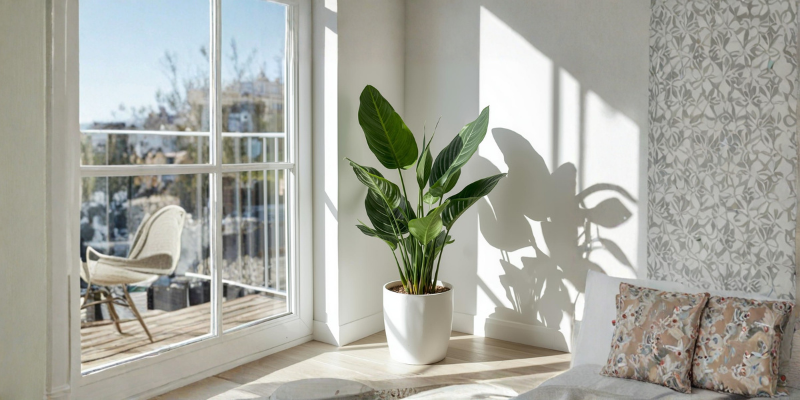
The Alocasia Zebrina’s bold look makes it great for styling. I like to put mine in big ceramic pots in the corners of my living room to make a tropical nook. It makes shelves and side tables taller when placed on plant stands, and it goes well with modern decor. Put it with other aroids in a bathroom that is humid for a spa-like look. Use it as a natural divider in open-plan areas. The Alocasia Zebrina is a great decoration because its zebra stems stand out against neutral walls.
How to Get Bigger Leaves and Faster Growth
After years of trying different things, these are my best tips for making your Alocasia Zebrina grow faster. In the cooler months, use bottom heat mats to help the roots grow and the leaves get bigger. Add charcoal to the soil mix to help it drain better and clean it out. To get even light on the plant, turn it every week. A diluted fertilizer misted on the leaves during growth spurts makes them look brighter. And don’t forget to wipe the leaves with a damp cloth to get the most out of photosynthesis. These tips have helped my Alocasia Zebrina grow leaves that are more than a foot long.
Ways to spread (division and corm offsets)
It’s easy and fun to propagate Alocasia Zebrina. To divide, when you repot, carefully pull apart the rhizomes with offsets so that each one has roots and a leaf. Put the plants in a new mix and keep them moist until they are established. To get corm offsets, carefully take off the bulb-like structures at the base, let them dry for a day, and then plant them in moist soil. Put it in a warm, indirect light and cover it lightly. At first, only water a little. This is how I’ve grown my collection, and new plants usually take 4 to 6 weeks to root if you are patient.
In short, the Alocasia Zebrina is a simple but striking plant that can be added to any indoor garden. It has a bold look and is easy to care for. It will do well and add a tropical touch to your space for years to come if you set it up right.
Questions and Answers
1. How often do I need to repot my Alocasia Zebrina?
Every one to two years, you should repot your Alocasia Zebrina to keep it healthy. This is especially important if the roots fill the pot or poke through the drainage holes. I do it in the spring, and I use a container that is a little bigger so the plant has room to grow without being too much. To keep the nutrients in the soil from running out over time, always handle the rhizomes carefully and refresh the soil.
2. Is Alocasia Zebrina able to live in low light?
The Alocasia Zebrina likes bright, indirect light best, but it can handle medium light for short periods of time. However, growth may slow down and the leaves may lose their shine. I have kept mine in shadier places for a short time by adding LED grow lights, but for best results, they need at least 6 hours of filtered sun every day to keep those beautiful stripes.
3. Why are the leaves on my Alocasia Zebrina turning brown?
If the leaves on your Alocasia Zebrina are brown, it could be because you didn’t water it enough, the humidity was too low, or the fertilizer burned it. Cut off the parts that are affected and change how you care for them by increasing the amount of water and making sure they get it evenly. In my setups, keeping the humidity above 60% all the time has helped to keep this from happening, which keeps the plant from getting stressed.
4. Is Alocasia Zebrina bad for pets?
Yes, the Alocasia Zebrina has calcium oxalate crystals in it that can irritate pets if they eat them, making their mouths swell or their stomachs upset. I keep mine out of reach of cats and dogs by putting them on high stands and watching for any signs of nibbling to make sure they are safe.
5. How can I make my Alocasia Zebrina’s home more humid?
Put your Alocasia Zebrina with other plants, use a pebble tray with water, or run a humidifier nearby to raise the humidity around it. I’ve also misted in the mornings during dry seasons, which helps without making mold grow if the air flows well.
6. What kind of fertilizer is best for Alocasia Zebrina?
During the growth months, a balanced liquid fertilizer with equal NPK ratios that has been diluted to half strength works wonders for the Alocasia Zebrina. Sometimes I switch to organic compost teas to give my plants a natural boost. I do this once a month to help the leaves stay strong without overfeeding them.
7. Can I plant Alocasia Zebrina outside?
In warm climates (zones 9–11), the Alocasia Zebrina can grow outside in shady areas where it is protected from frost and direct sunlight. I’ve put it in pots on patios in the summer and brought it inside for the winter, making sure it gets the same warm, humid care as it does inside.
8. How long does it take for an Alocasia Zebrina to grow up?With the right care, the Alocasia Zebrina will grow to its full size in 2 to 3 years. Its leaves will get bigger and its stems will get taller. Patience pays off—mine started out small, but once the right conditions were set, it grew very quickly.