In This Article
Hey, plant lovers! If you’ve ever walked into a room and stopped in your tracks because of a plant with huge, shiny leaves that scream “tropical paradise,” you’ve probably seen an Alocasia Wentii. Over the past 15 years, I’ve cared for these beautiful plants in my home and greenhouse, and I’ve fallen in love with their dramatic style. The big, arrow-shaped leaves with the bright purple underside make Alocasia Wentii a real showstopper. It brings a piece of the jungle right into your home. Taking care of Alocasia Wentii can be very rewarding, whether you’re a beginner just starting to learn about aroids or an experienced grower like me. This plant isn’t the easiest to care for, but if you know what you’re doing, it will grow and become the focal point of your indoor oasis. This guide will tell you everything I’ve learned from trial and error so you can skip the headaches and enjoy those bright, green leaves all year long.
To kick things off, here’s a quick overview of Alocasia Wentii’s key details in a handy table. I’ve put this together based on what I’ve observed with my own plants over the years.
Field | Details |
Botanical Name | Alocasia wentii |
Common Name | New Guinea Shield, Hardy Elephant Ear |
Plant Type | Tropical perennial aroid |
Mature Size | 3-5 feet tall and wide indoors, with leaves up to 2 feet long |
Leaf Color & Texture | Dark green tops with metallic sheen, deep purple undersides; glossy and leathery |
Light Requirement | Bright, indirect light; avoid direct sun |
Soil Type | Well-draining, airy aroid mix with perlite, bark, and peat |
Water Needs | Moderate; keep soil evenly moist but never soggy |
Humidity Requirement | High, 60-80%; misting or humidifiers essential |
Maintenance Level | Moderate to high; requires consistent attention to humidity and watering |
What is Alocasia Wentii?

Alocasia Wentii comes from the hot, humid rainforests of New Guinea and parts of Southeast Asia, where it grows as an understory plant in shady, wet areas. In the wild, these guys can be huge, but indoors, they are easier to handle while still having a lot of foliage. The amazing leaves of Alocasia Wentii are what make it stand out. They are wide and heart-shaped, with a shiny green surface that looks like it has been polished, and a purple color on the other side. I have one in my greenhouse that I’ve had for ten years, and every time a new leaf comes out, it’s like getting a present. The petioles are strong and straight, which gives the plant a sculptural look that works well in modern homes. Alocasia Wentii is a little more forgiving than some picky Alocasias if you get the basics right, but it still needs that tropical feel to really shine.
Why should you grow Alocasia Wentii inside?
Alocasia Wentii is a great way to bring a little bit of the tropics into your home. To start, it looks great—those big leaves add instant drama and texture to any room, which is why both interior designers and plant lovers love it. I’ve found that putting an Alocasia Wentii in a corner can turn a boring room into a beautiful retreat. Alocasia Wentii is known for more than just its looks. Like many aroids, it helps clean the air by filtering out toxins. This is a great feature for stuffy city apartments. It’s also a great conversation starter plant; people always ask about mine! Taking care of Alocasia Wentii indoors also makes you feel better; it feels good to do, and seeing those huge leaves grow gives you a sense of accomplishment. If you like rare plants, Alocasia Wentii will fit right in with your Monsteras or Philodendrons. It will give your collection that jungle look without taking up a lot of space.
Seasonal Care Calendar
Caring for Alocasia Wentii isn’t one-size-fits-all; it changes with the seasons. Based on how my plants behave year-round, I’ve created this seasonal care calendar to keep things straightforward. It’s a table that outlines key tasks for each time of year, helping you stay on top of what your Alocasia Wentii needs.
Season | Key Care Tasks |
Spring | Ramp up watering as growth resumes; fertilize every 4-6 weeks; check for pests; repot if needed; increase humidity with daily misting. |
Summer | Water more frequently to keep soil moist; provide extra humidity via pebble trays; fertilize bi-weekly; prune dead leaves; ensure good airflow to prevent fungal issues. |
Fall | Reduce watering as growth slows; cut back fertilizer to monthly; monitor for cooler drafts; boost indoor humidity if heating dries the air. |
Winter | Water sparingly, only when top soil is dry; no fertilizing; maintain high humidity with humidifiers; keep away from cold windows; watch for dormancy signs like yellowing leaves. |
How To Plant And Care For Alocasia Wentii
To grow and care for Alocasia Wentii, you need to make its environment as close to its natural one as possible. I’ve raised a lot of these over the years, and the most important thing is to be consistent. Let’s go through it step by step, from getting started to making sure it stays healthy for a long time.
Step 1: Pick the Best Indoor Place
Find the best place for your Alocasia Wentii first. These plants like it warm, so try to keep the room between 65 and 85 degrees Fahrenheit. Living rooms and kitchens that aren’t drafty are good places to put them. I have found that putting my Alocasia Wentii near a window but not right next to it works great because cold glass in the winter can shock the roots. Stay away from places where vents or heaters dry out the air. Instead, choose places where air can move freely to keep moisture from getting trapped. If your home is on the cooler side, you might want to group it with other plants that like humidity to make a microclimate. Alocasia Wentii doesn’t like sudden changes, so once you pick a spot, try to keep it there to keep it calm.
Step 2: Give Bright Indirect Light
Alocasia Wentii’s leaves are bright and colorful, but direct sunlight will burn them faster than you can say “leaf burn.” I put them in my greenhouse under sheer curtains or grow lights to make the light look like it does in a rainforest. Windows that face east or north are best for indoors because they let in bright but filtered light. If your room is darker, add LED grow lights that turn on and off every 12 hours. I’ve used them in cloudy winters and seen my Alocasia Wentii perk up a lot. To make sure the plant grows evenly, turn it every few weeks. If the leaves are pale, that means it doesn’t get enough light, and if the edges are crispy, that means it gets too much light. If you do this right, you’ll get those big, healthy fronds.
Step 3: Make a mix of aroid soil that is light and drains well.
Soil is the most important thing for a happy Alocasia Wentii, and I’ve learned the hard way that heavy garden dirt doesn’t work. To make your own aroid mix, start with equal parts peat moss or coco coir to hold moisture, then add perlite and orchid bark to help with drainage and air flow. To keep things fresh and stop root rot, I sometimes add a handful of charcoal. The goal is to make a mix that is loose and chunky enough to hold water without getting soggy. To test it, squeeze a handful; it should break apart easily. I refresh the top layer of my mature Alocasia Wentii every year to keep it feeling light and airy. This setup is like the forest floor where Alocasia Wentii grows best, so the roots can get oxygen and stay healthy.
Step 4: Putting the Alocasia Wentii in the ground or in a new pot
Choose a pot that is 1 to 2 inches wider than the one you have now, and make sure it has a lot of drainage holes. The best time to plant or repot your Alocasia Wentii is in the spring. Carefully take the plant out of its old pot, shake off any extra dirt, and check the roots for any mushy spots. Use clean shears to cut those off. Put a layer of your aroid mix at the bottom, then set the rhizome so that it is level with the soil surface. Fill in around it, pressing down lightly to get rid of air pockets. Give it a good watering, but let it drain completely. I’ve done this to a lot of Alocasia Wentii plants, and they come back quickly if you are careful with the roots. If you start with a bulb, plant it in the ground and keep the soil warm so it can sprout.
Step 5: Watering without giving too much water
You have to be careful when watering Alocasia Wentii. If you give it too much water, it will rot, and if you give it too little, the leaves will droop. I check the top 1–2 inches of soil. If it’s dry, I water it deeply until water runs out the bottom, and then I empty the saucer. In the summer, this could be every 5 to 7 days, but in the winter, it should be less often. To avoid shocking the plant, always use room-temperature water and lean toward the drier side. My Alocasia Wentii in humid areas don’t need to be watered as often, but those in dry areas dry out more quickly. Put your finger in the dirt every now and then to get a feel for it. This will keep most problems from happening.
Step 6: Keeping the Right Amount of Humidity
Alocasia Wentii needs a lot of humidity—60 to 80% is best—to keep the leaves from getting brown tips and to keep them crisp. I put pebble trays filled with water under the pots in my house. The water evaporates, making the area humid without getting the roots wet. Putting plants together is helpful, or you could buy a humidifier to keep the levels steady. A fine mist from a spray bottle every day will do in a pinch, but don’t wet the leaves at night to avoid fungal spots. In the winter, when it’s dry, I’ve even moved my Alocasia Wentii to the bathroom so it can get steam from showers. Use a hygrometer to keep an eye on things and make changes as needed to get that tropical look.
Step 7: During growth, feed and fertilize
In the spring and summer, when Alocasia Wentii is growing quickly, fertilize it to help those big leaves grow. I use a balanced, water-soluble fertilizer that is only half as strong as it should be every four to six weeks. A 20-20-20 mix is an example. Organic options like worm castings or fish emulsion also work well. I use them as a top dressing for slow release. Don’t feed the plant in the fall and winter when it is sleeping. Flushing the soil with plain water once a month can help prevent salt buildup from too much fertilizer. In my greenhouse, Alocasia Wentii that get enough food grow leaves that are twice as big. But always look for signs like yellowing from too many nutrients.
Step 8: Taking care of pests, diseases, and leaf problems
Alocasia Wentii can get pests like spider mites or aphids when the weather is dry. If I find any, I check the undersides every week and wipe the leaves with a neem oil solution. Root rot from too much water is a common disease. Good drainage can help stop it. Fungal problems show up as spots. To fix them, let more air in and lower the humidity a little. To stop the spread, cut off the affected leaves with sterilized tools. In my years of growing, I’ve saved a lot of Alocasia Wentii by finding small pests early. A magnifying glass helps me see them before they spread.

Step 9: Caring for and maintaining your Alocasia Wentii for a long time
Cut off the yellow or damaged leaves at the base to promote new growth and keep the plant alive. As it gets bigger, repot it every one to two years. In the winter, Alocasia Wentii will slow down, which is normal. Wipe the leaves with a wet cloth once a month to get rid of dust and help photosynthesis. The oldest Alocasia Wentii in my collection is doing well because I change up how I care for it every season. These plants can live for years if you pay attention to them all the time.
Problems and Solutions That Happen a Lot
Alocasia Wentii can still have problems, even with the best care. If the leaves turn yellow, it could mean that the plant is getting too much water or that the soil doesn’t drain well. Let the soil dry out more and check the roots. If your plants are drooping, it could be because they are not getting enough water or the air is too dry. Slowly add more water. When roots rot, the stems become mushy. Trim the bad roots and repot in fresh mix. Mealybugs and other pests leave behind sticky residue. To get rid of them, isolate them and use insecticidal soap. If the leaves are getting burned by the sun, move them to a shadier spot. Based on what I’ve seen, most problems come from things not matching up with the environment, so change one thing at a time.
Things beginners should not do
People who are new to gardening often water too much. Alocasia Wentii, which causes rot—remember, moist but not soggy. Don’t forget to mist because low humidity makes the edges crispy. Direct sunlight can quickly burn leaves, so block it. Roots can’t breathe in heavy soil that doesn’t drain well. Always use a mix that lets air in. I’ve seen people ignore dormancy and keep fertilizing in the winter, which kills the plant. Don’t move it around too much because Alocasia Wentii doesn’t like stress. Take it slow and pay attention to what your plant is telling you.
Ideas for how to style and place indoor decor
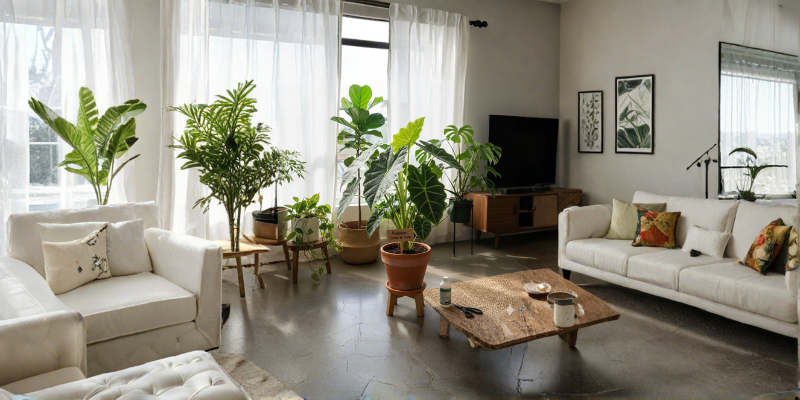
Alocasia Wentii looks great in decor. Put it in a tall, ceramic pot in the corners of the living room to add height and drama. Use rattan furniture to make a tropical look. Put them on stands near windows in bedrooms to make them feel calm. I put string lights around the base of mine for the evenings. Put ferns or pothos together to make a mini jungle. Use hanging shelves in small spaces, but make sure they are stable. The bold leaves go well with both minimalist and boho styles.
How to Get Bigger Leaves and Faster Growth from Experts
To get big leaves on Alocasia Wentii, keep the temperature above 75°F during growth. Potassium can be found in banana peels that are in the ground. Adding LECA balls to the mix has helped the plants grow faster by letting more air in. Cut off the offsets early to give the main plant more energy. Try watering from the bottom to help roots grow deep. A fan in my greenhouse blows a gentle breeze that makes the stems stronger. Being patient pays off: regular care will give you those amazing fronds.
Ways to propagate (Dividing and Offsetting)
It is easy to propagate Alocasia Wentii by dividing it or taking offsets. To divide, use a sharp knife to carefully cut apart the rhizome clumps when you repot them. Make sure that each one has roots and a growth point. Put the plants in a new mix and keep them moist. Offsets are little plants at the base. Wait until they are 6 inches tall, then cut them off and put them in their own pots. At first, don’t water too much and keep it warm. I’ve grown dozens this way, and it works well as long as you make clean cuts and are patient.
To sum up, Alocasia Wentii is a great plant that adds a lot of tropical energy to any home, but it needs special care to make sure it gets the right amount of light, water, and humidity. If you stick with it, you’ll have a beautiful friend for years.
FAQs –
1. How often should I move my Alocasia Wentii to a new pot?
Every one to two years, you should repot Alocasia Wentii to keep it healthy, especially if the roots are circling the pot. Pick spring for this, and use a container that’s a little bigger so the plant doesn’t get too big. I’ve learned that refreshing the soil stops nutrients from running out and gives roots room to grow, which makes plants grow faster without the shock of too many changes.
2. Can Alocasia Wentii live in places with little light?
Alocasia Wentii likes bright, indirect light best, but it can live in lower light for a short time. Just know that it will grow more slowly and have smaller leaves. If you need to, use grow lights to help. I’ve used full-spectrum bulbs in my dimmer rooms to make it look like sunlight. This keeps the stems from getting too long and keeps the leaves bright.
3. What makes the tips of Alocasia Wentii leaves turn brown?
Low humidity or fluoride in tap water are two common causes of brown tips on Alocasia Wentii. Use a humidifier to add moisture and filtered water to the mix. Cutting the tips helps the look, but fixing the problem at its source is the most important thing. I switched to rainwater for mine and saw a big difference.
4. Is Alocasia Wentii bad for pets?
Yes, Alocasia Wentii has calcium oxalates in it that can make pets’ mouths hurt if they chew on it. Keep it out of reach or choose pet-safe options instead. My cats don’t pay attention to it when it’s high up, but I always keep an eye on animals that are curious.
5. How can I get my Alocasia Wentii to grow more leaves?
To get Alocasia Wentii to grow more leaves, make sure it gets regular fertilizer and high humidity during the growing season. Cut back on old leaves to move energy around. I’ve seen that mine grow faster when I give them a monthly seaweed extract boost, which makes them healthier overall.
6. What is the best temperature range for Alocasia Wentii?
Alocasia Wentii likes temperatures between 65 and 85 degrees Fahrenheit. If it gets below 60 degrees, it can go dormant or get hurt. Stay away from cold drafts. In the winter, when it’s colder, I’ve used heat mats under pots to keep the plants warm and healthy.
7. Is it possible to grow Alocasia Wentii outside?
Alocasia Wentii can grow outside in shady, humid areas in zones 9–11. Keep safe from frost. Most people are safer indoors, but I moved mine to patios in the summer to help them grow faster, and then brought them back inside before the weather got cool.
8. What should I do about spider mites on Alocasia Wentii?
Webbing and stippling are signs of spider mites on Alocasia Wentii. Neem oil should be applied to the leaves once a week after rinsing them. Make the air more humid to keep them away. I’ve fought these pests by separating the plants that were affected and using predatory mites in my greenhouse to control them naturally.