
In This Article
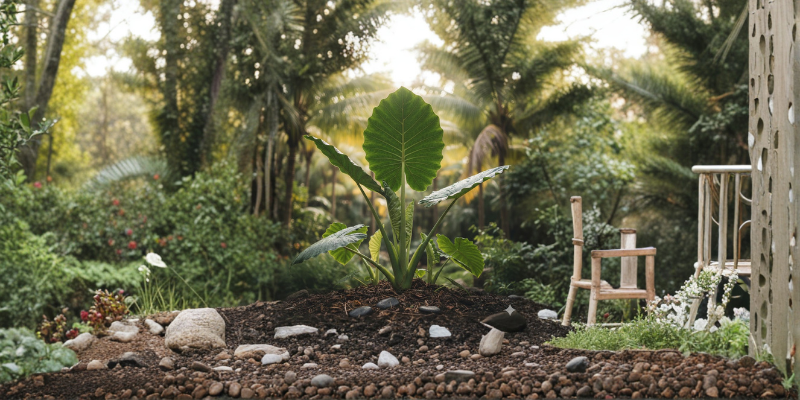
I’ve always been drawn to big, bold houseplants that make a real statement, and Alocasia odora is one of my absolute favorites. There’s something magical about those massive, glossy leaves that look like they’re straight out of a tropical jungle. I remember the first time I brought one home—it was just a small starter plant, but within a couple of years, it had grown into this towering beauty with leaves bigger than dinner plates. Alocasia odora, sometimes called the upright elephant ear or night-scented lily, has these heart-shaped, upright leaves that can get huge, often reaching a foot or two across when the plant is happy. It grows pretty quickly too, especially if you give it the right conditions, shooting up new leaves regularly during the warmer months.
What I love most about alocasia odora is how versatile it is. Indoors, it adds that lush, exotic vibe to a living room or bright corner, and outdoors in warmer climates, it can become a stunning focal point in a shaded garden bed or patio container. It’s not the fussiest plant out there, but like any tropical beauty, alocasia odora involves mimicking its natural humid, warm habitat. If you’re new to growing these, don’t worry—I’ve made plenty of mistakes along the way, like overwatering or placing one in too much direct sun, and learned what really works. With a bit of attention, your alocasia odora will thrive and reward you with those impressive leaves.
Detail | Information |
Common Name | Night-scented lily, upright elephant ear, giant taro |
Botanical Name | Alocasia odora |
Family | Araceae |
Plant Type | Evergreen rhizomatous perennial |
Mature Size | 6–8 feet tall outdoors, 4–6 feet indoors; leaves up to 2 feet long |
Sun Exposure | Bright indirect light indoors; partial to full shade outdoors |
Soil Type | Rich, loose, well-draining mix with organic matter |
Soil pH | Slightly acidic (5.5–6.5) |
Bloom Time | Late spring to summer (rare indoors) |
Flower Color | Pale green to peach spathe, fragrant at night |
Hardiness Zones | 9–11 (grow as houseplant or annual elsewhere) |
Native Area | East and Southeast Asia |
Toxicity | Toxic to pets and humans if ingested |
Alocasia odora really shines with its foliage, so even if you never see the flowers, it’s worth growing. Just be careful around kids and pets—the sap can irritate skin too.
Grow and Care for Alocasia Odora (Season-Wise Care)
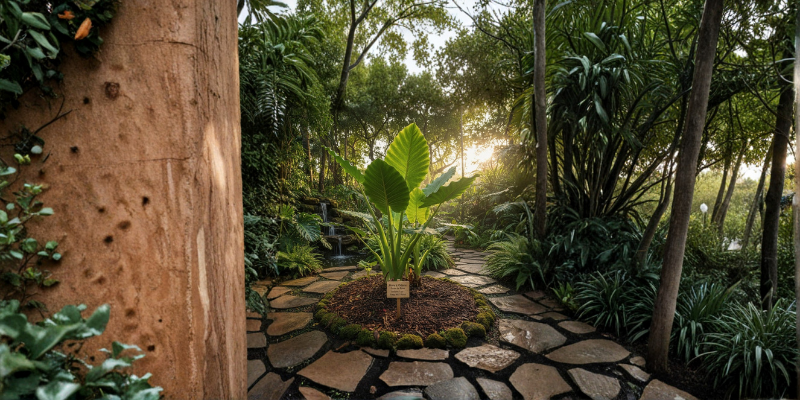
Taking care of alocasia odora isn’t complicated once you understand its needs change with the seasons. I’ve grown mine both inside and out, and adjusting alocasia odora throughout the year makes all the difference in keeping those leaves big and healthy.
Winter Care for Alocasia Odora
Winter is when alocasia odora slows down, sometimes going semi-dormant. In my experience, the leaves might yellow or drop a bit—don’t panic, it’s normal. Cut back on watering a lot; let the top few inches of soil dry out completely before giving it a drink. I usually water mine once every two to three weeks in winter. Keep it away from cold drafts or heaters, aiming for temperatures above 60°F. If it’s near a window, pull it back a little since shorter days mean less light. A grow light helps if your home is dim. Fertilizing? Skip it until spring.
Summer Care for Alocasia Odora
This is when alocasia odora explodes with growth! Mine puts out new leaves every few weeks in summer. Water more often to keep the soil evenly moist but not soggy—check the top inch weekly. Bright indirect light is key; a few hours of morning sun is fine, but afternoon rays can scorch those big leaves. Feed it every couple of weeks with a diluted balanced fertilizer to fuel all that new growth. Humidity is crucial too—aim for 60% or higher. I run a humidifier nearby on dry days.
Monsoon / Rainy Season Care
In humid, rainy periods, alocasia odora loves the extra moisture in the air, but watch for overwatering if it’s outdoors. Good drainage is essential to prevent root rot. If rains are heavy, move potted ones under cover to avoid waterlogging. Indoors, rainy seasons often mean lower light, so boost humidity with misting or a pebble tray. Check for fungal issues more often, as damp conditions can encourage them. Ventilation helps— a gentle fan prevents stagnant air around the leaves.
Indoor Care for Alocasia Odora
Indoors is where most of us grow alocasia odora, and it’s perfect as a statement plant. Place it in a spot with plenty of bright, filtered light—an east-facing window works great for me. Use a chunky, airy potting mix (I add perlite and orchid bark to regular soil) in a pot with drainage holes. Water when the top 2–3 inches dry out, and wipe the leaves regularly to keep them dust-free and shiny. Boost humidity with grouping plants or a humidifier, especially in heated homes.
Outdoor Care for Alocasia Odora
In zones 9–11, alocasia odora can live outdoors year-round in dappled shade. Plant in rich, amended soil and mulch around the base. Water deeply during dry spells, and fertilize monthly in growing season. If you’re in a cooler area, treat it as a summer patio plant and bring it in before frost. Outdoors, it gets even bigger—mine reached nearly 8 feet one summer!
Types of Alocasia Odora / Related Varieties
Alocasia odora is classic, but there are some fun variations and close relatives that get mixed up with it or compared often.
Alocasia odora Variegata (or Batik)
This one has beautiful creamy-white splashes on the leaves. It’s a bit slower growing and needs even brighter light to keep the variegation strong.
Alocasia macrorrhizos (Giant Taro)
Often confused with odora, but macrorrhizos has even larger leaves and a bigger overall size. It’s more robust outdoors.
Alocasia macrorrhizos (Giant Taro)
Often confused with odora, but macrorrhizos has even larger leaves and a bigger overall size. It’s more robust outdoors.
Pruning Alocasia Odora
Pruning alocasia odora is straightforward and mostly about maintenance. Do it when you spot yellow, damaged, or dead leaves—usually at the base. Use clean, sharp scissors or pruners and cut the stem close to the soil. I prune in spring or summer when the plant is growing actively; it bounces back faster then. Common mistakes? Over-pruning healthy leaves (it only supports a few at a time) or using dirty tools, which can spread disease. Just remove what’s needed to keep air flowing and the plant looking tidy.
Propagating Alocasia Zebrina
The easiest way I’ve propagated alocasia odora is by dividing the rhizomes or offsets—it’s reliable and gives quick results.
Here’s how I do it step by step:
- Wait until spring or early summer when the plant is growing.
- Gently remove the whole plant from its pot and shake off excess soil.
- Look for offsets or separate sections of the rhizome, each with roots and at least one growth point.
- Use a clean knife to cut if needed, but many pull apart easily.
- Pot each division in fresh, well-draining mix, burying the rhizome just below the surface.
- Water lightly and place in bright indirect light with high humidity.
- Keep soil moist but not wet—new growth usually shows in a few weeks.
I’ve gotten several new plants this way without much fuss.
Overwintering Alocasia Odora
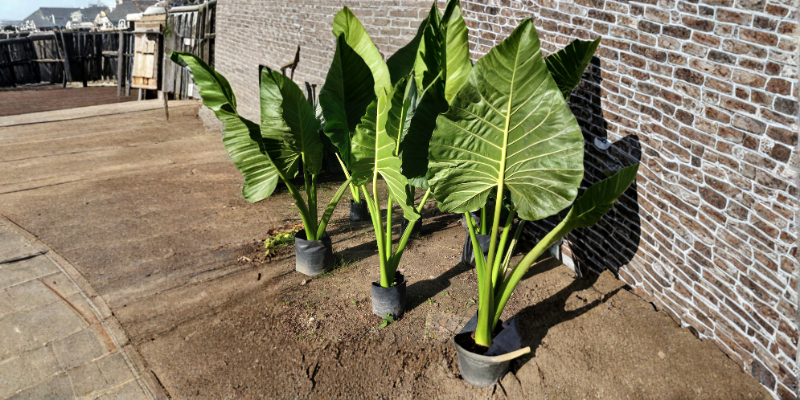
In colder areas, overwintering is key for alocasia odora survival. Indoors, just reduce water and keep it warm. Outdoors, dig up the rhizomes before frost, brush off soil, and store in a cool, dry spot (around 50–60°F) in peat or paper bags. For potted ones, bring inside to a bright room. If it drops leaves, that’s okay—it’ll regrow in spring. Mulch heavily if leaving in ground in marginal zones.
Common Pests & Plant Diseases
Alocasia odora can attract a few pests, especially indoors.
- Spider mites: Tiny webs and stippled leaves. Rinse with water or use insecticidal soap weekly.
- Mealybugs and aphids: Cottony spots or sticky residue. Wipe with alcohol or neem oil.
- Scale: Hard bumps on stems. Scrape off and treat with oil.
Diseases like root rot (from overwatering—yellow leaves, mushy base) or leaf spot (brown patches) are common. Prevent with good airflow and proper watering.
How to Keep Alocasia Odora Healthy & Thriving
For those massive leaves, consistency is everything in alocasia odora care. Water when the top soil dries, but never let it go bone dry. High humidity keeps edges crisp—mine thrives near a bathroom or with daily misting. Fertilize lightly during growth with a balanced houseplant food. Repot every 1–2 years into a slightly larger pot with fresh mix. Good light without scorching, and wiping leaves clean, helps too. Patience during slower periods pays off with stunning growth.
FAQs –
1. How often should I water my alocasia odora?
Keep soil moist but not soggy—water when the top 2–3 inches feel dry, usually weekly in summer, less in winter.
2. Why are the leaves on my odora turning yellow?
Often overwatering or normal old leaf die-off. Check roots for rot and adjust watering.
3. Is odora toxic?
Yes, to pets and people if eaten—keep out of reach.
4. Can grow outdoors?
Yes, in zones 9–11, or as a summer plant elsewhere.
5. How big does odora get?
Up to 8 feet tall with 2-foot leaves in ideal conditions.
6. Does odora need high humidity?
Absolutely—60%+ is best for healthy leaves.