In This Article
Hello, other plant lovers! If you’ve ever fallen in love with a small houseplant that packs a big punch, let me introduce you to one of my all-time favorites: the Alocasia Maharani. This lovely plant has a place in my indoor jungle because its leaves are so thick and textured that they remind me of dragon scales. They are tough, almost leathery, and have a subtle silver sheen that catches the light just right. It’s also small, which is great for people like me who want a lot of plants but don’t have a lot of space. I’ve grown a lot of Alocasia Maharani plants over the years. I’ve watched them grow well in my home and even given some to friends. Taking care of this rare aroid is so rewarding. It doesn’t grow very quickly, but when those new leaves open up, it’s like magic. This guide will show you everything I’ve learned from doing it myself, from planting your first Alocasia Maharani to keeping it happy for years.
To kick things off, here’s a quick overview of the key details about Alocasia Maharani in a handy table format. I’ve pulled this together based on what I’ve observed in my own collection.
Field | Details |
Botanical Name | Alocasia hybrid (often referred to as Alocasia ‘Maharani’) |
Common Name | Maharani Alocasia, Grey Dragon Alocasia |
Plant Type | Tropical perennial aroid |
Mature Size | 12-18 inches tall and wide, compact rhizomatous growth |
Leaf Texture & Color | Thick, leathery, dragon-scale textured; dark green with silver veins |
Light Requirement | Bright indirect or filtered light |
Soil Type | Well-draining aroid mix with perlite, bark, and peat |
Water Needs | Moderate; keep soil evenly moist but not soggy |
Humidity Requirement | High (60-80%); benefits from misting or humidifiers |
Maintenance Level | Moderate; attentive to humidity and watering |
What is Alocasia Maharani?

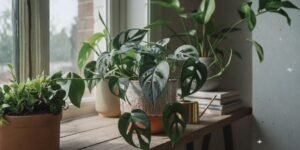
Alocasia Maharani is a beautiful hybrid in the Alocasia family that comes from the tropical rainforests of Southeast Asia. Based on what I’ve learned from growing different types of Alocasias, this one looks like a cross between Alocasia reginula or maybe some dragon-scale types. It was bred for its unique leaves and small size. Alocasia Maharani is small and rarely grows taller than a foot and a half, unlike some of its bigger relatives that can tower over you. The leaves are what make it different; they’re not the usual smooth, shiny ones. Instead, they have a rough, textured surface that feels like embossed leather. When the light hits them just right, the veins stand out and give off a metallic silver glow. I’ve seen that the plant grows from a rhizome and makes offsets over time, which makes it a collector’s dream for propagation. An Alocasia Maharani is not as common as a regular pothos, so getting one feels like adding a rare gem to your indoor oasis.
Why Should You Grow Alocasia Maharani Inside?
So, why bother with Alocasia Maharani when there are plants that are easier to care for? First of all, its small size is a big deal for people who live in apartments or other small spaces. I put mine in corners where bigger plants would be too much, and those big leaves still make a strong statement. The leaves alone are worth it; the dragon-scale texture gives any room a tropical look, turning a simple shelf into a tropical display. Also, Alocasia Maharani is a valuable collector’s item; I’ve seen fans trade offsets like they’re valuable artifacts. Aside from looking nice, it’s great for cleaning the air inside your home by drawing in toxins while you enjoy its presence. And let’s be honest: how satisfying is it to get a new leaf to grow on your Alocasia Maharani after months of careful care? It makes you want more. If you like rare aroids, you need this one. It will reward your hard work with strength and beauty.
Seasonal Care Calendar
Caring for Alocasia Maharani shifts with the seasons, just like our own routines. Based on how mine have performed over the years, I’ve put together this seasonal care calendar in table form to keep things straightforward. It outlines key tasks to help your plant thrive year-round.
Season | Key Care Tasks |
Spring | Resume fertilizing every 4-6 weeks; check for new growth and repot if needed; increase watering as days lengthen; monitor for pests as humidity rises. |
Summer | Water more frequently to keep soil moist; provide extra humidity with daily misting; fertilize monthly; ensure good airflow to prevent fungal issues; prune any damaged leaves. |
Fall | Reduce watering as growth slows; cut back on fertilizer; prepare for dormancy by moving to warmer spots if temperatures drop; inspect roots if repotting. |
Winter | Minimal watering – let top soil dry out; no fertilizing; boost humidity with pebble trays; avoid cold drafts; watch for spider mites in dry indoor air. |
How To Plant And Care For Alocasia Maharani
Now, let’s get to the point: how to plant and take care of Alocasia Maharani. Based on what I’ve learned from trying things out, I’ve broken this down into easy-to-follow steps. If you follow these tips, you can avoid common mistakes and enjoy a healthy Alocasia Maharani, whether you’re starting with a new plant or taking care of one that’s already grown.
Step 1: Find the best place inside
Choosing the right place for your Alocasia Maharani is the first step to making it work. I’ve found that windows that face east or north are great because they let in soft morning light without the harsh afternoon light. Don’t put it too close to air vents or doors that let in drafts, because this plant hates sudden changes in temperature. I keep my Alocasia Maharani on a shelf in my house that is 3 to 4 feet from the window. It gets that soft glow all day long. Also, think about the humidity. If they’re bright enough, bathrooms or kitchens can be great places for it to live because they remind it of the steamy tropical weather it loves. Putting your plants together in a group makes a mini microclimate that naturally raises the moisture levels in your space.
Step 2: Give Bright Indirect or Filtered Light
Alocasia Maharani’s leaves are bright and colorful, but they need the right amount of light. In the past, I burned a few leaves by putting them in direct sunlight. Now, only bright indirect light, like sheer curtains that block the rays. Try to get 6 to 8 hours of light every day. If your room is dark, use grow lights that are set to turn on and off automatically. During the shorter days of winter, my Alocasia Maharani does best under LED full-spectrum bulbs. This keeps the dragon-scale leaves from fading. To make sure the plant grows evenly, turn the pot every few weeks. If you see leggy stems, that means the plant is reaching for more light. It will sulk if you don’t give it enough, and if you give it too much, the edges will burn.
Step 3: Use a soil mix for aroids that is light and drains well.
To keep the roots from getting problems, the soil for Alocasia Maharani needs to be light and airy. I make my own mix by combining equal parts potting soil, perlite, and orchid bark, and adding a handful of charcoal for better drainage. This lets air into the roots, just like in their natural home. Don’t use heavy garden soil or anything that compacts; I’ve lost plants because of that. You can test the mix with a simple kit to make sure it is slightly acidic, with a pH of 5.5 to 6.5. This setup lets water flow through quickly while keeping enough moisture for the thick roots of my Alocasia Maharani.
Step 4: Putting the plants in the right pot or planting them
It’s important to be gentle with your Alocasia Maharani when you plant or repot it so you don’t shock the rhizome. When growth starts in the spring, I usually do this. Pick a pot that is 1 to 2 inches wider than the one you have now and has holes for drainage. Terracotta is great for soaking up extra water. Put your aroid mix in the bottom, put the plant in so that the rhizome is level with the soil, and then firm the soil around it without packing it down. After planting, give the plants a light watering to help them settle in. If you want to repot an Alocasia Maharani that is already growing, gently pull apart any roots that are stuck together and take out the old soil. This will make the plant look new and help it grow new offsets.
Step 5: Watering but not too much
It takes skill to water Alocasia Maharani. If you give it too much water, it will rot, and if you don’t give it enough, the leaves will become crispy. I check the top inch of soil. If it’s dry, I water it well until it drains out the bottom, and then I empty the saucer. That could happen every 7 to 10 days in the summer, but less often in the winter. To avoid shocking the roots, use water that is at room temperature. Always err on the drier side. My secret? Pick up the pot. If it’s light, it needs a drink. To keep your Alocasia Maharani healthy, make sure it gets enough moisture without getting soggy.
Step 6: Keeping the temperature warm and the humidity high
Alocasia Maharani likes it warm, between 65 and 80 degrees Fahrenheit (18 and 27 degrees Celsius), so don’t put it near cold windows in the winter. When it gets below 60°F, mine starts to droop, so a heat mat helps. Humidity is also important; it should be between 60 and 80%. I mist every day or use a humidifier. If I need to, I can use pebble trays with water. When you put tropical plants together, they get more moisture. In my setup, this has kept the annoying brown tips off the leaves of my Alocasia Maharani.
Step 7: Giving Food and Fertilizer While the Plant is Growing
Fertilize your Alocasia Maharani only when you need to and in a smart way. I use a balanced, diluted liquid fertilizer (like 20-20-20) every 4 to 6 weeks in the spring and summer. Half-strength is enough to keep from burning. Don’t do it in the fall and winter when growth slows down. Worm castings mixed into the soil are an organic option that releases nutrients slowly. This method has made the leaves on my Alocasia Maharani thicker. Always fertilize when the soil is wet to keep the roots safe.
Step 8: Taking care of pests, diseases, and problems with leaves
Alocasia Maharani can get pests without warning, especially in dry air. To get rid of spider mites, I’ve been wiping the leaves with neem oil once a week. To treat fungal spots and other diseases, let more air in and water less. If the leaves are turning yellow, it could mean that you are watering too much. Check the roots for rot and cut off any parts that are affected. In my experience, a healthy Alocasia Maharani can avoid most problems with regular inspections and other preventive care.

Step 9: Taking care of and maintaining your Alocasia Maharani for a long time
To keep your Alocasia Maharani neat over time, cut off the dead leaves at the base. As it grows, repot it every one to two years and split offshoots to make new plants. Check for dormancy in the winter; it’s normal for growth to stop. With regular care, my oldest Alocasia Maharani has been strong for more than five years and gives me offsets every year.
Common Issues and Their Fixes
Even when you mean well, Alocasia Maharani can cause problems. If your leaves are yellow, it could be because you’re watering too much or the drainage isn’t good. To fix this, let the soil dry out more and repot if necessary. If your plants are drooping, it could be because they are too cold or not getting enough water. Warm them up and water them evenly. Brown tips mean the air is too dry. To fix this, mist more or use a humidifier. Soggy soil can kill plants by causing root rot. To save them, cut off the rotten roots and plant them in new soil. Do you have bugs like aphids or mealybugs? Separate, wash with soap and water, and then use insecticidal soap. Catching these early has saved a lot of Alocasia Maharani in my grows.
Things beginners should not do
If you’re new to Alocasia Maharani, don’t make the same mistakes I did. The biggest problem is overwatering, so always check the soil first. Don’t skip the misting because low humidity makes the edges sad and crispy. The leaves with texture get burned quickly by direct sunlight. Heavy, compact soil traps water and makes things rot. And what about cold drafts? They shock the plant into going down. Your Alocasia Maharani will thrive if you learn from my early mistakes.
Ideas for how to style and place indoor decor
The small size of Alocasia Maharani makes it a good choice for decorating. I like to put mine on floating shelves to give the room a jungle feel, or on desks where its leaves add texture without being too much. Put it on a windowsill next to a sleek ceramic pot in a small space. Put statement pieces with other aroids in a corner stand to make a statement. The silver-veined leaves look great with wood tones or simple setups, making any space a focal point.
Professional Advice for Thicker Leaves and Quicker Growth
After years of experimenting, these are my best tips for keeping Alocasia Maharani strong. Water from the bottom every now and then to help the roots grow deep. Adding a little Epsom salt to fertilizer will give it more magnesium, which will make the leaves thicker. Use a fan to move air around gently, like a breeze, to keep bugs away. If new leaves flop during growth spurts, use stakes to hold them up. And patience is important; this plant grows slowly but gives you more quality than quantity.
Ways to spread (division and corm offsets)
It’s easy and fun to grow Alocasia Maharani. In the spring, carefully take the plant out of its pot and cut the rhizomes apart, making sure that each one has roots and a leaf. Put in a new mix and keep it wet. To get corm offsets, dig up the little bulbs that grow around the base, put them in a pot with moist soil, and put them in bright, indirect light. Water only a little until the roots are strong. This is how I’ve grown my collection, and it works really well in warm, humid environments.
To sum up, Alocasia Maharani may not grow very quickly, but its hardiness and beautiful leaves make every moment worth it. With the right care, it will become a beloved part of your home, giving you the tropical getaway you want.
Questions and Answers
1. How often do I need to put my Alocasia Maharani in a new pot?
If the roots of your Alocasia Maharani are getting too big for the pot, you should repot it every one to two years. In the spring, I do mine in a container that is a little bigger so the plant has room to grow without being too much. Always use new soil to add nutrients, and be careful with the rhizome to avoid putting too much stress on it.
2. Is it possible for Alocasia Maharani to live in low light?
Alocasia Maharani likes bright, indirect light best, but it can also handle moderate low light better than some other aroids. But growth will slow down, and the leaves may lose their color. I’ve used grow lights to help my plants grow in rooms that aren’t as bright. For best results, I keep the lights on for at least 4 to 6 hours a day.
3. What makes Alocasia Maharani leaves have black spots?
A lot of the time, black spots on Alocasia Maharani are caused by bacteria or fungi that get in because the plant is getting too much water or not enough air. Use sterilized scissors to cut away the affected areas, increase airflow, and lower the amount of moisture. I’ve stopped this by making sure that pots drain well and that water doesn’t get on the leaves when I mist them.
4. Is Alocasia Maharani bad for pets?
Yes, Alocasia Maharani has calcium oxalates in it that can bother pets’ mouths if they eat them. Don’t let cats and dogs get to it. I keep mine on high shelves or use barriers in my pet-friendly home, and I watch for signs of nibbling.
5. What can I do to make the air more humid for Alocasia Maharani in a dry area?
If you live in a dry area, you can increase the humidity for Alocasia Maharani by using a room humidifier set to 70% or by putting it with other plants. Pebble trays under the pot that are full of water do a good job of getting rid of moisture. I also misted my plants twice a day, which kept their leaves green even when the heat was on in the winter.
6. Why isn’t my Alocasia Maharani making new leaves?
If your Alocasia Maharani stops growing, it could be because it’s dormant or doesn’t have enough light or nutrients. Look for root problems and lightly fertilize during the growing season. My mine sometimes stops working in the winter, but it starts up again when the weather warms up and I take care of it.
7. Can I grow Alocasia Maharani outside?
If the temperature stays above 65°F, Alocasia Maharani can spend the summer outside in shady, humid places. Before the fall chill, bring it inside. I tried this in my garden, where it was safe from direct sunlight and bugs, but it prefers the controlled environment of the indoors for a long time.
8. What kind of pot is best for Alocasia Maharani?
Alocasia Maharani does well in terracotta pots because they let the soil dry out evenly and stop it from rotting. Plastic keeps moisture for longer, which can be dangerous. I switch based on what the plant needs, but I always make sure there are drainage holes for healthy roots.