
In This Article
Let’s start with the basics so you know exactly what you’re bringing home. The Alocasia Stingray is a tropical perennial that loves warm, humid spots, just like its rainforest roots. It’s perfect for brightening up living rooms, offices, or even bathrooms where the steam helps mimic its natural environment.
Here’s a quick reference table with all the key details about this charming plant:
Category | Details |
Common Name | Stingray Alocasia, Stingray Elephant Ear |
Botanical Name | Alocasia macrorrhiza ‘Stingray’ (or sometimes listed as Alocasia ‘Stingray’) |
Family | Araceae (Aroid family) |
Plant Type | Perennial rhizomatous herb |
Mature Size | 3–5 feet tall indoors (up to 15 feet outdoors in ideal tropical conditions), with leaves up to 2 feet long |
Sun Exposure | Bright, indirect light; tolerates some shade but avoids direct sun |
Soil Type | Well-draining, rich in organic matter (like aroid mix with perlite or bark) |
Soil pH | Slightly acidic (5.5–6.5) |
Bloom Time | Rarely blooms indoors; possible in spring/summer outdoors |
Flower Color | Pale green or white spathe (not showy) |
Hardiness Zones | 9–11 (grown as houseplant in cooler areas) |
Native Area | Hybrid origin, based on species from subtropical Asia and Eastern Australia |
Toxicity | Toxic to pets and humans if ingested (contains calcium oxalate crystals) |
This table should give you a solid snapshot. My own stingray alocasia has stayed around 4 feet tall in a bright corner, and it’s been pretty low-maintenance once I dialed in the routine.
Grow and Care for Alocasia Stingray (Season-Wise Care)
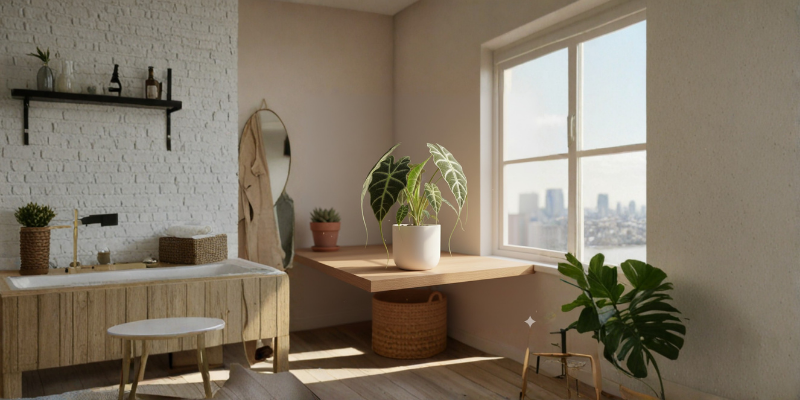
Caring for your Alocasia Stingray changes a bit with the seasons, especially if you’re growing it indoors where temperatures are more stable. The key is mimicking its tropical origins: consistent warmth, moisture, and light. I’ve learned through trial and error that paying attention to seasonal shifts keeps my stingray alocasia happy year-round.
Winter Care for Alocasia Stingray
Winter can be tricky for tropical plants like the Alocasia Stingray because homes get drier from heating, and days are shorter. Reduce watering since growth slows – let the top 2–3 inches of soil dry out before giving it a drink. I check mine weekly by sticking a finger in the pot. Keep it away from cold drafts or windows; temperatures below 60°F can cause leaf drop. If your stingray alocasia goes dormant (losing leaves), don’t panic – it’s normal. Just cut back water even more and wait for spring. Boost humidity with a pebble tray or occasional misting, and skip fertilizer until new growth appears.
Summer Care for Alocasia Stingray
This is when your Alocasia Stingray shines! Growth explodes in warm weather, so water more frequently to keep soil evenly moist (but never soggy). I water mine every 5–7 days in peak summer, depending on how hot it gets. Feed with a balanced, diluted fertilizer every 2–4 weeks to fuel those big new leaves. Bright indirect light is ideal – a spot near an east or west window works wonders. If it’s really humid outside, you might even move your stingray alocasia to a sheltered patio for a summer vacation, but acclimate it slowly to avoid sunburn.
Monsoon / Rainy Season Care
In areas with heavy rains or high humidity (or if you’re simulating it indoors), watch for overwatering. The Alocasia Stingray loves moisture in the air but hates soggy roots. Ensure excellent drainage – I add extra perlite to the mix during wet seasons. Misting is great, but good airflow prevents fungal issues. If outdoors, protect from pounding rain that could damage leaves. This season often triggers fast growth, so keep an eye on pests that thrive in humidity.
Indoor Care for Alocasia Stingray
Most of us grow the stingray alocasia indoors, and it’s perfect for that. Aim for bright, filtered light – mine thrives a few feet from a south-facing window with sheer curtains. Keep temperatures 65–80°F and humidity above 60% if possible (a humidifier is a game-changer in dry homes). Water when the top inch dries, using room-temperature water to avoid shock. Wipe leaves regularly to remove dust and let them breathe. Rotate the pot occasionally for even growth.
Outdoor Care for Alocasia Stingray
If you’re in a warm climate (zones 9–11), the Alocasia Stingray can live outdoors in dappled shade – think under a tree canopy. Plant in rich, well-draining soil and mulch to retain moisture. Water deeply but infrequently, and protect from strong winds that could snap those tall petioles. Bring it inside before temps drop below 60°F. In my experience, outdoor stingray alocasia plants get massive, but they’re more vulnerable to pests.
Types of Alocasia Stingray / Related Varieties
While the classic Alocasia Stingray is the one we all know and love, there are some close cousins in the Alocasia family that get compared often. Here’s a rundown of related varieties that might catch your eye:
Alocasia Zebrina
This one has similar large leaves but with striking zebra-striped stems. It’s a bit more upright and loves the same care as the stingray alocasia, making it a great companion plant.
Alocasia Macrorrhiza (Giant Taro)
The parent species – much larger overall, with plain arrow-shaped leaves. It’s the “wild” version before the stingray mutation appeared.
Alocasia Dragon Scale
Textured, scaly leaves in deep green. More compact than the Alocasia Stingray, but shares the love for humidity and indirect light.
Alocasia Frydek
Velvety dark green leaves with white veins. It’s a jewel type, smaller and more delicate, but equally dramatic
Variegated Stingray Alocasia
A rarer version with splashes of cream or white on the leaves. Care is similar, but it needs even brighter light to keep the variegation.
These varieties all bring that bold tropical feel, and mixing them creates an amazing collection.
Pruning Alocasia Stingray
Pruning your stingray alocasia isn’t something you do often – it’s more about maintenance than shaping. Only prune when you see yellowing, damaged, or dead leaves, as this redirects energy to new growth.
Use clean, sharp scissors or pruners (wipe with alcohol first to avoid spreading issues). Cut the petiole (stem) close to the base, but leave a short stub if it’s yellow – sometimes new pups emerge from there. Common mistakes? Pruning too much at once, which stresses the plant, or cutting into healthy tissue. In my garden, I only remove 1–2 leaves at a time, and my Alocasia Stingray bounces back quickly.
Propagating Alocasia Stingray
One of the joys of owning a stingray alocasia is multiplying it! The easiest way is by division of rhizomes or corms.
Step-by-step:
- Wait for spring or summer when the plant is actively growing.
- Gently remove the Alocasia Stingray from its pot and shake off excess soil.
- Look for offsets or bulb-like corms attached to the roots/rhizome.
- Carefully separate them with your hands or a clean knife, ensuring each piece has roots and at least one growth point.
- Pot each division in fresh, well-draining aroid mix.
- Water lightly and place in bright indirect light with high humidity.
- Keep soil moist until new growth appears (a few weeks).
Overwintering Alocasia Stingray
As a tropical native, the stingray alocasia doesn’t love cold. Indoors, keep it warm (above 60°F) and reduce watering. If it drops leaves, move to a brighter spot and wait – it’ll regrow in spring. Outdoors in cooler zones, dig up rhizomes, store in dry peat at 50–60°F, or treat as annual. My tip: A grow light helps prevent total dormancy.
Common Pests & Plant Diseases
Like many aroids, the Alocasia Stingray can attract pests. Spider mites (fine webs, stippled leaves) thrive in dry air – increase humidity and wipe leaves. Mealybugs (cottony spots) and aphids – treat with neem oil or insecticidal soap.
Diseases: Root rot from overwatering (mushy roots, wilting) – repot in fresh soil. Leaf spot (brown spots) – improve airflow. Prevention: Good drainage, proper watering, and quarantining new plants.
How to Keep Alocasia Stingray Healthy & Thriving
To maintain those iconic shapes: Consistent bright indirect light, even moisture, and high humidity. Fertilize sparingly in growth season. Wipe leaves for shine. Repot every 1–2 years when rootbound. My stingray alocasia thrives with a chunky mix and occasional showers in the sink.
FAQs – Alocasia Stingray Care
1. Why are the leaves on my stingray alocasia turning yellow? Usually overwatering or underwatering. Check soil – if soggy, let dry; if bone dry, water thoroughly. Other causes: low light or cold drafts.
2. How often should I water my Alocasia Stingray? When the top 1–2 inches of soil feel dry. In summer, maybe weekly; winter, every 2–3 weeks. Always use pots with drainage.
3. Is the stingray alocasia toxic? Yes, to pets and kids due to oxalate crystals. Keep out of reach – ingestion causes mouth irritation.
4. Can Alocasia Stingray grow outdoors? In zones 9–11, yes, in shaded spots. Elsewhere, summer only, then bring inside.
5. Why is my Alocasia Stingray drooping? Often underwatering or sudden changes. Water deeply and stabilize conditions.
6. How big does a stingray alocasia get? Indoors, 3–5 feet; outdoors in tropics, much larger.