In This Article
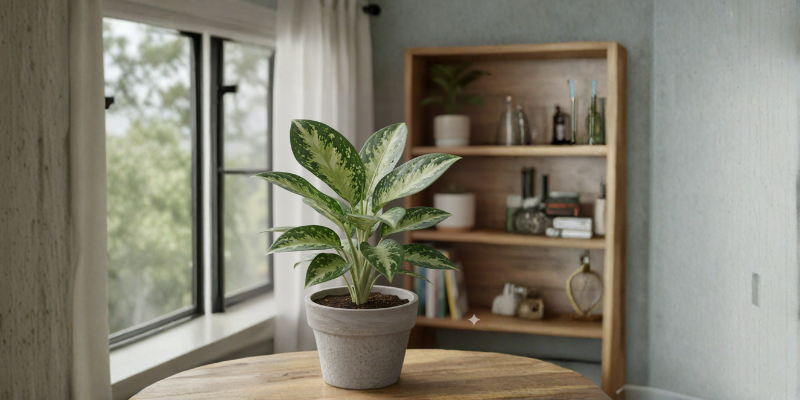
Hey there, other people who love plants! If you’ve ever been in a greenhouse or looked at rare plant forums and felt your heart skip a beat when you saw those beautiful leaves with camouflage patterns, you know why the aglaonema pictum tricolor is so popular with collectors. I got a small cutting of these plants at a local plant swap over 15 years ago, and now I have a thriving collection in my humid apartment in New Delhi. The foliage is what draws people in. It’s a mix of deep greens, silvery whites, and splashes of creamy yellow that looks like it was painted by nature herself, like jungle camouflage. It’s not just a plant; it’s a piece of living art that starts conversations and makes any indoor space look more exotic. The aglaonema pictum tricolor is easy to care for, even for beginners. It grows slowly and is tough, so it’s a good plant for experienced gardeners. I’ll share everything I’ve learned from trial and error in this guide to help you bring one home and keep it alive.
To kick things off, here’s a quick overview of the aglaonema pictum tricolor in a handy table format, based on my hands-on observations and years of tending to them.
Field | Details |
Botanical Name | Aglaonema pictum tricolor |
Common Name | Camouflage Aglaonema, Tricolor Chinese Evergreen |
Plant Type | Evergreen perennial aroid |
Mature Size | 12-24 inches tall and wide |
Leaf Pattern | Variegated camouflage with green, silver, and cream splashes |
Light Requirement | Bright indirect or filtered light |
Soil Type | Airy, well-draining tropical mix with peat, perlite, and bark |
Water Needs | Moderate; allow top soil to dry between waterings |
Humidity Requirement | High; 60-80% ideal |
Maintenance Level | Low to moderate; beginner-friendly with attention to humidity |
What is Aglaonema Pictum Tricolor?

The aglaonema pictum tricolor is a tropical plant that comes from the lush rainforests of Indonesia’s Sumatra and Borneo islands. It does best in its natural habitat, where the air is thick with humidity and dappled sunlight filters through the dense canopy. The aglaonema pictum tricolor is different because of the way its leaves are colored. The dark green, metallic silver, and pale yellow patches on its leaves look like army camouflage. It always looked to me like a little soldier hiding in the bushes. The aglaonema pictum tricolor is a member of the aroid family, which includes philodendrons and monsteras. It grows slowly but steadily, making broad, lance-shaped leaves on strong stems. It’s not a huge plant, so it’s great for indoors, but it’s rare because it has been selectively bred and has natural variations that make the tricolor pattern stand out even more. Over the years, I’ve gotten mine from specialized nurseries, and each one has its own way of changing colors based on how well I take care of it.
Why should you grow Aglaonema pictum tricolor inside?
Putting an aglaonema pictum tricolor in your home is something very special. First of all, its beautiful leaves are one of a kind. Those bright, patterned leaves can turn a dull corner into a tropical paradise without any flowers. It doesn’t grow much bigger than a foot or two, so it fits perfectly on desks, shelves, or side tables. One of the best things about it is that it can grow in the shade. Unlike plants that need a lot of sun, the aglaonema pictum tricolor thrives in low-light areas, making it perfect for apartments or offices with few windows. In my experience, it also has that collector’s appeal: rare types like this one aren’t made in large quantities, so owning an aglaonema pictum tricolor feels like having a piece of the jungle all to yourself. Also, it cleans the air, which makes the air inside a little better. And because it’s easy to care for, you can enjoy its beauty without much trouble. I’ve given cuttings to friends, and they’ve all said how much they love how it brightens up their rooms.
Seasonal Care Calendar
Caring for an aglaonema pictum tricolor shifts with the seasons, just like in its native tropics. Here’s a simple calendar table I’ve put together from my own routine, outlining key tasks to keep your plant happy year-round.
Season | Key Tasks |
Spring | Increase watering as growth resumes; fertilize lightly every 4-6 weeks; check for pests; repot if needed. |
Summer | Maintain high humidity with misting; water more frequently but avoid sogginess; provide shade from intense light. |
Fall | Reduce watering as growth slows; stop fertilizing; prune any leggy stems; monitor for dry air from heating. |
Winter | Water sparingly; boost humidity with pebble trays; keep away from drafts; inspect leaves for issues. |
How to Plant and Take Care of Aglaonema Pictum Tricolor
If you copy the conditions that aglaonema pictum tricolor plants like, it’s easy to get started with them. Over the years I’ve grown them, I’ve come up with a step-by-step method that makes sure the roots are healthy and the leaves are bright. Let’s get started.
Step 1: Pick the Right Place Inside
The first thing I always tell new owners is to find a place that feels like a little rainforest. For your aglaonema pictum tricolor, find a spot that stays warm and is not near cold drafts or hot vents. I live in a place where the light is soft and the temperature stays between 70 and 85 degrees Fahrenheit during the day. I’ve found that windows that face east or north work best. Don’t put it near air conditioners or doors that open to the outside, because sudden chills can stress the plant and make its colors less bright. Also, think about the humidity. Bathrooms and kitchens with steam from showers or cooking can be great, but if your space is dry, put it with other plants to make a microclimate. This first choice is the basis for everything else.
Step 2: Give Bright Indirect or Filtered Light
The aglaonema pictum tricolor’s unique variegation needs light, but too much direct sun can burn the leaves and make the creamy spots turn brown. Through my tests, bright indirect light, like what comes through sheer curtains, makes the camouflage pattern look its best. The plant will live in less light, but it will grow more slowly and may lose some of its color. During Delhi’s foggy winters, I’ve tried using LED full-spectrum bulbs as grow lights about 12 inches above the leaves for 10 to 12 hours a day. It keeps the aglaonema pictum tricolor lively. To make sure that the plant grows evenly, turn the pot every few weeks. If you see signs like faded leaves, it’s time to make changes.
Step 3: Use a tropical soil mix that is light and drains well.
Many people make mistakes with aglaonema pictum tricolor when it comes to soil, but getting it right stops a lot of problems. I make my own mix by combining equal parts peat moss, perlite, and orchid bark. Peat moss holds moisture, perlite drains water, and orchid bark lets air in. This is like the loose, natural forest floor where the aglaonema pictum tricolor comes from. Aroid mixes from the store work too, but I always add more perlite to them so they don’t get too hard. The goal is to have soil that stays moist but never gets too wet. You can test this by sticking your finger in; it should feel like a sponge that has been wrung out. Every two to three years in the spring, repot your plants. Always use a pot with drainage holes so that extra water can escape.
Step 4: Putting the plants in the right place
When you plant a new aglaonema pictum tricolor or move an old one to a new pot, be careful with the roots so they don’t get shocked. Fill the pot halfway with your soil mix, then put the plant in so that the root ball is at the same level as before. If you bury it too deep, it could rot. Fill in the sides and press down lightly to get rid of air pockets. Then, water everything well to settle it. This is something I’ve learned to do in the spring when the plant is getting ready to grow. I use a pot that is only 1–2 inches bigger so I don’t water it too much. Keep it in the shade for a week after you plant it to help it recover. You’ll see new leaves soon.
Step 5: Watering Without Giving Too Much Water
When watering the aglaonema pictum tricolor, you need to find the right amount. If you give it too much, the roots will rot; if you give it too little, the leaves will droop. I check the top 1–2 inches of soil. If it’s dry, I water it deeply until it drains out the bottom. Then I empty the saucer. In the summer, this could happen every 7 to 10 days, but in the winter, it could happen every 2 weeks or more. To keep chemicals from building up, use rainwater that is at room temperature or filtered water. Tap water can make the tips turn brown. Based on what I’ve seen, putting the pot in a shallow tray for 30 minutes to bottom water it helps the roots grow strong without getting the leaves wet, which lowers the risk of fungus.
Step 6: Keeping the temperature warm and the humidity high
Like its home in Sumatra, the aglaonema pictum tricolor likes warmth and moisture. Keep the temperature between 65 and 85 degrees Fahrenheit, and never let it drop below 60 degrees Fahrenheit, because cold can make leaves fall off. For humidity, try to keep it between 60 and 80%. I use a humidifier when it’s dry, or I put plants on pebble trays with water in them. It helps to mist the leaves every day, but you should also wipe them down every now and then to keep dust from building up. I’ve seen that higher humidity makes the leaf colors more vibrant, which makes the silver and cream stand out against the green.
Step 7: Feeding and fertilizing while the plant is growing
Fertilizing the aglaonema pictum tricolor helps it grow without making it too much. In the spring and summer, I use a balanced, water-soluble fertilizer that I mix with water to make it half as strong every four to six weeks. To help the leaves grow, look for one with equal NPK ratios, like 10-10-10. Don’t feed the plant in the winter when it is dormant. I once put too much fertilizer in the soil and got salt buildup, so I always flush the soil with plain water once a month to stop that from happening. Worm castings mixed into the topsoil are an organic option that slowly releases nutrients.
Step 8: Taking care of pests, diseases, and leaf problems
Spider mites and mealybugs are two pests that can get to aglaonema pictum tricolor, especially when the air is dry. I check the leaves every week and wipe them down with neem oil solution if I see any. Root rot from too much water is a common disease. If the leaves turn yellow and the stems get soft, take the plant out of the pot, cut off the mushy roots, and put it back in new soil. Do you see fungal spots on the leaves? Avoid watering from above and make sure the air can move around. In my collection, prevention is the most important thing. I keep new plants separate and clean.

Step 9: Taking Care of and Maintaining Aglaonema Pictum Tricolor for a Long Time
Pruning your aglaonema pictum tricolor bushy will keep it that way for a long time. In the spring, cut off leggy stems just above a node. To spread and refresh, cut mature plants into smaller pieces every few years. Watch for signs of nutrient deficiencies, such as yellowing from low nitrogen, and change the feeds as needed. With regular care, mine have lasted more than ten years and have grown fuller leaves and deeper colors. It’s all about watching and making small changes as your plant gets used to its new home.
Problems and Solutions That Happen Often
Even if you mean well, problems can happen with aglaonema pictum tricolor. If your leaves are yellow, it could mean that you are watering too much or that the water isn’t draining well. Cut back on the water and check the roots. Tips that are brown? That’s usually because the air is too dry or there is too much fluoride in the water. Try using filtered water and misting more. Slow growth might mean insufficient light or nutrients; move to a brighter spot and fertilize. If your plant’s roots are rotting and it is wilting even though the soil is wet, you need to repot it right away after cutting off the affected parts. You can get rid of pests like aphids by spraying them with water or using insecticidal soap. Taking care of these problems early on will help your aglaonema pictum tricolor bounce back strong.
Things Beginners Shouldn't Do
As a mentor to many new growers, I’ve seen aglaonema pictum tricolor make the same mistakes over and over. Don’t drown it by giving it too much water; always let the soil dry out a little bit. In dry homes, low humidity can make the edges of things crispy, so don’t ignore that. The delicate leaves get burned by direct sunlight, which makes the tricolor pattern fade. Using heavy garden soil instead of a light mix makes the soil compact and rot. Last but not least, not repotting when roots circle the pot slows down growth. Avoid these things, and your plant will do well.
Ideas for how to style and place home decor
The aglaonema pictum tricolor is a small plant that can be used in many ways to decorate. Put one on your desk to add some color during the day, or on high shelves where its leaves will hang down a little. It goes well with moss and ferns in terrariums to make a small jungle. Use macramé hangers to raise the plants and group them with other aroids on stands to make plant corners. I’ve put mine in ceramic pots that go with the camouflage theme. This adds to the calmness of the bedroom or the vibe of the living room.
Tips from experts for brighter colors and healthy growth
After years of fine-tuning, here’s what makes your aglaonema pictum tricolor grow: For roots that like acidity, use a weak coffee ground tea once a month. Put it near a window that gets morning light to see the bright colors. Use a mixture of milk and water to wipe down the leaves to make them shine and keep pests away. Don’t repot in the fall; the energy of spring helps plants heal. If colors fade, use a foliage booster fertilizer to make them brighter. These small tricks have made my plants shine.
Ways to Spread (Division and Stem Cuttings)
Ways to Spread (Division and Stem Cuttings)
It’s easy and rewarding to grow aglaonema pictum tricolor. In the spring, carefully take the plant out of its pot and separate the clumps with roots still attached. Then, put each clump in a new pot with fresh mix. Lightly water and keep the area moist until it is established. For stem cuttings, cut a healthy stem with 2–3 leaves below a node, dip it in rooting hormone, and put it in moist soil or water. Put plastic over it to keep the humidity up; roots will grow in 4 to 6 weeks. This is how I’ve doubled my collection.
In conclusion, the aglaonema pictum tricolor is well worth the trouble. Its beautiful leaves and easygoing personality make it a must-have for any plant lover’s home. It will give you years of beauty if you take care of it properly.
Questions and Answers
1. How often should I give my aglaonema pictum tricolor water?
When to water depends on where you live, but in general, wait until the top inch of soil is dry. This could happen every week in warm, humid places, but every 10 to 14 days in cooler places. To avoid shocking the roots, always use lukewarm water. Also, make sure the pot drains well so that water doesn’t sit in it, which can cause fungal problems over time.
2. Is it possible for aglaonema pictum tricolor to live in low light?
Yes, it can handle lower light levels, but for the best color vibrancy, give it medium indirect light. If there aren’t many natural light sources, you might want to add artificial lights to areas that are very dim. This will help the plants grow faster and keep their colors bright. I have successfully kept mine in dark corners, but they look a lot better when there is more light.
3. What makes brown spots appear on the leaves of aglaonema pictum tricolor?
Brown spots are often caused by bacteria or fungi, and they get worse when the leaves are wet or the air doesn’t flow well. Cut away the affected areas with clean scissors, make sure there is good air flow, and use a mild fungicide if necessary. Avoiding splashes while watering and keeping the leaves dry are two ways to stop this from happening.
4. Is aglaonema pictum tricolor bad for pets?
It has calcium oxalate crystals in it, which can hurt mouths if chewed, so keep it away from cats and dogs. Drooling or throwing up are signs, but it’s not usually deadly. If you have pets that like to explore, choose higher places or pet-safe options.
5. How can I make the air more humid for my aglaonema pictum tricolor?
Set a room humidifier to 70% to raise the humidity, or put the pot on a tray of pebbles with water just below the base. When you group tropical plants together, they all get a little bit of moisture. In dry areas, misting the plants with distilled water every day helps, but don’t do it too much or the leaves will rot.
6. What time of year is best for fertilizing aglaonema pictum tricolor?
Feed your plants every month with a diluted houseplant formula during the spring and summer when they are growing. Don’t do it in the fall and winter when the plant is dormant. Too much food can burn roots, so it’s better to give them less. Always water first to thin it out.
7. How tall does the aglaonema pictum tricolor plant get?
It usually stays small and grows to be 1 to 2 feet tall and wide indoors. The plant grows slowly, adding a few leaves each year, but with the right care, it can fill out nicely. If it gets too tall, prune it to keep its shape.
8. Can I grow aglaonema pictum tricolor outside?
Yes, but most people are safer indoors. It likes patios that are in the shade and protected from rain and direct sunlight. If it’s cold outside, bring it inside to keep it from getting damaged.