In This Article
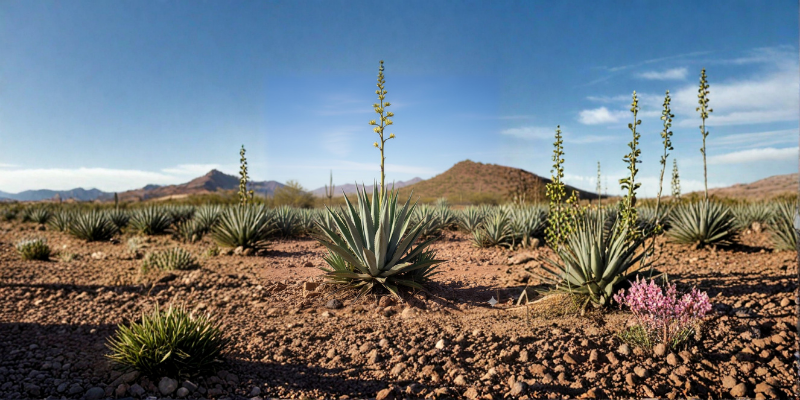
Hey there, fellow plant lovers! If you’ve ever wandered through a desert garden or spotted those striking, sword-like leaves in a modern landscape, chances are you’ve fallen for agave plant. I’ve been growing agave plant for years now, both in my sunny backyard and in pots on the patio, and let me tell you—they’re some of the toughest, most rewarding succulents out there. These beauties form those classic rosette shapes with thick, fleshy leaves that store water like champs, making them perfect for dry spots where other plants might throw in the towel. Their drought tolerance is legendary; once established, agave plants can go weeks—or even months—without a drink, which is a lifesaver for busy gardeners like me.
What draws me to agave plant is how they add that bold, architectural punch to any space. Whether you’re tucking them into a rock garden, lining a driveway, or keeping one as a statement piece in a container, they just scream low-maintenance drama. And for beginners dipping their toes into succulents, agave plant care is straightforward once you get the basics down. No fussing over daily watering or constant feeding—just smart placement and a little patience.
To give you a quick snapshot of what we’re dealing with, here’s a handy table with the key facts about agave plant in general (keep in mind, specifics can vary by species, but this covers the classics many of us grow):
Attribute | Details |
Common Name | Agave, Century Plant |
Botanical Name | Agave spp. (over 200 species) |
Family | Asparagaceae |
Plant Type | Evergreen perennial succulent |
Mature Size | Varies widely: 1–10 feet tall and wide (some giants reach 20 feet with flower stalks) |
Sun Exposure | Full sun (at least 6 hours daily); tolerates some light shade in hot climates |
Soil Type | Sandy, rocky, or gritty; excellent drainage essential |
Soil pH | Slightly acidic to neutral (6.0–7.5) |
Bloom Time | Once in lifetime (monocarpic for most); after 10–30+ years |
Flower Color | Yellow, green, or white on tall stalks |
Hardiness Zones | 5–11 (varies by species; many hardy to zone 8–10) |
Native Area | Arid regions of the Americas, especially Mexico and southwestern U.S. |
Toxicity | Mildly toxic to humans and pets (sap can irritate skin; ingestion causes upset) |
Agave Plant Care (Season-Wise Care)

Agave plant care really boils down to mimicking their natural desert homes: lots of sun, sparse water, and soil that drains like a sieve. I’ve learned the hard way that over-loving these guys with too much water is the quickest way to trouble. But when you dial in the seasonal rhythms, agave plants thrive with minimal effort
Winter Care for Agave Plant
Winter is when I ease up the most on my agave plant. They’re semi-dormant in the cold months, so their water needs drop way down. If you’re in a mild climate where temps stay above freezing, your outdoor agave plants might not need any water at all if there’s occasional rain—just check the soil and only add a little if it’s bone dry a few inches down. For colder spots, protect them from frost; I’ve lost a few tender ones before I started covering them with frost cloth or moving pots under eaves. Indoors or in greenhouses, keep watering to once a month or less, and make sure they’re in a bright spot to avoid stretching. Good airflow helps prevent any chilly, damp issues.
Summer Care for Agave Plants
This is when agave plants shine! They love the heat and long days. Water deeply but infrequently—maybe every 2–3 weeks if there’s no rain—to encourage deep roots. I always let the soil dry out completely between drinks; sticking a finger in the dirt is my go-to test. Full sun is ideal, but in scorching areas, a bit of afternoon shade prevents sunburn on younger leaves. Watch for rapid growth, and if they’re in pots, they might need a bigger home by fall. Fertilize sparingly once or twice with a diluted succulent feed if they look hungry, but honestly, most agave plants do fine without it.
Monsoon / Rainy Season Care
Rainy seasons can be tricky for agave plant care because these plants hate sitting in soggy soil. If you’re in an area with summer monsoons, plant them on slopes or in raised beds for extra drainage. I add plenty of gravel or pumice around the base to keep water from pooling. Cut back on any supplemental watering—let nature do its thing, but if rains are heavy and prolonged, check for signs of rot at the base. Good air circulation is key, so space agave plants well apart. This is also a prime time for pests to sneak in if things stay too wet, so keep an eye out.
Indoor Agave Plant Care
Growing agave plants indoors is totally doable and great for colder climates. Place them near a south-facing window for maximum light—mine thrive on a sunny sill. Water even less than outdoors: every 3–4 weeks in summer, dropping to monthly in winter. Use a terracotta pot with drainage holes and a gritty mix to avoid root rot. Rotate the pot occasionally for even growth, and dust the leaves gently to keep them photosynthesizing well. If your home is dry from heating, that’s perfect—no extra humidity needed.
Outdoor Agave Plant Care
Outdoors is where agave plants really strut their stuff. Choose a spot with blazing sun and fast-draining soil—amend with sand or gravel if needed. Water to establish them the first year (weekly at first, then taper off), but after that, they’re set-it-and-forget-it tough. Mulch with rocks instead of organic stuff to keep the base dry. In frost-prone areas, pick hardy varieties or pot them up for easy moving indoors. I love grouping different sizes for that layered desert look.
Types of Agave Plants
There are hundreds of agave plants out there, but here are some of my favorites that I’ve grown successfully. Each has its own personality, so pick based on your space and climate.
Agave americana (Century Plant)
This is the classic big boy—huge blue-gray rosettes that can spread 6–10 feet wide. It’s dramatic as a focal point in xeriscapes, but give it room! Hardy in zones 8–11, and it handles heat like a pro.
Agave attenuata (Foxtail or Spineless Agave)
One of the friendliest agave plants—no sharp spines! Soft, curving pale green leaves on a short trunk make it perfect for patios or walkways. Great for beginners, and it offsets readily.
Agave victoriae-reginae (Queen Victoria Agave)
My compact favorite for pots or rock gardens. Tight, dark green balls with white markings—super architectural and slow-growing. Stays under 2 feet, hardy to zone 9 with protection.
Agave parryi (Parry’s or Artichoke Agave)
Compact and super tough—gray-blue leaves in neat, artichoke-like shapes. One of the hardiest (zone 5–10), great for colder gardens, and it pups generously.
Other standouts I’ve tried include Agave tequilana (Blue Agave, the tequila maker) for its sleek blue tones, and smaller ones like Agave macroacantha for edgy black spines.
Pruning Agave Plants
Agave plants don’t need much pruning—they’re naturally tidy. But every so often, you’ll spot a damaged or dead lower leaf. That’s when I grab my long-handled pruners, thick gloves, and eye protection (those tips are no joke!). Cut the leaf as close to the base as possible without nicking the core. Do this in summer when the plant is actively growing for quicker healing. Common mistakes? Pruning too much (they grow slow) or doing it in wet weather, which invites rot. Also, avoid snipping spine tips on armed varieties unless necessary—it can look odd as they regrow unevenly.
Propagating Agave Plants
The easiest way to multiply your agave plants is through pups—those little offsets that pop up around the base. Here’s my step-by-step from years of doing this:
- Wait until the pup is at least 4–6 inches or about one-third the mother’s size with some roots.
- Dig carefully around it to expose the connecting rhizome.
- Use a sharp, clean knife to sever it, leaving a bit of rhizome on the pup for rooting.
- Let the cut callus over in shade for 3–7 days (prevents rot).
- Plant in well-draining mix, burying just enough to stabilize.
- Water lightly after a week, then treat like a mature plant.
Pups root fast—I’ve had success rates near 100%. Seeds or bulbils from flower stalks work too, but pups are quickest for home gardeners.

Overwintering Agave Plants
In cold climates, overwintering is key for tender agave plants. For pots, bring them indoors to a bright, cool spot (50–60°F) and water sparingly. Outdoors, cover with frost cloth or burlap on freezing nights, or mound gravel around the base for insulation. Mulch lightly with rocks, not leaves that hold moisture. Hardy types like Parry’s can tough it out with minimal protection. I always reduce water in fall to harden them off—helps prevent shock.
Common Pests & Plant Diseases
Agave plants are pretty bulletproof, but watch for these:
- Agave Snout Weevil: The big bad—adults burrow, larvae rot the core. Signs: collapsing center, foul smell. Prevent with good drainage; remove infested plants fast.
- Scale or Mealybugs: White cottony spots; wipe with alcohol or neem oil.
- Root/Crown Rot: From overwatering—mushy base. Fix: better drainage, less water.
- Anthracnose: Fungal spots in humid conditions. Improve airflow, remove affected leaves.
Prevention is best: sharp drainage, no overhead watering, and inspect regularly.
How to Keep Agave Plants Healthy & Thriving
My top tips from real trial and error:
- Prioritize drainage—mix in grit or plant on mounds.
- Water deeply but rarely; underwater beats over every time.
- Full sun for compact growth; shade leads to leggy flops.
- Minimal fertilizer—a slow-release in spring if soil is poor.
- Space them out for airflow and to show off their form.
- Remove pups periodically to keep the mother vigorous.
- Protect from extreme cold or prolonged wet.
Follow these, and your agave plants will reward you with strong, vibrant leaves for decades.
FAQs – Agave Plant Care
1. How often should I water my agave plant? Let the soil dry completely—every 2–4 weeks in summer, monthly or less in winter. Always check first!
2. Can agave plant grow indoors? Yes! Bright window, gritty soil, sparse water. They’re great houseplants if you have light.
3. Why is my agave plant turning yellow? Usually overwatering or poor drainage causing rot. Cut back water and repot if needed.
4. Do agave plant need fertilizer? Not much—a balanced, diluted feed once or twice in growing season. They thrive in lean soil.
5. How big do agave plant get? Depends on type: small ones stay 1–2 feet, giants hit 10 feet or more.
6. Are agave plantstoxic to pets? Yes, mildly—sap irritates skin and mouth. Keep out of reach.