In This Article
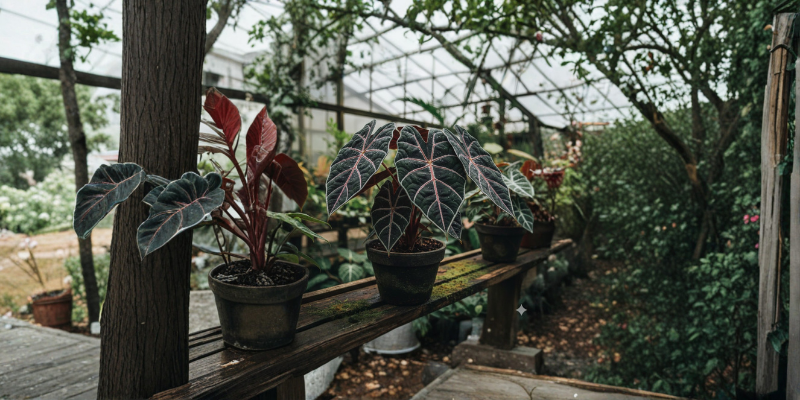
Hey there, fellow plant lovers! If you’ve ever scrolled through plant photos and stopped dead in your tracks at those shimmering, almost jewel-like leaves, chances are you’ve come across the Alocasia Azlanii. This little gem has stolen my heart—and probably a good chunk of my plant budget too. The Alocasia Azlanii, sometimes called Azlanii Alocasia or Red Mambo, boasts these incredible thick, waxy leaves that catch the light in a way that’s hard to describe—think deep metallic greens with hints of purple, pinkish-red veins, and a glossy sheen that makes them look painted. New leaves often emerge with softer colors that deepen as they mature, and the undersides can flash a gorgeous purple tone.
What I love most about the Alocasia Azlanii is how compact it stays, usually topping out around 12-18 inches tall indoors, making it perfect for shelves, desks, or that spot where you want a pop of luxury without a giant plant taking over. It’s from the rainforests of Borneo, discovered not that long ago, which explains why it feels so special and premium. Growing an Azlanii Alocasia feels like having a rare treasure in your home—it’s not the easiest plant out there, but with some basic attention, it rewards you with steady new growth and those unbeatable leaves.
Aspect | Details |
Common Name | Jewel Alocasia, Red Mambo |
Botanical Name | Alocasia azlanii |
Family | Araceae (Aroid family) |
Plant Type | Evergreen perennial, rhizomatous |
Mature Size | 12-18 inches tall and wide indoors; can grow larger in native conditions |
Sun Exposure | Bright, indirect light; tolerates some morning sun but no harsh direct rays |
Soil Type | Well-draining, airy mix with organic matter |
Soil pH | Slightly acidic to neutral (5.5-7.0) |
Bloom Time | Rarely blooms indoors; possible in summer if mature |
Flower Color | Small, pale cream or greenish spathe (not showy) |
Hardiness Zones | 9-11 outdoors; grown as houseplant elsewhere |
Native Area | Borneo (Brunei and Malaysia rainforests) |
Toxicity | Toxic to pets and humans if ingested (contains calcium oxalate crystals) |
The Alocasia Azlanii really shines as an indoor plant because of its size and those dramatic leaves. It’s become a favorite among collectors who chase rare tropicals, but don’t let that intimidate you—many beginners keep their Azlanii Alocasia happy with consistent care.
Grow and Care for Alocasia Azlanii (Season-Wise Care)

Caring for an Alocasia Azlanii is all about mimicking its humid, shaded rainforest home while adjusting to your indoor setup or local seasons. I’ve found that paying attention to the time of year makes a huge difference in keeping the leaves vibrant and preventing common hiccups.
Winter Care for Alocasia Azlanii
Winter can be tough on tropical plants like the Alocasia Azlanii because of drier air from heating and shorter days. Growth slows down a lot—sometimes it even goes semi-dormant—so ease up on watering. Check the soil and only water when the top 2-3 inches feel dry; overwatering now is the fastest way to root issues. Keep your Azlanii Alocasia away from cold drafts or radiators, aiming for temperatures above 60°F. Boost humidity with a pebble tray or occasional misting, and cut back on fertilizer completely until spring. If leaves yellow or drop, it’s often just the plant conserving energy—don’t panic unless it’s widespread.
Summer Care for Alocasia Azlanii
This is when your Alocasia Azlanii really thrives! Longer days and warmer temps encourage new leaves to unfurl. Water more frequently to keep the soil consistently moist but never soggy—aim for weekly or more if it’s hot. Bright indirect light is key; an east-facing window is ideal for that gentle morning glow. Feed every 4-6 weeks with a diluted balanced fertilizer to support growth. Humidity loves to be high, so group it with other plants or run a humidifier. Watch for pests in the heat, and rotate the pot occasionally for even shape.
Monsoon / Rainy Season Care
In areas with heavy rains or high natural humidity, the Alocasia Azlanii feels right at home. Outdoors in warm climates, it can enjoy the moisture, but ensure good drainage to avoid waterlogging. Indoors, you might water less often since humidity is up, but keep an eye on soil—rainy seasons can bring cooler temps that slow evaporation. This is a great time for growth, so a light feed helps. If you’re in a tropical spot, your Azlanii Alocasia might push out leaves faster than ever.
Indoor Care for Alocasia Azlanii
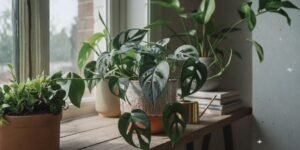
Most of us grow Alocasia Azlanii indoors year-round, and it’s straightforward once you nail the basics. Place it where it gets plenty of bright, filtered light—too little and the metallic sheen fades; too much direct sun and leaves scorch. Use a chunky, well-draining potting mix (I like adding perlite and orchid bark) in a pot with holes. Water when the top inch dries out, thoroughly but letting excess drain. Aim for 60%+ humidity—misting works, but a humidifier is better for consistency. Temps between 65-80°F are perfect. Repot every 1-2 years in spring if roots fill the pot.
Outdoor Care for Alocasia Azlanii (Warm Climates Only)
If you’re in a frost-free zone (like USDA 9-11), you can grow Azlanii Alocasia outside in dappled shade under trees or on a covered patio. It loves the natural humidity and warmth but hates full sun or wind. Plant in rich, draining soil and water regularly during dry spells. Bring it inside before any cool nights below 60°F—it’s not cold-hardy. In my experience, outdoor summers give bigger leaves, but transition slowly to avoid shock.
Types of Alocasia Azlanii / Related Varieties
The true Alocasia Azlanii is one-of-a-kind, but it’s part of the “jewel” Alocasia group—compact plants with thick, shiny leaves. There aren’t many official varieties of Azlanii Alocasia yet, but collectors sometimes spot slight differences in vein color or sheen.
Alocasia cuprea (often called Red Secret): Very similar with metallic leaves, but more reddish tones and deeper ribbing. Great if you love the jewel look but want something a tad different.
Alocasia infernalis: Darker, almost blackish leaves compared to the greener Azlanii Alocasia—super dramatic.
Alocasia reginula ‘Black Velvet’: Another compact jewel with velvety dark leaves and silver veins; easier to find than Alocasia Azlanii.
Alocasia reginula ‘Black Velvet’: Another compact jewel with velvety dark leaves and silver veins; easier to find than Alocasia Azlanii.
Pruning Alocasia Azlanii
Pruning isn’t a big chore with Alocasia Azlanii—it’s more about maintenance than shaping. Only prune when you spot damaged, yellowing, or dead leaves, which happens naturally as older ones make way for new growth.
Use clean, sharp scissors or pruners (wipe with alcohol first) and cut the leaf stem right at the base, close to the soil. Wear gloves—the sap can irritate skin. Do this any time, but spring/summer is best when the plant recovers fast.
Common mistakes: Cutting healthy leaves to “encourage growth” (it stresses the plant) or leaving stubs that invite rot. Also, don’t prune too much at once—Alocasia Azlanii only supports a few leaves, so removing several can set it back.
Propagating Alocasia Azlanii
One of the joys of owning an Alocasia Azlanii is making more! The easiest method is division of rhizomes or corms—those bulb-like structures underground.
Here’s a simple step-by-step:
- Wait for spring or summer when the plant is growing actively.
- Gently remove the Azlanii Alocasia from its pot and shake off soil to reveal the rhizome and any offsets/corms.
- Look for sections with at least one growth point (eye) and some roots.
- Use a clean knife to separate them carefully—aim for pieces with roots attached.
- Pot each division in fresh, airy soil, keeping the rhizome just below the surface.
- Water lightly and place in bright indirect light with high humidity.
- Keep soil moist but not wet; new growth should appear in a few weeks.

Overwintering
Overwintering is mostly about protecting your Azlanii from cold and dry conditions. Indoors, move it to your warmest spot (above 60°F) with decent light. Reduce watering drastically—let soil dry more between drinks—and stop fertilizing.
If leaves drop, it’s normal dormancy; the rhizome is fine underground. Increase humidity to prevent crispy edges. Come spring, gradually resume normal care as light returns. In mild climates outdoors, cover or bring inside if temps dip. I’ve lost leaves in tough winters but always bounced back strong.
Common Pests & Plant Diseases
Azlanii can attract a few pests, especially in dry air.
- Spider mites: Tiny webs and stippled leaves. Prevent with humidity; treat by rinsing leaves and using neem oil.
- Mealybugs or aphids: Cottony spots or sticky residue. Wipe with alcohol-soaked cotton or insecticidal soap.
- Scale: Hard bumps on stems. Scrape off and treat similarly.
Diseases usually stem from overwatering:
- Root rot: Mushy roots, wilting. Repot in fresh soil, trim bad roots.
- Leaf spots: Brown/black patches from excess moisture. Improve air flow and water less.
Prevention is key—good airflow, proper watering, and regular leaf checks keep your Azlanii Alocasia healthy.
How to Keep Azlanii Healthy & Thriving
From my years with these plants, here are my top tips:
- Leaf color: Bright indirect light brings out the metallic purple-green magic. Too dim, and it goes plain green.
- Humidity balance: 60%+ is ideal—use a tray, group plants, or humidifier. Low humidity = brown tips.
- Watering right: Consistently moist but well-draining. Finger test the soil!
- Steady growth: Balanced fertilizer in growing season, repot when rootbound, and stable temps.
Rotate for even light, dust leaves gently, and enjoy watching new ones unfurl—it’s addictive.
FAQs –
1. Why are the leaves on my Azlanii turning yellow?
Yellow leaves are usually from overwatering, underwatering, or low light. Check soil moisture and adjust—most often, it’s too much water leading to root issues.
2. How often should I water my Azlanii Alocasia?
Water when the top 1-2 inches of soil dry out, roughly weekly in summer and less in winter. Always ensure good drainage.
3. Is Azlanii toxic?
Yes, like most Alocasias, it’s toxic to pets and kids due to oxalate crystals—keep out of reach.
4. Why is my Azlanii not growing new leaves?
It could be dormancy in winter, low light, or nutrient lack. Give it bright indirect light and patience in cooler months.
5. Can Azlanii tolerate direct sun?
No—direct sun scorches leaves quickly. Stick to bright filtered light.
6. How do I increase humidity for my Azlanii Alocasia?
Misting helps short-term, but a pebble tray, humidifier, or bathroom placement works better long-term.