In This Article
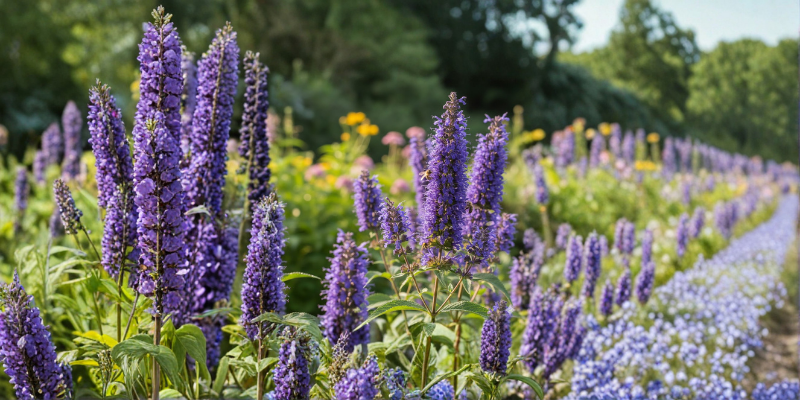
Let me give you a quick rundown on the basics of agastache. These perennials (sometimes grown as annuals in colder spots) belong to the mint family, so they have that square stem and fragrant foliage you might recognize from herbs like basil or sage. The flowers come in upright spikes that can last for weeks, drawing in all sorts of beneficial insects. Gardeners adore them because they’re not picky about perfect conditions—they thrive in sunny, drier spots where other plants might struggle.
Here’s a simple table with the key details to help you get started:
Detail | Information |
Common Name | Hummingbird mint, giant hyssop, anise hyssop (varies by variety) |
Botanical Name | Agastache spp. |
Family | Lamiaceae (mint family) |
Plant Type | Herbaceous perennial |
Mature Size | 2–4 feet tall, 1–3 feet wide (depending on variety) |
Sun Exposure | Full sun (at least 6–8 hours daily) |
Soil Type | Well-draining, loamy or sandy |
Soil pH | Slightly acidic to neutral (6.0–7.5) |
Bloom Time | Mid-summer through fall |
Flower Color | Purple, blue, pink, orange, red, or white |
Hardiness Zones | 4–10 (some varieties hardy to zone 4, others tender in colder areas) |
Native Area | Mostly North America, with some from Asia |
Toxicity | Non-toxic to humans and pets (may cause mild stomach upset if ingested in large amounts) |
Grow and Care for Agastache (Season-Wise Care)

Growing agastache successfully comes down to understanding its love for sun and good drainage. It’s a plant that mimics prairie or dry meadow conditions, so think lean soil and not too much pampering. I’ve found that overwatering or rich fertilizer often leads to floppy stems or fewer flowers. Let’s break it down by seasons and situations to make it easy for beginners.
Winter Care
In colder zones, agastache can be a bit finicky about wet winters—that’s when root rot sneaks in. I leave the old stems standing through winter; they catch snow or leaves for natural insulation and give beneficial insects a place to overwinter. Come early spring, once you see new growth at the base, cut everything back to about 4–6 inches. If your area gets heavy, wet snow, add a light mulch of gravel around the crown to keep it dry. In zones 5 or below, choose hardier varieties and plant in raised beds for extra protection.
Summer Care
This is when agastache shines! Give it full sun and let the soil dry out between waterings—it’s drought-tolerant once established, so deep, infrequent soaks are better than daily sprinkles. If we’re in a heat wave, a good drink every week or so keeps it happy without encouraging weak growth. Deadhead spent spikes regularly to keep the blooms coming; I’ve had agastache bloom time stretch well into fall this way. No need for much fertilizer—a light compost top-dressing in spring is plenty.
Monsoon / Rainy Season Care
Heavy rains can be tricky because agastache hates soggy roots. If your summers are wet, make sure it’s in raised beds or sloping ground for quick drainage. I avoid overhead watering to prevent fungal issues on the leaves. During prolonged rainy spells, check for standing water and gently improve airflow by spacing plants well. In humid climates, pick varieties known for better moisture tolerance.
Indoor Care (Containers)
Agastache does beautifully in pots, which is great for patios or if your soil is heavy clay. Use a well-draining potting mix (add perlite or sand), and choose containers with plenty of drainage holes. Water when the top inch feels dry, but don’t let it sit in saucers of water. Place pots in full sun—south-facing is ideal. In winter, move tender varieties indoors to a cool, bright spot or treat as annuals.
Outdoor Care (Garden Beds)
In the ground, amend heavy soil with grit or compost for drainage. Plant in spring after frost, spacing 12–24 inches apart. Mulch lightly with gravel rather than organic material to keep the crown dry. Once settled (usually after the first year), it’s hands-off—perfect for busy gardeners. Pair it with other sun-lovers like coneflowers or salvia for a vibrant, pollinator-friendly border.
Types of Agastache
There are so many wonderful varieties out there, from tall natives to compact hybrids. Here are some of my favorites that I’ve grown successfully:
Anise Hyssop
The classic one with lavender-blue spikes and strong anise-scented leaves. It’s super hardy, great for teas, and bees go wild for it. Grows tall and makes a lovely backdrop.
Blue Fortune
A reliable hybrid with powder-blue flowers on sturdy stems. It’s one of the tougher ones for wetter or colder gardens and has a long bloom time from midsummer onward.
Kudos Series (e.g., Kudos Ambrosia, Kudos Coral)
Compact plants with dense flower heads in soft pinks, corals, and ambrosia mixes. Perfect for smaller spaces or containers—they stay bushy without flopping.
Rosie Posie
Vivid hot-pink blooms on shorter plants. It’s a stunner in front borders and holds color well even in heat.
Sunset Hyssop
Fine, silvery foliage with orange-peach tubes—smells like root beer! More tender but worth it for the unique look.
Pruning
Pruning is straightforward and really helps with bushier plants and extended bloom time. In spring, pinch back new growth when it’s about 6–8 inches tall—this encourages side branches. Throughout summer, snip off faded flower spikes just above a set of leaves to prompt more blooms.
Common mistakes? Cutting too late in fall—it can push tender growth that frost kills. Or shearing everything back hard mid-season, which stresses the plant. Light, regular trimming is key.
Propagating
I love propagating agastache—it’s easy and gives you free plants!
From Seeds: Start indoors 6–8 weeks before last frost. Scatter on moist soil, barely cover, and keep warm. They germinate in 1–3 weeks. Harden off and plant out.
Stem Cuttings: In early summer, take 4-inch tips from non-flowering stems. Dip in rooting hormone, stick in sandy mix, and keep humid until rooted (about 3 weeks).
Division works too—dig up established clumps in spring and replant sections.

Overwintering
Good drainage is crucial for winter survival. Mulch with gravel, leave stems for protection, and avoid wet spots. In pots, move to a sheltered area or garage in harsh climates. Hardier types bounce back reliably.
Common Pests & Plant Diseases
Agastache is pretty trouble-free, but watch for:
- Aphids or whiteflies: Hose off or use insecticidal soap.
- Slugs (especially young plants): Handpick or use barriers.
- Powdery mildew: Improve air flow, avoid overhead water.
- Root rot: Only from poor drainage—prevent with gritty soil.
Overall, healthy resists most issues.
Bloom Time & How to Encourage More Flowers
The typical bloom time starts mid-summer and runs through fall—often until frost. To extend it: deadhead faithfully, plant in full sun with lean soil, and water deeply but infrequently. Pinching early makes bushier plants with more spikes. A light spring compost helps without overfeeding.
FAQs –
1. When does bloom?
Agastache bloom time usually kicks off in mid-summer and continues into fall, giving you months of color.
2. Is perennial or annual?
Mostly perennial in zones 4–10, but some varieties act as annuals in colder areas.
3. How often should I water agastache?
Once established, only during dry spells—it’s very drought-tolerant.
4. Does agastache attract pollinators?
Absolutely! Bees, butterflies, and hummingbirds love it.
5. Can I grow in pots?
Yes, it thrives in containers with good drainage.
6. How can I extend bloom time?
Regular deadheading and full sun are the best tricks.
There you have it—everything I’ve learned about growing agastache over the years. Give it a try; it’s rewarding and brings so much life to the garden!