In This Article
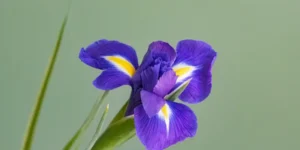
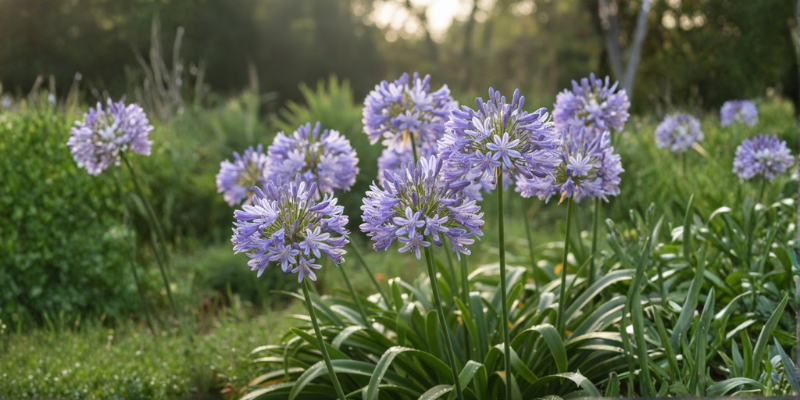
Agapanthus is one of those plants that just screams summer vibes. Picture strap-like green leaves forming a neat clump at the base, with sturdy stems shooting up two to four feet high, each crowned by a cluster of trumpet-shaped flowers that form a rounded umbel. These blooms come in shades from deep indigo to soft lavender or pure white, attracting butterflies and bees while swaying gently in the breeze. What makes the agapanthus plant so popular? For starters, it’s versatile – great for edging paths, filling gaps in perennial borders, or even as a focal point in a rock garden. It’s relatively low-maintenance once established, drought-tolerant in the right conditions, and can handle coastal winds or urban pollution better than many other flowers. Plus, in warmer climates, some varieties keep their foliage year-round, providing evergreen interest.
Over the years, I’ve found agapanthus to be a reliable performer, especially if you give it plenty of sun and don’t let it sit in soggy soil. It’s not just about the flowers; the foliage adds texture and structure to your garden design. If you’re new to gardening, this is a fantastic plant to experiment with because it bounces back from minor mistakes.
To give you a quick snapshot, here’s a handy table summarizing the key details about the agapanthus plant. I’ve pulled this together from my own experiences and observations in various gardens.
Characteristic | Details |
Common Name | African Lily, Lily of the Nile |
Botanical Name | Agapanthus spp. |
Family | Amaryllidaceae |
Plant Type | Herbaceous perennial |
Mature Size | 1-4 feet tall, 1-2 feet wide |
Sun Exposure | Full sun to partial shade |
Soil Type | Well-drained, fertile loam |
Soil pH | Slightly acidic to neutral (5.5-7.0) |
Bloom Time | Mid to late summer |
Flower Color | Blue, white, purple, violet |
Hardiness Zones | 8-11 (some varieties hardy to 6-7) |
Native Area | South Africa |
Toxicity | Mildly toxic; sap can irritate skin, ingestion may cause nausea in pets or humans |
This table should help you decide if agapanthus fits your garden setup. Remember, while it’s generally easygoing, always check your local zone – in colder areas, you might need to treat it as a tender perennial and provide winter protection.
Plant, Grow, and Care for Agapanthus (Season-Wise Care)

Getting an agapanthus plant established is straightforward, but tailoring your care to the seasons makes all the difference in how well it performs. I’ve learned that agapanthus thrives when you mimic its native South African conditions: warm days, moderate moisture, and protection from extremes. Start by choosing a spot with at least six hours of sunlight daily – more is better for those vibrant blooms. When planting, dig a hole twice as wide as the root ball and mix in some compost for nutrients. Space them about 18-24 inches apart to allow room for growth. Water deeply after planting to settle the roots, but then let the soil dry out a bit between waterings to encourage strong root development.
As for growing, agapanthus plants aren’t heavy feeders, but a balanced fertilizer in spring kickstarts things. In my garden, I use a slow-release granular type around the base, avoiding high-nitrogen formulas that promote leaves over flowers. Keep an eye on weeds, as they compete for resources, and mulch lightly to retain moisture. Now, let’s break it down by season and setting for practical advice.
Winter Care for Agapanthus
Winter can be tricky for agapanthus, especially if you’re in a zone cooler than 8. In my experience, the key is insulation against frost. For in-ground plants, cut back any dead foliage after the first freeze, then pile on a thick layer of mulch – think straw or leaves – around the base to shield the roots. I’ve used old blankets or burlap on particularly cold nights to wrap the crowns. If temperatures dip below 20°F regularly, consider digging up the rhizomes, storing them in peat moss in a cool, dark garage, and replanting in spring. Water sparingly if at all; the plant is dormant and doesn’t need much. This approach has saved many an agapanthus plant in my borderline zone garden.
Summer Care for Agapanthus
Summer is showtime for agapanthus! With the heat on, focus on consistent watering – aim for about an inch per week, more during dry spells. I water deeply in the morning to reduce evaporation and prevent fungal issues. Fertilize once or twice with a potassium-rich product to boost blooms; something like tomato feed works wonders. Deadhead spent flowers to encourage more, and stake taller stems if they flop in wind. Watch for overcrowding – if clumps look congested, plan to divide in fall. In hot climates, partial afternoon shade prevents scorching, but full sun yields the best flowers. My agapanthus plants always reward this routine with abundant globes of color.
Monsoon / Rainy Season Care
During heavy rains, drainage is your best friend for agapanthus. Soggy soil leads to root rot, so ensure your planting area slopes or amend with grit if needed. I’ve raised beds slightly in rainy spots to help. Reduce watering if nature’s providing plenty, but check soil moisture – it should feel like a wrung-out sponge. Trim any damaged leaves to improve air circulation and prevent disease. If pots overflow, move them under cover temporarily. In humid conditions, a light fungicide spray can preempt issues. This preventive care keeps my agapanthus plants healthy through the wettest months.
Indoor Agapanthus Care (Containers)
Growing agapanthus indoors or in pots is ideal for small spaces or cold winters. Use a well-draining potting mix with perlite, and choose a container with holes. Place near a sunny window for 6-8 hours of light; south-facing is best. Water when the top inch of soil dries, but don’t let it bone-dry – agapanthus plants hate that. Fertilize monthly during growth with a diluted balanced feed. Rotate the pot for even growth, and repot every 2-3 years. In my home, I’ve overwintered them this way, and they bloom reliably come summer when moved outside.
Outdoor Agapanthus Care (Garden Beds)
For outdoor beds, site selection is key – full sun, fertile soil, and good drainage. Mulch in spring to suppress weeds and retain moisture. Water regularly in the first year to establish roots, then taper off as the agapanthus plant matures. Companion plant with low-growers like lavender for contrast. In landscapes, group them for impact. I’ve found dividing every 3-4 years keeps vigor high. Protect from strong winds with stakes or natural barriers. This hands-on approach turns agapanthus into a garden star.
Types of Agapanthus
There’s a world of variety in agapanthus plants, from compact dwarfs to towering giants. Over the years, I’ve tried several, and each brings something unique. Here are some favorites, described from my planting adventures.
Evergreen Agapanthus
These keep their leaves year-round in mild climates, making them great for constant greenery. The classic blue flowers are reliable, and they’re more tolerant of shade than deciduous types. Ideal for coastal gardens.
Deciduous Agapanthus (e.g., Agapanthus campanulatus)
These die back in winter, conserving energy for bigger blooms. Hardy in cooler zones, they offer pendulous bells in soft blues. Perfect for borders where you want seasonal change.
Midknight Blue Agapanthus
A standout with deep violet-blue flowers on sturdy stems. Grows to about 3 feet, blooms profusely. I’ve used it in pots for dramatic effect.
Baby Pete Agapanthus
Dwarf variety, under 2 feet, ideal for containers. Lavender-blue flowers, evergreen foliage. Low-maintenance charmer in my patio setup.
Twister Agapanthus
Bicolor white and blue trumpets, twisting stems add whimsy. Medium height, good for mixed beds.
These varieties let you mix and match for color and height diversity in your collection.
Pruning
Pruning keeps your plant neat and promotes health. I prune mine in early spring, removing dead or damaged leaves at the base with sharp shears. For flowers, snip spent stalks at ground level after blooming to redirect energy. In fall, for deciduous types, cut back foliage once yellowed.
How-to: Wear gloves – the sap can irritate. Cut at a 45-degree angle, close to the crown without nicking it. Disinfect tools between plants.
Common mistakes: Pruning too early in winter exposes roots to cold. Over-pruning leaves can weaken the plant. Avoid shearing like grass; selective cuts are better. Skipping deadheading reduces future blooms. I’ve made these errors, but correcting them led to fuller plants.
Propagating
Multiplying is rewarding and cost-effective. Division is my go-to for quick results, while seeds offer variety.
Division Method
Best in spring or fall. Dig up the clump, shake off soil. Gently separate rhizomes, ensuring each has roots and shoots. Replant divisions at original depth, water well. Space 18 inches apart. They’ll bloom in 1-2 years.
Seed Propagation
Harvest pods when dry, extract black seeds. Sow in trays with seed compost, cover lightly. Keep moist at 60-70°F, in bright indirect light. Germinate in 1-3 months. Transplant seedlings when sturdy. Blooms take 3-5 years, but it’s fun watching them grow.
Patience pays off – my divided agapanthus plants fill gaps beautifully.

Overwintering
In cold areas, overwintering is crucial for survival. For ground plants, apply 4-6 inches of mulch like bark or straw around the base after foliage dies back. This insulates roots from freezes.
For containers, move indoors to a cool (40-50°F), bright spot like a garage. Water minimally, just to prevent drying out. Check for pests. In spring, acclimate back outside gradually.
I’ve lost a few to rot from poor drainage, so ensure pots have holes and use gritty mix. Lifting rhizomes for storage in peat works too – label and store dry. This prep ensures your plant returns strong.
Common Pests & Plant Diseases
Plants are sturdy, but pests and diseases can sneak in. Here’s what I’ve dealt with and how to handle it.
Pests:
- Mealybugs: White, fluffy spots on leaves. Symptoms: Sticky honeydew, distorted growth. Prevention: Hose off, use insecticidal soap. Isolate infested plants.
- Thrips: Tiny insects causing silver streaks. Symptoms: Leaf scarring. Prevention: Neem oil sprays, encourage predators like ladybugs.
- Red Spider Mites: Webby undersides, yellow speckles. Symptoms: Leaf drop. Prevention: Increase humidity, mist leaves.
- Gall Midge: Deforms buds. Symptoms: Buds fail to open. Prevention: Remove affected parts, avoid over-fertilizing.
Diseases:
- Botrytis (Gray Mold): Fuzzy gray on leaves. Symptoms: Slimy decay. Prevention: Improve air flow, avoid overhead watering.
- Anthracnose: Brown spots with purple edges. Symptoms: Leaf dieback. Prevention: Fungicide, clean debris.
- Root Rot: From overwatering. Symptoms: Wilting, mushy roots. Prevention: Well-drained soil, let dry between waters.
Regular inspections and good hygiene keep issues at bay in my garden.
How to Encourage Healthy Growth & More Blooms
For lush plants with loads of flowers, start with sunlight – at least six hours daily for energy. In shade, you’ll get leaves but few blooms.
Soil: Well-drained is non-negotiable; add compost for fertility. pH around 6-7 suits best.
Fertilization: Spring application of balanced 10-10-10, then switch to high-potash (like 5-10-10) mid-summer for blooms. I top-dress with bone meal for phosphorus.
Water wisely: Deep soaks encourage deep roots; avoid shallow frequent watering.
Don’t divide too often – agapanthus blooms better when slightly crowded. Deadhead promptly.
In my yard, these tips transformed sparse plants into blooming machines. Experiment, but consistency is key.
FAQs –
1. Why isn’t my blooming? Often, it’s lack of sun or overcrowding. Move to a sunnier spot or divide the clump. Too much nitrogen fertilizer favors leaves; switch to potash-rich.
2. How often should I water my plant? Once a week in summer, less in cooler months. Check soil – it should dry slightly between waterings to prevent rot.
3. Can grow in shade? Partial shade works, but full sun yields more flowers. In deep shade, expect leggy growth and fewer blooms.
4. Is toxic to pets? Yes, mildly. Ingestion can cause vomiting or diarrhea. Keep away from curious cats and dogs.
5. When should I divide ? Every 3-4 years in spring or fall, when not blooming. This rejuvenates the plant.
6.Can agapanthus be grown indoors year-round? Yes, with bright light and moderate care. Great for apartments.
There you have it – a comprehensive guide to making agapanthus a star in your garden. With these tips, your plants should thrive and bring joy season after season. Happy gardening!